
The Predators Scored on Nearly One in Four Shots
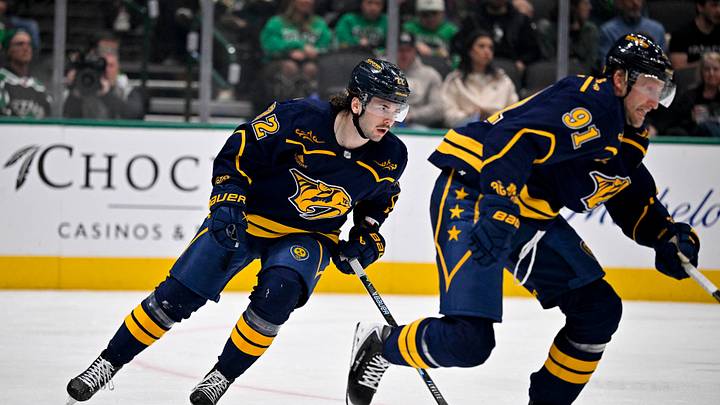
NASHVILLE —If someone had told you the Predators would score five goals on Friday, you probably would’ve felt comfortable making plans for the rest of the afternoon. Reasonable. Incorrect, but reasonable.
Nashville scored five times on 21 shots against Utah, converting 23.8 percent of their shots into goals. The Mammoth put 35 shots on net, scored five times before the shootout, and won it 6–5. That sixth goal on the scoreboard was the shootout decider. The five goals Utah scored in regulation are the part Nashville has to take with it to Detroit.
The Predators got the start they wanted
Filip Forsberg scored 52 seconds in. Roman Josi made it 2–0 while Nashville was shorthanded. The Predators had spent enough of November trying to dig out of early holes that, for a few minutes, this was a welcome change of programming. Then Clayton Keller scored off a rebound, and Mikhail Sergachev tied it with six seconds left in the first. Two goals up, even at intermission.
The details matter. Keller got to the rebound, Sergachev scored through traffic, and Anders Lee went upstairs on another rebound to put Utah ahead in the second. Even without the final shot count, those three goals show a pattern: Utah made life difficult for Juuse Saros after the puck had already reached the net. Clearing the first rebound would have been more useful than winning an argument about who took the first shot.
Dallas showed what a lead can buy
Two nights earlier, Nashville took a 1–0 lead into the first intermission in Dallas and outshot the Stars 12–2 in the second. The Predators didn’t score that period. They did make Dallas spend a good chunk of it trying to get the puck back. Against Utah, they had a bigger lead and less time to enjoy it.
Friday still had plenty worth keeping. Nashville scored three times in the third, and Mavrik Bourque’s goal put the Predators ahead 5–4 before Lee tied it with 3:55 left. Scoring five on 21 shots is excellent finishing. It’s also a lot to ask of your shooters on a night when the other team puts 35 on your goalie. Shot totals alone can’t tell you who had the better chances, but Utah’s rebounds and late break made clear how some of those chances developed.
Nashville gets Detroit on Saturday at 6 p.m. CT. If the Predators get ahead, watch what happens the first time the Red Wings get a shot through traffic. Who gets to the loose puck? Can Nashville get it out cleanly and make Detroit start over? A couple of shifts like that would tell you more about how the Predators are handling a lead than the scoreboard alone.
Smashville, what would make you feel better in Detroit: another big night from the offense, or a one-goal lead you can watch without pacing?
Follow us on Twitter/X, Facebook, YouTube, Threads, Bluesky, and Instagram for the latest news.
 Add us as a preferred source on Google

Ava Gannon covers the Nashville Predators for Nashville Predators On SI. Originally from Iowa, she's studying Human and Organizational Development, with additional studies in Cinema and Media Arts and Sports, Culture, and Society at Vanderbilt University. She brings experience in digital content creation and events, along with an editorial background as the founder of a student-run publication. A former competitive runner and wrestler, she is especially interested in the people, personalities, and fan communities that make sports compelling.