
Tom Brady Is Evolving His Training at 49, and There's a Bigger Reason Behind It
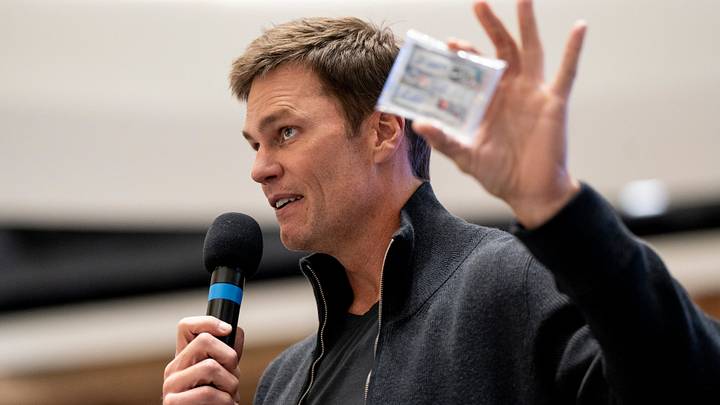
Tom Brady, 49, recently revealed how his training habits have changed in his post football career, including what his workouts look like these days.
“I’m training more for life now than for taking hits and throwing the football,” Brady said in an interview with Men’s Journal on November 3.

Tom Brady's evolving workout routine
While Brady estimated that about 70% of his past training was football-related, much of his workout routine was designed to make him a better quarterback, including preparing for hits, improving his performance on the field, and recovering from games in order to play the following week.
In his new routine, Brady is focused on swimming and running, and even lifting heavier weights, as opposed to his football routine which focused on keeping his muscles as light and pliable as possible. He is also focused on evolving his post-workout recovery routine, incorporating his past football recovery experiences with new approaches to bounce back more quickly.
Even though his competitive career is over, the 49-year-old quarterback remains focused on staying healthy, strong and mobile, for long life after football.
Brady Is Taking His Approach to Body Recovery

Brady is also trying to bring some of the ways he used to recover to the rest of the world. He has teamed up with Aescape to launch the Brady Protocol, a 30-minute robotic massage that incorporates many of the same techniques he used as a player.
The Brady Protocol is a 30-minute session designed around the recovery practices that Brady utilized throughout his career. It targets the posterior chain, including the calves, hamstrings, glutes and back muscles, all the way up to the trapezius muscles.
The Brady Protocol is available at every Aescape location, including participating partner locations. Sessions start at $39, with pricing varying by location.
He received consistent bodywork from his longtime body coach Alex Guerrero in order to prepare for the season, and to recover from the weekly grind of games in order to be ready to play the next week.

“I still want my heart to be strong; I want my muscles to do whatever I ask them to do. I don’t want any pressure on my joints,” Brady said in an August interview with GQ. He also explained that working out has been a big part of his life since sixth or seventh grade.

While his goals as a fitness enthusiast differ from those of a quarterback on the field, the 49-year-old continues to work out every day.
The Transition From Professional Sports Can Be Difficult

While Brady can afford to design a workout routine that is customized for his needs, many other athletes are left to figure out how to transition from competitive sports on their own.
A study of 35 former collegiate athletes who had finished competing between 2019 and 2023, published in Sports Health, found that 68.6% of them did not have a specific healthcare management plan in place after their college careers ended.
The study also found that former college athletes had difficulty accessing healthcare and treatment. Support from family, mentors and knowledgeable medical professionals was reported to be very helpful in navigating the transition from competitive sport to non-competitive sport.
While this research was conducted on former college athletes and not retired NFL players, it does provide insight into the world of athletes after they have finished competing in sports, and how that can relate to Tom Brady’s current life in retirement.
The fitness and recovery methods that Brady uses to stay healthy and strong for life after the NFL are still a huge part of his life even though his workouts have changed since he left the NFL.
 Add us as a preferred source on Google

Mark Livingston is a South Carolina native and recent Penn State graduate with a degree in Digital Media and Journalism. He previously wrote for Greenville Sports Media, where he covered various sports and teams across the Carolinas. His experience includes game coverage, feature stories and interviews.
Follow MarkSNMedia