
Last-Minute Best Ball Strategy Guide Highlighted by Handcuffs & Bye Week Maintenance
In this story:
When drafting a fantasy football best ball league, team construction needs to differ slightly from a typical redraft format. Because managers cannot make any in-season upgrades, they must make a concerted effort to provide insurance for certain picks while covering key areas such as bye weeks and potential injury situations.
There are several key boxes to check when building a potential contender in these best ball formats.
Team Structure
In most cases, especially in the popular DraftKings Best Ball tournaments, the roster includes 20 spots. Regardless of draft position, it’s wise to ensure your team has at least three quarterbacks and three tight ends. The remaining 14 slots should be a mix of running backs and wide receivers, with a 7–7 split often providing strong balance.
Carrying three quarterbacks offers several benefits, particularly if you select them earlier in the draft. Targeting three signal-callers with top 20 potential increases the likelihood of having at least one delivering consistent weekly points.
If you prefer to wait on quarterbacks and tight ends until the middle or later rounds, while stacking up on running backs and wide receivers, that is also a viable strategy. In this scenario, consider a combination of high-upside quarterbacks such as Jordan Love (Packers), Michael Penix Jr. (Falcons), J.J. McCarthy (Vikings), and Bryce Young (Panthers).
“I feel like J.J.’s definitely getting more comfortable in the system...understanding the leverages, he’s understanding the matchups and he’s attacking it. That’s definitely what I love to see.”
— The Purple Persuasion (@TPPSkol) August 19, 2025
- WR1 in the NFL Justin Jefferson on his QB JJ McCarthy pic.twitter.com/pMEMXvSAyc
Later-round tight end targets include Green Bay’s Tucker Kraft, Dallas’ Jake Ferguson, Washington’s veteran Zach Ertz, and, though currently injured, Isaiah Likely of the Ravens, who could be a solid stash once healthy.
Bye-Week Maintenance
One of the most important elements in best ball is ensuring your team is covered during bye weeks. Managers must monitor bye-week schedules for quarterbacks in particular, as missing that position entirely in a given week can be disastrous.
For example, if you draft Kyler Murray (Cardinals), Jared Goff (Lions), and Trevor Lawrence (Jaguars), all three have a Week 8 bye, leaving you with no quarterback scoring that week. To avoid this, stagger your quarterback byes whenever possible.
The same principle applies to tight ends. While there’s rarely a need for more than four, their byes should also be spread out. For example:
Week 5 has Tucker Kraft (Packers), Colston Loveland (Bears), Kyle Pitts (Falcons), Jonnu Smith (Steelers) off. Week 8 byes include Brock Bowers (Raiders), Trey McBride (Cardinals), Sam LaPorta (Lions), plus late-round options like Brenton Strange (Jaguars) and Elijah Arroyo (Seahawks). And Week 9 sees David Njoku (Browns), Dallas Goedert (Eagles), Cade Otton (Buccaneers), and Mason Taylor (Jets) off.
Having two running backs or wide receivers share a bye isn’t a major issue, but try to avoid having three or more at the same position off on the same week. Managers who minimize low-scoring bye weeks increase their chances of producing consistently strong weekly scores.
Handcuffs and Depth
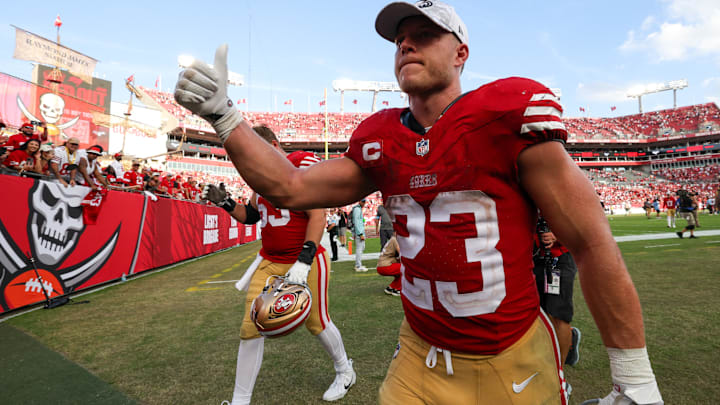
When electing to stock up on running backs, the first three of four should be sure-fire starters and contributors. The last three or four spots at the position should include at least one handcuff for insurance on an earlier pick, for example, Baltimore’s Derrick Henry owners should look at Keaton Mitchell, the San Francisco 49’ers Christian McCaffrey selectors should secure Isaac Guerendo, and Atlanta’s Bijan Robinson managers could look to Tyler Allgeier.
If your top pick goes down, having their backup can provide a temporary spike in production. Monitor situations like Miami, where De’Von Achane is nursing a soft tissue injury while rookie Ollie Gordon has been generating buzz with strong preseason performances.
Other backup running backs who could rise in value based on performance include Ray Davis (Bills), Jaydon Blue (Cowboys), and Jordan Mason (Vikings). Some uncertain backfields may warrant drafting a pair of backs from the same team, such as Jerome Ford and rookie Dylan Sampson (Browns) or Tony Pollard and Tyjae Spears (Titans).
At quarterback, consider late-round picks who could start due to age, injury concerns, or potential midseason changes. Options include rookie Jaxson Dart (Giants) as insurance for Russell Wilson and Jimmy Garoppolo as a backup to Matthew Stafford (Rams).
For riskier situations, Daniel Jones (Colts) and Joe Flacco (Browns) may not hold their jobs all season. Managers drafting Jones very late should consider Anthony Richardson, while those gambling on Flacco may want to stash rookie Shedeur Sanders.
More Fantasy Sports On SI News:
 Add us as a preferred source on Google
Jason Sarney is a seasoned sportswriter and NFL analyst with extensive experience in both professional sports and media. His work includes coverage of the Miami Dolphins for outlets such as DolphinsWire (USA Today) and Sports Illustrated, providing in-depth analysis, player interviews, and training camp coverage. In addition to his NFL and fantasy football coverage, Sarney has held professional roles with the NBA and New York Mets, offering a unique behind-the-scenes perspective. His work combines journalistic insight with a deep understanding of the professional sports landscape, making him a trusted voice for fans across platforms.