
The Caitlin Clark Effect Could Change How WNBA Dynasties Are Built
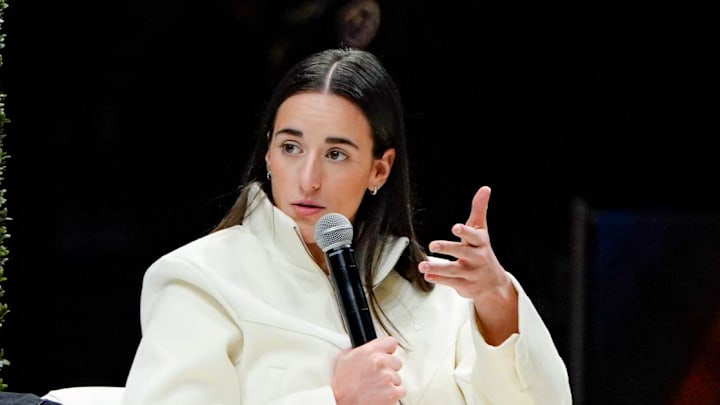
The Indiana Fever face a predicament when it comes to their salary cap.
Superstar guard Kelsey Mitchell (who the Fever recently gave a core designation to) is eligible for the veteran supermax, which means she could make up to $1.4 million in 2026. Aliyah Boston is eligible to make $1.19 million this season, as part of the new CBA's "EPIC" (Exceptional Performance on Initial Contract) provision.
Caitlin Clark is set to make $528,846 this year. Therefore, if these three players are earning those salaries they would account for nearly half of the $7 million salary cap, leaving the Fever with an available cap of just under $4 million for the rest of their roster. Lexie Hull is very likely coming back and will be in line for a hefty raise. Plus, there are players like Sophie Cunningham, who fans and her 2025 teammates would certainly want back. That doesn't leave a lot of money to fill out an entire roster, and will presumably mean a lot of players signing on veteran minimum contracts.
The situation gets even dicier in 2027, when Clark will be eligible for that same EPIC provision Boston is eligible for this season. This is why many believe 2026 is the year the Fever go all-in with Clark, Boston, and Mitchell (who could be on a one-year deal) locked-in on the roster together.

But what if these three stars make sacrifices when it comes to salaries?
Caitlin Clark's Stardom (and Ensuing Money) Could Offset WNBA Salary Needs
The Caitlin Clark effect is often quantified in ticket sales, merchandise, and TV ratings. And while all of those are fair and accurate ways to gauge No. 22's stardom, it isn't the only way.
Being in Clark's orbit by way of being her Fever teammate means much more visibility. This means more endorsement opportunities. This means more money made off the court, and perhaps a lesser incentive to take those maximum potential salaries.
Sophie Cunningham is the prime example of this. Her stardom skyrocketed because of her time playing alongside Clark and the Fever, to the point where her off-court earnings surely make her 2025 salary seem minuscule in comparison.
In other words, the prospect of taking a potential pay cut to play alongside Clark for the Fever (or Clark doing so herself) is potentially on the table. Not only because it will maximize the Fever's chances of winning a championship, but because the off-court money made due to the Caitlin Clark Effect would offset the decreased salary.
To be clear, it isn't this writer's place to tell any WNBA player to take a pay cut. They have earned and deserve that money. But that off-court financial incentive gives the Fever an advantage that no other WNBA team has to the same degree. And Fever players maximizing that advantage could be how this team becomes a dynasty.
 Add us as a preferred source on Google
Grant Young covers women’s basketball for Women’s Fastbreak and Indiana Fever On SI. His coverage centers on league trends and the growth of women’s basketball, both on and off the court. He also creates digital content focused on the sport’s biggest moments and personalities.
Follow GrvntYoung