
Hobby Education: 5 Questions To Ask Before Shipping a Sports Card
You just sold a card for $300, and the buyer pays immediately. You print the label, package it carefully, and drop it off the next day on your lunch break. As far as you're concerned, the transaction is complete.
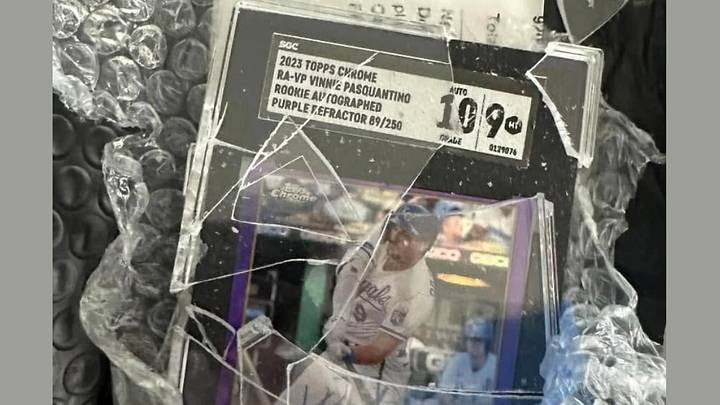
Then the tracking stops updating. Or maybe it says "Delivered," but the buyer insists nothing ever arrived, or that the package was empty.
Thankfully, those situations remain the exception rather than the rule. Every day, thousands of sports cards reach collectors safely. But before shipping any valuable card, experienced collectors take the time to ask themselves a few simple questions.

There's no single "best" way to ship every card. The right approach depends on factors like the value of the card, where it's being shipped, and how much risk you're willing to accept.
Every transaction is different, which is why experienced collectors think through their shipping strategy before packing the card and printing a label. In the interest of learning mistakes to avoid to get more joy or profit out of the hobby, let’s tackle common shipping issues.
Does My Shipping Method Match the Value of the Card?
One of the biggest misconceptions about shipping is that it begins after the buyer pays. In reality, many of the most important decisions happen much earlier—often when the listing is created.
A $3 card and a $3,000 card shouldn't necessarily be shipped the same way. As values increase, collectors often move from the eBay standard envelope or bubble mailers to consider additional protections such as signature confirmation, insurance, a different carrier, or, for especially valuable cards, even meeting in person.

The goal isn't to eliminate every risk—that's impossible. It's to make sure the level of protection matches what's inside the package.
What Could Go Wrong?
You don't have to expect something to go wrong, you just have to be prepared if it does.
Delays, damaged packages, delivery disputes, and missing shipments are uncommon, but each requires a different response depending on how the card was shipped and the protections you've chosen.

Thinking through those possibilities before printing a label helps ensure you've selected a shipping strategy you're comfortable with if the unexpected happens. It's much easier to prepare in advance than to figure out your options after a problem arises.
What Protections Am I Actually Relying On?
Many collectors assume they'll figure everything out if a shipment goes sideways. That's often when they discover they don't fully understand what protections they actually have.
Tracking, insurance, declared value, signature confirmation, and marketplace protections all serve different purposes. Rather than assuming you're covered, take a few minutes to understand what protections you're relying on, what they do, and just as importantly, what they don't.

Every carrier, marketplace and insurance provider approaches claims differently. Spending a few minutes reviewing those policies before shipping is far easier than trying to interpret them after something has gone wrong.
Does the Platform Change My Responsibilities?
Not every transaction comes with the same safeguards. Selling through eBay, consigning with an auction house, or selling on Facebook Marketplace or a hobby forum can all involve different expectations, protections, and responsibilities. International shipments may introduce another layer of complexity.
Understanding where your responsibilities begin and end—not just those of the carrier, but also the marketplace or platform facilitating the transaction—is an important part of choosing how to ship.
Would I Feel Comfortable Receiving This Package?
This may be the simplest question and also the most revealing.
If you were spending hundreds or thousands of dollars on the card you're shipping, would you feel confident in how it's being sent? Think of it as the “Golden Rule of Shipping”: ship the card to others as you would expect them to ship the card to you.

Looking at the transaction from the buyer's perspective often clarifies decisions about packaging, communication, tracking, and additional protection. It also helps build confidence before the package ever leaves your hands.
Every shipment involves some level of risk. The best shipping strategy isn't necessarily the cheapest or the fastest. It's the one that's appropriate for the card, the transaction and the level of protection both buyer and seller expect.
 Add us as a preferred source on Google
Lucas Mast is a writer based in California’s Bay Area, where he’s a season ticket holder for St. Mary’s basketball and a die-hard Stanford athletics fan. A lifelong collector of sneakers, sports cards, and pop culture, he also advises companies shaping the future of the hobby and sports. He’s driven by a curiosity about why people collect—and what those items reveal about the moments and memories that matter most.
Follow sneakrz