
The 6 Most Nostalgic Baseball Cards of the Junk Wax Era
In this story:
Collecting baseball cards was part of growing up. Cards helped shape core childhood memories that still feel vivid today.
Before cell phones, sharing the excitement of a big pull meant calling a friend’s house, waiting for his mom to answer, and asking for him so you could brag about the Cal Ripken card you’d just pulled.
RELATED: Cal Ripken Rookie Cards Soar in Price

Collecting cards in the 1980s and 1990s was about more than profit. It was about excitement, connection, and joy. Here are six cards that captured that spirit. Nostalgia is deeply personal, but these six cards are the ones most kids had, traded, and loved, and that still make us smile when we see them today.
1. 1985 Topps Mark McGwire #401 (Rookie Card)

Nostalgia Factor: This card is nostalgic for two different generations of baseball card collectors. For those who grew up during the 1980s, this card represents McGwire’s early career hype as part of the Bash Brothers with Jose Canseco. For collectors who grew up in the late 1990s, this card symbolizes the 1998 home run chase McGwire had with Sammy Sosa.
2. 1986 Donruss Jose Canseco Rookie Card

Nostalgia Factor: This was the “hottest” and most sought-after card of its time. In the late 1980s, this card was incredibly valuable in the secondary market, with some copies commanding prices of over $100, which was a fortune for a kid’s card collection.
Canseco was one half of the iconic “Bash Brothers,” and his raw power and chiseled physique made him a household name. His signature rookie card prominently features the distinct “Rated Rookie” logo, a coveted designation from Donruss that added a layer of prestige and coolness. It held a prominent and cherished spot in countless binders in the ’80s.
3. 1989 Fleer Bill Ripken “FF” Error Card

The 1989 Fleer Billy Ripken error card is highly nostalgic because of the scandal and humor surrounding the discovery of a visible F-Bomb (expletive) on the knob of his bat. Since baseball cards were marketed primarily to children, finding a widely known curse word on an official, licensed Major League Baseball card was shocking and exciting at the time.
It became an instant legend, a unique conversation piece, and the “king” of error cards in the late 1980s. The card’s discovery prompted Fleer to scramble and produce multiple “corrected” versions (using black boxes, white-out, or scribbles to cover the text). This led to a real-life treasure hunt for the original, uncensored version.
Billy Ripken was a solid, glove-first player, not an All-Star. The card’s legacy is entirely separate from his on-field performance. The card evokes feelings of humor and nostalgia for a time when even scandals felt simpler.
4. 1993 Topps Derek Jeter Rookie Card

Nostalgia Factor: This super common flagship rookie classic is a nostalgic card primarily because it allows fans to look back and remember the excitement of the “next big star” Jeter was at the start of the Yankees’ 1990s dynasty. Every kid seemed to have a few of these cards, and even the biggest Yankees haters respected the greatness of a young Jeter.
The simple 1993 Topps design helps make this card instantly recognizable to anyone who collected cards in the 1990s. The 1993 Topps set felt like the end of an era for collectors, coinciding with a period of significant change in the card market. Older-style mass production was on its way out, and the new era of premium, high-quality inserts was just beginning.
5. 1996 Topps Cal Ripken Jr. (2131) #96

This card commemorates one of the most memorable moments of the decade: Ripken breaking Lou Gehrig’s record for 2,130 consecutive games played. The emotional event was one of the most powerful moments in baseball history. The entire stadium erupted in a spontaneous, 22-minute standing ovation.
The card brings back a powerful memory for fans, as many credit Ripken for saving baseball just a year after the 1994 MLB players’ strike. The number “2131” is boldly featured, as the number is now synonymous with the symbolic virtue of showing up for work.
6. 1998 SkyBox Metal Universe Ken Griffey Jr.

These cards scream 1990s nostalgia. They perfectly embody the experimental and bold aesthetic of 1990s design. The unique artwork of these metal cards was reportedly created by Marvel artists, which gave them a “superhero-like” feel.
The sight of this card is enough to evoke the carefree feeling of the late 1990s. Even though the base Ken Griffey Jr. card is not particularly expensive, it’s one that all your childhood friends would have been jealous of in 1998.
Honorable Mentions:

Beyond the six cards above, there are countless others that spark the same kind of nostalgia. Here are a few honorable mentions that defined collecting for millions of kids in the 1980s and 1990s.
1984 Donruss Don Mattingly Rookie #248
1987 Topps Bo Jackson Future Stars #170
1989 Upper Deck Ken Griffey Jr. Rookie #1
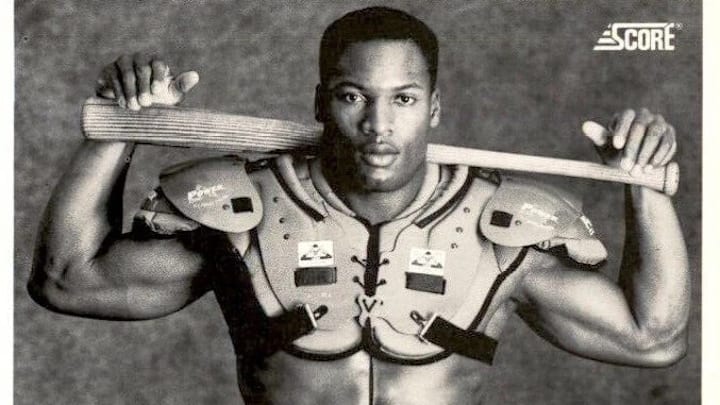
1990 Score Bo Jackson “Bo Knows” #697

1991 Upper Deck Michael Jordan Baseball Card #SP1
TOP TRENDING COLLECTIBLES ARTICLES:
 Add us as a preferred source on Google
David is a collector based in Georgia and a lifelong fan of the New York Yankees, New York Giants, and New York Knicks. He is an avid sports card collector with a strong passion for vintage baseball cards and vintage on-card autographs. David enjoys obtaining autographs through the mail and loves connecting with other knowledgeable collectors to discuss the history and evolution of the hobby. He also previously wrote about the New York Giants for GMENHQ.com