
F1 News: Mercedes Director Praises Lewis Hamilton And George Russell On Tackling W13
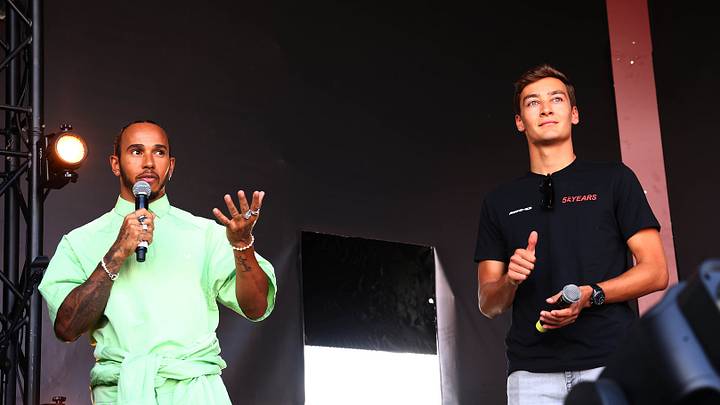
Mercedes trackside engineering director Andrew Shovlin has revealed why George Russell adapted to the troublesome W13 faster than Lewis Hamilton and how both drivers were able to put the team first to overcome the many problems with the car.
The W13 brought the team many issues during the 2022 season. They started off with major porpoising problems which left Hamilton with back injuries. Once they had been able to get the bouncing under control, it became apparent that it had been hiding a host of other issues with the car.
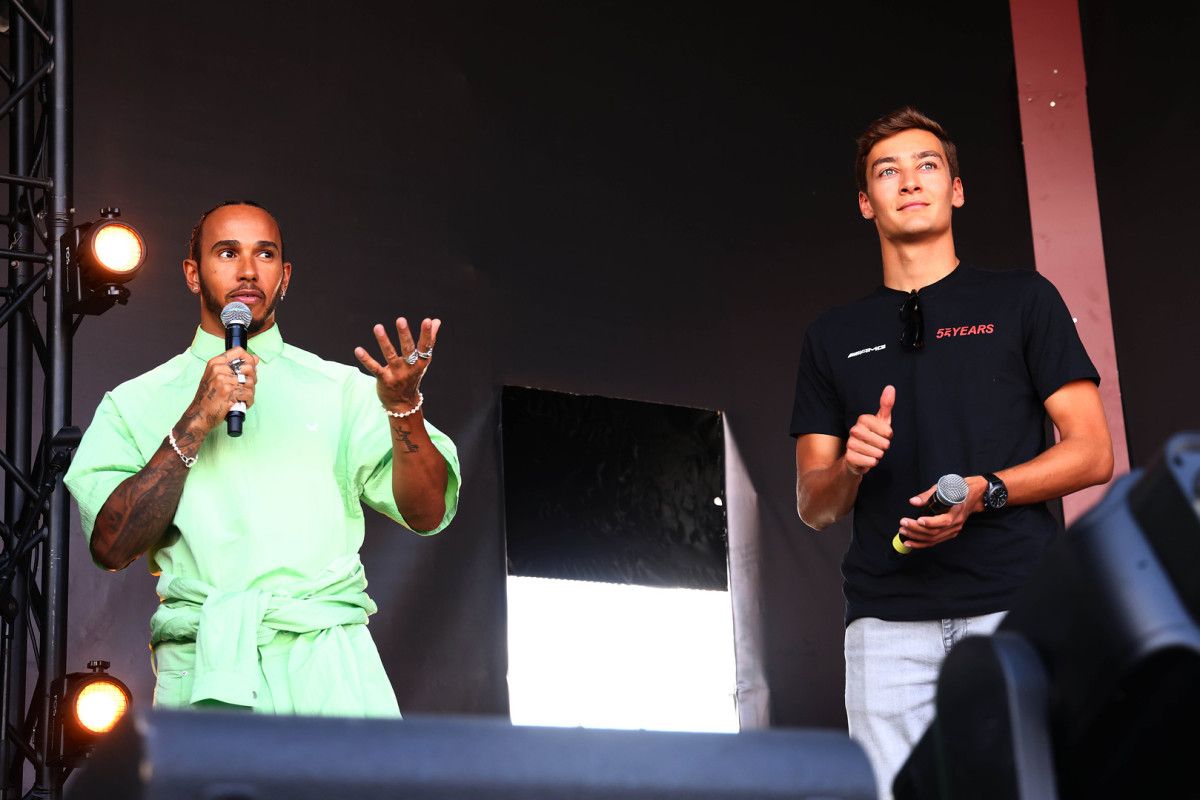
The team were able to make some significant developments towards the end of the year and Russell went on to take his first career win at the Brazilian Grand Prix, which was the first and only win for the team in the season.
Shovlin explained during an interview with Motorsport.com that he believes Russell's time with Williams made him more adaptive to the W13. He explained:
“The routes [of] Lewis through to that point and George through to that point were quite different. Lewis I think had a rather sort of sudden period of adjustment from a car that he knew that he could if he delivered what he was capable of he’d be fighting for the win at any given weekend.
“George, having come from Williams, I think his experience there probably put him in good stead to deal with the car we were racing and trying to qualify at the start of the year.
“I think there was an element with George where he was probably hoping the experience would be a bit more different from the one he was used too, but he was very good at just getting on with the challenge that was in front of him.
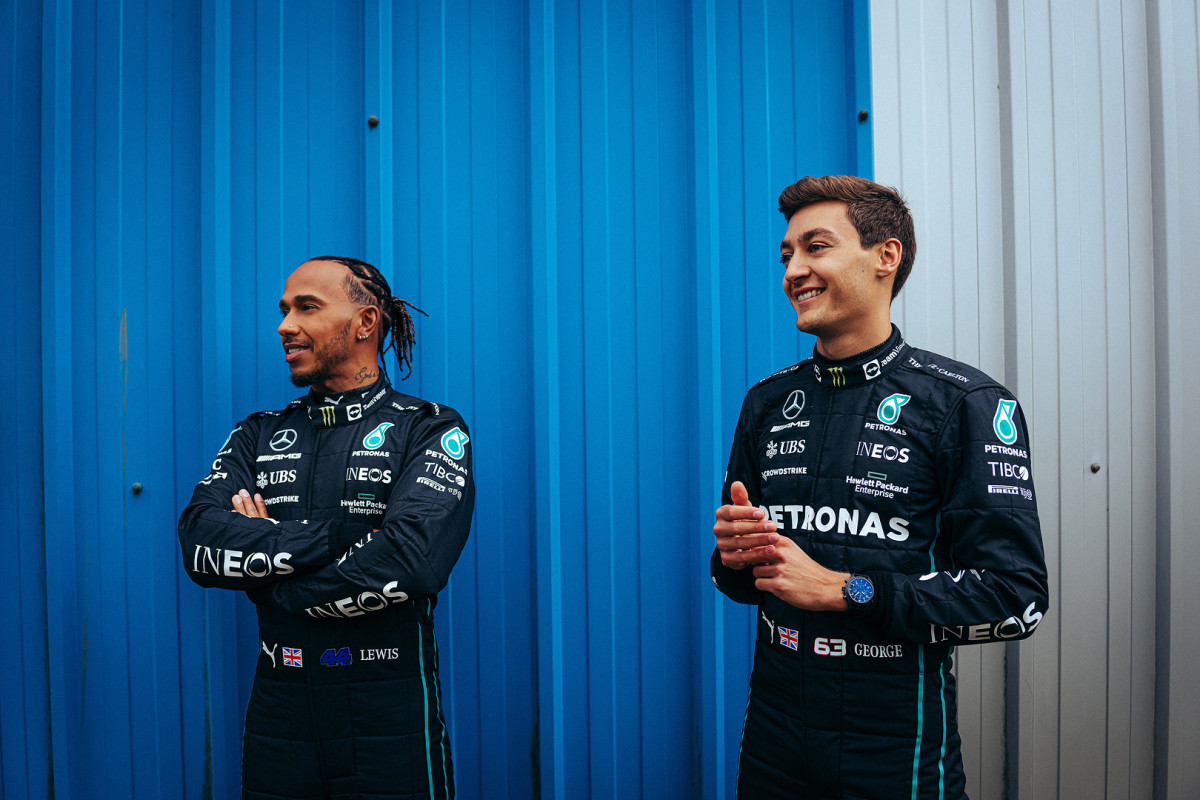
The engineer went on to explain how both of the drivers put in the work to get the team to a "better place". He added:
“And I think to be honest in the early part of the year, it probably was easier for George to adapt than it was for Lewis. What was nice to see almost straightaway was the two of them were working to put the team in a better place.
“The way they were working together, the way they were happy to share out the workload – the number one focus was on improving the car, not squabbling over who was going to finish fifth and who was going to finish sixth.
“And it’s nice that you’ve got that maturity within the drivers and maturity within the team because ultimately, the whole engineering group working together and the drivers working together is the way that you shortcut the time it takes you to get back to where you want to be.”
 Add us as a preferred source on Google

Lydia is the lead editor of F1 editorial. After following the sport for several years, she was finally able to attend the British Grand Prix in person in 2017. Since then, she's been addicted to not only the racing, but the atmosphere the fans bring to each event. She's a strong advocate for women in motorsport and a more diverse industry.
Follow LydiameeF1