
Understanding The Hobby: A Youth Guide to Trading Card Numbers
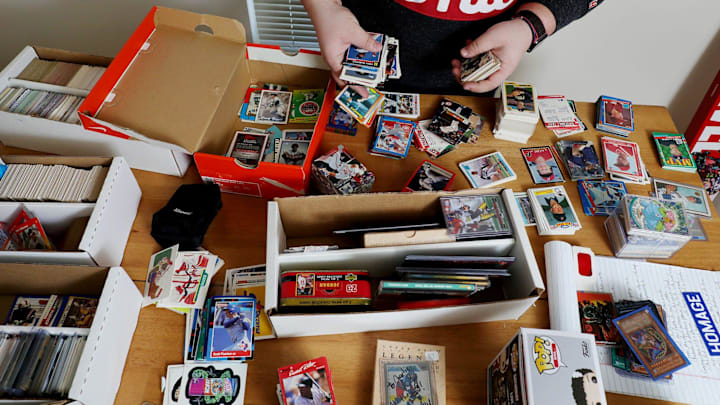
Collecting cards and sharing your collection with others are some of the best parts of being involved in a hobby. Whether you collect sports cards, Pokémon cards, or Disney cards, buying and trading with fellow collectors helps you grow your collection while connecting with other fans.
But before making a big purchase or completing a major trade, it's helpful to understand the numbers behind collecting.
Numbers play a huge role in the hobby. They can tell collectors about a card's value, rarity, and place within a set. Learning how to read these numbers can help young collectors make smarter decisions when buying or trading cards.
Card Numbers and Set Placement
Most cards include a number on the back. This number indicates the card's position within the set and helps identify which set it belongs to.
For example, if a card says "75", it means it is the 75th card in that particular set.
Card numbering has evolved over time. In the past, particular numbers like #1, #100, #200, and #300 were often reserved for the most popular/legendary players in the set. Because of that, many collectors look to those key numbers for which players to collect in a set.
The number on the back of the card can also help identify the year the card was released. This is important because cards from a player's first year, often called a rookie card, usually have a higher value than those from later years of their career.
Letters Instead of Numbers
Not every card will have a traditional number. Some insert cards, especially jersey cards or autograph cards, use letters instead. These letters often represent the player's initials and or the name of the insert set.
For example, an autograph card of Aaron Judge from an insert set named "Authentic Autographs" may be identified as AA-AJ, AA for the name of the set and AJ for Aaron Judge's initials.
Knowing the Size of a Set
Each card set contains a specific number of cards. Some sets may include 100 cards, while others may have 300 or more. Understanding how many cards are in a set can help collectors track which cards they already have and which ones they still need.
This information becomes especially important if you are trying to complete an entire set or every card of a specific player or team. When collectors are close to finishing a set, they may be willing to trade more or pay extra for the final card they need.
Serial Numbers and Rarity
Some cards also include serial numbers that indicate exactly how many copies of that card exist.
For example:
-33/499 means the card is 33 out of 499 total copies of that specific version of the card
-15/100 means the card is 15 out of 100 total copies of that specific version of the card
Some cards are extremely rare and are labeled 1/1, meaning only one copy of that specific version exists. These "one of one" cards can be very valuable because collectors value owning and knowing they are the only person in the world to possess that exact card.
For example, a collector who focuses their collection on Paul Skenes cards might try to track down every rare version of his cards, especially unique 1/1 cards.
Learning the Numbers Makes Collecting More Fun
At the end of the day, collecting cards should always be about having fun and helping collectors build their collections. By paying attention to card numbers, serial numbers, and release years, young collectors can make smarter trades, avoid mistakes, and enjoy the hobby even more.
The more you learn about how cards work, the more confident you'll feel when buying, trading, and expanding your collection.
 Add us as a preferred source on Google
P. Arvin Parker is a lifelong collector of all things sports and pop culture. He is a Minnesotan, a Veteran, and an Ojibwe man who lives and dies by all things Minnesota. After spending the last 20 years working in the mental health field, he has reignited his love for collecting. His passion for the hobby centers on the people and stories of the world of collectibles.