
Hobby Education: 1993 Topps Finest Baseball Retrospective
In this story:
With the 2026 edition of Topps Finest Baseball soon to be released, it reminds some in the hobby of the debut edition back in 1993. Back then, the product was an innovation, something that some had never seen before. It brought intrigue and eye appeal to a level not reached up to that point and left a massive impact on that is still felt today. Aside from the cards themselves, sealed boxes still fetch thousands of dollars. What might have been viewed as a "gimmick" by some in 1993 has stuck around for many years now.

Here is a look back at 1993 Topps Finest Baseball and why it is important within the hobby.
The Hobby in 1993 and the Impact of Topps Finest
Some collectors in today's hobby might not have been collecting back in 1993, or even on the planet. Therefore, it is important to understand what the hobby was like at the time. It was drastically different from today, with multiple companies competing against one another, and every single product was a paper product. There was no Chrome, scarce autographed cards, and no jersey cards. To many, collecting was buying a pack and keeping cards of your favorite team or player. To some, it was putting a set together. This was also towards the end of the junk wax era, so the product was widely available.

When Topps Finest rolled in, it changed everything. The base cards even captivated collectors, as they featured a chrome-style finish that up to that point had not been seen. The cards themselves feature the player front and center, with the words "Baseball's Finest" at the top. The bottom of the cards featured the Topps logo and the player's name. A simple design for sure, but the base design is not the strength of the product. It should be noted that there were no inserts in the release (other than a box topper) - it focused on and relied on its natural appeal.

1993 Topps Finest Leads to the Rise of Refractors
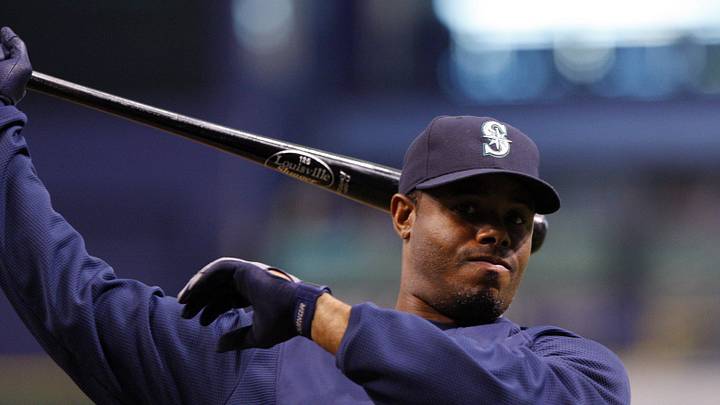
1993 Topps Finest set itself apart from other products at the time and paved the way for today's hobby with its inclusion of Refractors. This marked the first time that Refractors were included in a release, and collectors set out to find them upon release. Even today, Refractors from the 1993 set can command a high price when top players are involved. The Ken Griffey Jr Refractor sold recently for a strong $6,100. Refractors of common players are still collectible, given the product's first year.

It goes without saying that Refractors are a key part of many releases in 2026, and have been for a number of years. Topps Chrome did not arrive until 1996, and helped carry on the value and tradition of the Refractor technology that originated in Topps Finest. Now, there can sometimes be no shortage of colored refractors, ranging from red to green to blue, and in some cases, tacos. This will be one of the lasting legacies of 1993 Topps Finest, and it is pivotal that collectors understand its impact.

1993 Topps Finest was a landmark set in the hobby, and led to the rise of Refractors within the sports card hobby. The set still holds good value, especially when considering sealed boxes and top Refractors. Today, the hobby has been shaped by it, and its legacy will live on.
 Add us as a preferred source on Google
Dylan is a collector based in Central Pennsylvania, and sports fan rooting for the Indianapolis Colts, Pittsburgh Pirates, and LA Lakers. He is currently attempting to collect a complete run of Topps flagship sets across football, baseball, and basketball. He is passionate about the history of the hobby including its continual growth and evolution.