
Hobby U: Provenance, What it means and why it matters for cards
In this story:
You may have heard the term “provenance” thrown around by a few sophisticated and high brow individuals in the art and collectibles space. The term is just a fancy way to declare an items ownership history. It really only matters if a prior owner was someone famous or noteworthy, like the great Wayne Gretzky or the late Kobe Bryant.
As earlier mentioned, provenance is more often used in the art world than in the collectibles space, but it’s starting to show up more frequently as interest in collectibles continues to grow. In some instances, you may hear people say “pedigree”, “chain of title”, or simply “ownership history” but its all the same thing: a documented record of ownership.
RELATED: 8 Elite Shaq Cards to Collect
Why Provenance Matters for Collectibles
Provenance as a concept has deep roots, the two most important elements of which are ensuring authenticity and adding a certain cool factor to the object. Before grading services existed, knowing where a piece of aft or where a rare collectible came from helped to ensure it was authentic.
Today professional grading service companies like PSA and Beckett take the guess work out authenticating items, but provenance still adds a little je ne sais quoi if a prior owner was someone famous or cool.
RELATED: Kobe's Childhood Sports Illustrated featuring Michael Jordan Shatters Record

For instance, if you're a fan of Shark Tank, maybe you think its cool that Kevin O'Leary (also know as Mr. Wonderful), is one of the owners of the most expensive sports card ever, which may add to the alure and the value of the card.
Notable Examples of Provenance in Collectibles
RELATED: Pokémon Card Sets Record with Thunderous Sale
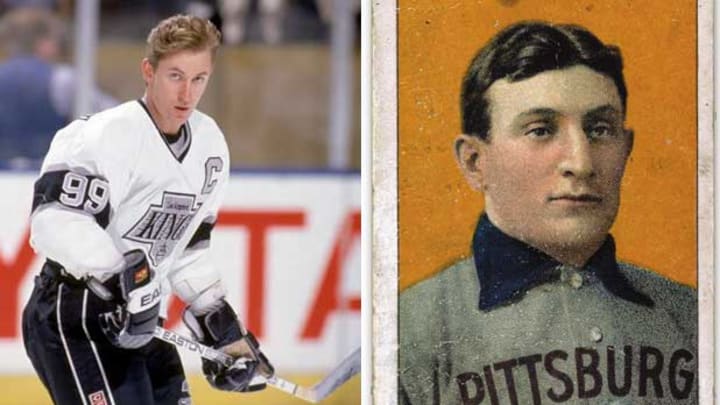
Until recently, the most well known example of provenance in the collectibles space was THE T206 Honus Wagner card, often refereed to as the “Gretzky T206 Wagner" because the Great One, along with former L.A. Kings owner Bruce McNall, bought it back in 1991 for $451K. This was the first card to ever break the $1M mark when it sold for $1.27M in 2000.

The T206 Honus Wagner is considered one of the holy grail cards in the collectibles space due to its scarcity, its significance among collectors, and its boost in popularity thanks to Gretzky.
A more recent example of provenance was the recent sale of a Sports Illustrated featuring Michael Jordan on the cover and assumed to have been owned by Kobe Bryant, due to the presence of a label clearly showing Bryant’s name and Wynnewood, PA address. The June 22nd,1992 edition of Sports Illustrated, with a CGC grade of 4.5, sold in September, 2025 for just shy of $60K, the most ever for an unsigned subscription copy of Sports Illustrated.

One new wrinkle to the concept of provenance is someone taking a collectible, like a card, and adding to it or enhancing it. This is exactly what professional wrestler Logan Paul did to a Pokémon card when he encased it in an $80K custom diamond pendant and wore it to his WWE debut.

Its an outlandish move by Paul and who knows how it will play out if or when he tries to sell it, but it certainly makes an already rare Pokémon card a lot more unique.
Whether its a legendary hockey player owning a grail baseball card, or a polarizing wrestler glitzing up a Pokémon card, provenance is simply a record of ownership. How much a past owner influences the price of a collectible all depends on the story that ownership tells.
TOP TRENDING COLLECTIBLES ARTICLES:
 Add us as a preferred source on Google
Conor is a leading sports collectibles writer and market analyst with more than 100 published articles covering sports cards, Pokémon, auctions, investing trends, and hobby culture. A lifelong collector who entered the hobby in the early 1990s, Conor’s expertise centers on vintage and modern basketball cards, basketball icons, and iconic Boston sports memorabilia tied to legends like Larry Bird, Tom Brady, and David Ortiz.