
PSA Backlog Falls to 12 Million: What It Means for Card Grading in 2026
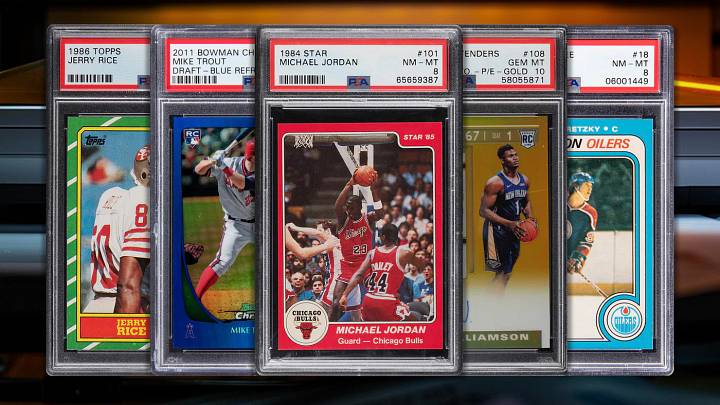
On Tuesday afternoon, PSA announced on social channels that the new submissions they’ve received have been “fewer than anticipated”. They also said their current backlog is down to 12 million and is trending down. The PSA grading team has been busy “working overtime and weekends” to make progress on the backlog.
While submissions from the spike we saw following our pause announcement are still arriving, we have received fewer than anticipated. Our current backlog is at approximately 12 million units and trending down, as our operations team is working overtime and weekends to ensure…
— PSAcard (@PSAcard) June 30, 2026
Responses to the recent X post have mostly come from customers frustrated that their orders are weeks or months past their estimated completion date. Yet to their credit, PSA is responding to most comments with updates, albeit generic ones.
This announcement comes roughly one month after the official announcement on the PSA site. That initial announcement on May 28th provided customers with an update on the temporary pause on all new submissions for value-tier services (including Value Bulk, Value Plus, and Value Max), which officially started on June 2, 2026.
Why PSA Hit Pause
On May 14, PSA announced a massive $200 million investment, which led to a surge in submissions. Initial reports from PSA said the backlog was roughly 10 million cards; however, a later update on June 9 revealed the backlog was closer to 14 million cards.
After announcing a temporary pause to Value tiers in order to protect the submissions already in our care, we saw another surge in submissions which pushed our active queue to nearly 14 million cards.
— PSAcard (@PSAcard) June 9, 2026
We also made a commitment to transparency, which is why we’ve launched the PSA…
The June 9 tweet also included information and a link to their PSA Backlog Tracker, which features a simple bar chart and sporadic updates on progress being made.

Reopening Depends on Progress, Not Dates
The value tiers are expected to return once the backlog drops to roughly 5 million cards. Yesterday's post, which includes the most recent update, shows that PSA appears committed to regular updates as it works to handle the backlog.

Looking at past Gemrate reports for grading data, it looks like PSA can handle around two million cards per month, but given the all-hands-on-deck approach they've mentioned, this may boost grading production by another 20%. Assuming they can grade 2.4 million per month and that submissions have dropped to near zero, they will likely target an October re-opening.
What Collectors Should Watch Next
Many collectors will be paying extra attention to the June GemRate report to see how card-grading volumes may have shifted during the PSA pause. With the value tiers on ice for at least the next few months, budget-conscious collectors only have two options: sit and wait or find another more affordable grading company.
Grading Landscape in 2026
While PSA is widely regarded as the gold standard in the grading and authentication space, there are several notable alternatives. However, two of the other grading organizations are owned by PSA's parent company, Collectors Universe.

The May GemRate data makes one thing clear: PSA is far and away the dominant force in the grading space. In 2023, Collectors acquired SGC, and in 2025, they acquired Beckett, which typically ranks third in grading market share.
Grading companies not under the Collectors umbrella include CGC, TAG, and up-and-coming C3 Grading. CGC is the second-largest player by market share, and while they grade cards en masse, they are also well-known for grading magazines and comics.

TAG continues to grow and is consistently grading 50,000+ cards per month, but they are currently at capacity for their lowest-priced grading options. That leaves C3 Grading, the most affordable option, which Mantle recognized last year as one of the best grading companies in 2025.
The longer PSA stays paused, the more opportunity rivals have to reshape the grading hierarchy for good. At some point, collectors may need to ask whether this pause is less about backlog management and more about a strategic move toward higher-end collectibles.
 Add us as a preferred source on Google
Conor is a leading sports collectibles writer and market analyst with more than 100 published articles covering sports cards, Pokémon, auctions, investing trends, and hobby culture. A lifelong collector who entered the hobby in the early 1990s, Conor’s expertise centers on vintage and modern basketball cards, basketball icons, and iconic Boston sports memorabilia tied to legends like Larry Bird, Tom Brady, and David Ortiz.