
The NCAA eligibility rule changes and what it means for K-State basketball looking ahead
In this story:
The NCAA approved an age-based eligibility model last week, establishing a single five-year eligibility period tied to age and college enrollment. The new rule eliminates redshirts, including medical hardships, as well as eligibility extension waivers that have become prevalent in college athletics in recent years.
Student athletes whose eligibility was exhausted at the end of the 2025-26 academic year do not qualify for an extra year, which will presumably lead to numerous legal appeals from athletes who wish to gain one more year of eligibility.
The transition to the age-based rule will depend on the student-athlete’s status and enrollment timeline. Current student-athletes who did not exhaust their eligibility or seasons of competition in the 2025-26 academic year will receive the better outcome under either the previous rules or the new age-based rule. Schools will be responsible for evaluating each current student-athlete’s circumstances and applying the rule that serves each individual best.
I wrote last week what this change could mean for K-State football, as 40 players on the Wildcats' roster gained an extra year of eligibility under the new rule, including quarterback Avery Johnson. Now let's break down how the change could benefit K-State basketball.
What this change means for K-State basketball looking ahead:
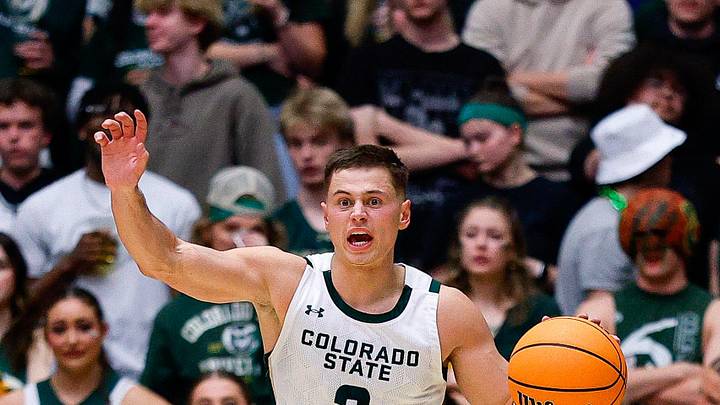
One of the biggest additions first-year head coach Casey Alexander landed in the transfer portal was Brandon Rechsteiner. The 6-foot-1 guard averaged 12 points per game while shooting 45% from the floor, including 40% from 3 on 215 attempts during his one season at Colorado State in 2025-26. He was ranked the No. 204 player in the entire transfer portal and the 33rd-best point guard to enter the portal this past offseason, according to On3's transfer portal rankings.
Due to the new NCAA eligibility rule changes, Rechsteiner, who spent his first two seasons of college basketball at Virginia Tech, now has two years of eligibility remaining. This could be significant for Alexander. He and his staff have spoken highly of Rechsteiner this offseason, and the Wildcats' head coach has also emphasized the importance of familiarity and roster continuity. The possibility of Rechsteiner returning for the 2027-28 season would be a welcome sight for Alexander.
Rechsteiner is the only player on the 2026-27 roster whose eligibility was set to expire following the upcoming season and will now have an additional year due to the rule change. Other seniors on the roster, which includes guard Jaden Schutt and wing Dez Lindsay, are headed into their fifth season of college basketball and will not gain another year.
However, several other Wildcats do benefit from the rule change. Montana Wheeler, who averaged 8.5 points and 2.8 assists as a true freshman at Bradley during the 2025-26 season, now has four years of eligibility remaining instead of 3.
Isaiah Abraham, a 6-foot-7 wing now has three years of eligibility remaining instead of two. Abraham signed with UConn out of high school before transferring to Georgetown, where he started 31 games last season.
Center Pape N'Diaye, who transferred to K-State from Xavier this offseason, will now have three years remaining instead of two.
Center JT Rock already redshirted when he was at Iowa State and does not benefit from the change. Nor does forward Matt Gilhool, who redshirted at LSU last season and has four years of eligibility remaining. Murray State transfer Brock Vice has also used a redshirt already and has two years remaining.
 Add us as a preferred source on Google
K-State grad serving as the co-host of 3MAW, a K-State podcast on KC Sports Network. Previously covered K-State as the beat writer for the Manhattan Mercury. KC Sports Network is the premier destination for Kansas City sports fans with podcasts, YouTube and social media content. Stay connected with the latest news and analysis by following KCSN on all social media platforms.
Follow kstate_kcsn