
Topps Evolution of All-Star Baseball Cards From Vintage '50s to Modern Sets
In this story:
On the company's 75th anniversary of producing baseball cards, Topps has an unusual relationship with All-Stars. Not recognized in the company's first seven sets, Topps brought the All-Star card into relevance in 1958, dropped it again after 1962, brought it back again, tried a few modern wrinkles, and ultimately moved All-Star cards into All-Star Game cards in the flagship update set. It's been a long and unusual ride. Here are some of the notable points and highlights.
Early Highlights-- and then disappearance
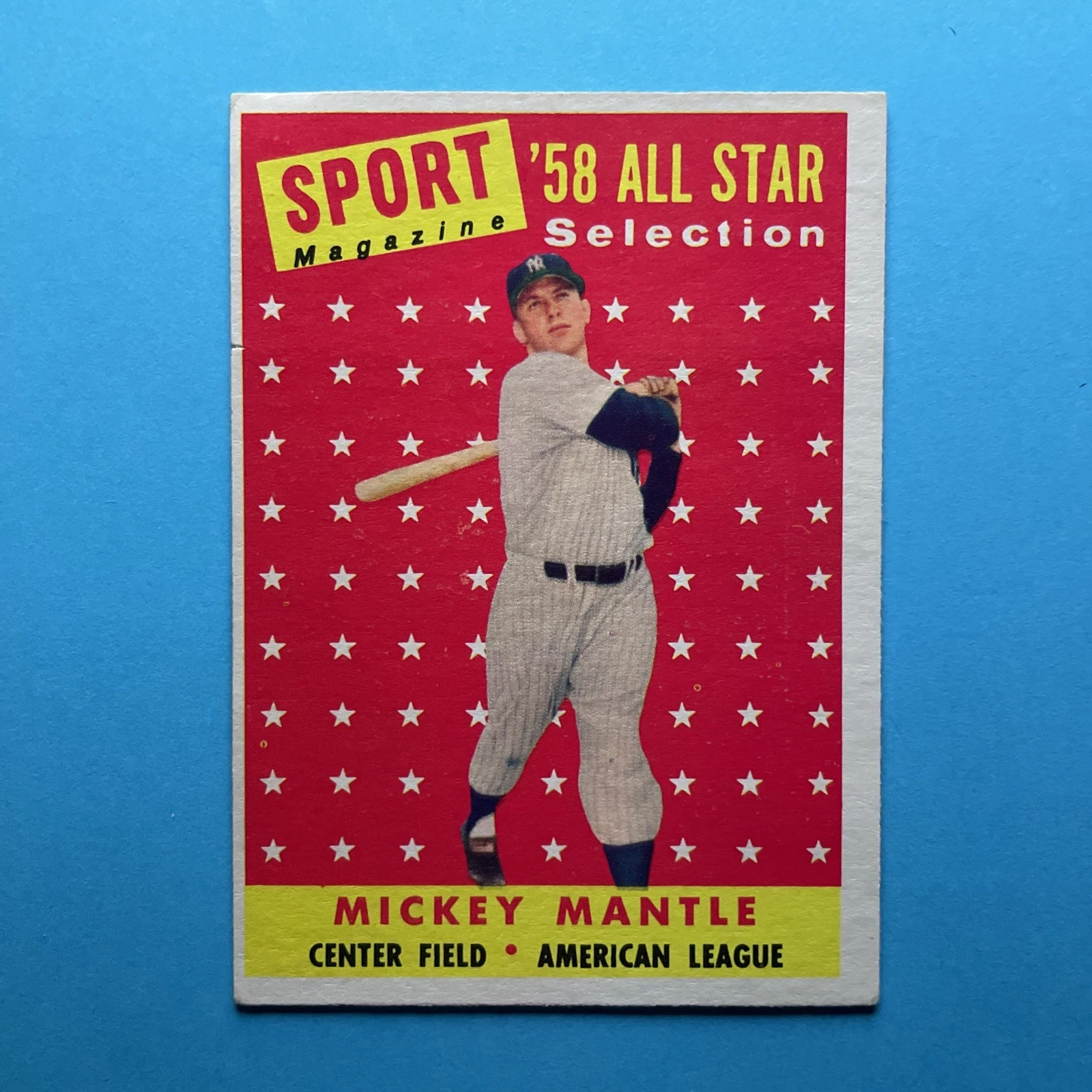
The original 1958 set was a revelation-- a second card in the Topps set for Mantle, Mays, Aaron, and the other stars of the day-- a final Topps card for Ted Williams, a first for Stan Musial. The iconic red and blue backgrounds with yellow stars has been oft-repeated by Topps itself.
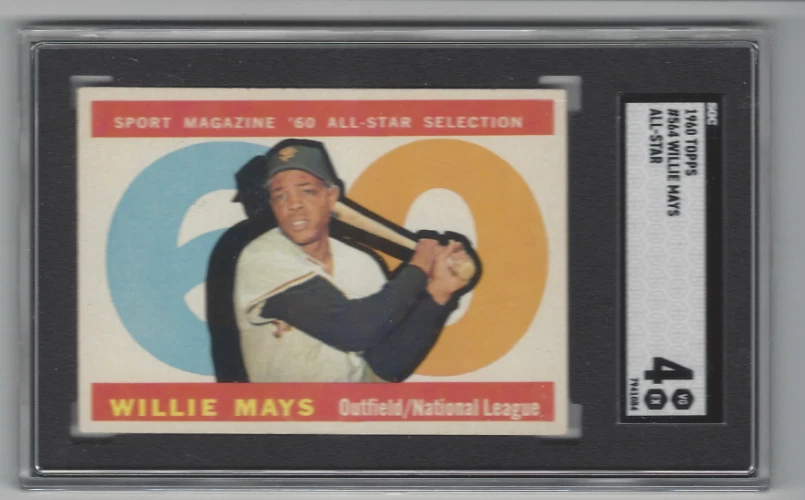
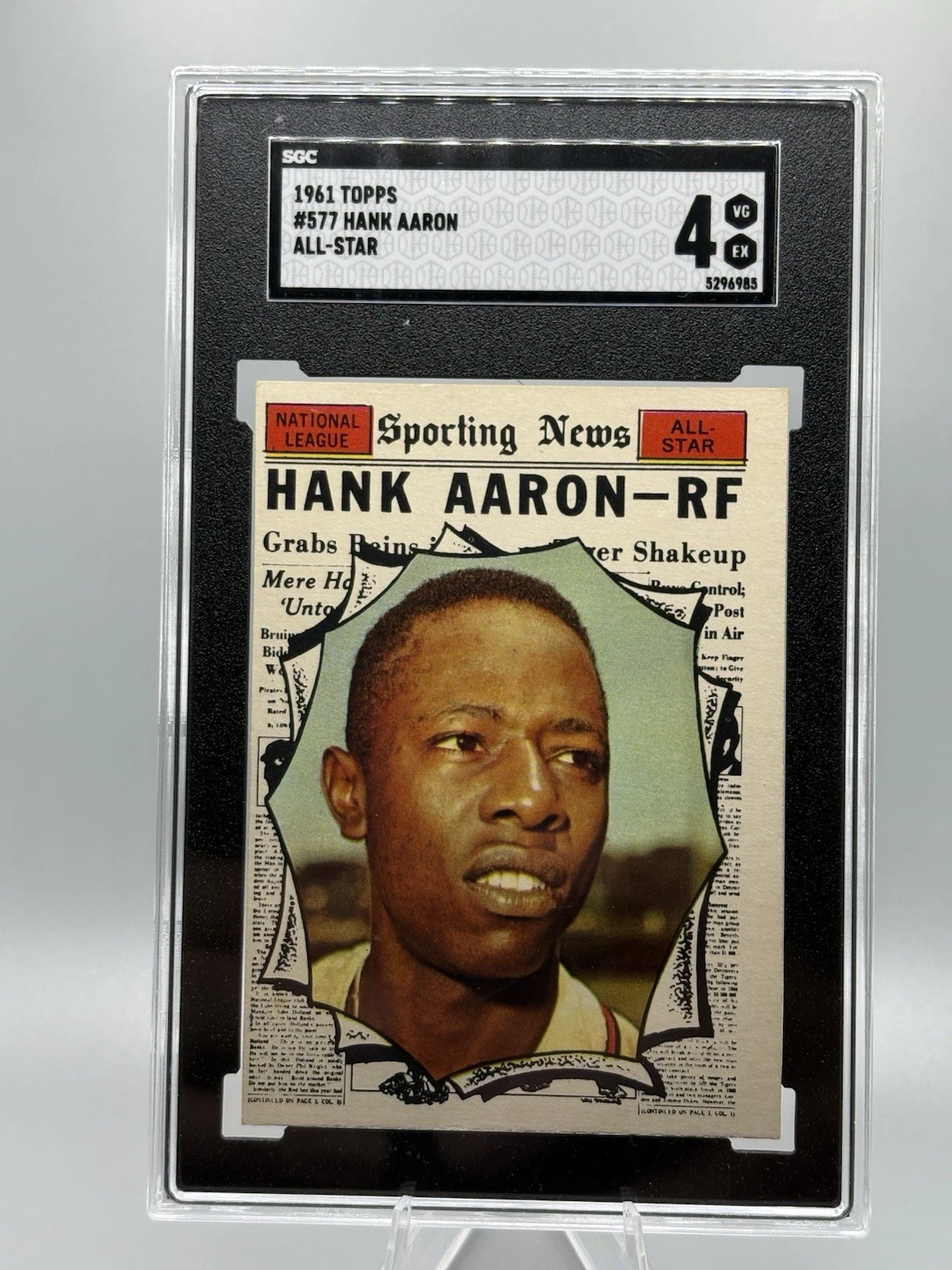
Topps kept up with bright new designs in 1959 and 1960. The iconic "60" background for the latter set is another clean, classy Topps look. The company had affiliated with Sport Magazine for the 1958 All-Stars (and did again in 1960), but switched to The Sporting News for 1959. That connection was emphasized in the "newspaper" 1961 All-Stars, a look so popular that Topps basically copied it again in 1970.
With the 1962 set, Topps used its generic wood-grain design for the All-Stars and then shelved the cards until 1968. The late '60s saw the return of the All-Stars and a return to some more creative designs like the classic 1969 All-Stars.
New Looks and Two-in-ones
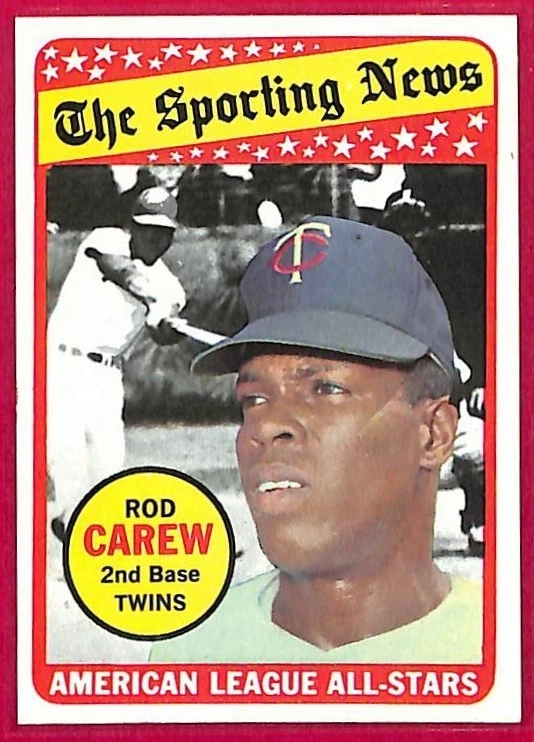
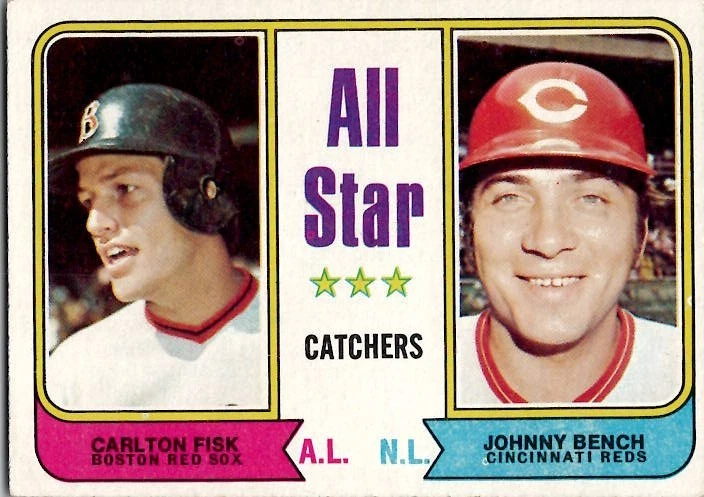
Stripped away again after 1970, the All-Stars returned in 1974 with a two-stars look that Topps liked so much that it brought it back once again in the mid-1990s. The notable point of the late '70s cards, which just featured an extra design touch on the base cards themselves, is that Topps failed three times to include one All-Star, giving fans 17 All-Star cards. Missing Reggie Jackson in 1975 was probably a bigger deal than missing Richie Zisk in 1978.
Changing Times, changing names
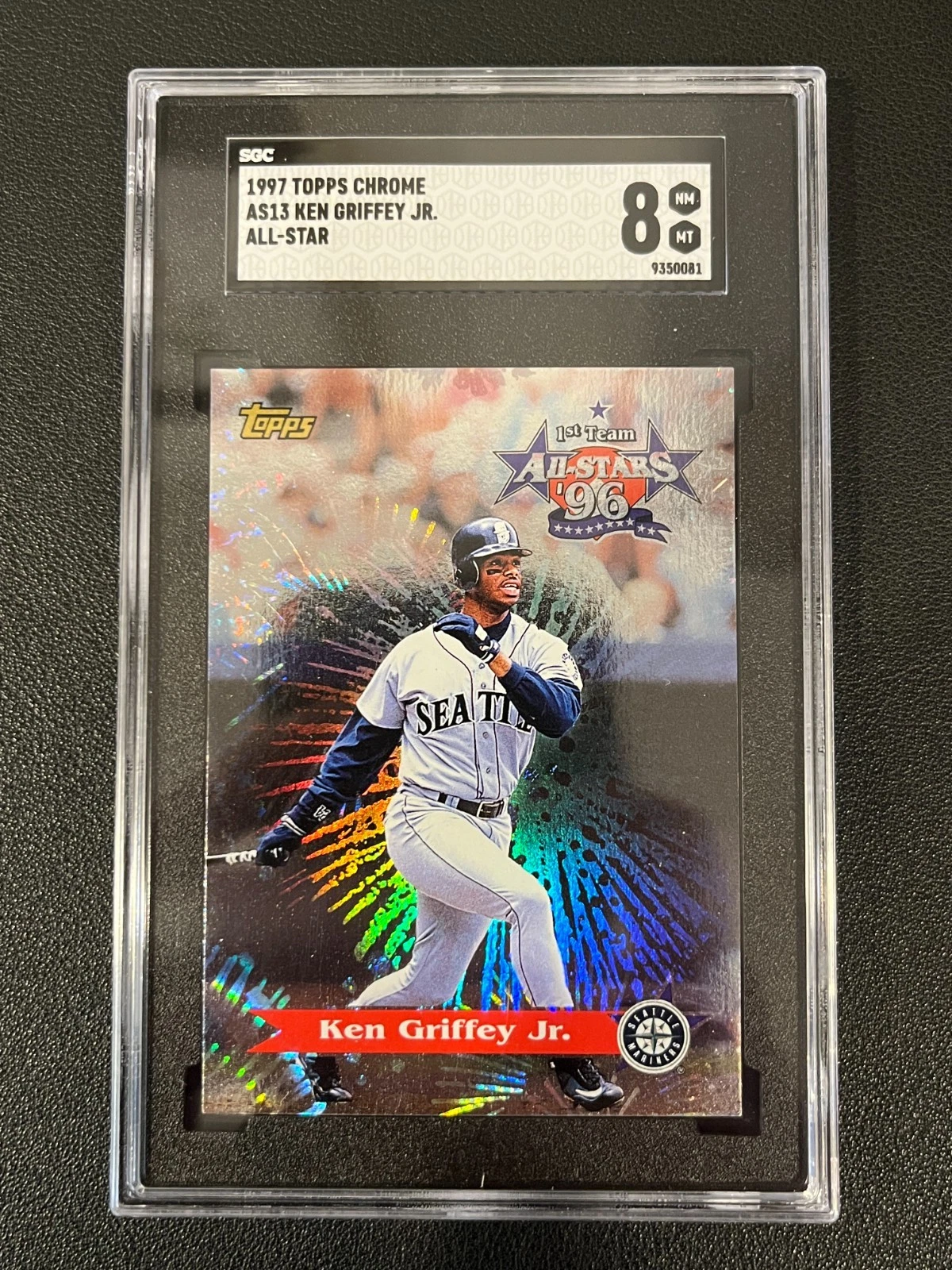
After dropping the All-Stars in 1996, Topps produced the 1997 All-Star cards solely as a limited insert. The company also skipped 1998, and then returned in 1999 with All-Star cards under a series of different names. First they were "All-Topps", then in 2001, "Star Gallery" and in 2002, the "All-World Team."
Update Set feature
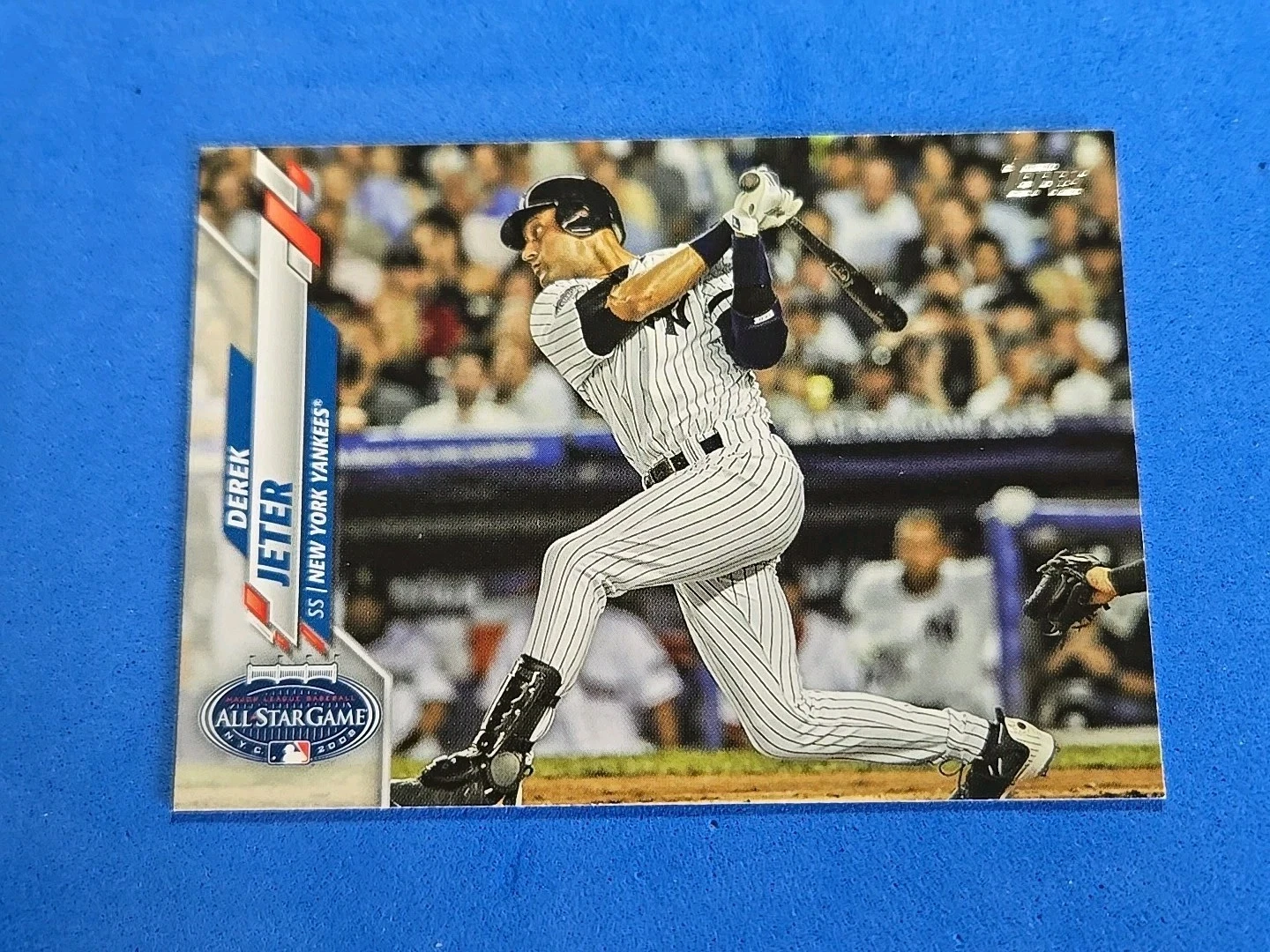
Starting in 2006, Topps began printing All-Star Game cards rather than just cards of All-Stars. These were included in the company's Update set and allowed Topps to recognize not just a starting lineup but the entire All-Star roster, and even sometimes, players who weren't chosen as All-Stars. The cancellation of the 2020 All-Star Game due to the COVID-19 pandemic was a hiccup, but Topps used the opportunity to highlight stars of the present and all-stars of the past.
Given the history of All-Star cards, predicting the future would be nearly impossible. Twists and turns in the chronicling of the mid-season classic are likely, and some great cards should ensue.
TOP TRENDING COLLECTIBLES ARTICLES:
 Add us as a preferred source on Google
Joe is a journalist and writer who covers college and professional sports. He has written or co-written over a dozen sports books, including several regional best sellers. His last book, A Fine Team Man, is about Jackie Robinson and the lives he changed. Joe has been a guest on MLB Network, the Paul Finebaum show and numerous other television and radio shows. He has been inside MLB dugouts, covered bowl games and conference tournaments with Saturday Down South and still loves telling the stories of sports past and present.