
UNC Red Zone Report: Why Drives Succeeded or Stalled
In this story:
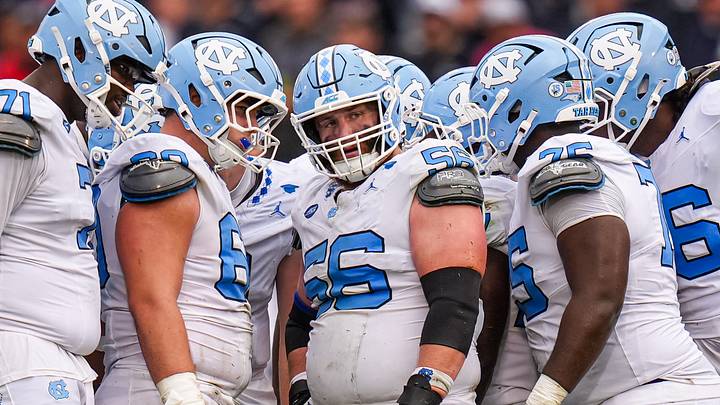
The North Carolina Tar Heels ended their two-game losing streak with a 38-21 win over the UConn Huskies on Saturday.
It took a while for the offense to find its footing in this game, especially for Billy Edwards Jr. The veteran signal caller threw an interception on the opening drive and was dangerously close to throwing another on the next.
North Carolina eventually figured things out, and without diving too deeply into it, let's look at what contributed to its successes and failures in the red zone.
What Led to Red Zone Success
Third-Down Efficiency

More often than not, the Tar Heels faced third-down situations, but they went 9-for-16. Converting 56.3 percent of third downs is not out of this world, but it's a major factor in sustaining drives. Three of those third-down conversions were touchdown plays. Jelani Thurman was on the receiving end of two of those near the goal line.
When an offense can consistently move the chains on third downs, it's a backbreaker for the defense. That was certainly a factor in the Tar Heels' win and a significant reason the red-zone success was robust.
Defense Creating Turnovers


Generating takeaways has been non-existent for the Tar Heels' defense over the last several weeks. This unit forced three turnovers, and two of those occurred deep in UConn's territory, setting up the offense in advantageous situations.

The first one occurred in the second quarter when Kalieb Osborne fumbled the ball on a scramble. It took four plays to capitalize on the fumble, as Edwards Jr. connected with Jordan Shipp for a six-yard touchdown. Late in the fourth quarter, defensive back Jalon Thompson picked off Osborne. Edwards Jr. and the offense maneuvered down the field, eventually capping off the drive with another touchdown pass to Thurman. This score cemented the win and put the game out of reach.
Why Drives Stalled
Quite frankly, when the offense failed to move the ball, it came down to Edwards Jr. missing rudimentary passes. Unfortunately, it happened way too often on Saturday. Now, it didn't harm North Carolina in the end, but those miscues have been a constant variable throughout the season.
Making Adjustments
Like we've said all season, the solutions are easily attainable. It comes down to execution and making the plays when they're there. Obviously, there are times the offensive line doesn't hold up in protection or the rushing attack is dormant, but Edwards Jr. is the source of the offense's woes for large stretches.
Bobby Petrino's scheme and play-calling have opened up rushing lanes and vacant space on all three levels of the field with exotic route combinations. The answers are there; it comes down to Edwards Jr.
 Add us as a preferred source on Google

Logan Lazarczyk is a graduate of the University of Missouri-Kansas City, where he earned a Bachelor of Arts in Communication Studies with an emphasis in Journalism. Logan joined our team with extensive experience, having previously written and worked for media entities such as USA Today and Union Broadcasting.