
Hobby U: Upgrade your card grades?
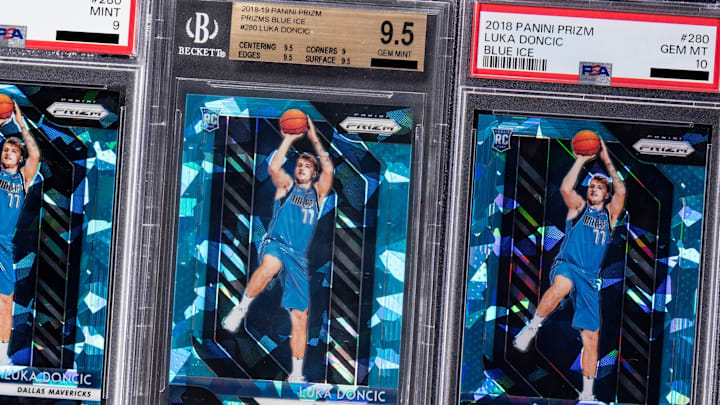
In short-term sports card investing, or "flipping," there are many ways to make money with sports cards. Most successful flippers have learned how to spot opportunities for quick returns, whether by closely following the market changes or any other strategy to increase profit in a short amount of time. In this article, we’ll look at the grading and regrading method, an avenue that can offer opportunities for those who understand how different grading companies set their standards.
RELATED: Hobby U: How to submit cards for grading
❓Hobby Question❓
— JP Cards 27 (@jpcards27) August 27, 2025
Immaculate patch auto cards: do you prefer them to be graded by Beckett or PSA?#thehobby 🦖 pic.twitter.com/RhpDdoFT3H
This strategy is usually centered around looking to buy already graded cards that have been undergraded and can earn a higher grade if submitted to a different grading company. For example, a card might be listed as a PSA 9, but after careful inspection, a buyer might determine it’s flawless except for minor whitening on a corner that led to the 9 grade. That buyer may purchase the card, crack it out of its PSA case, and resubmit it to BGS, confident that it could receive a 9.5 under BGS’s grading guidelines. Just keep in mind that if you consider this strategy, it’s important to contact the original grading company and ask them to deactivate the certification to avoid misrepresenting the card’s population count.
🔥🔥🔥 crack & crossover 🔥🔥🔥
— 𝖘𝖚𝖗𝖌𝖎𝖊𝖇𝖔𝖎 (@surgieboi) August 20, 2025
SGC 9.5 → PSA 10 💎 pic.twitter.com/pzKuaal9BV
Along the same lines, investors who are well-versed in grading often aim for raw cards that they believe may receive a high grade. For example, a dealer at a card show may look at a card that's slightly off-centered on the back and decide to sell it raw, assuming that it won’t grade well. Someone with a good understanding of the grading standards, however, might recognize that, under BGS grading, a card can receive a 9.5 with 60/40 centering, as long as it’s on the back. This person may then buy the raw card at a discount, submit it for grading, and sell it for much more if it gets the expected grade.
It’s important to note that you won’t always get the grade you expect, even if the card looks clean, because grading is never guaranteed. You should also remember that grading standards can change over time, so keeping up with how each company grades cards is important if you want to perfect this strategy.
TOP TRENDING COLLECTIBLES ARTICLES:
 Add us as a preferred source on Google
Jason is an experienced basketball card collector with a focus on writing and educating others about the sports card industry. Find him on Instagram @jeancardz