
Things to Know: Investing in a Sports Card Set
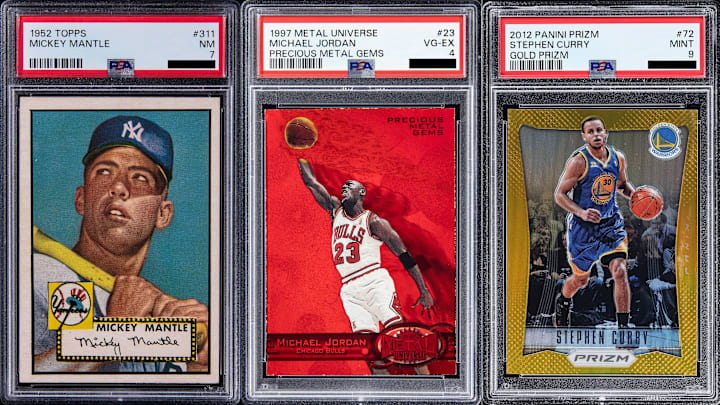
Many factors influence a card’s value. The overall market, the player featured, and the card’s population all matter, to name a few. But something that should never be overlooked is the set. Sometimes a card numbered to just 10 from a lesser-known set is worth far less than a card with a higher print run if it comes from a highly sought-after set or a well-established brand.
RELATED: Things to Know: Understanding Sports Card Licenses
Now there’s no definitive way to determine which sets will be sought-after in the future, but what we can do is analyze trends and patterns from previous successful releases to see what we can learn. Again, this is simply an analysis of what has led to success in the past and is not a guaranteed formula for future performance.

1. Firsts Matter
This is similar to what gives a player’s rookie card extra value. Think of it as the “rookie set,” often marking a new brand, design, or other significance. Showing Sy Berger's influence, 1952 was visually unlike any previous set. One of the most famous and valuable cards ever also comes from that Topps baseball set. This highlights it's significance. Similarly, the 2012 Prizm basketball set is becoming increasingly iconic and valuable because it was the first year of the Prizm brand, which is now a staple in the hobby.
2. One and Done
Another set characteristic that can boost value is when it isn't produced every year. Because of this, many investors target these sets, since they can create demand through scarcity over time. A prime example is the 1997 PMG (Precious Metal Gems) Red and Green set, one of the most iconic and valuable sets in sports card history, that may not have the status it does today had it been made year after year.
3. Unique Printing
Something else to look for are unique features in how the set is made, as certain designs or printing details can make a set more desirable over time. Let’s go back to the 1997 PMG set. All PMGs were numbered to 100, but the color depended on the serial number. Cards numbered 1 to 10 were the highly coveted emerald green, while numbers 11 to 100 were red. This was something that hadn’t been done before and added an extra layer of interest to the set.
The Precious Metal Gems are a limited edition capped at the 100 mark... The first ten are the Emerald Green version, the remaining 90 show off a Ruby Red dazzle like this beauty here 🏀
— Heritage Auctions Sports (@Heritage_Sport) January 14, 2025
Current bid: https://t.co/3hztkeV7Y9 pic.twitter.com/vcmdWKWnNS
4. Popularity Trends
Another pattern to watch is a set’s popularity trend. Are those cards getting an unusually high number of watchers as soon as they’re listed on eBay? The same goes for collectors at shows. If people keep asking about a certain set, it has a special appeal. Many sets that become popular with the next generation already have some level of interest with the previous one.
TOP TRENDING COLLECTIBLES ARTICLES:
 Add us as a preferred source on Google
Jason is an experienced basketball card collector with a focus on writing and educating others about the sports card industry. Find him on Instagram @jeancardz