%20%20--%3E%0A%3Csvg%20version%3D%221.1%22%20id%3D%22Layer_1%22%20xmlns%3D%22http%3A%2F%2Fwww.w3.org%2F2000%2Fsvg%22%20xmlns%3Axlink%3D%22http%3A%2F%2Fwww.w3.org%2F1999%2Fxlink%22%20x%3D%220px%22%20y%3D%220px%22%0A%09%20width%3D%2239px%22%20height%3D%2240px%22%20viewBox%3D%220%200%2039%2040%22%20enable-background%3D%22new%200%200%2039%2040%22%20xml%3Aspace%3D%22preserve%22%3E%0A%3Cpath%20fill%3D%22%23FFFFFF%22%20d%3D%22M38.5%2C7H28.2v26h10.3V7z%22%2F%3E%0A%3Cpath%20fill-rule%3D%22evenodd%22%20clip-rule%3D%22evenodd%22%20fill%3D%22%23FFFFFF%22%20d%3D%22M26.1%2C25.5c0%2C5.8-4.1%2C7.5-12.9%2C7.5C3.9%2C33%2C0%2C31.2%2C0%2C25.2v-1.1h11.6%0A%09v2.4c0%2C0.7%2C0.1%2C1.4%2C1.2%2C1.4c1%2C0%2C1.2-0.4%2C1.2-1.3v-0.9c0-1.6-0.9-1.6-3.5-2.2C2.2%2C21.7%2C0%2C19.7%2C0%2C15.3v-0.9C0%2C9.3%2C5.5%2C7%2C12.9%2C7%0A%09c10.2%2C0%2C12.8%2C2.6%2C12.8%2C7.4v1.8h-11v-2.9c0-0.6-0.4-1.1-1.2-1.1c-0.6%2C0-1.2%2C0.4-1.2%2C1.1v0.9c0%2C1.5%2C0.9%2C2%2C3.3%2C2.5%0A%09c8%2C1.6%2C10.5%2C3.3%2C10.5%2C7.5V25.5z%22%2F%3E%0A%3C%2Fsvg%3E%0A)
NBA Potential Assists: Explaining the Advanced Stat & What It Means
In today's NBA, the game is becoming increasingly focused on advanced analytics. No longer is the final score or a traditional box score sufficient for most fans. So as statistics and analytics have evolved, particularly over the last decade, so has the way the game is understood.
Which brings us to the topic of ball movement.
When it comes to playmaking, there were few metrics to determine a player's impact. However, a relatively new statistic has emerged, helping fans understand a player's offensive impact when they aren't taking shots.
Potential assists.
This stat offers a nuanced view of passing performance and offensive flow. But what exactly is a potential assist? Why does it matter? And how can fans, analysts, coaches, and players use this metric to better understand the game?
What Are Potential Assists in Basketball?
A potential assist is defined by the NBA as:
A pass by a player to a teammate who attempts a shot within one dribble of receiving the ball.
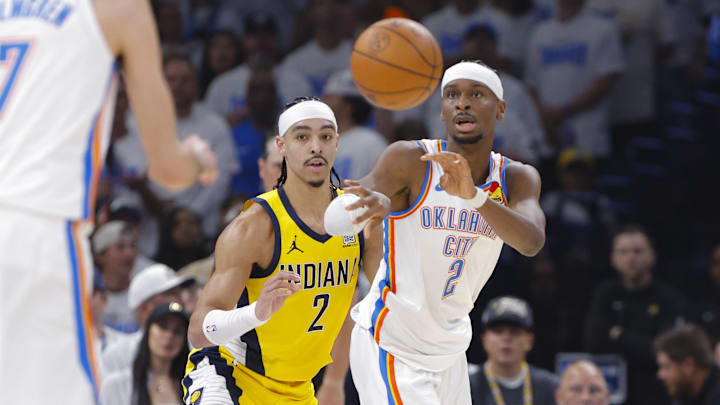
Basically, a potential assist is a pass that would have been an assist had the shot been made. This helps to understand which players truly excel at finding the open man in the continuity of their offense.
Traditionally, an assist is credited only when the pass leads directly to a made shot. This has been used for decades and for good reason, but that doesn't mean the statistic isn't a bit restrictive.
Hitting open shots is obviously incredibly important in the NBA, but creating openings is just as important. The potential assists stat attempts to roughly track these moments.
How Potential Assists Are Calculated
Potential assists are calculated via player-tracking technology, provided by Second Spectrum (which the NBA implemented in 2013).
Using optical cameras in arenas, every movement of every player (and the basketball) is able to be tracked in realtime. This data is then used to quantify statistics.
From that trove of data, a potential assist is recorded if:
A player makes a pass and the recipient of the pass takes a shot within one dribble, regardless of the outcome.
Why Potential Assists Matter
Firstly, since assists are outcome-based, using potential assists as a metric rewards the process over the outcome. This is something coaches preach endlessly, about trusting the system in place and executing. Some shots will fall, others won't, but emphasize the details and the process over the results.
So, potential assists provide a more holistic view of who is creating opportunities for teammates.
This is particularly important when a team might be on the younger side of the spectrum, or on a newfound upward trajectory. When it comes to evaluating players and tracking development, using potential assists allow coaches and fans the opportunity to see which player is making the correct reads while on the court.
Players With the Highest Potential Assists
Atlanta Hawks point guard Trae Young led the NBA last season in potential assists, with 20.7 per game. He was the only player to average 20+.
The Hawks were a middling team in 2025, finishing under .500 and were in the middle of the pack when it came to field goal and three-point percentage. So, as discussed, Young is a great example of a player executing the offense correctly, but being “penalized” due to missed shots.
Player | Team | Potential Assists |
|---|---|---|
Trae Young | Atlanta Hawks | 20.7 |
Nikola Jokic | Denver Nuggets | 16.5 |
Tyrese Haliburton | Indiana Pacers | 15.8 |
Cade Cunningham | Detroit Pistons | 15.4 |
LeBron James | Los Angeles Lakers | 14.8 |
James Harden | Los Angeles Clippers | 13.7 |
Luka Doncic | Los Angeles Lakers | 13.4 |
Devin Booker | Phoenix Suns | 13.3 |
Damian Lillard | Milwaukee Bucks | 13 |
LaMelo Ball | Charlotte Hornets | 12.9 |
 Add us as a preferred source on Google
Nathan Cunningham is a writer for Sports Illustrated and Minute Media. Throughout his career, he has written about collegiate sports, NFL Draft, Super Bowl champions, and more. Nathan has also been featured in FanSided and 90Min. Nathan loves colorful uniforms, mascots and fast-break pull-up 3-pointers. He graduated from BYU in 2016 with a degree in journalism.