%20%20--%3E%0A%3Csvg%20version%3D%221.1%22%20id%3D%22Layer_1%22%20xmlns%3D%22http%3A%2F%2Fwww.w3.org%2F2000%2Fsvg%22%20xmlns%3Axlink%3D%22http%3A%2F%2Fwww.w3.org%2F1999%2Fxlink%22%20x%3D%220px%22%20y%3D%220px%22%0A%09%20width%3D%2239px%22%20height%3D%2240px%22%20viewBox%3D%220%200%2039%2040%22%20enable-background%3D%22new%200%200%2039%2040%22%20xml%3Aspace%3D%22preserve%22%3E%0A%3Cpath%20fill%3D%22%23FFFFFF%22%20d%3D%22M38.5%2C7H28.2v26h10.3V7z%22%2F%3E%0A%3Cpath%20fill-rule%3D%22evenodd%22%20clip-rule%3D%22evenodd%22%20fill%3D%22%23FFFFFF%22%20d%3D%22M26.1%2C25.5c0%2C5.8-4.1%2C7.5-12.9%2C7.5C3.9%2C33%2C0%2C31.2%2C0%2C25.2v-1.1h11.6%0A%09v2.4c0%2C0.7%2C0.1%2C1.4%2C1.2%2C1.4c1%2C0%2C1.2-0.4%2C1.2-1.3v-0.9c0-1.6-0.9-1.6-3.5-2.2C2.2%2C21.7%2C0%2C19.7%2C0%2C15.3v-0.9C0%2C9.3%2C5.5%2C7%2C12.9%2C7%0A%09c10.2%2C0%2C12.8%2C2.6%2C12.8%2C7.4v1.8h-11v-2.9c0-0.6-0.4-1.1-1.2-1.1c-0.6%2C0-1.2%2C0.4-1.2%2C1.1v0.9c0%2C1.5%2C0.9%2C2%2C3.3%2C2.5%0A%09c8%2C1.6%2C10.5%2C3.3%2C10.5%2C7.5V25.5z%22%2F%3E%0A%3C%2Fsvg%3E%0A)
Toronto's Maple Laughs
Toronto's Maple Laughs
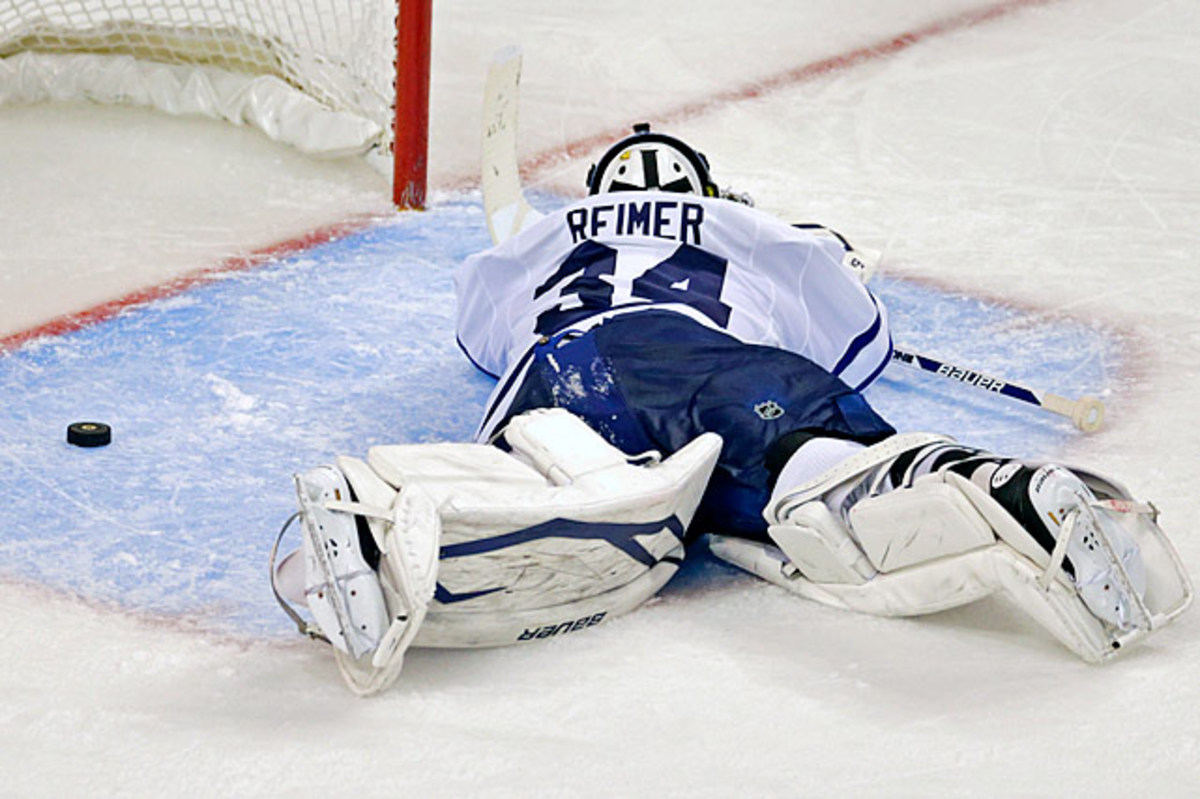
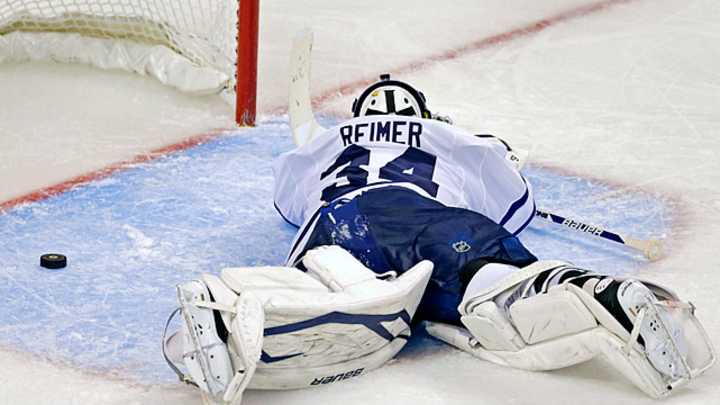
In 2013, the Maple Leafs' first playoff appearance in nine years was met with jubilation, parties and great hope in Toronto. Alas, the team took their long-suffering fans to a first round Game 7 against the Boston Bruins before suffering an epic collapse in the final two minutes before losing in overtime. This proud old Original Six franchise has endured many bouts with futility over the years. Here are some of the worst . . .
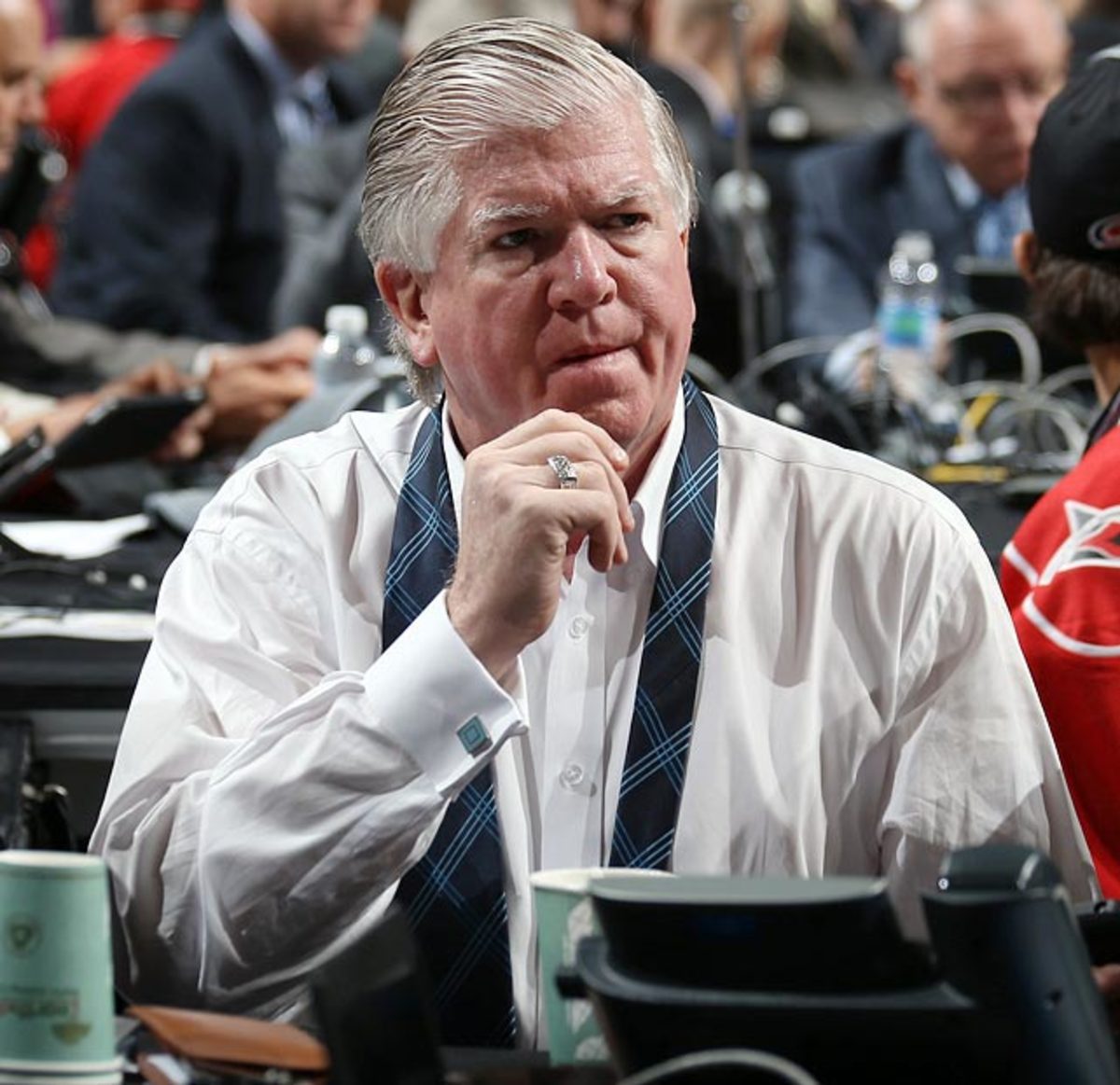
In four seasons as GM of the Maple Leafs, the highly regarded Brian Burke, who presided over a Stanley Cup-winner in Anaheim, was never able to lead his team into the playoffs, which is sadly par for the course in Toronto.
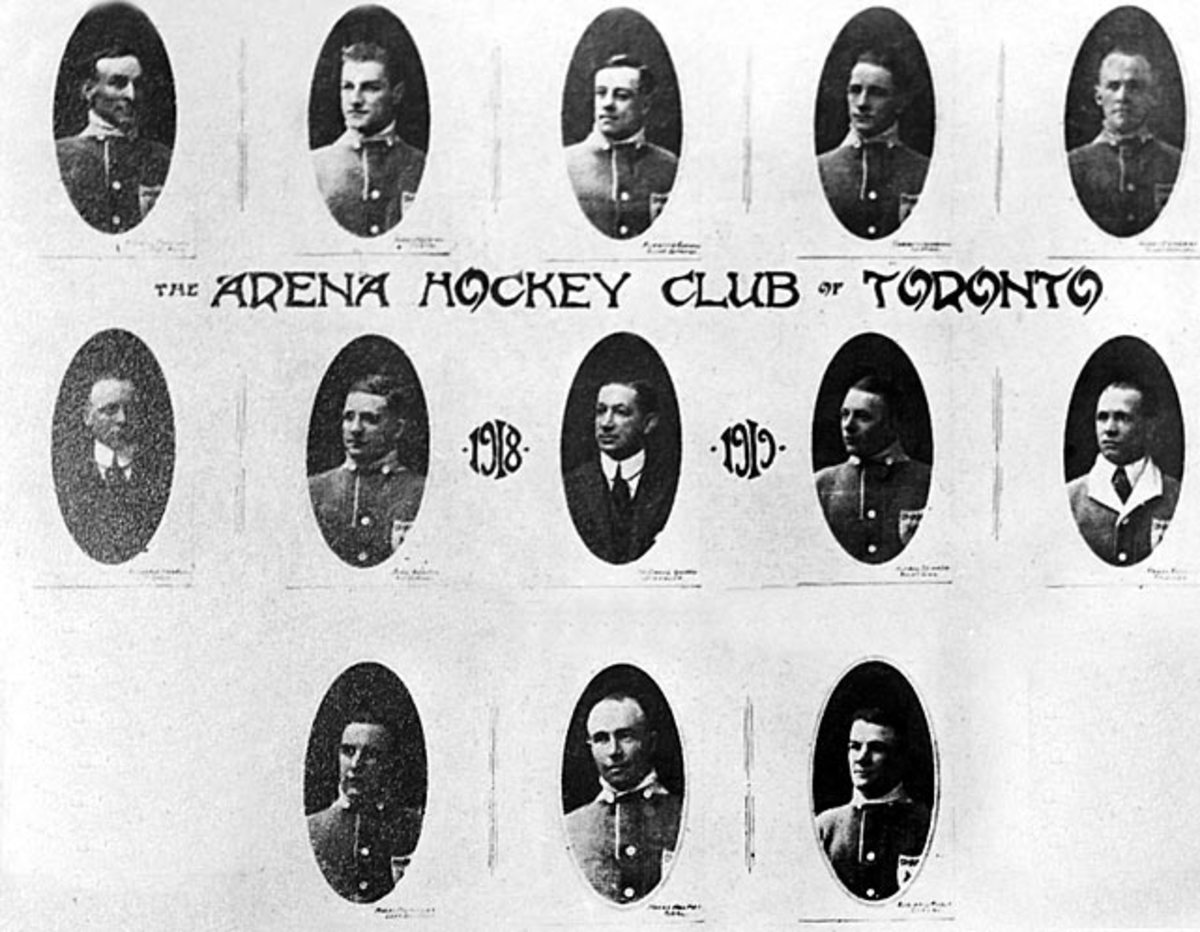
Known as the Arenas in 1919, the club sells most of its players to cover mounting debts and manages a five-win season.
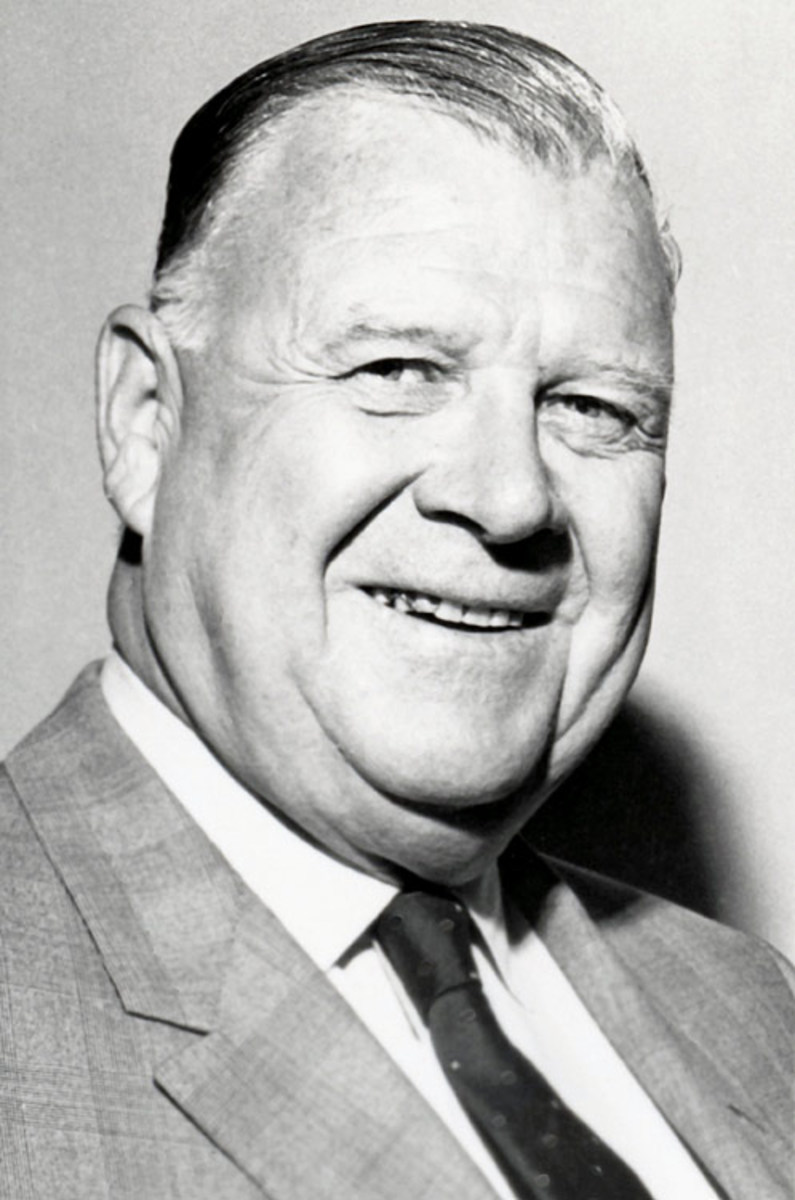
Harold Ballard takes over the Leafs in 1972 and proceeds to drive them and himself into the ground. Toronto never finishes higher than third in its division during Ballard's 18 years of running the franchise, when the Maple Leafs are sardonically referred to be many as the Maple Laughs. Caught trying to alter the team's books, Ballard is later charged with 49 counts of fraud, theft and tax evasion and convicted of 46 of them.
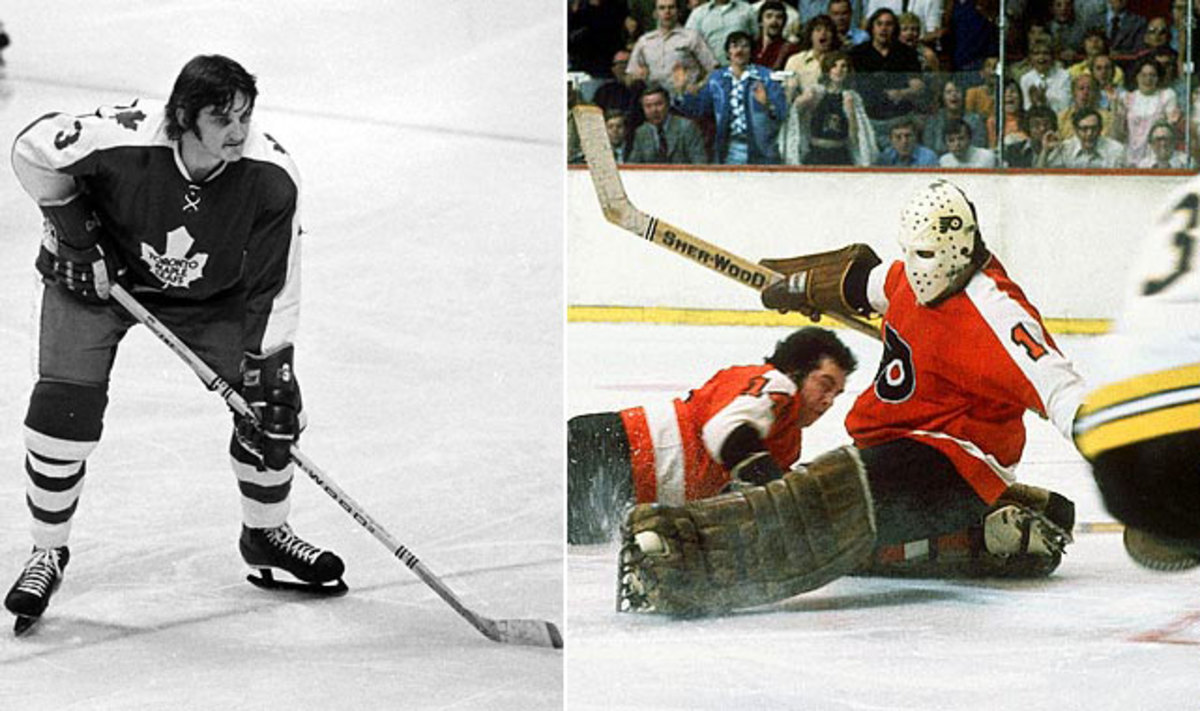
To obtain first-round pick Bob Neely -- who scores 39 goals in 283 career games -- and future considerations from the Flyers in 1973, the Leafs send away a second-round draft choice and some goalie named Bernie Parent, who leads the Flyers to two Stanley Cups and earns Hall of Fame enshrinement.
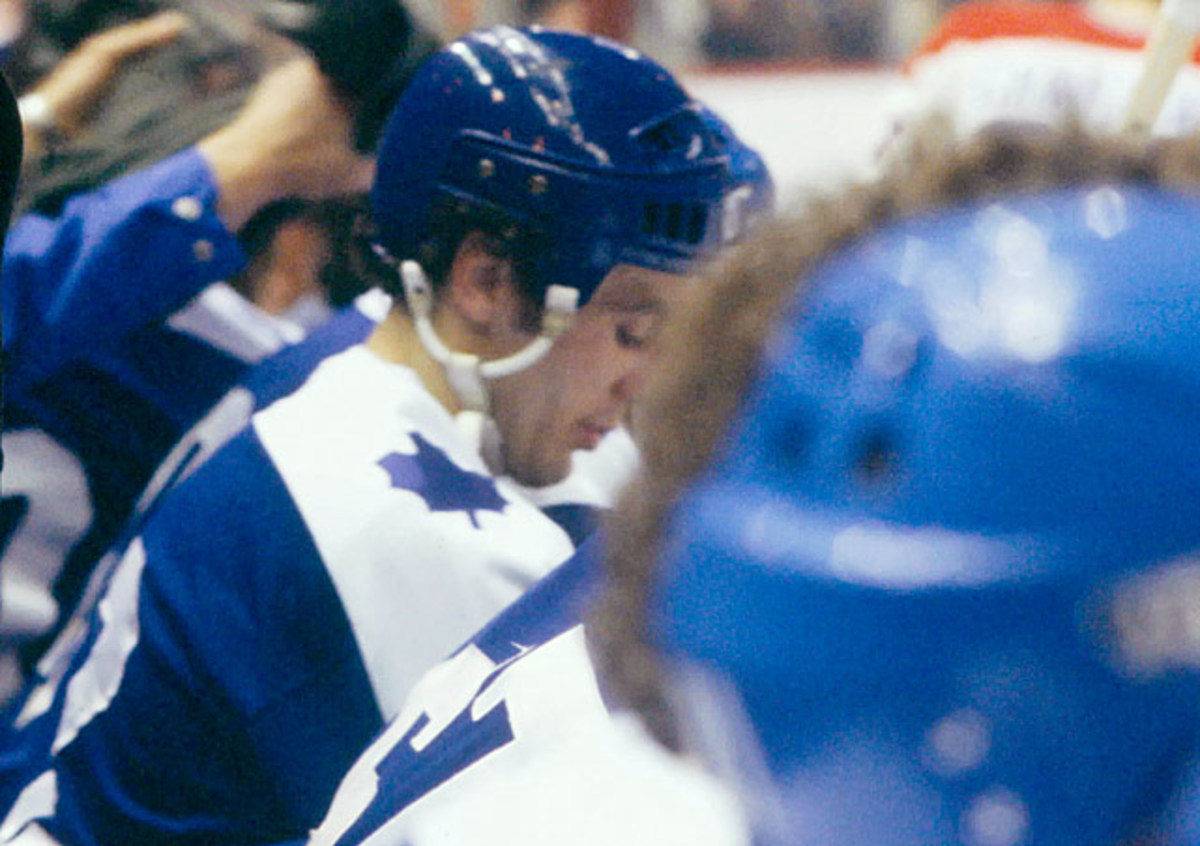
When the NHL passes a rule in 1976 requiring teams to stitch names onto the backs of their sweaters so fans can tell who the players are, Ballard objects, citing adverse effects on program sales. He eventually complies, ordering his staff to stitch white on the backs of white jerseys and blue names on the backs of blue jerseys so they cannot be read.
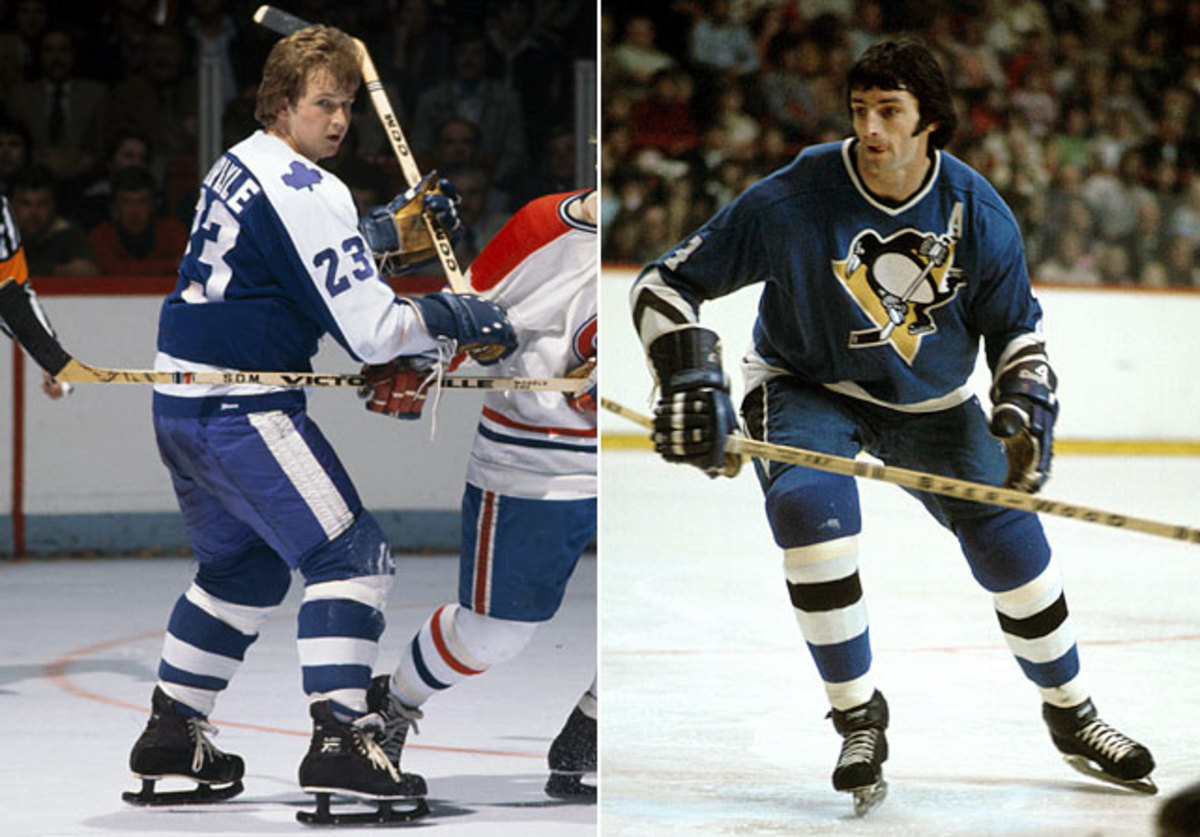
In 1978, the Leafs trade defenseman Randy Carlyle and forward George Ferguson to Pittsburgh for defenseman Dave Burrows. While Burrows manages 32 points in 151 games before departing, Carlyle wins the Norris Trophy for the Penguins in 1980-81. (Carlyle is now the Leafs coach.)
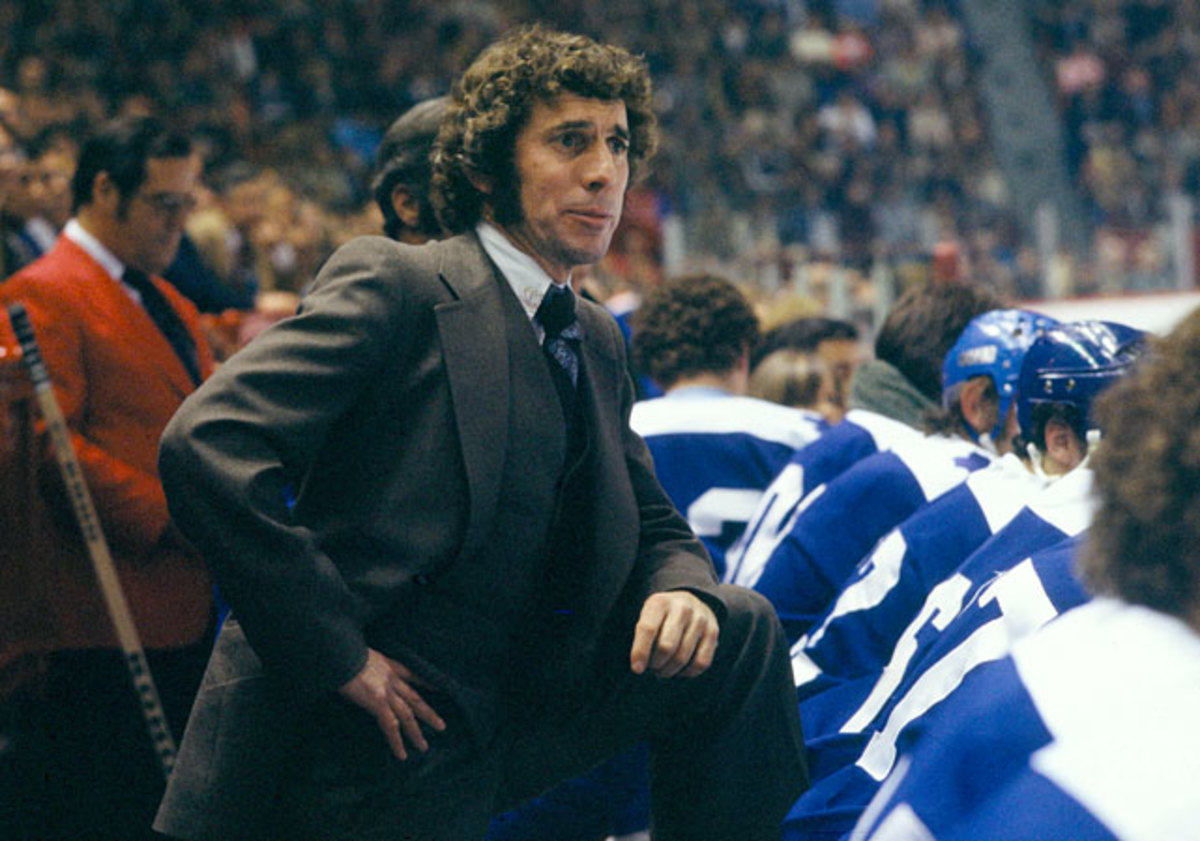
During the 1978-79 season, Ballard fires popular coach Roger Neilson, sparking a near revolt by his players. Ballard reconsiders, but asks Neilson to return while wearing a paper bag to conceal his identity. Neilson comes back without the bag.
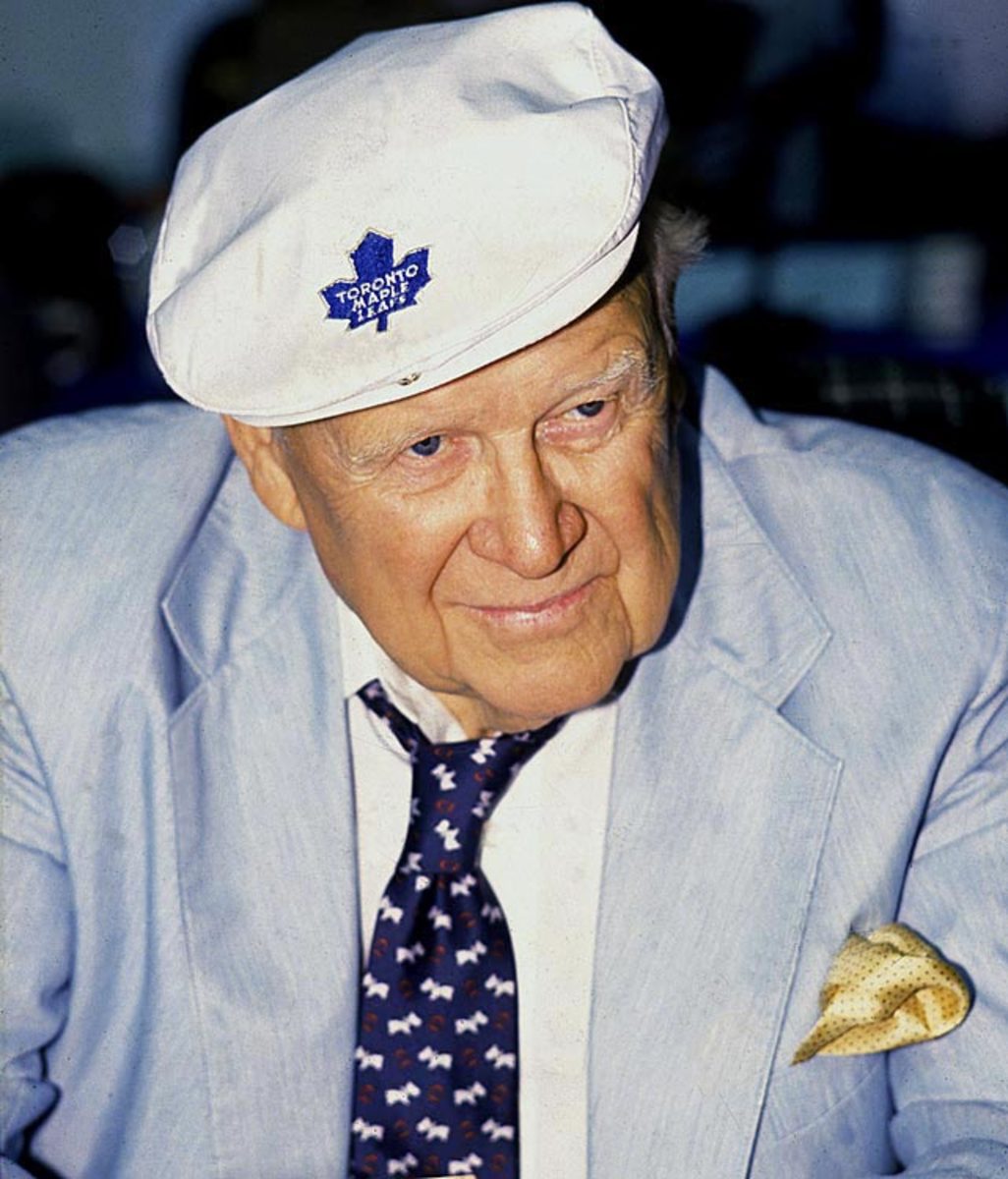
After a nasty negotiation over rights to broadcast Leafs games on radio, Ballard (pictured) awards them to highest bidder CKO, taking them away from CKFH and legendary announcer Foster Hewitt. Ballard then orders the existing radio position moved from its historic gondola spot in Maple Leaf Gardens to a less favorable position in order to make room for luxury boxes. When the Hockey Hall of Fame asks to purchase the original gondola, Ballard instead orders it dumped into an incinerator.
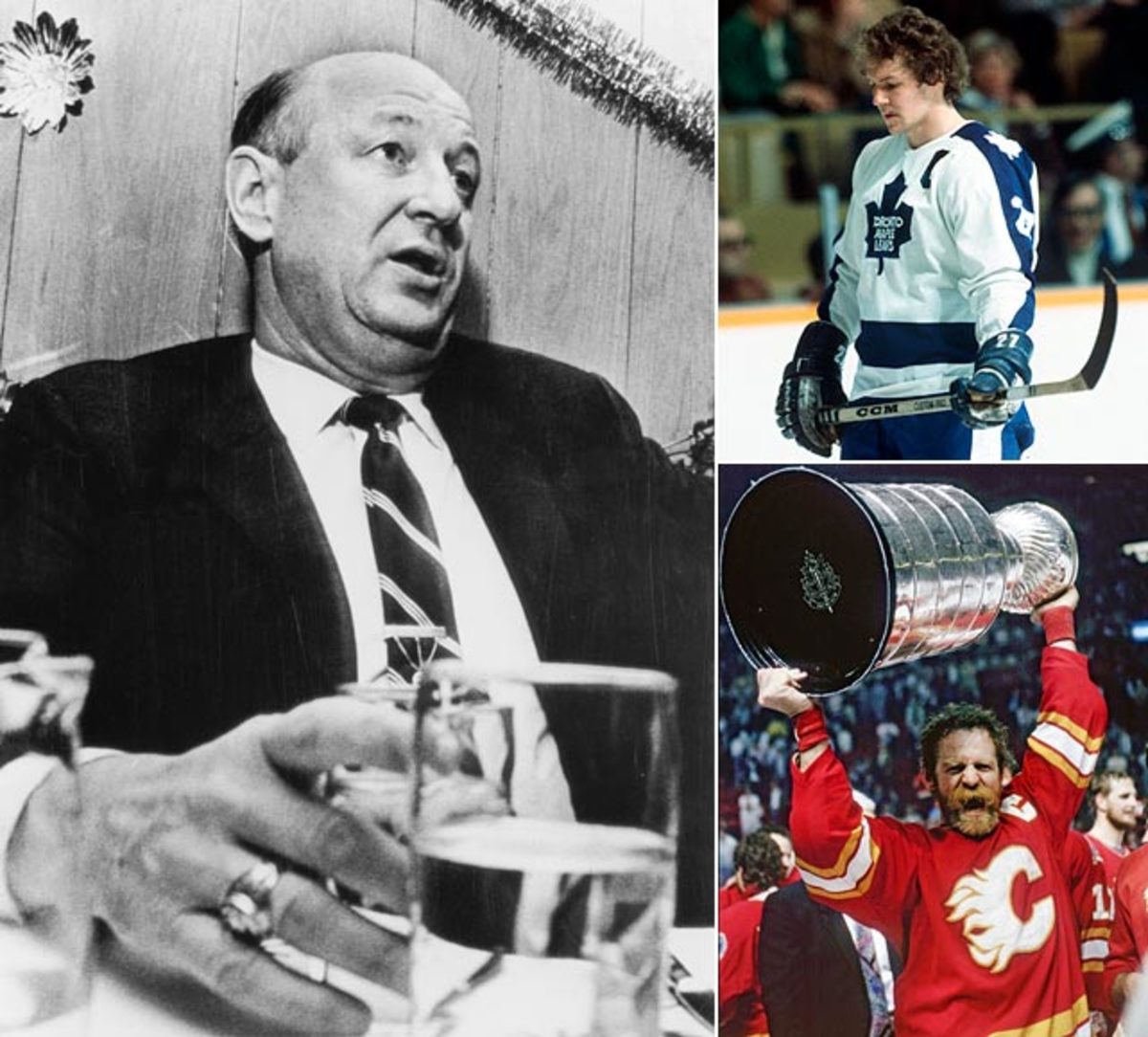
Ballard hires buddy Punch Imlach as GM and Imlach immediately begins feuding with team captain Darryl Sittler, who refuses to waive a no-trade clause as Imlach tries to move him. So the GM starts trading Sittler's friends. The Leafs deal Sittler's linemate, popular right wing Lanny McDonald, and defenseman Joel Quenneville to the Colorado Rockies in return for forwards Pat Hickey and Wilf Paiement. This sets the tone for a decade in which the Leafs compile a record of 301-481-98 in the 80s. McDonald then goes to Calgary, where, after a 66-goal season in 1982-83 in 1989, he records his 500th goal, 500th assist and the Stanley-Cup clinching goal for the Flames in his final game as a pro.
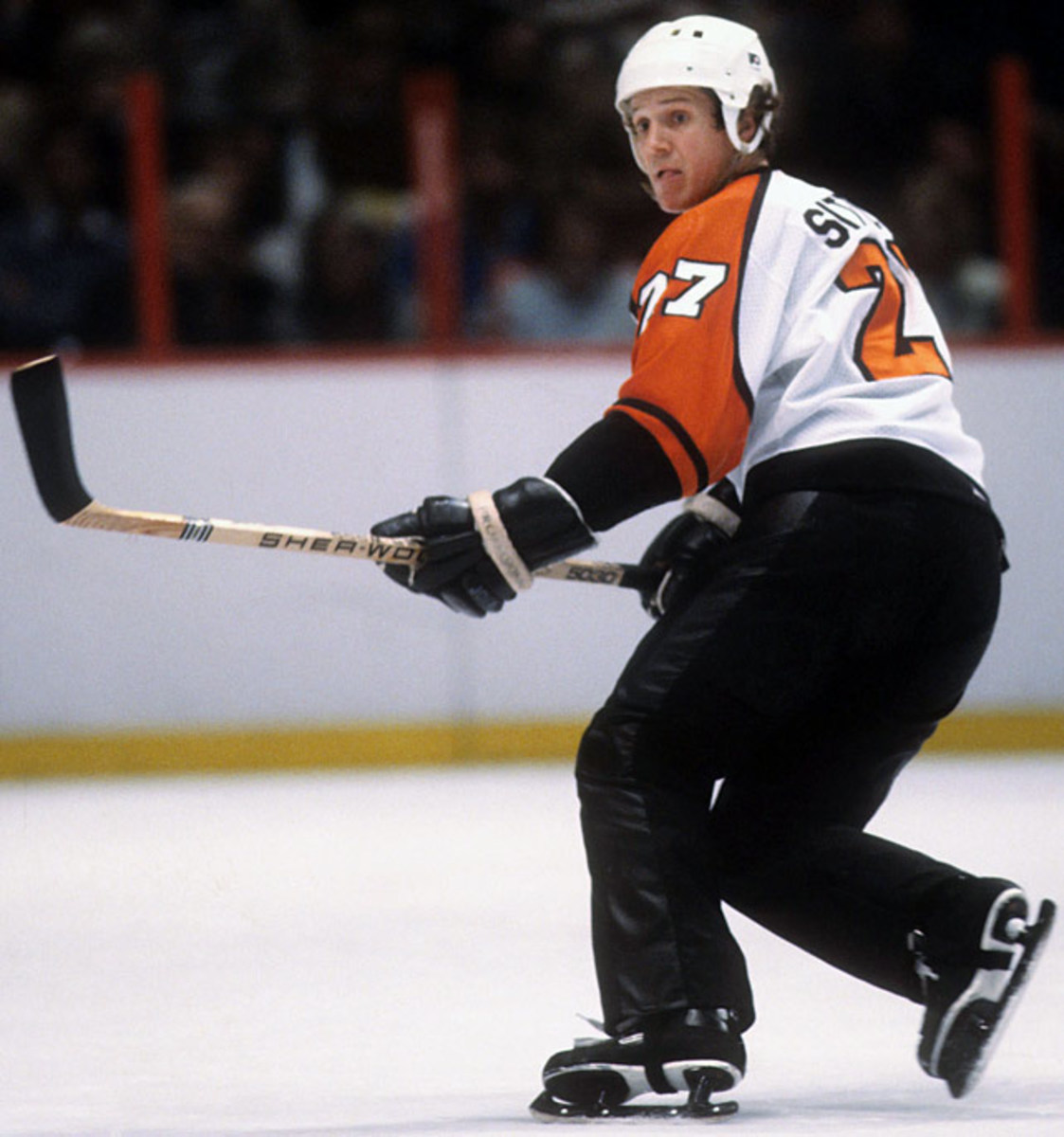
Just 84 points shy of becoming the first player to amass 1,000 points in a Leafs Jersey, Darryl Sittler, who once scored an NHL record 10 in one game, finally announces that he will accept a trade and is dealt to Philadelphia for Rich Costello, a second-round draft pick and future considerations. Sittler scores 43 goals in his first full season with the Flyers and later enters the Hockey Hall of Fame.
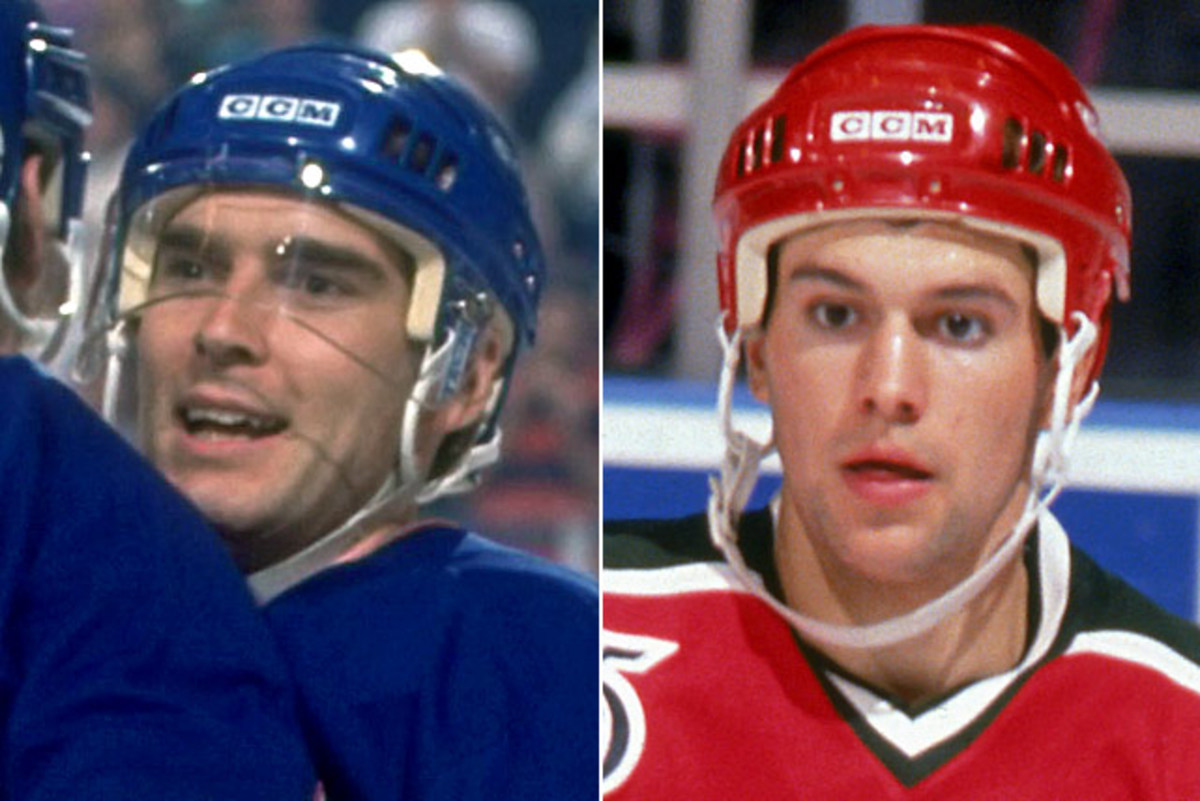
In 1989, the Leafs acquire defenseman Tom Kurvers from New Jersey in return for a first-round pick in 1991. About to finish last in that draft year, which would give the Devils the first overall pick, the Leafs engineer a second trade and improve enough to finish third from the bottom. Kurvers is traded three more times, playing for seven NHL teams and ending his career in Japan. With that third pick from the Leafs, though, the Devils go on to select Hall-of-Famer Scott Niedermayer.
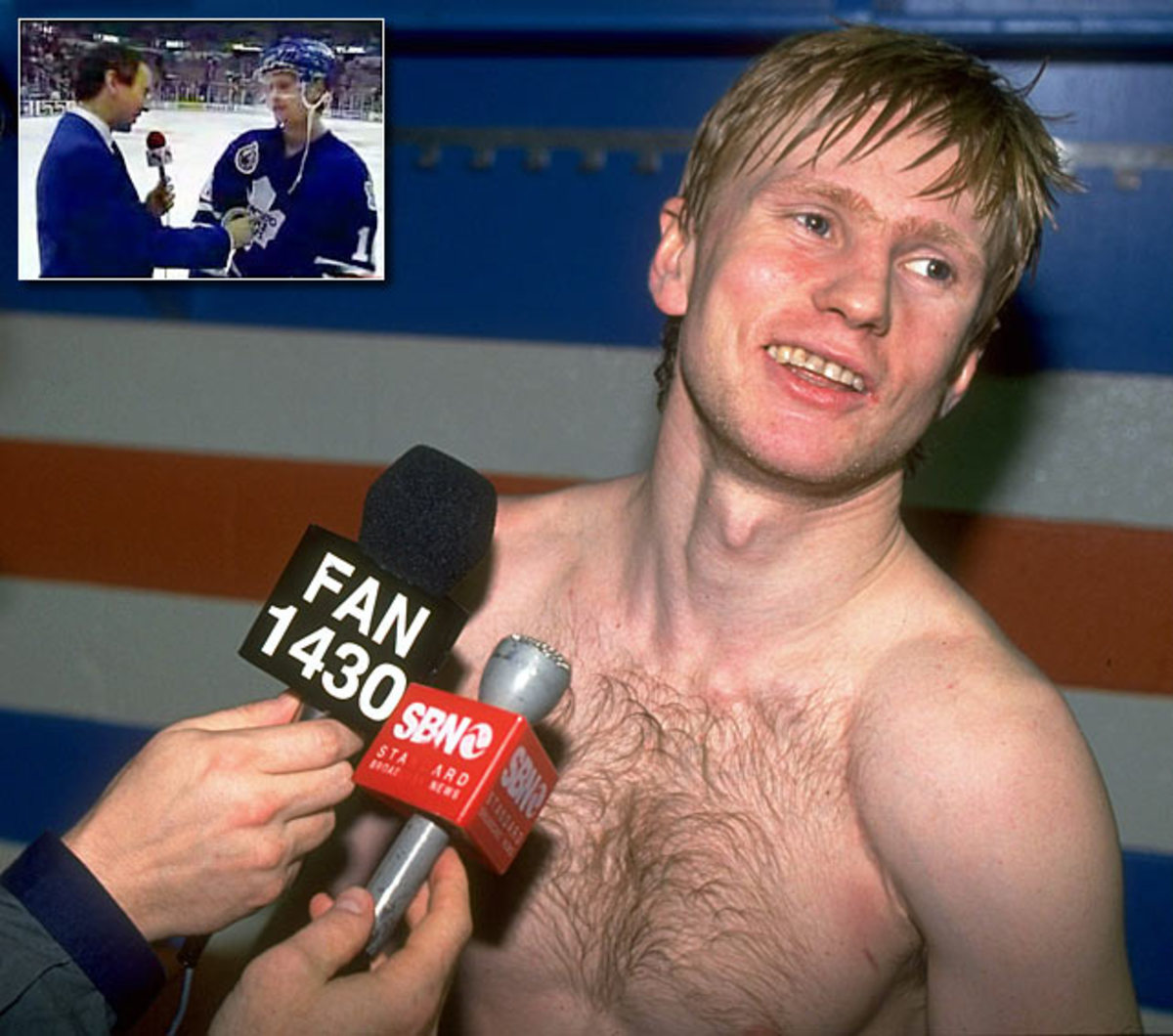
Sure the Leafs skimped on things to save money over the years, but why translators? Never expecting rookie forward Nikolai Borschevsky to be in demand for postgame comments, the Leafs are unprepared when Borschevsky turns out to be the hero in a seventh-game victory against Detroit in the 1993 playoffs. As Ron MacLean of the CBC attempts to coax responses from him, the Russian native is only able to repeat several mangled versions of the word "unbelievable" before MacLean pokes him in the stomach and ends the live interview.
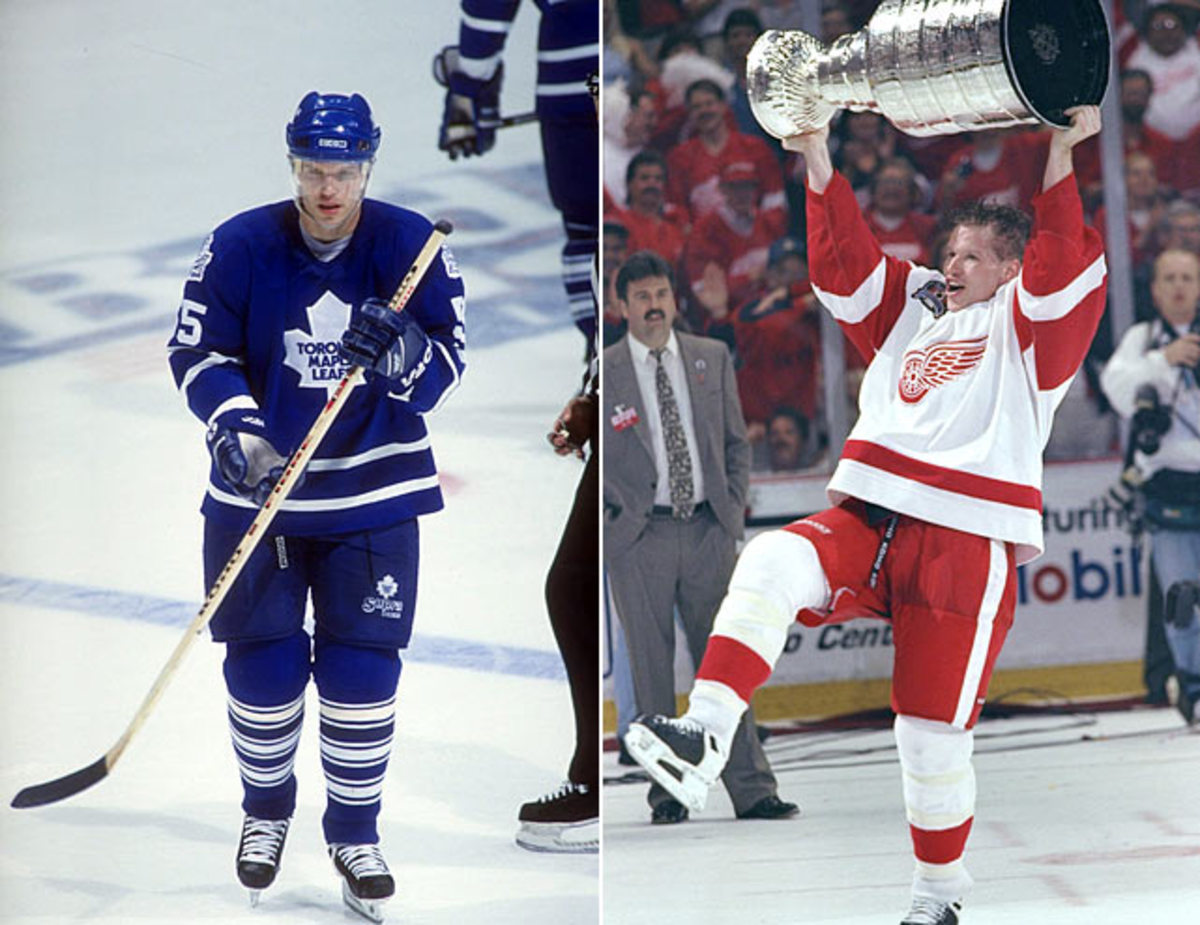
Blame the fans for this one. When the Leafs obtained All-Star defenseman Larry Murphy, a two-time Cup-winner in Pittsburgh, he becomes an unnecessary scapegoat for the club's malaise in the mid-90s. Fans boo him every time he touches the puck, until Leafs management has to trade him in 1997 for his own well-being and even pick up a third of his salary. Murphy lands in Detroit,pairs with superstar backliner Nick Lidstrom, wins two more Cups and enters the Hockey Hall of Fame.
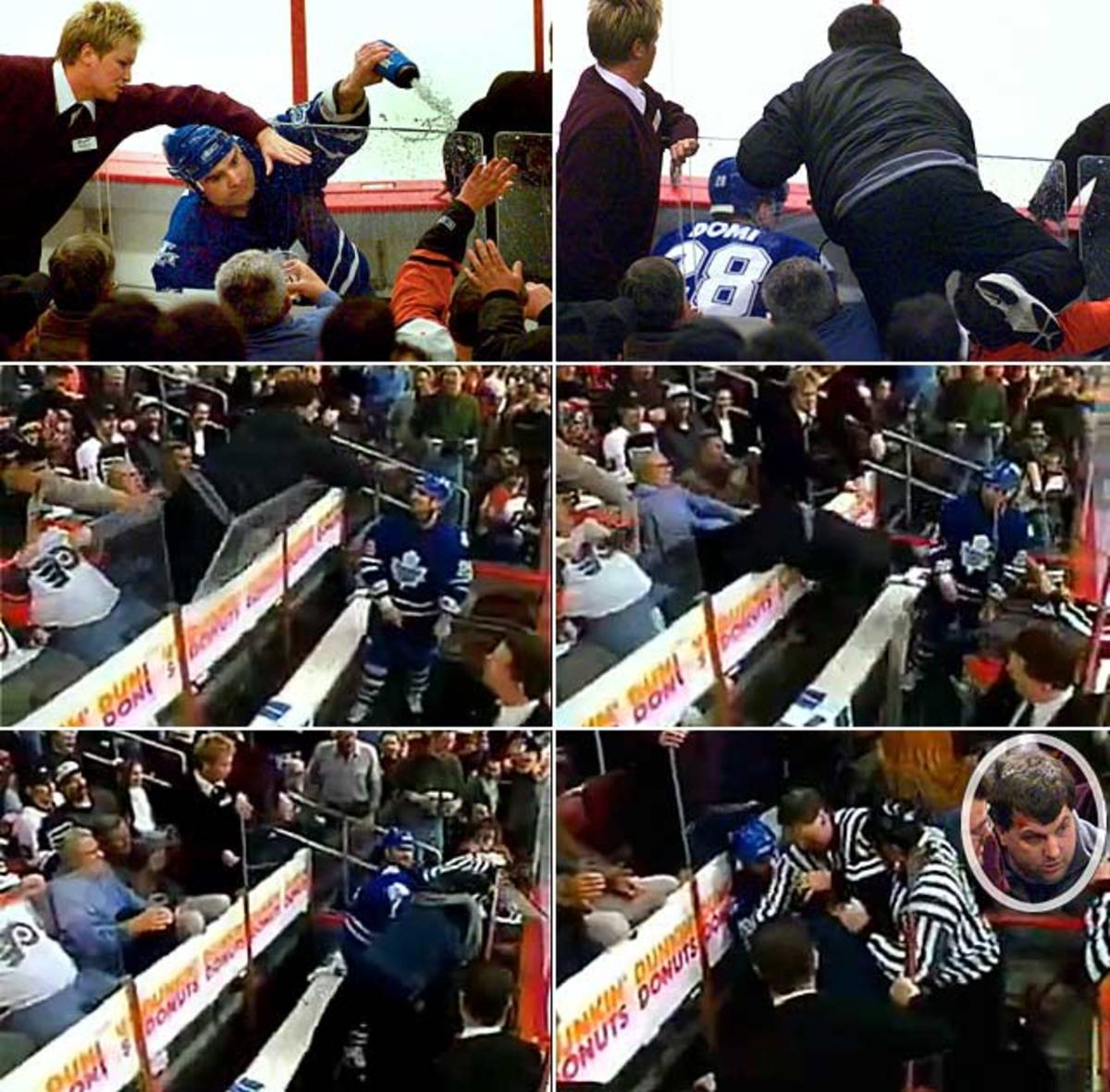
Not content to fight with players, Leafs forward Tie Domi squirts a fan with a water bottle while sitting in the penalty box during a game in Philadelphia in 2001. The fan then falls over the glass, lands next to Domi and gets pounded by the Toronto forward in the penalty box.
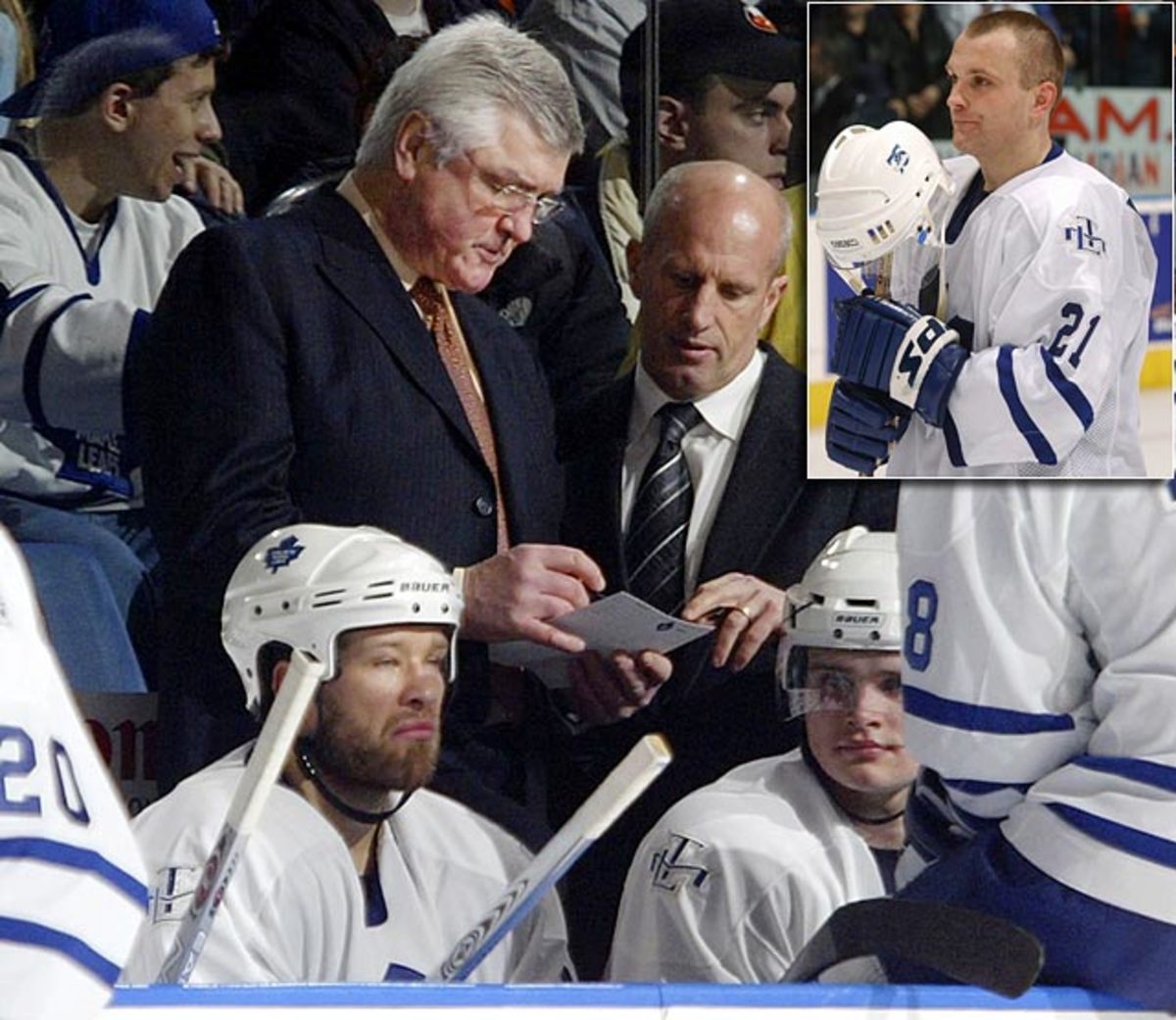
Leafs coach Pat Quinn mistakenly writes the name of Mikael Renberg into his starting lineup as No. 21 before a playoff game against the Islanders in 2002. Renberg is hurt and unable to play. Quinn means to write down the name of Robert Reichel who is healthy and actually wears No. 21. The Islanders notice this but say nothing until after the game starts. It is too late for Quinn, who renders Reichel ineligible and plays a man short.
 Add us as a preferred source on Google