%20%20--%3E%0A%3Csvg%20version%3D%221.1%22%20id%3D%22Layer_1%22%20xmlns%3D%22http%3A%2F%2Fwww.w3.org%2F2000%2Fsvg%22%20xmlns%3Axlink%3D%22http%3A%2F%2Fwww.w3.org%2F1999%2Fxlink%22%20x%3D%220px%22%20y%3D%220px%22%0A%09%20width%3D%2239px%22%20height%3D%2240px%22%20viewBox%3D%220%200%2039%2040%22%20enable-background%3D%22new%200%200%2039%2040%22%20xml%3Aspace%3D%22preserve%22%3E%0A%3Cpath%20fill%3D%22%23FFFFFF%22%20d%3D%22M38.5%2C7H28.2v26h10.3V7z%22%2F%3E%0A%3Cpath%20fill-rule%3D%22evenodd%22%20clip-rule%3D%22evenodd%22%20fill%3D%22%23FFFFFF%22%20d%3D%22M26.1%2C25.5c0%2C5.8-4.1%2C7.5-12.9%2C7.5C3.9%2C33%2C0%2C31.2%2C0%2C25.2v-1.1h11.6%0A%09v2.4c0%2C0.7%2C0.1%2C1.4%2C1.2%2C1.4c1%2C0%2C1.2-0.4%2C1.2-1.3v-0.9c0-1.6-0.9-1.6-3.5-2.2C2.2%2C21.7%2C0%2C19.7%2C0%2C15.3v-0.9C0%2C9.3%2C5.5%2C7%2C12.9%2C7%0A%09c10.2%2C0%2C12.8%2C2.6%2C12.8%2C7.4v1.8h-11v-2.9c0-0.6-0.4-1.1-1.2-1.1c-0.6%2C0-1.2%2C0.4-1.2%2C1.1v0.9c0%2C1.5%2C0.9%2C2%2C3.3%2C2.5%0A%09c8%2C1.6%2C10.5%2C3.3%2C10.5%2C7.5V25.5z%22%2F%3E%0A%3C%2Fsvg%3E%0A)
Past March Madness Cinderella Teams
Past March Madness Cinderella Teams
Villanova
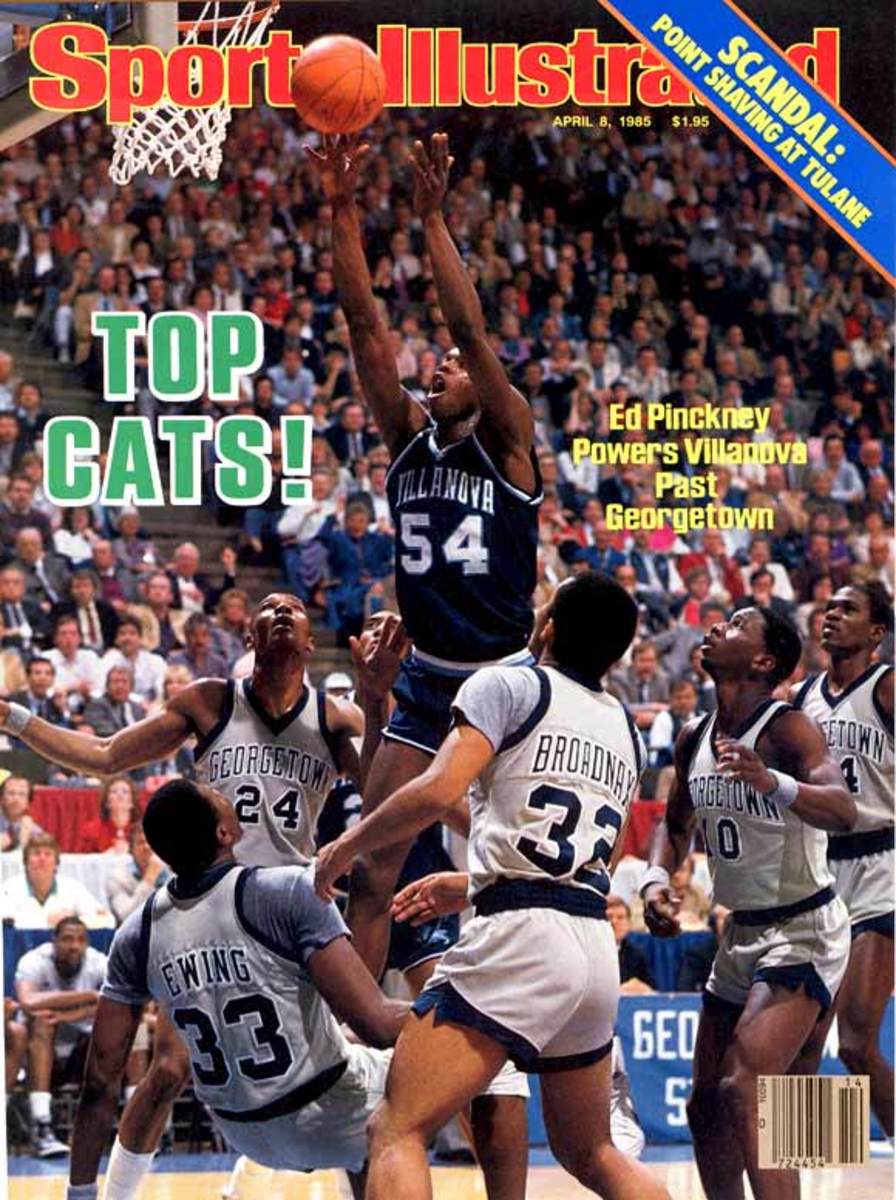
Villanova's magical 66-64 victory over defending national champ and No. 1-ranked Georgetown in the 1985 tournament final was one of the greatest upsets in sports history. The eighth-seeded Wildcats concluded their Cinderella story by going nearly perfect from the field, converting 78.6 percent. Senior Ed Pinckney matched up against Naismith award-winner Patrick Ewing and scored 16 points, solidifying his bid for the Tournament's Most Outstanding Player.
N.C. State
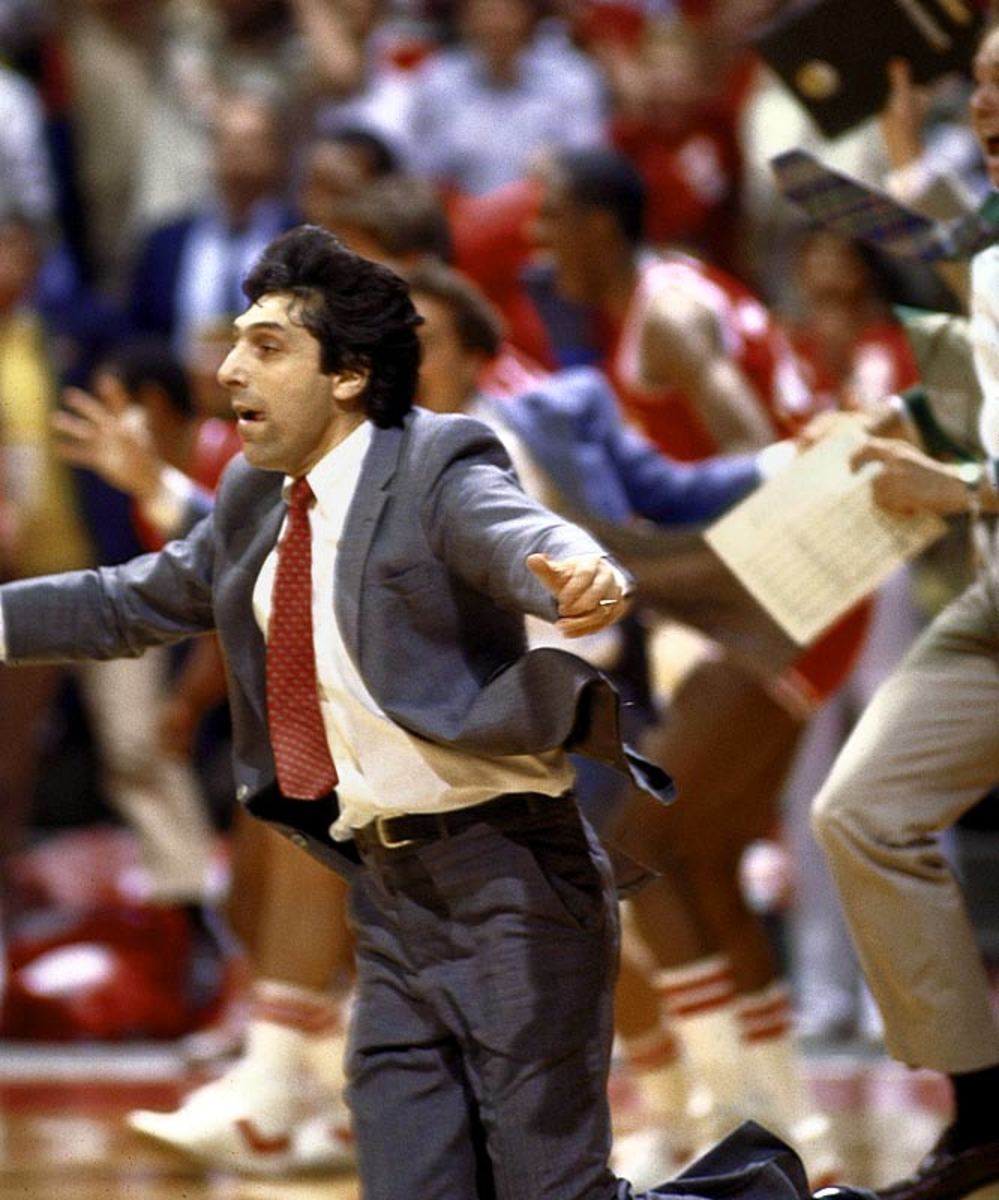
Jimmy V's Wolfpack earned the nickname "The Cardiac Pack" for their thrilling victories in March 1983. N.C. State entered the tournament by beating Michael Jordan-led North Carolina and Ralph Sampson-led Virginia to capture the ACC championship. As the No. 6 seed, it continued to advance in dramatic fashion en route to a championship game against Houston's Phi Slamma Jamma -- one of the most famous David vs. Goliath matchups in sports history. The Pack won the title on Lorenzo Charles' famous buzzer-beating dunk.
Kansas
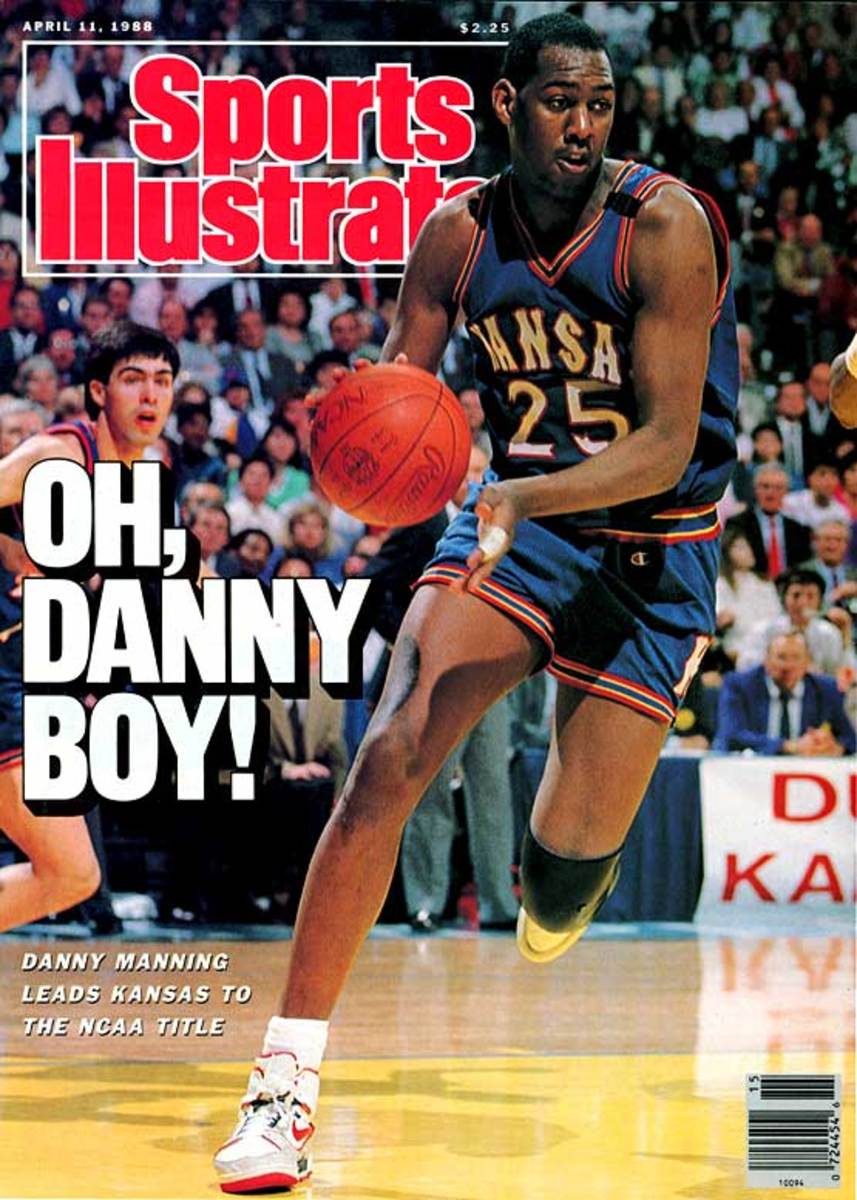
Hard to believe that in 1988, the third winningest Division I men's basketball program in NCAA history was a Cinderella story. But the unranked Jayhawks entered the tournament with an unflattering 11 losses. Led by Danny Manning -- the tournament's Most Outstanding Player -- Larry Brown's unlikely Kansas squad went on to eventually defeat the fourth-ranked Oklahoma Sooners in the national title game.
George Mason
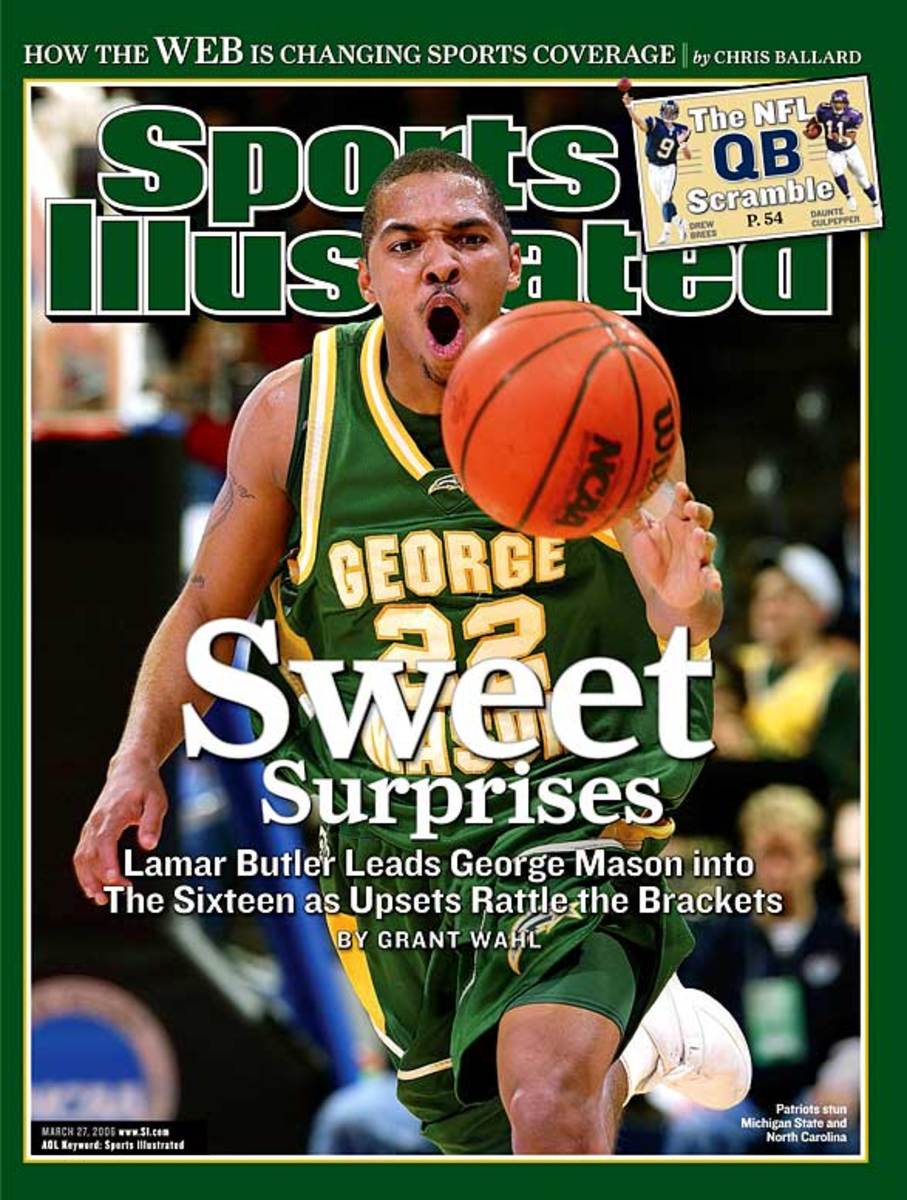
Many felt Hofstra should have been selected instead of the Patriots, who were a No. 11 seed. But Jim Larranaga's squad defied the critics and pulled off one of the most improbable runs in tournament history, knocking off Michigan State, UNC and UConn -- in a memorable 86-84 overtime finish -- to become the first mid-major to reach the Final Four since Penn in 1979.
LSU
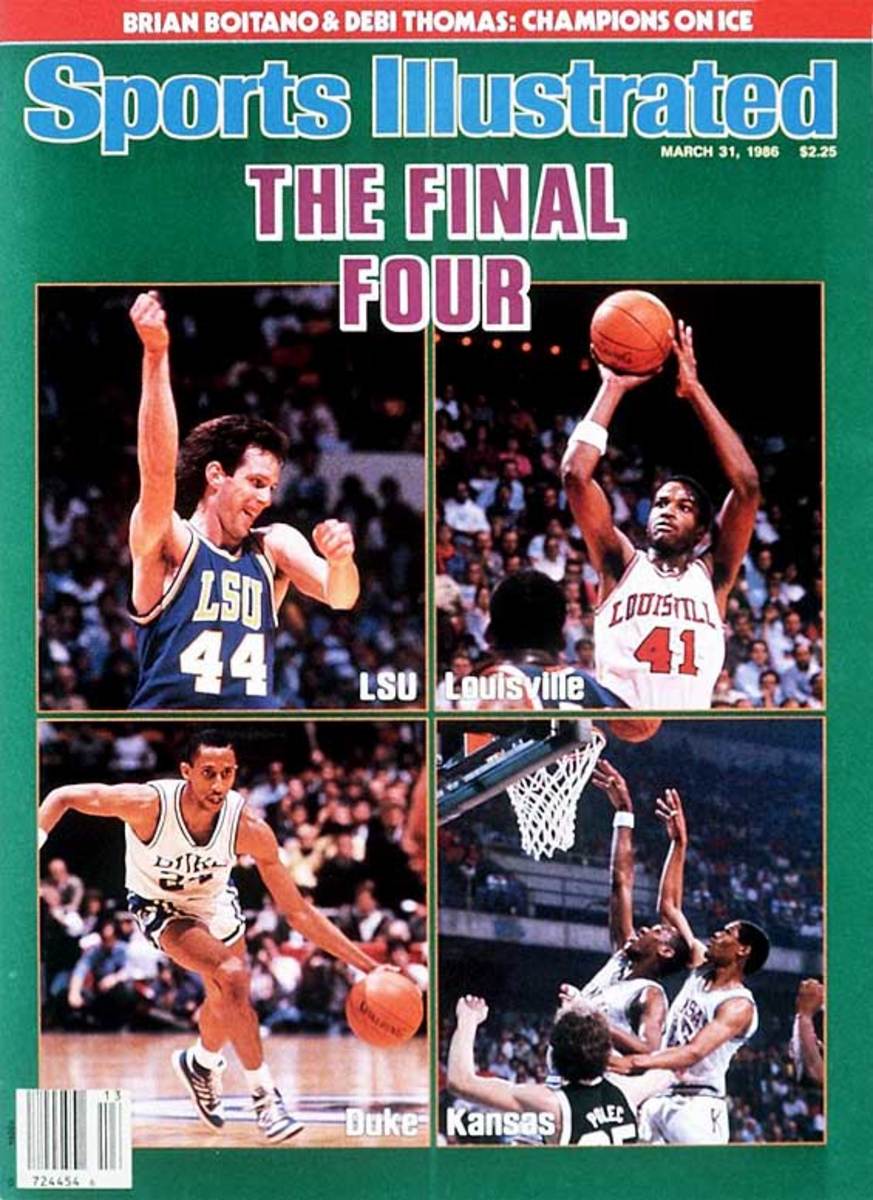
The Tigers jumped to a 14-0 regular-season start, but a slew of trouble contributed to 11 losses and a fifth-place finish in the SEC. The 11-seed rediscovered its stroke in the tournament. Led by forward John Williams, LSU defeated sixth-seeded Purdue in Round 1, 12th-ranked Memphis in Round 2, sixth-ranked Georgia Tech in Round 3, and third-ranked Kentucky in the regional final before losing to Louisville in a national semifinal.
Penn
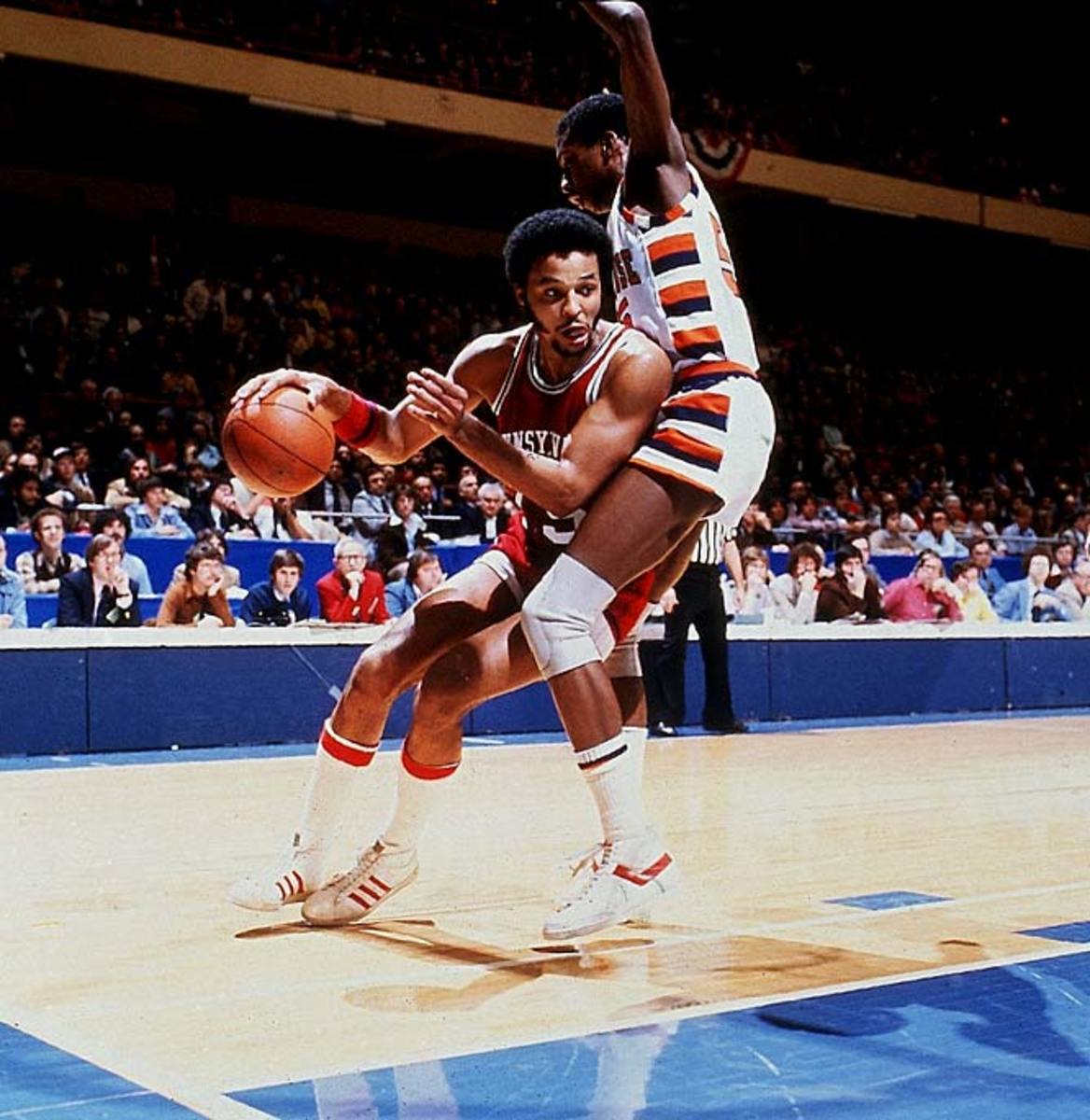
In 1979, UPenn made an improbable run to the Final Four, and no Ivy has done so since. Without a single player on scholarship, the ninth-seeded Quakers knocked off third-ranked North Carolina, Jim Boeheim's Syracuse Orange and Lou Carnesecca's St. John's squad before being routed by Magic's Michigan State.
Davidson
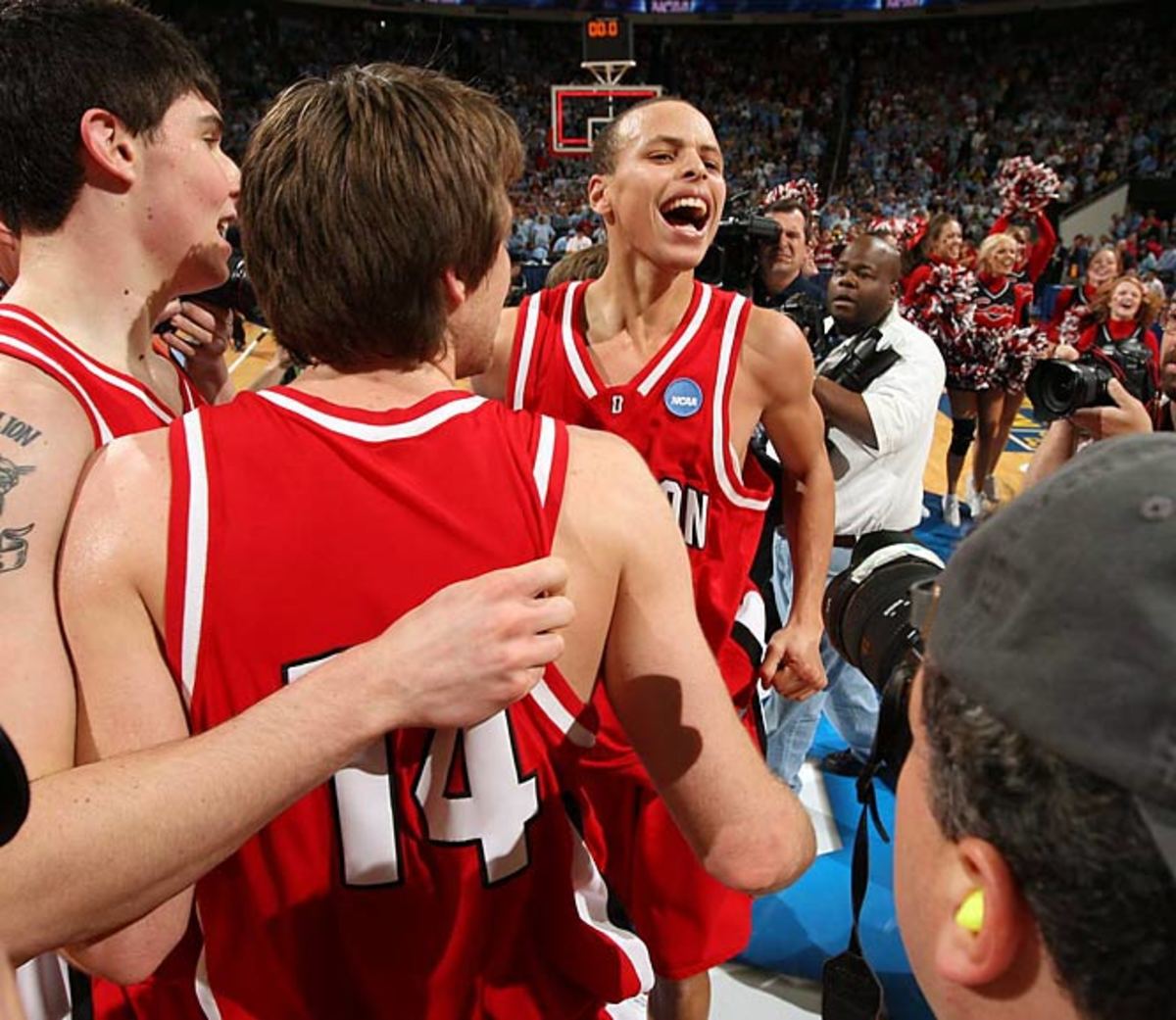
One name: Steph Curry. The nation's fifth-leading scorer led the No. 10 seed to remarkable victories over seventh seed Gonzaga, second seed Georgetown and third seed Wisconsin. Curry captivated the nation, dropping 40, 30 and 33 points, respectively, as well as 25 points in Davidson's heartbreaking Elite Eight loss to Kansas.
Providence
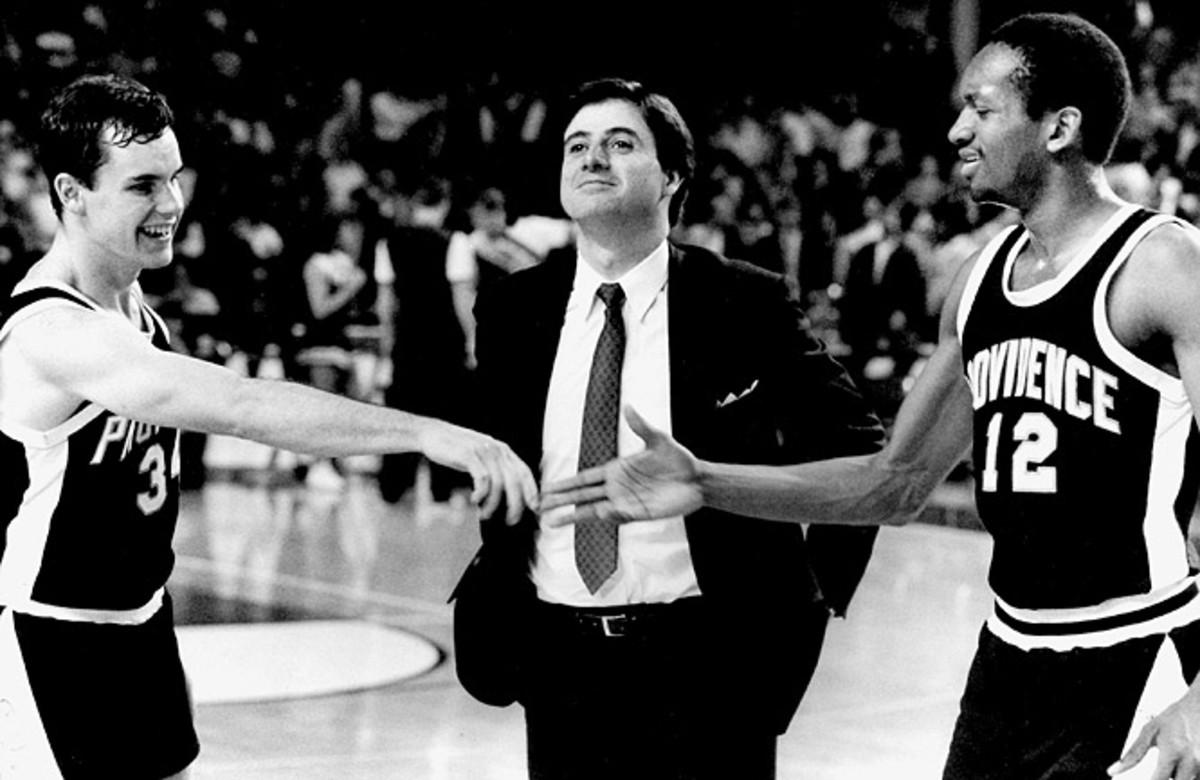
Providence was faced with tragedy just as tournament time came around. Shortly before the first game, coach Rick Pitino's infant son died, and he was forced to pass the reins to an assistant. But Pitino returned and led the unranked No. 6 seed Friars to victories over -- in order -- Birmingham, Austin Peay, ninth-ranked Alabama and fourth-ranked Georgetown, before losing to Syracuse in the Final Four.
Loyola Marymount
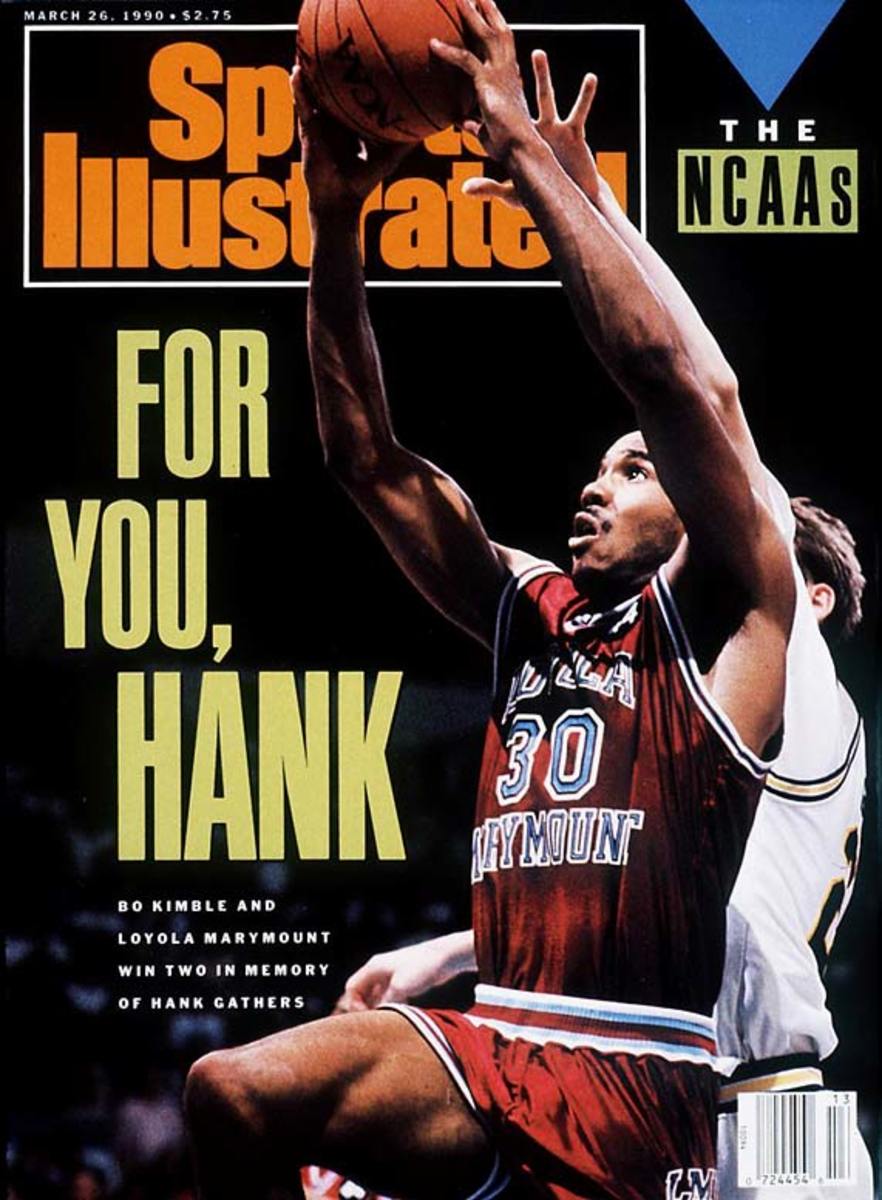
Perhaps the most remarkable thing about LMU's run to the Elite Eight is the tragedy out of which it arose. Just weeks before, in a Western Conference tournament game, team star Hank Gathers collapsed and died of a heart condition. Motivated by the death, and led by Gathers' best friend Bo Kimble, the No. 11 seed upset No. 6 seed New Mexico State, 13th-ranked Michigan and Alabama before losing to eventual champion UNLV.
Gonzaga
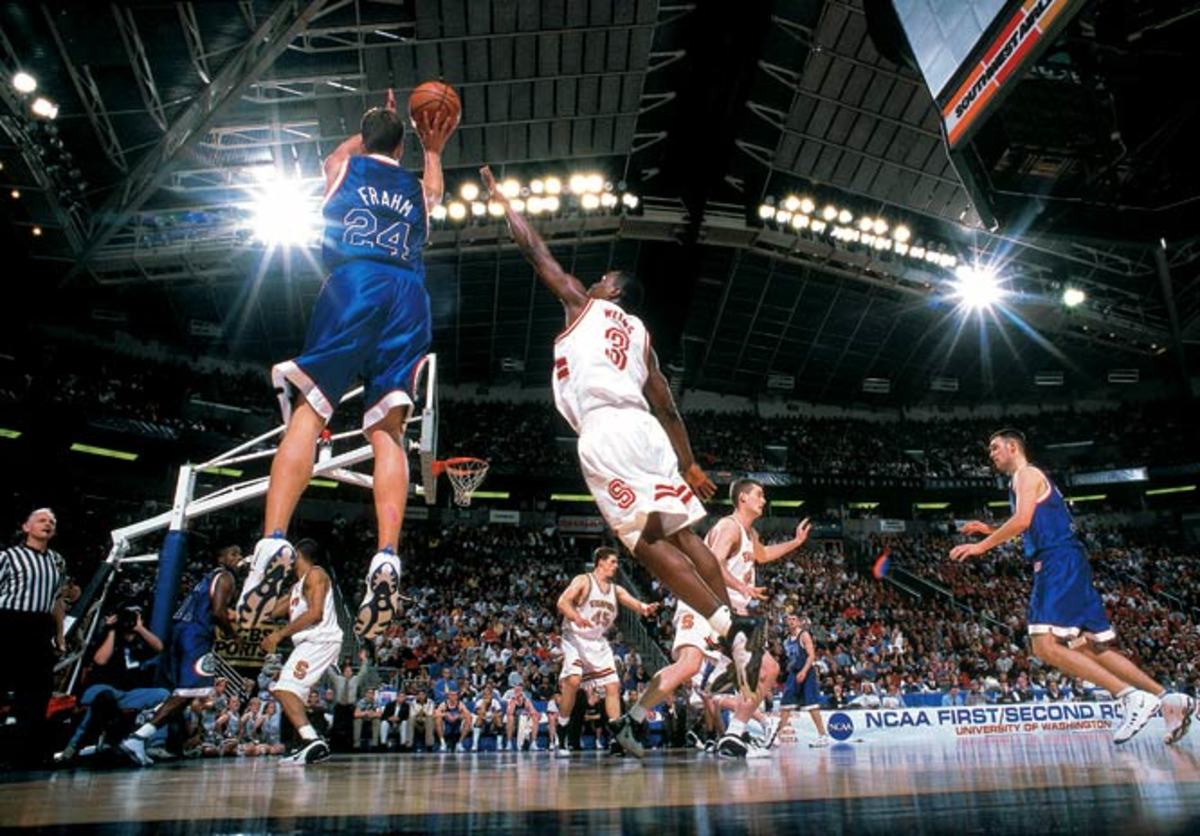
Now a perennial tournament entrant, Gonzaga was practically unknown in 1999. Led by Matt Santangelo, Casey Calvary and Richie Frahm (all of whom have fallen into relative anonymity), the Western Coast Conference champs lost only six games coming into the tourney and earned the No. 10 seed in the West region. They upset, in succession, Minnesota, seventh-ranked Stanford and 23rd-ranked Florida to make it to the Elite Eight, where they lost to eventual champ UConn.
 Add us as a preferred source on Google