%20%20--%3E%0A%3Csvg%20version%3D%221.1%22%20id%3D%22Layer_1%22%20xmlns%3D%22http%3A%2F%2Fwww.w3.org%2F2000%2Fsvg%22%20xmlns%3Axlink%3D%22http%3A%2F%2Fwww.w3.org%2F1999%2Fxlink%22%20x%3D%220px%22%20y%3D%220px%22%0A%09%20width%3D%2239px%22%20height%3D%2240px%22%20viewBox%3D%220%200%2039%2040%22%20enable-background%3D%22new%200%200%2039%2040%22%20xml%3Aspace%3D%22preserve%22%3E%0A%3Cpath%20fill%3D%22%23FFFFFF%22%20d%3D%22M38.5%2C7H28.2v26h10.3V7z%22%2F%3E%0A%3Cpath%20fill-rule%3D%22evenodd%22%20clip-rule%3D%22evenodd%22%20fill%3D%22%23FFFFFF%22%20d%3D%22M26.1%2C25.5c0%2C5.8-4.1%2C7.5-12.9%2C7.5C3.9%2C33%2C0%2C31.2%2C0%2C25.2v-1.1h11.6%0A%09v2.4c0%2C0.7%2C0.1%2C1.4%2C1.2%2C1.4c1%2C0%2C1.2-0.4%2C1.2-1.3v-0.9c0-1.6-0.9-1.6-3.5-2.2C2.2%2C21.7%2C0%2C19.7%2C0%2C15.3v-0.9C0%2C9.3%2C5.5%2C7%2C12.9%2C7%0A%09c10.2%2C0%2C12.8%2C2.6%2C12.8%2C7.4v1.8h-11v-2.9c0-0.6-0.4-1.1-1.2-1.1c-0.6%2C0-1.2%2C0.4-1.2%2C1.1v0.9c0%2C1.5%2C0.9%2C2%2C3.3%2C2.5%0A%09c8%2C1.6%2C10.5%2C3.3%2C10.5%2C7.5V25.5z%22%2F%3E%0A%3C%2Fsvg%3E%0A)
10 Most Impressive National Title Runs

10 Most Impressive National Title Runs
Duke, 1992
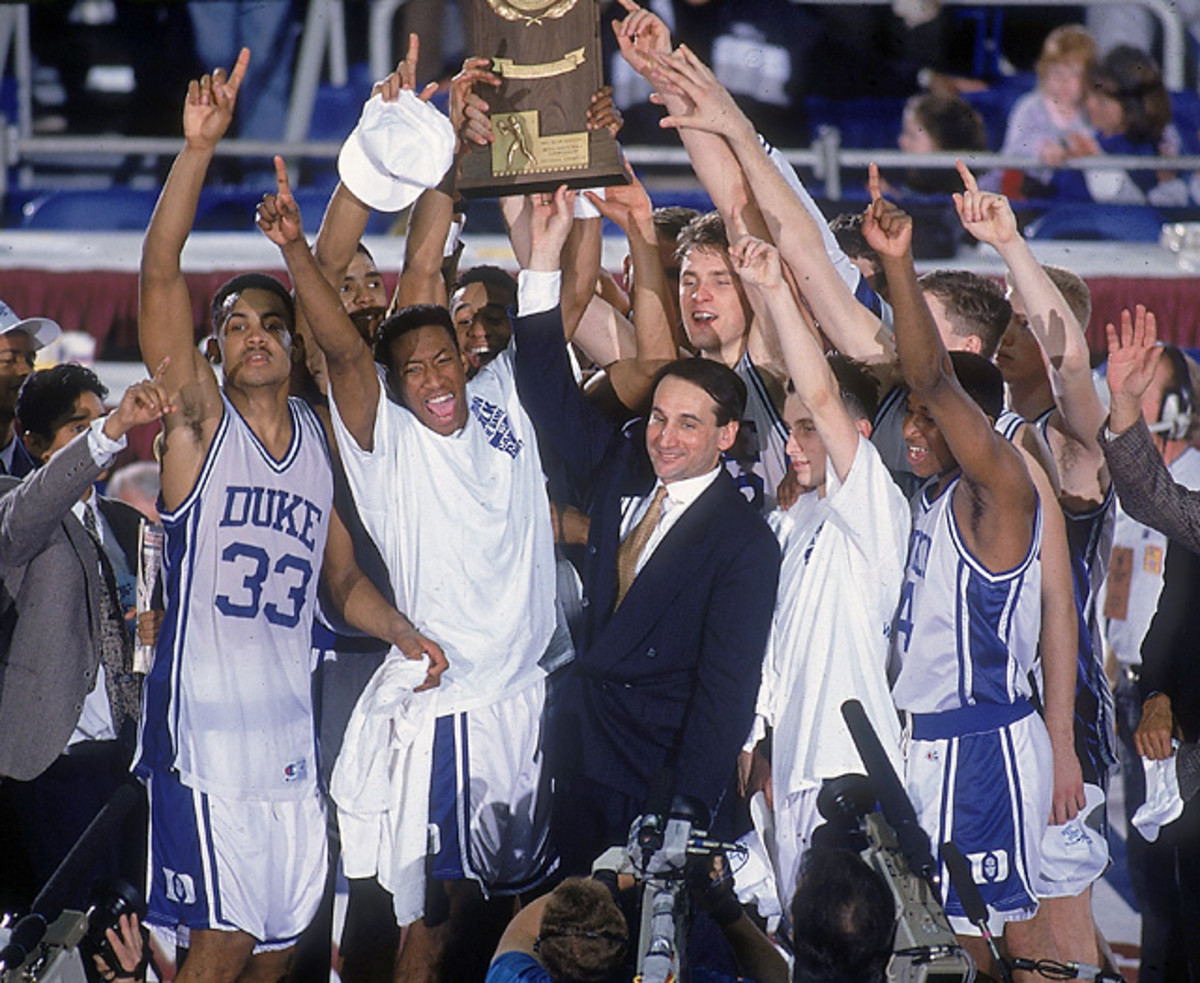
SI's Andy Glockner ranked the championship run of every national champion since the tournament expanded to 64 teams in 1985. The champs were evaluated on overall record (including conference tournaments), quality of opponents faced, margins of victory and perceived expectations for that team entering the postseason. Here are the results. The Blue Devils comfortably rolled through the ACC tournament, including a thrashing of North Carolina in the final and only had two close calls in the NCAAs. One of those was the Christian Laettner game, the 104-103 win over Kentucky that is widely regarded as the best NCAA Tournament game of all time. They edged Indiana in the semis before crushing the Fab Five by 20 to repeat as national champs.
Connecticut, 2004

The Huskies rolled through most of the BET without Emeka Okafor, then edged top-seed Pitt in the title game. They surprisingly received a 2-seed in the NCAAs because of questions about Okafor's back, but many picked them to win it all anyway. They plowed through a 15/7/6/8 path in the regional, winning all four games by at least 16 points. After edging Duke in a great national semi, they routed upstart Georgia Tech for the title. Would be higher if they faced a stronger path or if expectations were lower.
Villanova, 1985

The first champ of the 64 (and more) team era remains its most unlikely as the 8th-seeded Wildcats won the crown, disposing of two 1-seeds and two 2-seeds along the way. They lost at St. John's in the Big East semifinal, which is very understandable as the then-Redmen were the BET's top seed, were a 1-seed in the NCAAs and also made the Final Four. Four of Nova's NCAA wins were by four points or fewer.
UNLV, 1990

The Rebels ripped through three overmatched foes in their conference tournament and then most of the NCAAs, where the only doubt came in a two-point win over surprise 12-seed Ball State in the Sweet 16. UNLV won by 30 in both the Elite Eight (over storybook Loyola Marymount) and in the title game (over Duke). They were ridiculously dominant at times and incredibly fun to watch.
Duke, 2001
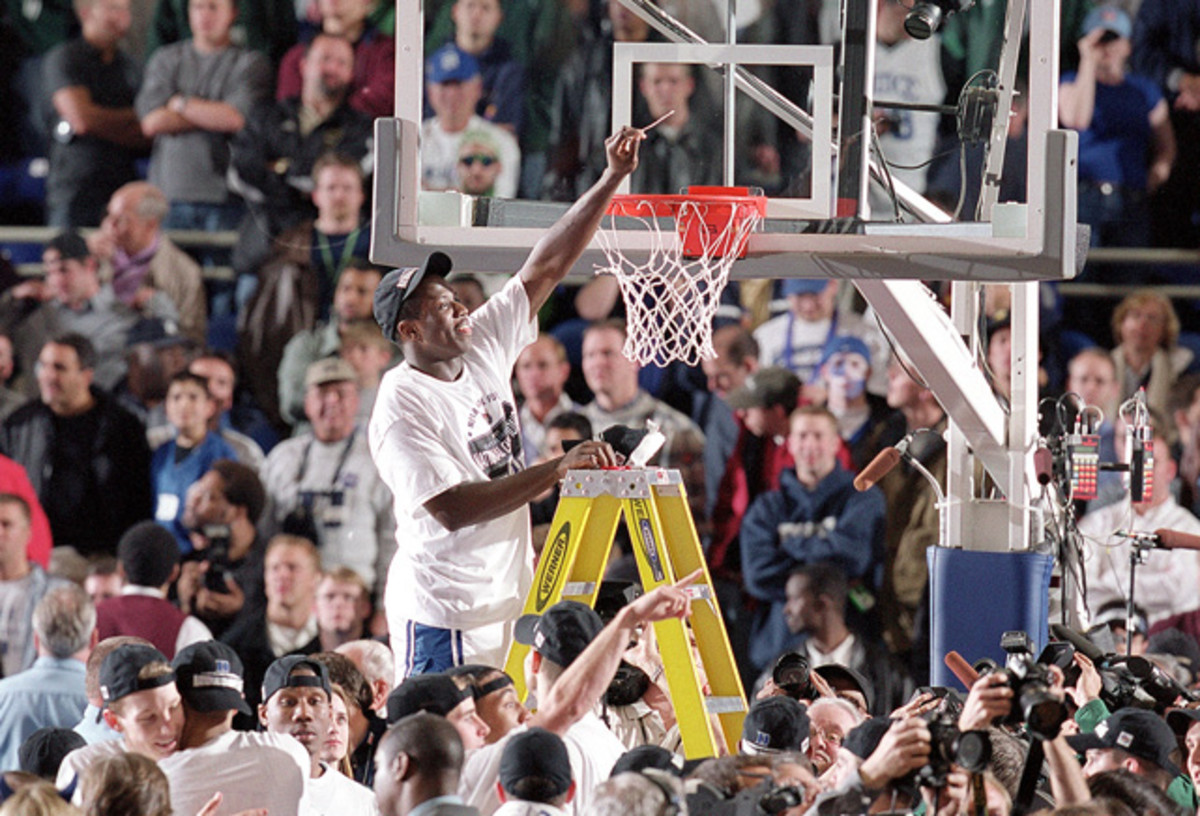
The Blue Devils only had two close calls the entire postseason, and both came against league rival Maryland, which went on to win the national title the following season. Duke beat the Terps on a last-second tip-in in the ACC semis and then rallied from 22 points down in the national semis to win by 11. They won every NCAA Tournament game by double digits, but didn't play another 1-seed in the event.
Arizona, 1997

The fourth-seeded Wildcats' case is pretty simple: They are the only team to beat three No. 1 seeds to win the national title. They aren't higher on the list because they wasn't a Pac-10 tournament at the time (they actually lost their final two Pac-10 games of the season the weekend before the NCAAs), their three other NCAA wins were over double-digit seeds and they had no wins by double digits. That said, second-round foe College of Charleston ended the year ranked 16th and, as noted by another Twitter follower (@notthefakeDLong), regional final opponent Providence had God (Shammgod) on its side.
Kentucky, 1996
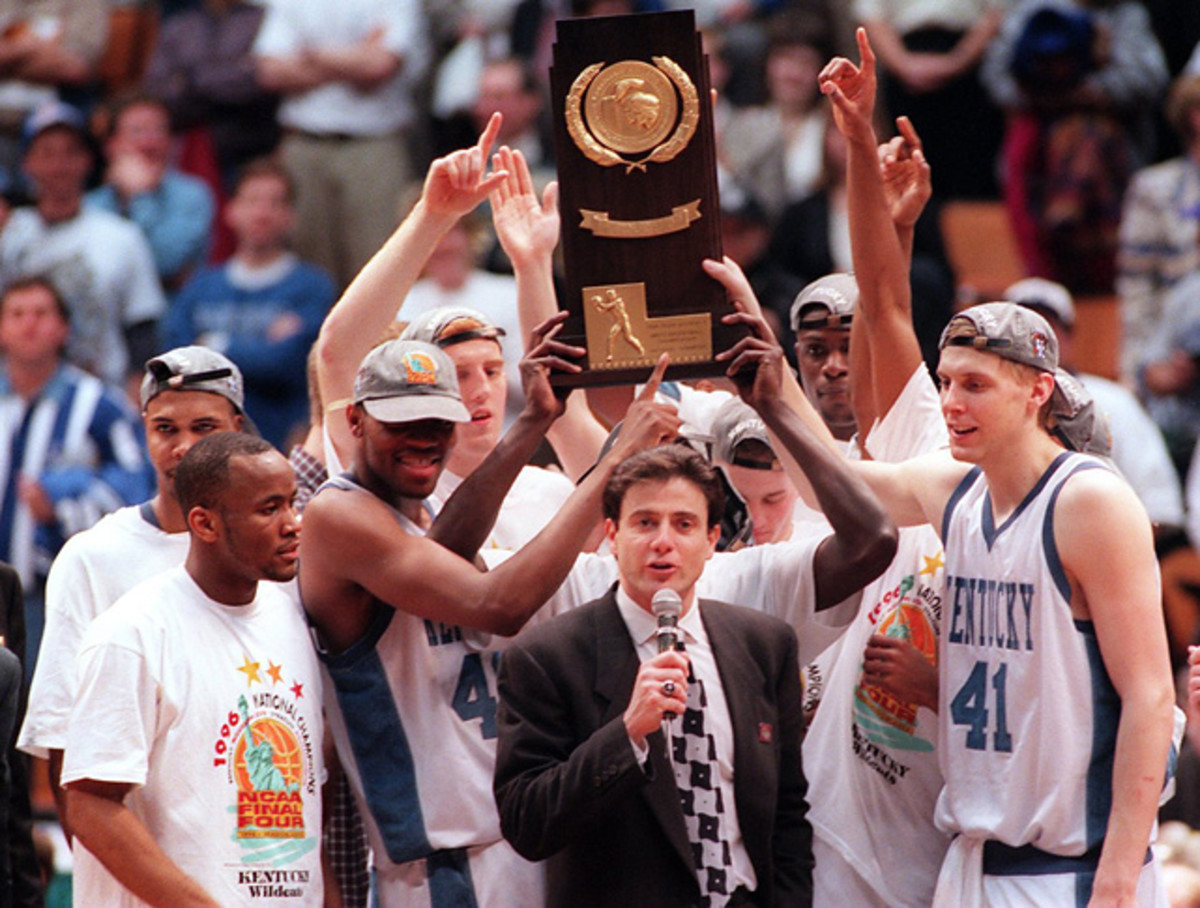
The SEC title game loss to Mississippi State, which went on to make the Final Four itself, is the only blemish on an utterly dominant postseason run. Playing virtually the toughest path for an NCAA 1-seed, Kentucky won all four games in its region by at least 20 points. The Wildcats then avenged their other loss of the season by beating 1-seed UMass before comfortably topping Syracuse in the title game.
Michigan State, 2000
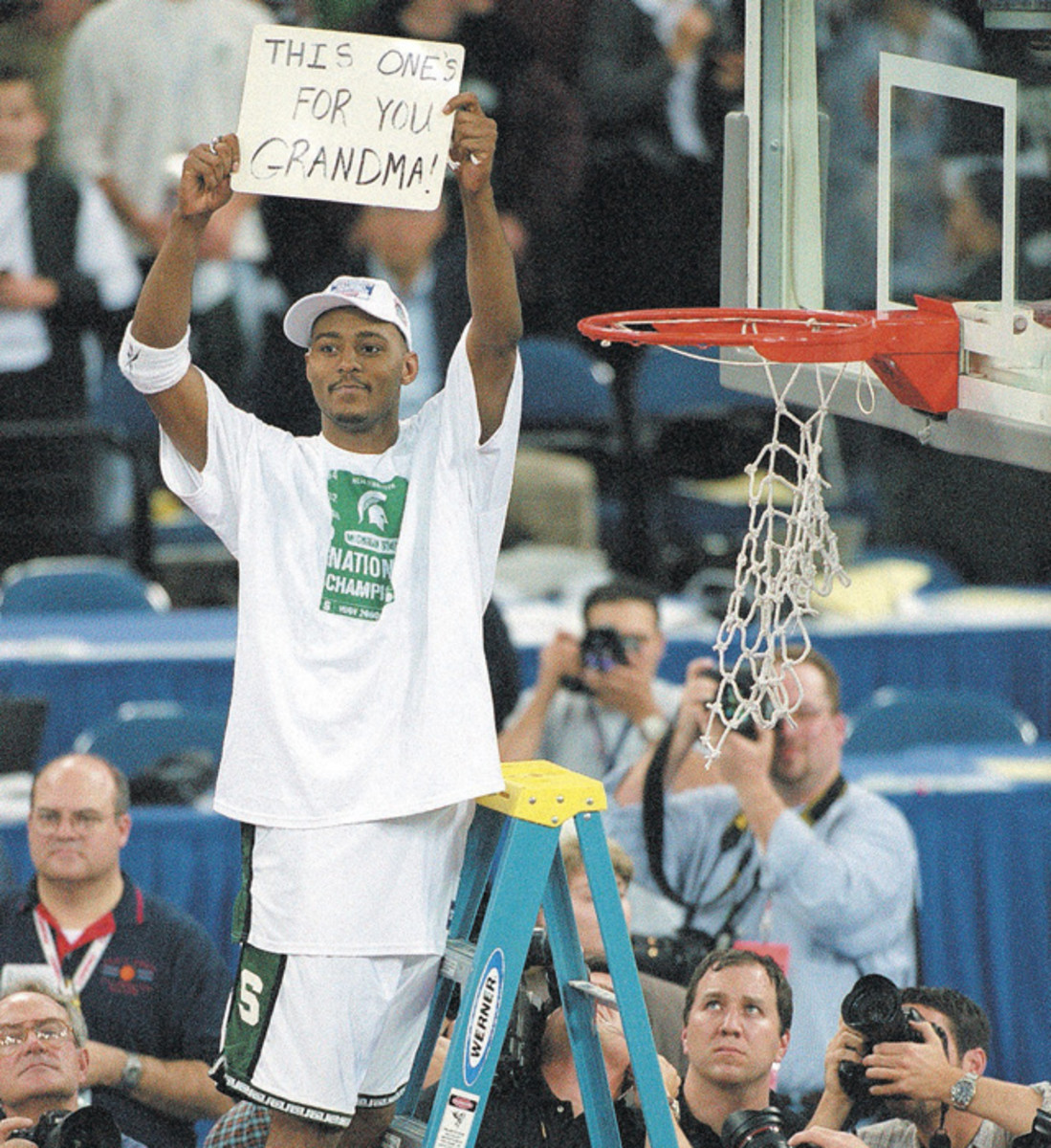
The Spartans only won one of the nine games by single digits and that was by nine against slowdown Wisconsin in the Big Ten semis. They played the toughest possible path for a 1-seed in the region and beat the 16/8/4/2 seeds by 27, 12, 17 and 11 points. Then they beat Wisconsin for a fourth time that season in the national semis by 12 and beat upstart Florida by 13 to win it all. The modest demerits: They beat the 7/6/4 seeds to win the Big Ten tourney and only beat one top-3 seed in the NCAAs.
UConn, 2011
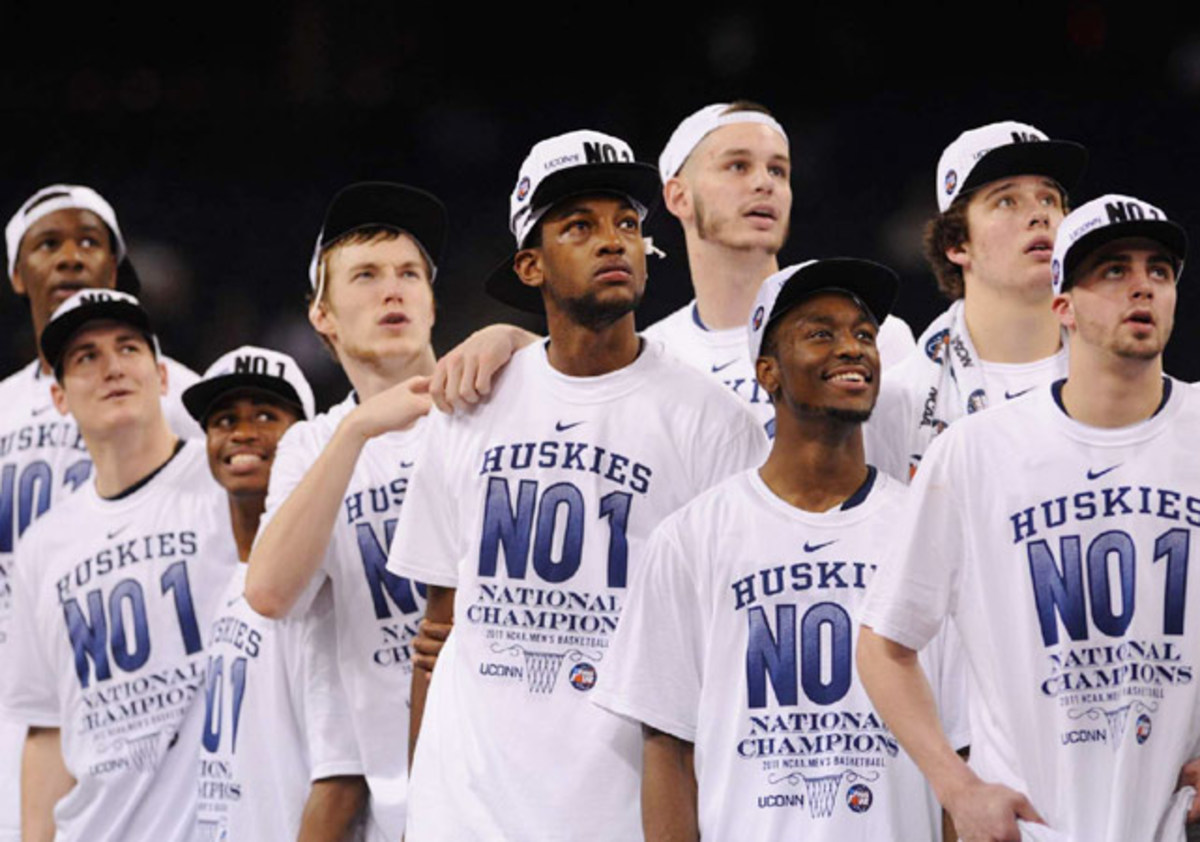
Really? The first (and likely only) team to go 11-0 in March tournament play only gets second? Well, the "11" was boosted by a meaningless first-round BET win over DePaul (aside from the start of extended fatigue) and then second-round foe Georgetown was crippled without Chris Wright. That said, the subsequent run of wins over Pitt, Louisville and Notre Dame (1-, 4- and 2-seeds in the NCAAs) was astonishing and adds a ton of heft to a solid-but-not-dominant NCAA run that, like MSU, includes only one win over a top-3 seed. They edge the Spartans on overall quality of opponent and exceeding expectations.
Florida, 2006
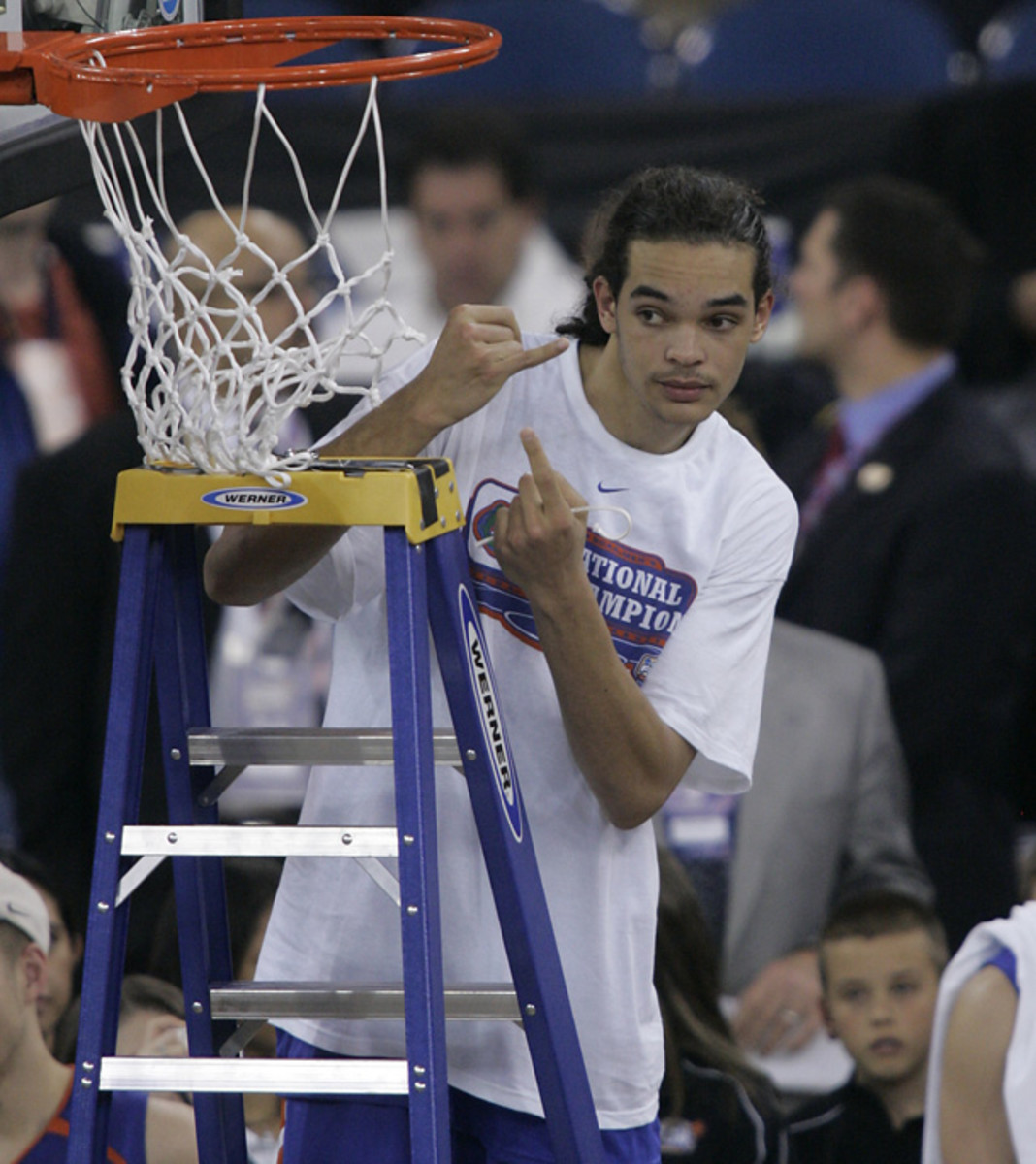
This title team gets lost in the retelling of the repeat title for the "`04s" the following season. Unlike the '07 champs, though, these Gators weren't a No. 1 seed and didn't slog through a title run. Seven of their nine postseason wins came over teams in Ken Pomeroy's top 25 and they didn't play a sub-100 team. The 3-seed won its final five NCAA games by an average of 14.0 points per game, finishing the deal by ripping 1-seed Villanova, fairy tale George Mason, and then 2-seed UCLA in the final, all by double digits.By the slimmest of margins over fellow 3-seed UConn, I'll take the more dominant Gators, putting more value on the dominance and better quality opponents faced in the NCAAs.
 Add us as a preferred source on Google