%20%20--%3E%0A%3Csvg%20version%3D%221.1%22%20id%3D%22Layer_1%22%20xmlns%3D%22http%3A%2F%2Fwww.w3.org%2F2000%2Fsvg%22%20xmlns%3Axlink%3D%22http%3A%2F%2Fwww.w3.org%2F1999%2Fxlink%22%20x%3D%220px%22%20y%3D%220px%22%0A%09%20width%3D%2239px%22%20height%3D%2240px%22%20viewBox%3D%220%200%2039%2040%22%20enable-background%3D%22new%200%200%2039%2040%22%20xml%3Aspace%3D%22preserve%22%3E%0A%3Cpath%20fill%3D%22%23FFFFFF%22%20d%3D%22M38.5%2C7H28.2v26h10.3V7z%22%2F%3E%0A%3Cpath%20fill-rule%3D%22evenodd%22%20clip-rule%3D%22evenodd%22%20fill%3D%22%23FFFFFF%22%20d%3D%22M26.1%2C25.5c0%2C5.8-4.1%2C7.5-12.9%2C7.5C3.9%2C33%2C0%2C31.2%2C0%2C25.2v-1.1h11.6%0A%09v2.4c0%2C0.7%2C0.1%2C1.4%2C1.2%2C1.4c1%2C0%2C1.2-0.4%2C1.2-1.3v-0.9c0-1.6-0.9-1.6-3.5-2.2C2.2%2C21.7%2C0%2C19.7%2C0%2C15.3v-0.9C0%2C9.3%2C5.5%2C7%2C12.9%2C7%0A%09c10.2%2C0%2C12.8%2C2.6%2C12.8%2C7.4v1.8h-11v-2.9c0-0.6-0.4-1.1-1.2-1.1c-0.6%2C0-1.2%2C0.4-1.2%2C1.1v0.9c0%2C1.5%2C0.9%2C2%2C3.3%2C2.5%0A%09c8%2C1.6%2C10.5%2C3.3%2C10.5%2C7.5V25.5z%22%2F%3E%0A%3C%2Fsvg%3E%0A)
Media Buffet: To See Where the PGA Tour's Priorities Are, Look In the Broadcast Booth
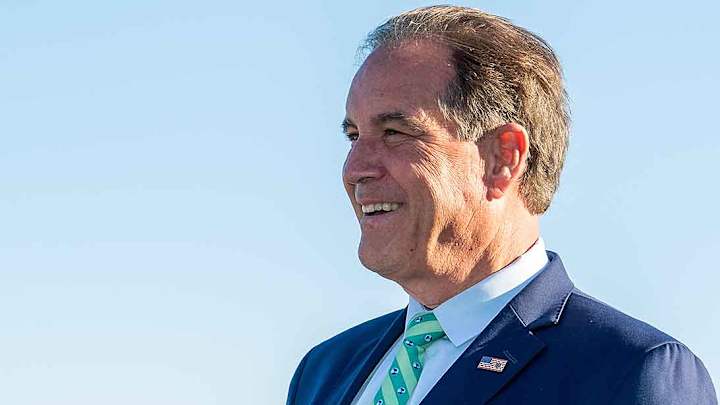
We’ve reached the time of year when CBS’ golf telecasts begin to take on some notable lineup changes. Jim Nantz and Nick Faldo, the network’s 18th-tower heavyweights, are given bye weeks on various occasions throughout the summer, leaving producer Sellers Shy with several options in regard to who fills those seats in their absences.
Last month in New Orleans, for instance, Andrew Catalon replaced Nantz as host of the coverage, with Ian Baker Finch and Colt Knost basically teaming up to fill in for Faldo. The Zurich Classic itself was a two-man team affair in the best-ball and alternate-shot formats. The field was lightly sprinkled with star power — nothing close to the level one would associate with a high-end PGA Tour event, let alone a major championship.
Nantz returned to work last week in Mexico, surely to the surprise of those who take interest in such matters. This was by far the weakest gathering of players we’ve seen (and are likely to see) all year. Technically speaking, this was the inaugural edition of the Mexico Open, although the Tour held a WGC there from 2017-20. In short, it was an assignment one might have expected Nantz to skip — Faldo passed on it as CBS reached the halfway point of the softest four-week stretch on its golf calendar.
Says a knowledgeable source: “It’s very likely the Mexican [contingent] paid the Tour a premium to have the CBS A-team there, and the Tour definitely is interested in reviving Mexico as a regular stop on the schedule.”
No question there. Camp Ponte Vedra has hardly disguised its intention of expanding its geographical borders en route to controlling the entire golf universe, but what about the star-deprived tournaments with strong civic support in the United States? The John Deere Classic has been around since 1971. Not that Nantz’s presence would turn it into a huge deal on a national scale, but it’s a loyal client that deserves more love than it gets from the almighty empire.
The nameless field and almost non-existent galleries in Mexico left viewers with what looked like a COVID-19 event, when spectators were denied admission altogether. It lacked the atmosphere we’ve come to appreciate from live, big-league golf at this point in the season. It also sends a negative message to the title sponsors who financially support tournaments that battle for survival on an annual basis.
Nantz has served as the voice of American sports for quite a while now. He is virtually flawless as an anchor, whether he’s calling the action throughout March Madness, doing play-by-play at NFL games or presiding over 15 or 16 Tour events per year. He never trips over his tongue. He is incomparably prepared and relays that information to his audience at a higher level of consistency than any other household fixture in the industry.
Joe Buck. Al Michaels. Bob Costas. Mike Tirico. They’re all really good, but Nantz is the best. “Jimmy is an institution,” is how the aforementioned source puts it.
Jimmy is also a golf guy — a huge asset to CBS and the Tour because he brings a sense of importance to every tournament he covers. He elevates the viewing experience. His familiarity translates into credibility in a game where substance still trumps style. Does he venture over the top at times in terms of enhancing the drama? Perhaps, but CBS isn’t reportedly paying Nantz $10.5 million a year to put you to sleep.
He may not drive ratings, but he means something. He also decides which events he works and the few he’ll miss to catch his breath, and like anyone else in the business, Nantz wants to be at the events that matter most. He certainly has earned that right.
It’s hard to imagine what CBS would do without him, nor is it realistic to blame Nantz for any perceived shortcomings in the network’s golf presentation. Faldo can be replaced, although that’s not about to occur anytime soon, especially with Phil Mickelson (a potential successor) entrenched in purgatory after his anti-Tour comments earlier this year.
Anyone with a bird’s-eye view of the industry will tell you: Jay Monahan’s tenure as commissioner has led to greater influence from headquarters over what you see on the weekend. Control the message, puff up the stars, steer safely clear of criticism and controversy. From that mindset comes a subtle but significant rearrangement of priorities. It’s now much more important to establish roots in a foreign country than to help an existing event that draws just a handful of players with name recognition.
The threat of a rival golf league only lends validity to the Tour’s philosophy. Jim Nantz travels south of the border because his employer tells him the Tour needs him there, because international growth is deemed crucial to the health of an organization that suddenly feels pressure from uncontrollable external forces. You don’t stay dominant if you don’t practice a little paranoia. Besides, there’s not much left to accomplish in its vast and plentiful homeland.
CBS complies because it doesn’t want to mess with a valued franchise in its weekend treasure chest. There wasn’t much, if anything, Nantz could do to make Mexico interesting, but Camp Ponte Vedra got everything it wanted from the adventure. A victory by the biggest name in an anonymous field. And more proof that its television partners will do anything it tells them to do.
Agree? Disagree? Tell us at editor@morningread.com and we may publish your letter. And to receive all the latest news and commentary free in your inbox every morning, sign up here.
 Add us as a preferred source on Google
A worldview optimist trapped inside a curmudgeon’s cocoon, John Hawkins began his journalism career with the Baltimore News American in 1983. The Washington Times hired him as a general assignment/features writer four years later, and by 1992, Hawkins was writing columns and covering the biggest sporting events on earth for the newspaper. Nirvana? Not quite. Repulsed by the idea of covering spoiled, virulent jocks for a living, Hawkins landed with Golf World magazine, where he spent 14 years covering the PGA Tour. In 2007, the Hawk began a seven-year relationship with Golf Channel, where he co-starred on the “Grey Goose 19th Hole” and became a regular contributor to the network's website. Hawkins also has worked for ESPN, Sports Illustrated, Golf Digest and Golf.com at various stages of his career. He and his family reside in southern Connecticut.