%20%20--%3E%0A%3Csvg%20version%3D%221.1%22%20id%3D%22Layer_1%22%20xmlns%3D%22http%3A%2F%2Fwww.w3.org%2F2000%2Fsvg%22%20xmlns%3Axlink%3D%22http%3A%2F%2Fwww.w3.org%2F1999%2Fxlink%22%20x%3D%220px%22%20y%3D%220px%22%0A%09%20width%3D%2239px%22%20height%3D%2240px%22%20viewBox%3D%220%200%2039%2040%22%20enable-background%3D%22new%200%200%2039%2040%22%20xml%3Aspace%3D%22preserve%22%3E%0A%3Cpath%20fill%3D%22%23FFFFFF%22%20d%3D%22M38.5%2C7H28.2v26h10.3V7z%22%2F%3E%0A%3Cpath%20fill-rule%3D%22evenodd%22%20clip-rule%3D%22evenodd%22%20fill%3D%22%23FFFFFF%22%20d%3D%22M26.1%2C25.5c0%2C5.8-4.1%2C7.5-12.9%2C7.5C3.9%2C33%2C0%2C31.2%2C0%2C25.2v-1.1h11.6%0A%09v2.4c0%2C0.7%2C0.1%2C1.4%2C1.2%2C1.4c1%2C0%2C1.2-0.4%2C1.2-1.3v-0.9c0-1.6-0.9-1.6-3.5-2.2C2.2%2C21.7%2C0%2C19.7%2C0%2C15.3v-0.9C0%2C9.3%2C5.5%2C7%2C12.9%2C7%0A%09c10.2%2C0%2C12.8%2C2.6%2C12.8%2C7.4v1.8h-11v-2.9c0-0.6-0.4-1.1-1.2-1.1c-0.6%2C0-1.2%2C0.4-1.2%2C1.1v0.9c0%2C1.5%2C0.9%2C2%2C3.3%2C2.5%0A%09c8%2C1.6%2C10.5%2C3.3%2C10.5%2C7.5V25.5z%22%2F%3E%0A%3C%2Fsvg%3E%0A)
Why the Dodgers' Win in Game 3 of the World Series Gave Them a Massive Advantage
In this story:
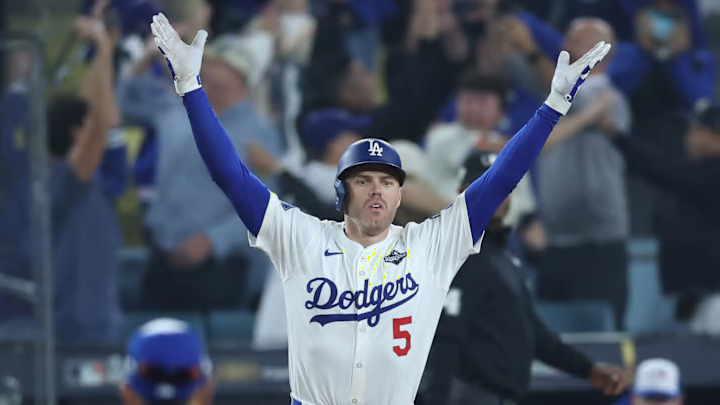
The Dodgers came away with an unbelievable win in Game 3 of the 2025 World Series. In an 18-inning classic, L.A. outlasted the Blue Jays and finally took home a 6–5 victory thanks to a walk-off home run by Freddie Freeman.
During the game on Monday night, the two teams combined to use 19 pitchers, throwing more than 600 pitches in a game that lasted six hours and 39 minutes. Whichever team won was getting a huge boost, while the loser was going to feel demoralized. But that's not the only reason the Dodgers now have a big advantage in the series.
History is on L.A.'s side after their Game 3 win. In World Series history, when teams split the first two games, the winner of Game 3 usually winds up winning the series. The numbers are pretty stark.
That's bad news for the Blue Jays, who are probably looking for any reason to believe they still have a chance to win the series.
The history of Game 3 winners in a 1–1 World Series
The 2025 World Series is the 121st in MLB history, with the first modern series being played in 1903. Since 1905, the series has been a best-of-seven affair, except for the years between 1919 and '21 when it temporarily switched to a best-of-nine format. This year's World Series is the 62nd in the best-of-seven format to be tied 1-1 after two games. In the previous 61 instances, the winner of Game 3 went on to win the series 42 times. That's 68.9%. The odds are almost overwhelmingly bad for the team losing that third game.
Recent history can also serve as a guide here. The Dodgers took a 3–0 lead over the Yankees in the 2024 World Series before winning 4–1, but the previous four editions of the Fall Classic all featured a 1–1 start.
In the 2020 COVID-impacted World Series, the Dodgers and Rays were tied at 1–1 after two games. L.A. beat the Rays 6–2 in Game 3 and went on to win the series in six games.
In the 2021 World Series, the Braves and Astros entered Game 3 tied at 1–1 in the series. Five pitchers for Atlanta combined to throw a two-hit shutout in that game, leading their team to a 2–0 win. The Braves took the series in six games.
In 2022, the Phillies topped the Astros in Game 1, while Houston countered to win Game 2. Philadelphia won Game 3 in a 7–0 blowout, but, bucking the trend, the Astros won the final three games of the series, winning it 4–2 in six games.
During the 2023 World Series, the Rangers won Game 1 over the Diamondbacks 6–5 in 11 innings. Arizona answered by taking Game 2 with a dominant 9–1 performance. Texas wasn't deterred and swept the next three games to win the series 4–1.
In three of those four instances, the team that won Game 3 went on to win the series, which is close to the all-time average. Taking a 2–1 lead in the World Series remains a massive advantage.
The Dodgers are now in the driver's seat to take home their second-straight championship.
More World Series on Sports Illustrated
 Add us as a preferred source on Google
Ryan Phillips is a senior writer on the Breaking and Trending News team at Sports Illustrated. He has worked in digital media since 2009, spending eight years at The Big Lead before joining SI in 2024. Phillips also co-hosts The Assembly Call Podcast about Indiana Hoosiers basketball and previously worked at Bleacher Report. He is a proud San Diego native and a graduate of Indiana University’s journalism program.
Follow rumorsandrants