%20%20--%3E%0A%3Csvg%20version%3D%221.1%22%20id%3D%22Layer_1%22%20xmlns%3D%22http%3A%2F%2Fwww.w3.org%2F2000%2Fsvg%22%20xmlns%3Axlink%3D%22http%3A%2F%2Fwww.w3.org%2F1999%2Fxlink%22%20x%3D%220px%22%20y%3D%220px%22%0A%09%20width%3D%2239px%22%20height%3D%2240px%22%20viewBox%3D%220%200%2039%2040%22%20enable-background%3D%22new%200%200%2039%2040%22%20xml%3Aspace%3D%22preserve%22%3E%0A%3Cpath%20fill%3D%22%23FFFFFF%22%20d%3D%22M38.5%2C7H28.2v26h10.3V7z%22%2F%3E%0A%3Cpath%20fill-rule%3D%22evenodd%22%20clip-rule%3D%22evenodd%22%20fill%3D%22%23FFFFFF%22%20d%3D%22M26.1%2C25.5c0%2C5.8-4.1%2C7.5-12.9%2C7.5C3.9%2C33%2C0%2C31.2%2C0%2C25.2v-1.1h11.6%0A%09v2.4c0%2C0.7%2C0.1%2C1.4%2C1.2%2C1.4c1%2C0%2C1.2-0.4%2C1.2-1.3v-0.9c0-1.6-0.9-1.6-3.5-2.2C2.2%2C21.7%2C0%2C19.7%2C0%2C15.3v-0.9C0%2C9.3%2C5.5%2C7%2C12.9%2C7%0A%09c10.2%2C0%2C12.8%2C2.6%2C12.8%2C7.4v1.8h-11v-2.9c0-0.6-0.4-1.1-1.2-1.1c-0.6%2C0-1.2%2C0.4-1.2%2C1.1v0.9c0%2C1.5%2C0.9%2C2%2C3.3%2C2.5%0A%09c8%2C1.6%2C10.5%2C3.3%2C10.5%2C7.5V25.5z%22%2F%3E%0A%3C%2Fsvg%3E%0A)
FIFA Club World Cup 2025 Prize Money Breakdown
The FIFA Club World Cup is set for a major transformation in 2025.
Since 2005, the tournament has featured just seven teams—one from each of FIFA’s six continental confederations, plus a representative from the host nation.
This year, however, the competition is expanding dramatically. For the first time, 32 clubs from around the world will compete in a month-long tournament, set to take place in the United States from June 15 to July 13, 2025.
From England to South Africa and all the way to Australia, teams from every corner of the globe are taking part this year, marking a historic expansion of the competition.
It’s not just the size of the FIFA Club World Cup that has changed, though. There’s also significantly more money on offer than ever before, with FIFA dramatically increasing the prize pool to raise the stakes for competing clubs.
In this article, we’ll break down the tournament’s prize pool, compare it to other major competitions, and explore how clubs might reinvest their earnings—whether in star signings, stadium upgrades, or other key investments.
What is the Total Prize Money Pool for the FIFA Club World Cup?

In 2023, the prize money for the Club World Cup was a modest $16 million. However, for the 2025 edition, this amount has soared to a staggering $1 billion, making the tournament one of the most lucrative in world soccer.
This massive increase follows a landmark $1 billion broadcast deal FIFA signed with sports streaming service DAZN in December.
The prize money will be divided into two categories: a participation pool worth $525 million and a sporting performance pool totaling $425 million. Each club’s earnings will depend on its continental affiliation and how far it advances in the competition.
Beyond the prize fund, FIFA has pledged an additional $250 million to support clubs worldwide that are not taking part, stating that the investment will "provide a significant boost in our ongoing efforts to make football truly global."
Here’s a breakdown of how the funds from each category will be distributed
Sporting Performance Pillar
Stage | Prize Per Club (USD) |
|---|---|
Group Stage (3 Games) | $2 million per win/$1 million draw |
Round of 16 | $7.5 million |
Quarterfinal | $13.125 million |
Semifinal | $21 million |
Finalist | $30 million |
Winner | $40 million |
Participation Pillar
Continent | Prize Per Club (USD) |
|---|---|
Europe | $12.81-$38.19 million* |
South America | $15.21 million |
North, Central America & Caribbean | $9.55 million |
Asia | $9.55 million |
Africa | $9.55 million |
Oceania | $3.58 million |
*Determined by a ranking based on sporting and commercial criteria
In a statement, FIFA president Gianni Infantino said: “The FIFA Club World Cup will not only be the pinnacle of club football, but also a vivid demonstration of solidarity that will benefit clubs at large to a scale that no other competition has ever done."
He added: “All revenue generated by the tournament will be distributed to the participating clubs and via club solidarity across the world as FIFA will not keep a single dollar. FIFA’s reserves, which are there for global football development, will remain untouched.”
How Does the FIFA Club World Cup Prize Money Compare to Other Tournaments?

The new prize pool for the Club World Cup, while impressive, still falls short of the UEFA Champions League’s prize fund, which for the 2024/25 season totals $2.71 billion.
However, the potential maximum prize for winning the Club World Cup could surpass that of the Champions League.
This season, the maximum amount the team which wins the Champions League could take home stands at $102.4 million, where as the winners of the Club World Cup could walk away with anywhere between $91.2 million and $125.8 million.
In comparison to the Copa Libertadores, South America's equivalent of the Champions League, the Club World Cup's prize pool—and potential prize for winning—is now far greater.
The total prize fund for the 2024 edition of the Copa Libertadores was $207 million, with champions Botafogo receiving just over $31 million for their victory. This amount included $23 million for winning the final against Atlético Mineiro, a match that the president of the South American Football Confederation referred to as the “best-paid match in the world."
Tournament | Total Prize Pool (USD) | Maximum Earnings for Winner (USD) |
|---|---|---|
Club World Cup | $1 billion | $125.8 million |
UEFA Champions League | $2.71 billion | $102.4 million |
UEFA Europa League | $609 million | $31.7 million |
UEFA Conference League | $307.2 | $18 million |
Copa Libertadores | $207 million | $31 million |
Why Prize Money Matters for Clubs

The Club World Club has its critics because of the pressure the extra fixtures will place on players’ physical and mental well-being, the prize money will appeal to club owners. The proceeds will help top clubs to invest in their infrastructure and attract the best players.
But one of the main intentions of FIFA is to help distribute money to smaller clubs throughout the rest of the world.
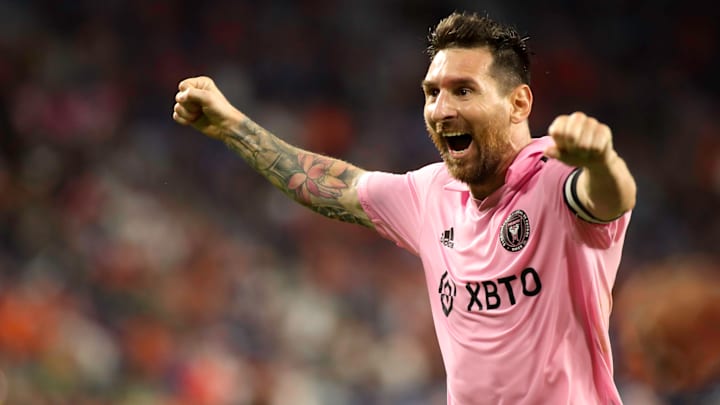
Beyond the 12 European teams, the tournament will feature six South American clubs, Africa, Asia, and North and Central America will all get four slots, and Oceania will be given one. Meanwhile, the final place has been allocated to the USA as the host nation. Controversially, this spot has been allocated to Inter Miami in the hope that Lionel Messi will star.

Several clubs have famously leveraged their Club World Cup success for transformative changes. For example, after becoming the first team from outside Europe or South America to reach the final in 2010, DR Congo’s TP Mazembe used the windfall to develop its infrastructure and improve its academy, helping it to become a dominant force in African soccer.
Similarly, Japan’s Kashima Antlers followed their runner-up finish in 2016 by investing in their stadium and training facilities, solidifying their position as a top J-League club.
Gianni Infantino has repeatedly stated his goal to make soccer “truly global”, but the nature of world soccer means this tournament is inevitably dominated by the richest sides. The last 11 finals have all been won by European clubs, and Real Madrid and Barcelona have been crowned champions for over half of those.
Despite attempting to redistribute the game’s wealth around the world, the FIFA Club World Cup somehow manages to also ensure the opposite happens—helping the elite to sit oh so comfortably on top of their throne.
READ THE LATEST NEWS ON THE CLUB WORLD CUP
 Add us as a preferred source on Google
Matt Weiner has written about soccer for The Times, CNN and Goal. The former FourFourTwo Deputy Editor still daydreams about the day he actually scored at The Emirates.
Follow mattweiner
Barnaby Lane, better known as Barney, is a soccer writer for SI FC. With nearly a decade of experience in the industry, he has worked for a range of household-name publications in both the United States and the United Kingdom, and has interviewed some of the world’s biggest athletes—from Usain Bolt and Rafael Nadal to Christian Pulisic (though his favorite interview remains Adebayo Akinfenwa). Barney specializes in Premier League soccer, covering everything from the nostalgia of years gone by to the modern, vastly different landscape of today’s game. He also has experience reporting on La Liga and Major League Soccer, the latter of which he developed a particular affinity for during his university days at Virginia Commonwealth University in Richmond.