%20%20--%3E%0A%3Csvg%20version%3D%221.1%22%20id%3D%22Layer_1%22%20xmlns%3D%22http%3A%2F%2Fwww.w3.org%2F2000%2Fsvg%22%20xmlns%3Axlink%3D%22http%3A%2F%2Fwww.w3.org%2F1999%2Fxlink%22%20x%3D%220px%22%20y%3D%220px%22%0A%09%20width%3D%2239px%22%20height%3D%2240px%22%20viewBox%3D%220%200%2039%2040%22%20enable-background%3D%22new%200%200%2039%2040%22%20xml%3Aspace%3D%22preserve%22%3E%0A%3Cpath%20fill%3D%22%23FFFFFF%22%20d%3D%22M38.5%2C7H28.2v26h10.3V7z%22%2F%3E%0A%3Cpath%20fill-rule%3D%22evenodd%22%20clip-rule%3D%22evenodd%22%20fill%3D%22%23FFFFFF%22%20d%3D%22M26.1%2C25.5c0%2C5.8-4.1%2C7.5-12.9%2C7.5C3.9%2C33%2C0%2C31.2%2C0%2C25.2v-1.1h11.6%0A%09v2.4c0%2C0.7%2C0.1%2C1.4%2C1.2%2C1.4c1%2C0%2C1.2-0.4%2C1.2-1.3v-0.9c0-1.6-0.9-1.6-3.5-2.2C2.2%2C21.7%2C0%2C19.7%2C0%2C15.3v-0.9C0%2C9.3%2C5.5%2C7%2C12.9%2C7%0A%09c10.2%2C0%2C12.8%2C2.6%2C12.8%2C7.4v1.8h-11v-2.9c0-0.6-0.4-1.1-1.2-1.1c-0.6%2C0-1.2%2C0.4-1.2%2C1.1v0.9c0%2C1.5%2C0.9%2C2%2C3.3%2C2.5%0A%09c8%2C1.6%2C10.5%2C3.3%2C10.5%2C7.5V25.5z%22%2F%3E%0A%3C%2Fsvg%3E%0A)
A Brief History of WNBA Expansion
In this story:
The WNBA is expanding, with three new franchises set to join the league in the next few years and a brand new team currently playing in 2025. Riding a high of popularity thanks in large part (albeit not entirely) from Caitlin Clark, the WNBA is being watched more than ever.
But it wasn't always like this.
In fact, the league has pretty humble beginnings, starting with less than 10 teams 28 years ago. Let's take a look back at the history of expansion in the WNBA.
The early days: WNBA’s founding and initial teams
The WNBA began with eight teams for its inaugural season in 1997. The Los Angeles Sparks, Sacramento Monarchs, Utah Starzz and Phoenix Mercury made up the Western conference while the Eastern conference featured the Charlotte Sting, Houston Comets, Cleveland Rockers and New York Liberty.
While the WNBA was not the first women's professional basketball league in the U.S. (that distinction belongs to the Women's Professional Basketball League, which lasted from 1978 to ’81), it is the only league to have the complete backing of the NBA.
The first game in WNBA history saw the Sparks host the Liberty in front of 14,284 people inside the Great Western Forum. The Liberty won 67–57 and the game was broadcast on NBC.
Two additional teams (Detroit Shock and Washington Mystics) joined the league in 1998 and then two more (Orlando Miracle and Minnesota Lynx) joined in ’99. This brought the league to 12 total teams.
Four more teams joined the WNBA in 2000, the Indiana Fever, Miami Sol, Portland Fire and Seattle Storm. Unfortunately, the league couldn't maintain its 16-team size. After the 2002 season, the Sol and Fire folded.
The WNBA remained at 13 or 15 teams for the next few years, with membership fluctuating fairly regularly.
Between 2002 and 2009, the Houston Comets (2008), Charlotte Sting (2007) and Cleveland Rockers (2003) folded. Then, the Detroit Shock became the Tulsa Shock in 2010, which became the Dallas Wings in 2016. The Orlando Miracle became the Connecticut Sun in 2003 and the Utah Starzz became the San Antonio Silver Stars in 2003, then the Stars in 2013 and finally the Las Vegas Aces in 2018.
The Chicago Sky joined the WNBA in 2006
Finally, in 2009, the Sacramento Monarchs went under. That left the league with 12 teams. While the teams changed some between 2009 and now, the size of the league remained the same.
WNBA's Future Expansion
Over the last few years the WNBA announced that five new teams would be joining the league. As of the start of the 2025 season, one is already competing.
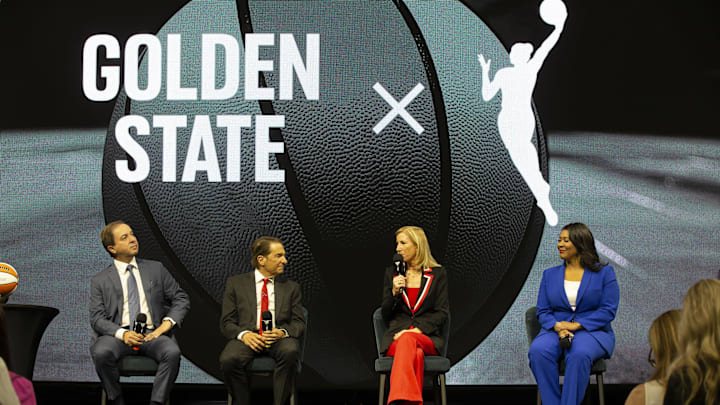
The Golden State Valkyries are currently competing in their first season and two other teams are set to join the ranks in 2026—the Toronto Tempo and another team on Portland (the team nickname hasn't been announced yet).
A new team in Cleveland will join the WNBA in 2028. Finally, a Detroit franchise will enter in 2029 and a Philadelphia franchise in 2030.
“The demand for women’s basketball has never been higher, and we are thrilled to welcome Cleveland, Detroit, and Philadelphia to the WNBA family,”said WNBA Commissioner Cathy Engelbert in a press release.“This historic expansion is a powerful reflection of our league’s extraordinary momentum, the depth of talent across the game, and the surging demand for investment in women’s professional basketball. I am deeply grateful for our new owners and ownership groups – Dan Gilbert in Cleveland, Tom Gores in Detroit, and Josh Harris, David Blitzer, David Adelman, and Brian Roberts in Philadelphia – for their belief in the WNBA’s future and their commitment to building thriving teams that will energize and inspire their communities. We are excited for what these cities will bring to the league – and are confident that these new teams will reshape the landscape of women’s basketball.”
Every WNBA Franchise in History
Franchise | Years Active |
|---|---|
Atlanta Dream | 2008-present |
Charlotte Sting | 1997-2006 |
Chicago Sky | 2006-present |
Cleveland Rockers | 1997-2003 |
Cleveland | coming 2026 |
Dallas Wings | 2016-present |
Detroit Shock | 1998-2009 |
Golden State Valkyries | 2025-present |
Houston Comets | 1997-2008 |
Indiana Fever | 2000-present |
Las Vegas Aces | 2018-present |
Miami Sol | 2000-2002 |
Minnesota Lynx | 1999-present |
New York Liberty | 1997-present |
Orlando Miracle | 1999-2002 |
Phoenix Mercury | 1997-present |
Portland Fire | 2000-2002 |
Portland | coming 2026 |
Sacramento Monarchs | 1997-2009 |
San Antonio Silver Stars | 2003-2013 |
San Antonio Stars | 2014-2017 |
Seattle Storm | 2000-present |
Toronto Tempo | coming 2026 |
Tulsa Shock | 2010-2015 |
Utah Starzz | 1997-2002 |
Washington Mystics | 1998-present |
 Add us as a preferred source on Google
Nathan Cunningham is a writer for Sports Illustrated and Minute Media. Throughout his career, he has written about collegiate sports, NFL Draft, Super Bowl champions, and more. Nathan has also been featured in FanSided and 90Min. Nathan loves colorful uniforms, mascots and fast-break pull-up 3-pointers. He graduated from BYU in 2016 with a degree in journalism.