%20%20--%3E%0A%3Csvg%20version%3D%221.1%22%20id%3D%22Layer_1%22%20xmlns%3D%22http%3A%2F%2Fwww.w3.org%2F2000%2Fsvg%22%20xmlns%3Axlink%3D%22http%3A%2F%2Fwww.w3.org%2F1999%2Fxlink%22%20x%3D%220px%22%20y%3D%220px%22%0A%09%20width%3D%2239px%22%20height%3D%2240px%22%20viewBox%3D%220%200%2039%2040%22%20enable-background%3D%22new%200%200%2039%2040%22%20xml%3Aspace%3D%22preserve%22%3E%0A%3Cpath%20fill%3D%22%23FFFFFF%22%20d%3D%22M38.5%2C7H28.2v26h10.3V7z%22%2F%3E%0A%3Cpath%20fill-rule%3D%22evenodd%22%20clip-rule%3D%22evenodd%22%20fill%3D%22%23FFFFFF%22%20d%3D%22M26.1%2C25.5c0%2C5.8-4.1%2C7.5-12.9%2C7.5C3.9%2C33%2C0%2C31.2%2C0%2C25.2v-1.1h11.6%0A%09v2.4c0%2C0.7%2C0.1%2C1.4%2C1.2%2C1.4c1%2C0%2C1.2-0.4%2C1.2-1.3v-0.9c0-1.6-0.9-1.6-3.5-2.2C2.2%2C21.7%2C0%2C19.7%2C0%2C15.3v-0.9C0%2C9.3%2C5.5%2C7%2C12.9%2C7%0A%09c10.2%2C0%2C12.8%2C2.6%2C12.8%2C7.4v1.8h-11v-2.9c0-0.6-0.4-1.1-1.2-1.1c-0.6%2C0-1.2%2C0.4-1.2%2C1.1v0.9c0%2C1.5%2C0.9%2C2%2C3.3%2C2.5%0A%09c8%2C1.6%2C10.5%2C3.3%2C10.5%2C7.5V25.5z%22%2F%3E%0A%3C%2Fsvg%3E%0A)
Is sport an art?
Sport is not considered art. Instead, it is invariably dismissed as something lesser -- even something rather more vulgar -- than the more traditional performance activities.
Now, Gary Walters, the athletic director at Princeton has spoken out that sport should be granted equal educational prestige with the likes of drama and art and music. "Is it time," he asks, "that the educational-athletic experience on our playing fields be accorded the same ... academic respect as the arts?"
Walters validates his advocacy with these credentials: He went to the Final Four as playmaker on BillBradley's final team. He later coached in the big time Big East, and then he became an athletic director at his alma mater in the Ivy League. He was chairman of the national Division I basketball committee this year, the maestro of March Madness. This is all to say that he brings the broadest perspective to college sports, and it mightily irritates Walters that sport is only considered a "distant cousin" to the arts.
 Add us as a preferred source on Google
Well, apart from simply being so sweaty, I think sport has suffered in comparison with the arts -- or, should I say, the other arts -- because it is founded on trying to win. Artists are not supposed to be competitive. They are expected to be above that. We always hear "art for art's sake." Nobody ever says "sport for sport's sake."
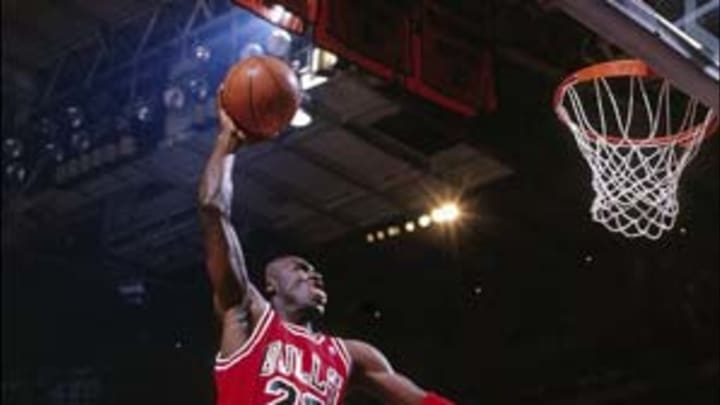
I also believe that sport has suffered because, until recently, athletic performance could not be preserved. What we accepted as great art -- whether book, script, painting, symphony -- is that which could be saved and savored. But the performances of the athletic artists who ran and jumped and wrestled were gone with the wind. Now, however, we can study the grace of the athlete on film, so a double play can be considered as pretty as any pas de deux. Or, please, is not what we saw Michael Jordan do every bit as artistic as what we saw Mikhail Baryshnikov do?
Of course, in the academic world -- precisely the place where art is defined and certified -- sport is its own worst enemy. Its corruption in college diminishes makes it all seem so grubby. But just because so many substitute students are shoe-horned into colleges as athletes and then kept eligible academically through various deceits, the intrinsic essence of the athlete playing his game should not be affected. As Walters argues: "Athletic competition nourishes our collective souls and contributes to the holistic education of the total person in the same manner as the arts."
Certainly, there remains a huge double standard in college. Why can a young musician major in music, a young actor major in drama, but a young football player can't major in football? That not only strikes me as unfair, but it encourages the hypocrisy that contributes to the situation where those hidebound defenders of the artistic faith can take delight in looking down their noses at sports. So, yes, Walters' argument makes for fair game: is sport one of the arts? Or: just because you can bet on something, does that disqualify it as a thing of beauty?

Frank Deford is among the most versatile of American writers. His work has appeared in virtually every medium, including print, where he has written eloquently for Sports Illustrated since 1962. Deford is currently the magazine's Senior Contributing Writer and contributes a weekly column to SI.com. Deford can be heard as a commentator each week on Morning Edition. On television he is a regular correspondent on the HBO show Real Sports With Bryant Gumbel. He is the author of 15 books, and his latest,The Enitled, a novel about celebrity, sex and baseball, was published in 2007 to exceptional reviews. He and Red Smith are the only writers with multiple features in The Best American Sports Writing of the Century. Editor David Halberstam selected Deford's 1981 Sports Illustrated profile on Bobby Knight (The Rabbit Hunter) and his 1985 SI profile of boxer Billy Conn (The Boxer and the Blonde) for that prestigious anthology. For Deford the comparison is meaningful. "Red Smith was the finest columnist, and I mean not just sports columnist," Deford told Powell's Books in 2007. "I've always said that Red is like Vermeer, with those tiny, priceless pieces. Five hundred words, perfectly chosen, crafted. Best literary columnist, in any newspaper, that I've ever seen." Deford was elected to the National Association of Sportscasters and Sportswriters Hall of Fame. Six times at Sports Illustrated Deford was voted by his peers as U.S. Sportswriter of The Year. The American Journalism Review has likewise cited him as the nation's finest sportswriter, and twice he was voted Magazine Writer of The Year by the Washington Journalism Review. Deford has also been presented with the National Magazine Award for profiles; a Christopher Award; and journalism honor awards from the University of Missouri and Northeastern University; and he has received many honorary degrees. The Sporting News has described Deford as "the most influential sports voice among members of the print media," and the magazine GQ has called him, simply, "The world's greatest sportswriter." In broadcast, Deford has won a Cable Ace award, an Emmy and a George Foster Peabody Award for his television work. In 2005 ESPN presented a television biography of Deford's life and work, You Write Better Than You Play. Deford has spoken at well over a hundred colleges, as well as at forums, conventions and on cruise ships around the world. He served as the editor-in-chief of The National Sports Daily in its brief but celebrated existence. Deford also wrote Sports Illustrated's first Point After column, in 1986. Two of Deford's books, the novel, Everybody's All-American, and Alex: The Life Of A Child, his memoir about his daughter who died of cystic fibrosis, have been made into movies. Two of his original screenplays have also been filmed. For 16 years Deford served as national chairman of the Cystic Fibrosis Foundation, and he remains chairman emeritus. He resides in Westport, CT, with his wife, Carol. They have two grown children – a son, Christian, and a daughter, Scarlet. A native of Baltimore, Deford is a graduate of Princeton University, where he has taught American Studies.