%20%20--%3E%0A%3Csvg%20version%3D%221.1%22%20id%3D%22Layer_1%22%20xmlns%3D%22http%3A%2F%2Fwww.w3.org%2F2000%2Fsvg%22%20xmlns%3Axlink%3D%22http%3A%2F%2Fwww.w3.org%2F1999%2Fxlink%22%20x%3D%220px%22%20y%3D%220px%22%0A%09%20width%3D%2239px%22%20height%3D%2240px%22%20viewBox%3D%220%200%2039%2040%22%20enable-background%3D%22new%200%200%2039%2040%22%20xml%3Aspace%3D%22preserve%22%3E%0A%3Cpath%20fill%3D%22%23FFFFFF%22%20d%3D%22M38.5%2C7H28.2v26h10.3V7z%22%2F%3E%0A%3Cpath%20fill-rule%3D%22evenodd%22%20clip-rule%3D%22evenodd%22%20fill%3D%22%23FFFFFF%22%20d%3D%22M26.1%2C25.5c0%2C5.8-4.1%2C7.5-12.9%2C7.5C3.9%2C33%2C0%2C31.2%2C0%2C25.2v-1.1h11.6%0A%09v2.4c0%2C0.7%2C0.1%2C1.4%2C1.2%2C1.4c1%2C0%2C1.2-0.4%2C1.2-1.3v-0.9c0-1.6-0.9-1.6-3.5-2.2C2.2%2C21.7%2C0%2C19.7%2C0%2C15.3v-0.9C0%2C9.3%2C5.5%2C7%2C12.9%2C7%0A%09c10.2%2C0%2C12.8%2C2.6%2C12.8%2C7.4v1.8h-11v-2.9c0-0.6-0.4-1.1-1.2-1.1c-0.6%2C0-1.2%2C0.4-1.2%2C1.1v0.9c0%2C1.5%2C0.9%2C2%2C3.3%2C2.5%0A%09c8%2C1.6%2C10.5%2C3.3%2C10.5%2C7.5V25.5z%22%2F%3E%0A%3C%2Fsvg%3E%0A)
Hawks partner with sports medicine researchers for new training center
Get all of Tim Newcomb's columns as soon as they’re published. Download the new Sports Illustrated app (iOS or Android) and personalize your experience by following your favorite teams and SI writers.
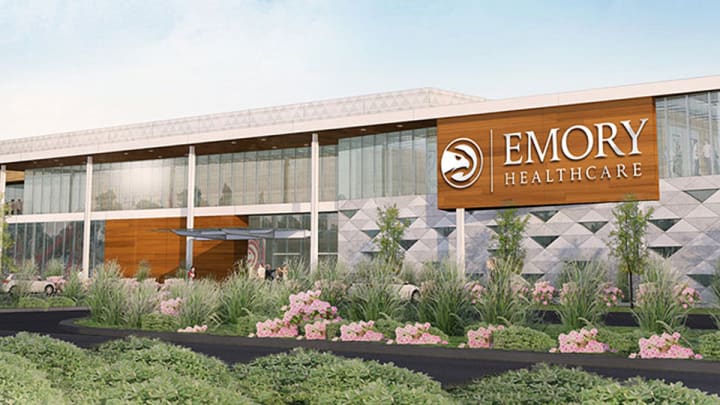
The Atlanta Hawks won’t just build a brand-new 90,000 square foot training center for hoops; they’ll do it by partnering with Emory Healthcare to create a practice center, basketball operations headquarters and sports medicine research center in one facility.
By combining the two uses in the same Brookhaven, Georgia, center, it allows the Atlanta players immediate treatments and on-site access to equipment, such as the 3 Tesla MRI scanner for quick diagnoses for soft tissue and bone bruise injuries.
The Hawks will use up about 60,000 square feet for basketball purposes, leaving 30,000 for Emory for “comprehensive preventative and rehabilitative treatment and sports performance training.”
Tony Ressler, principal owner of the Hawks, says he thinks the new facility, designed by HOK’s Sports + Recreation + Entertainment practice, will “revolutionize how other NBA teams approach integrating sports medical technology within their own basketball training centers.”
The Hawks expect the new center to break ground this summer and open in fall 2017.
Family Business: Marcus Jordan opens Air Jordan focused boutique
“The building’s modern, clean design was inspired by the desire to promote a spirit of wellness,” George Heinlein, Regional Director of Sports + Recreation + Entertainment at HOK, tells SI.com. “This facility isn’t just a space to train – it’s a space to recover and care for athletes in a holistic way. By finding the synergies between research, science, healthcare and training, we believe we can create a building that actually encourages higher performance.”
The sports medicine offerings will include 3D motion capture, force plates to measure joint stress and on-site blood and sweat testing and analysis for nutritional deficits and markers key for the creation of individualized recovery plans. The center also plans a dedicated recovery area for cryotherapy, sensory deprivation and in-ground hydrotherapy.
• MORE NBA: Green the ‘best all-around’ player | Who’s best to build around?
“Within our basketball program, we place a great emphasis on player development, as improving each player within our system is critical to our team’s collective success,” says Mike Budenholzer, head coach and president of the Hawks’ basketball operations. “The foundation of that development is ensuring the peak health and conditioning of our players and providing each of them with the coaching, resources and environment to develop to the best of their ability.”
In addition to courts, weight training, a team and visitor’s locker room, player’s lounge hydrotherapy and nutrition bar, there are also plans to incorporate a first of its kind athlete recovery suite. The suite will include massage rooms, cryotherapy chambers, anti-gravity chairs and flexible rooms for yoga and relaxation.
To blend the indoors and outdoors, an indoor turf training area will open to an outdoor artificial turf training area with a three lane lap pool nearby.
Ranking all 33 Air Jordan sneakers
33. 2010
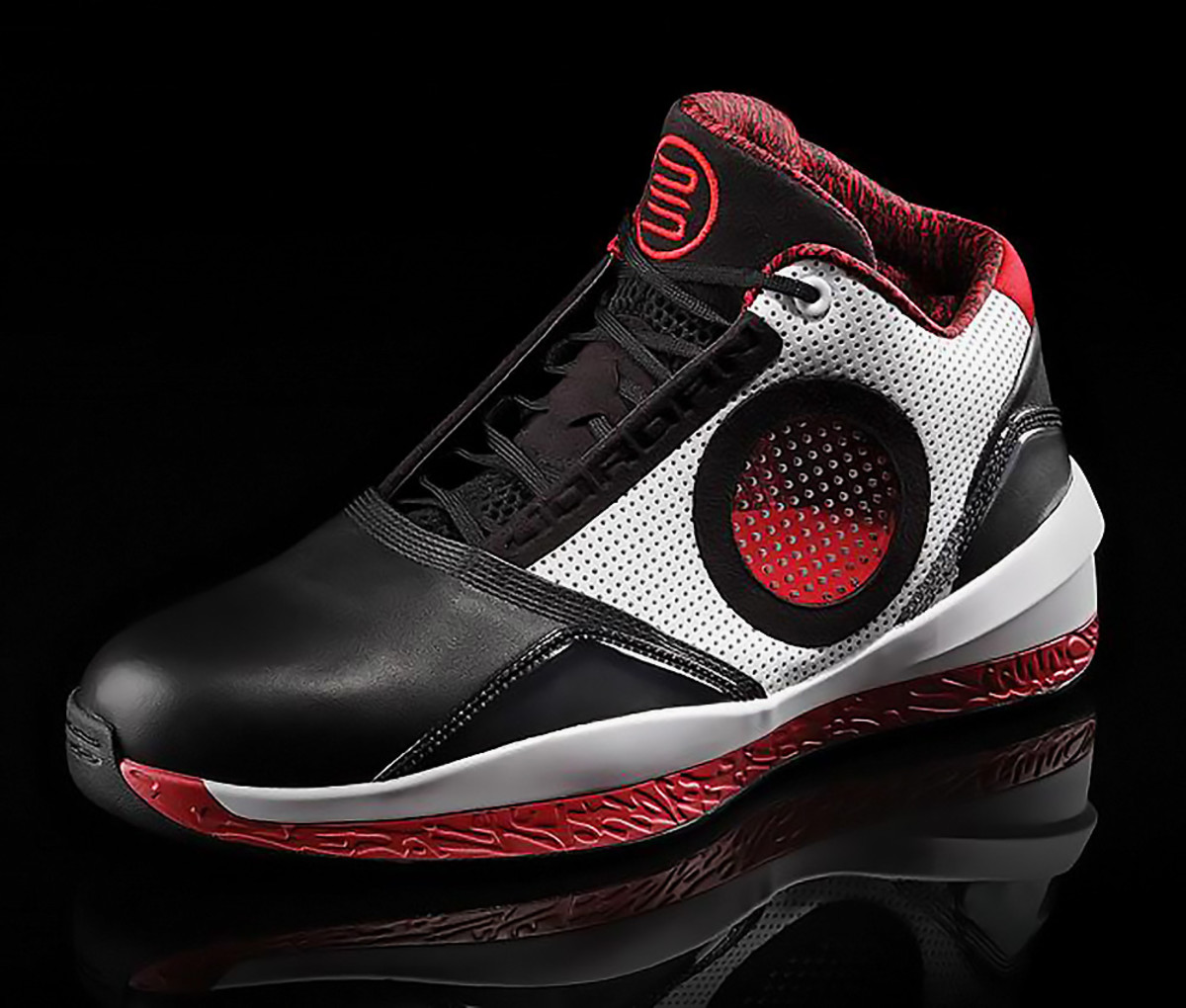
We simply can’t get behind that clear window on the side of the shoe. We appreciate the thought behind the effort, but without any meaningful forward movement for the line, there’s not much to bring the 33th shoe in the line higher on the ranking.
32. Jordan XV
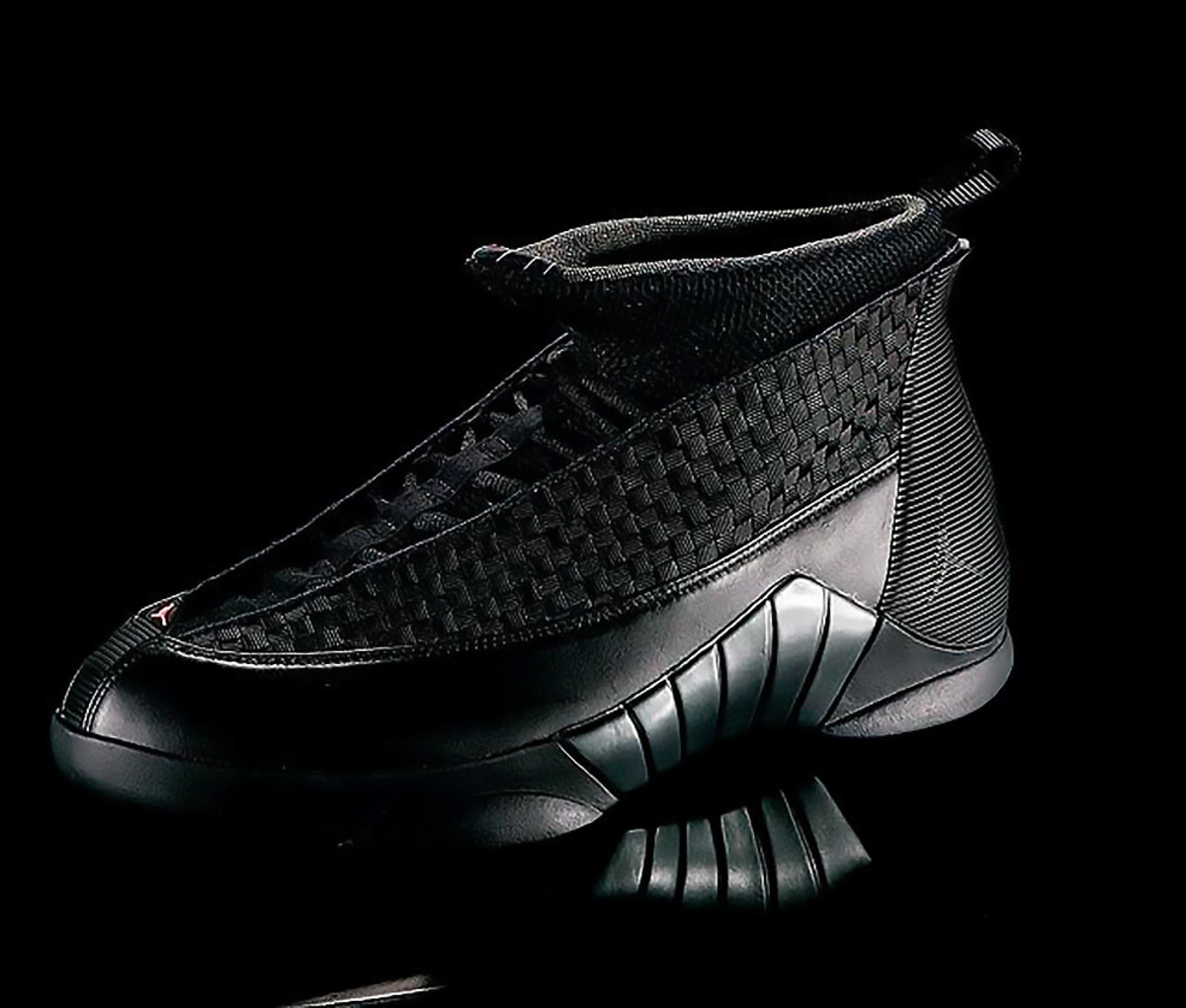
When Michael Jordan went into retirement (for the second time), the Air Jordan line went into design mourning. The 15th shoe was fighter plane-inspired, but that oversized tongue collar gives the most obtuse look a sneaker could muster. We wish this design all the best in its retirement.
31. XX2
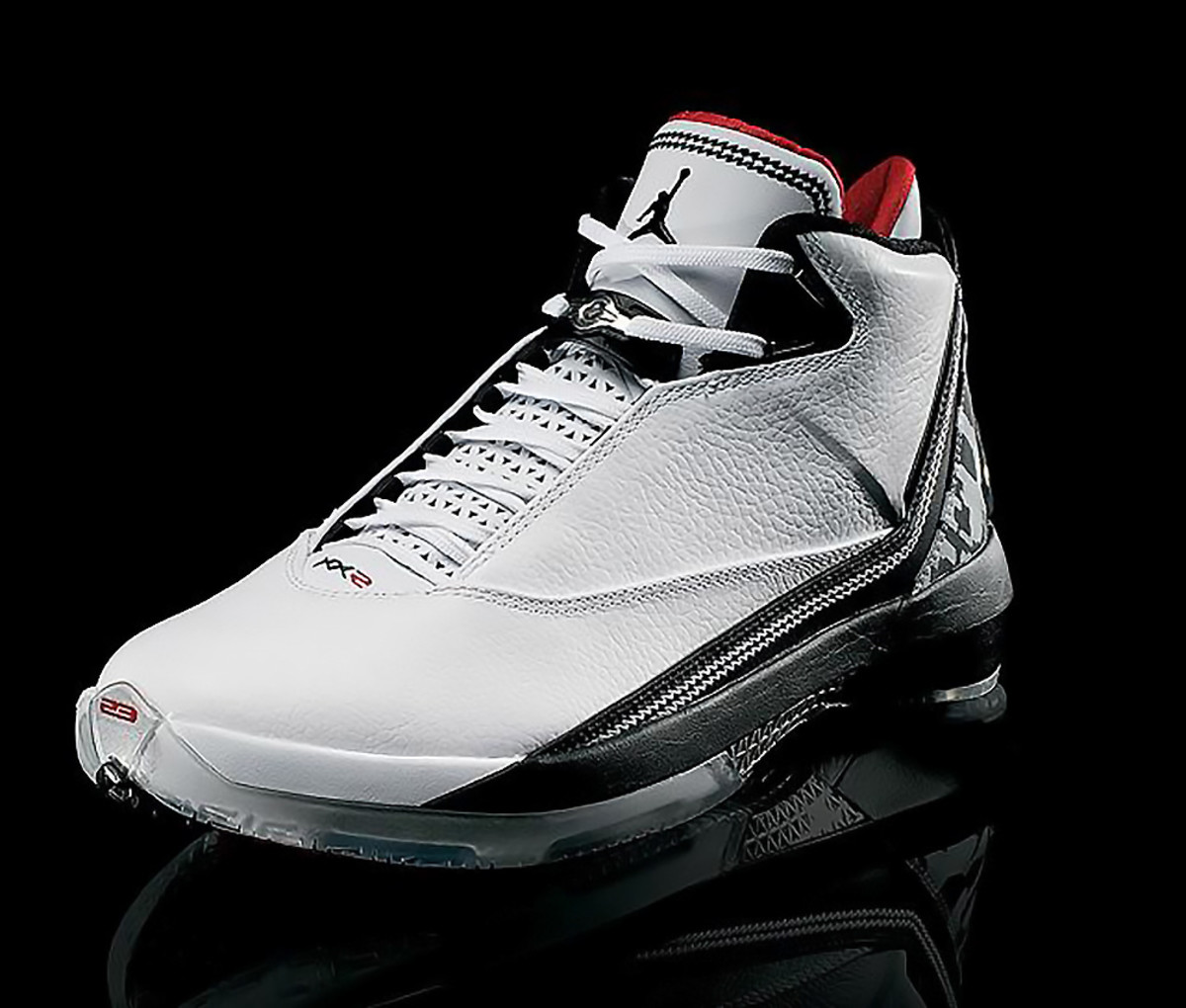
Maybe the Air Jordan line should steer clear of modern fighter plane inspiration, with the F22 Raptor jet serving as inspiration for this lackluster design in the last years.
30. 2012
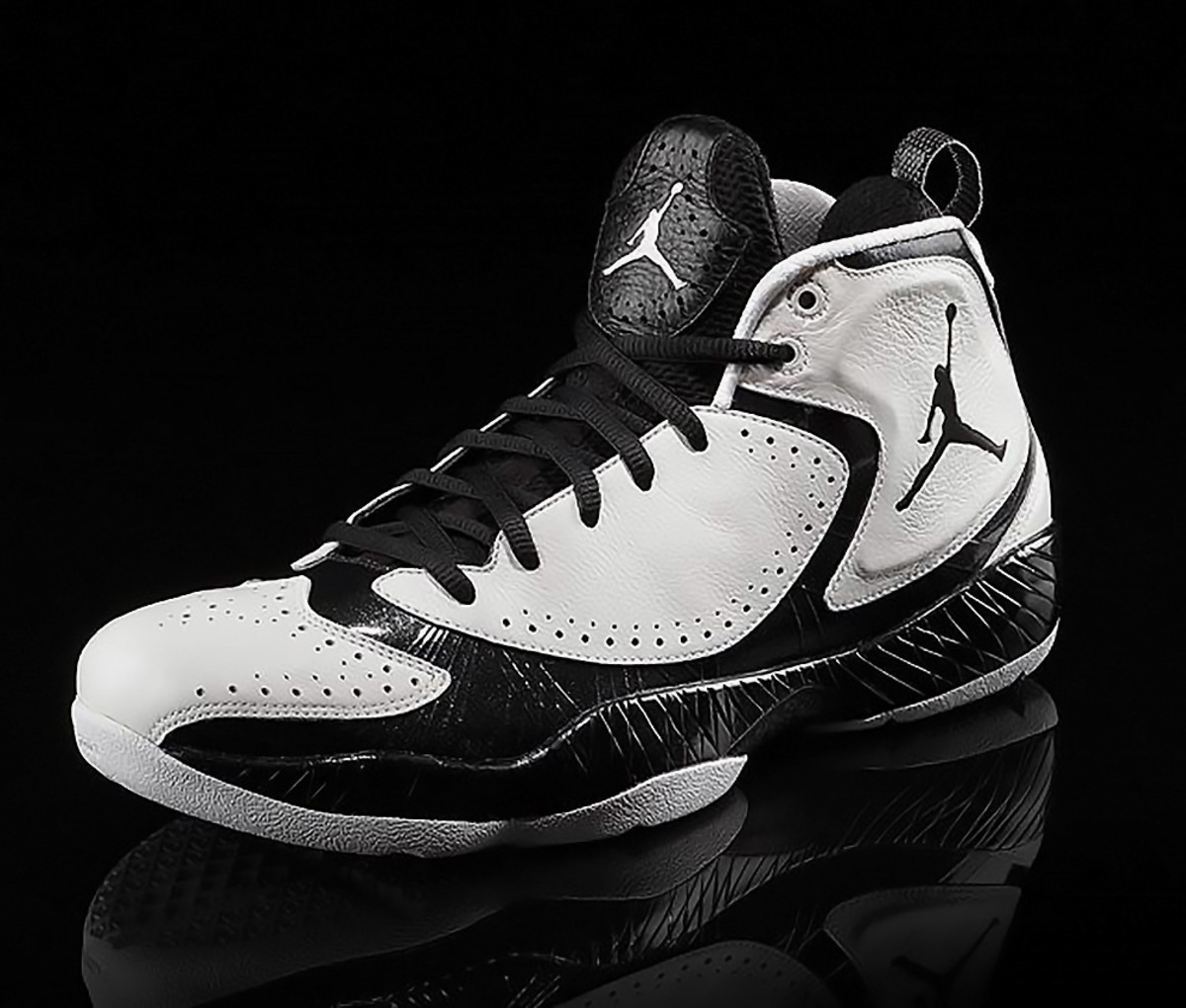
The Zoot Suit look of the 30th shoe has a somewhat retro vibe in an otherwise unremarkable package.
29. 2009
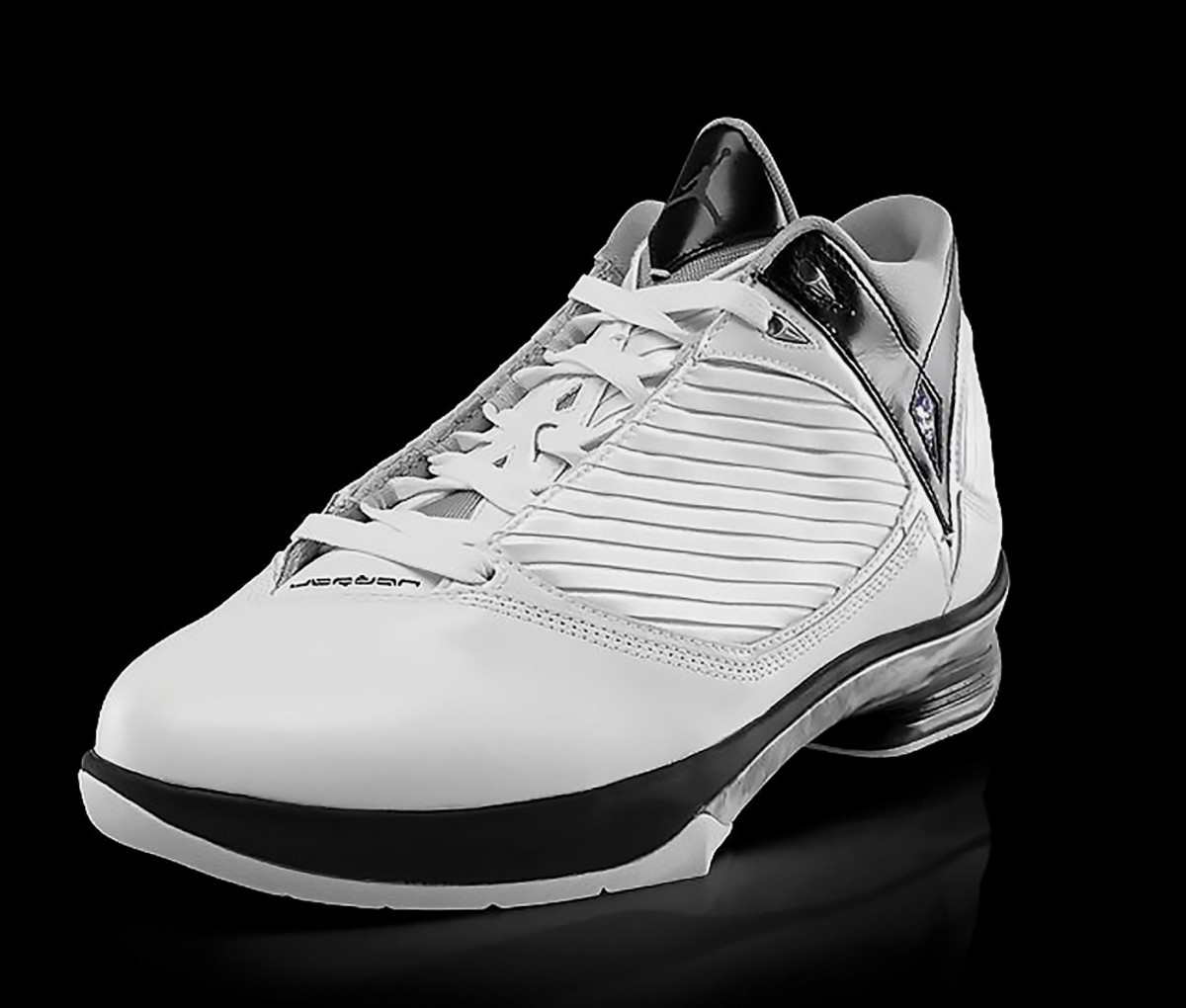
The TPU piece on the upper has a glass-blown look for individuality the articulated heel provided an attempt at fresh performance, enough to keep this sneaker—the 29th in the line—from sliding down the list even further.
28. 2011
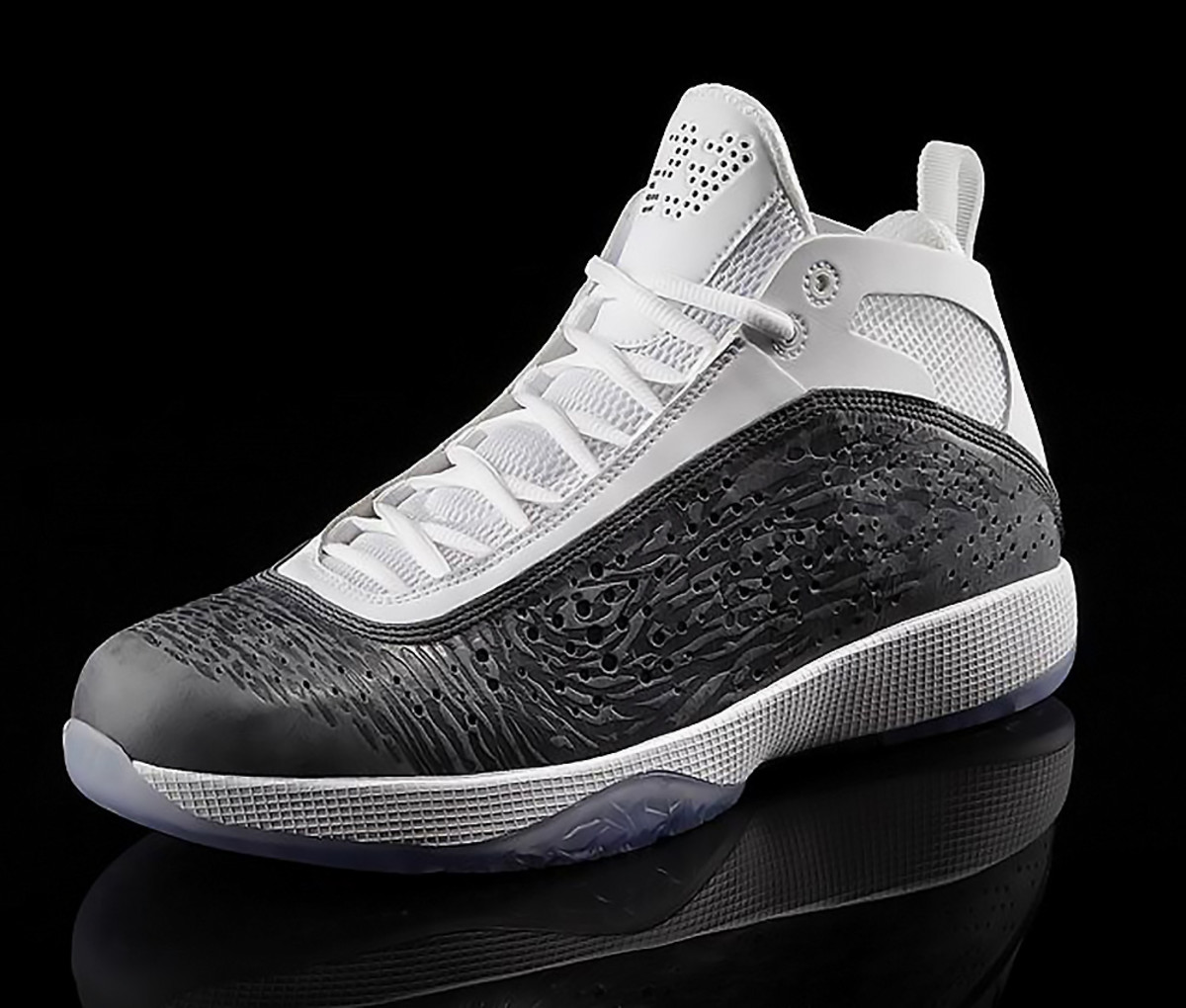
We appreciate the personalization in the 2011—the 26th shoe in the line—that came with two different cushioning systems with contrasting insoles and leather that could change colors based on hand-buffing. The versatility was meant to be reminiscent of Jordan’s on-court play.
27. XX1
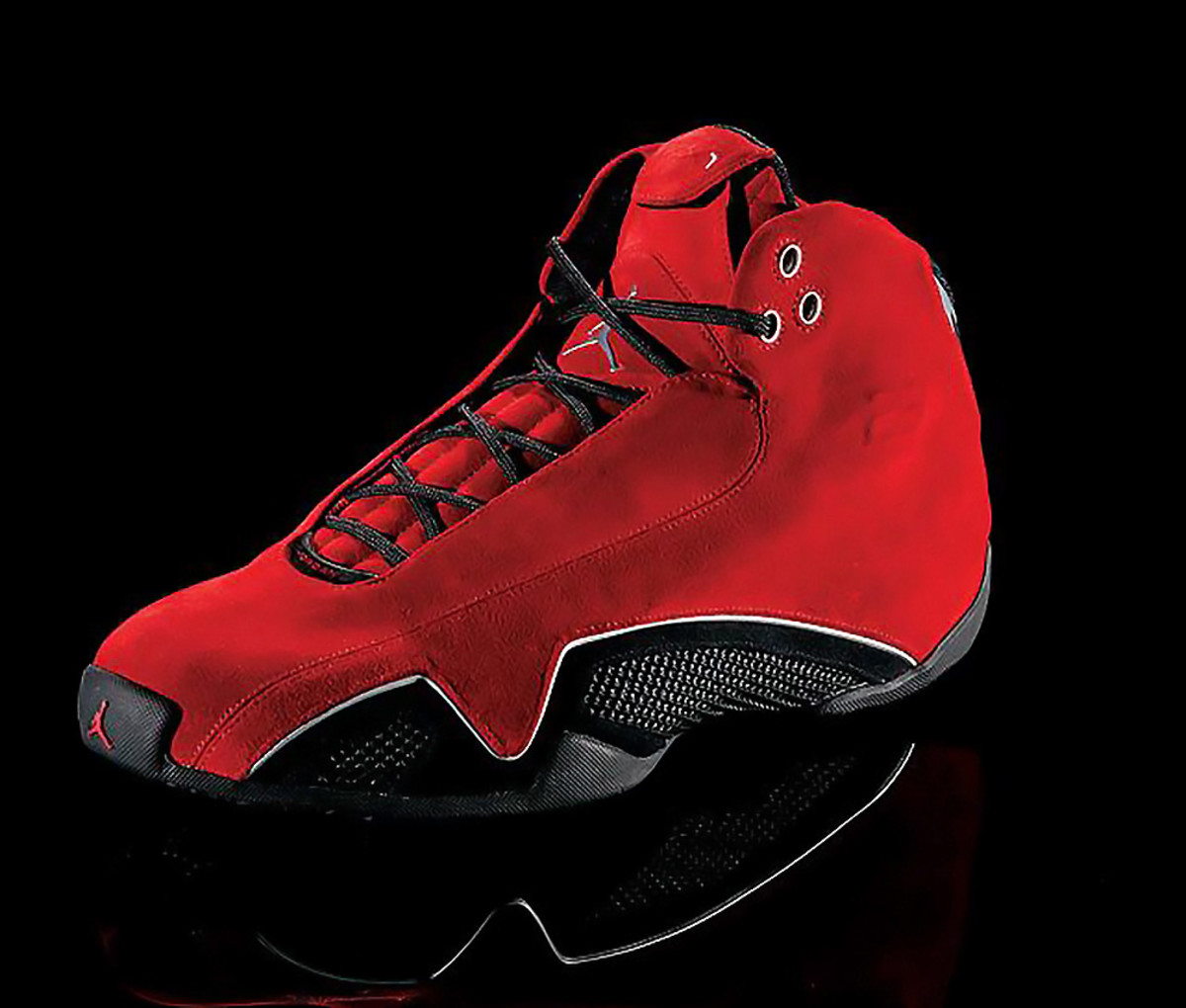
With a Bentley Continental GT Coupe serving as inspiration, there’s little about this shoe design that fits the basketball court. Sure, you have carbon fiber shanking, but the lack of significance and unsure design drops this sneaker low.
26. XIX
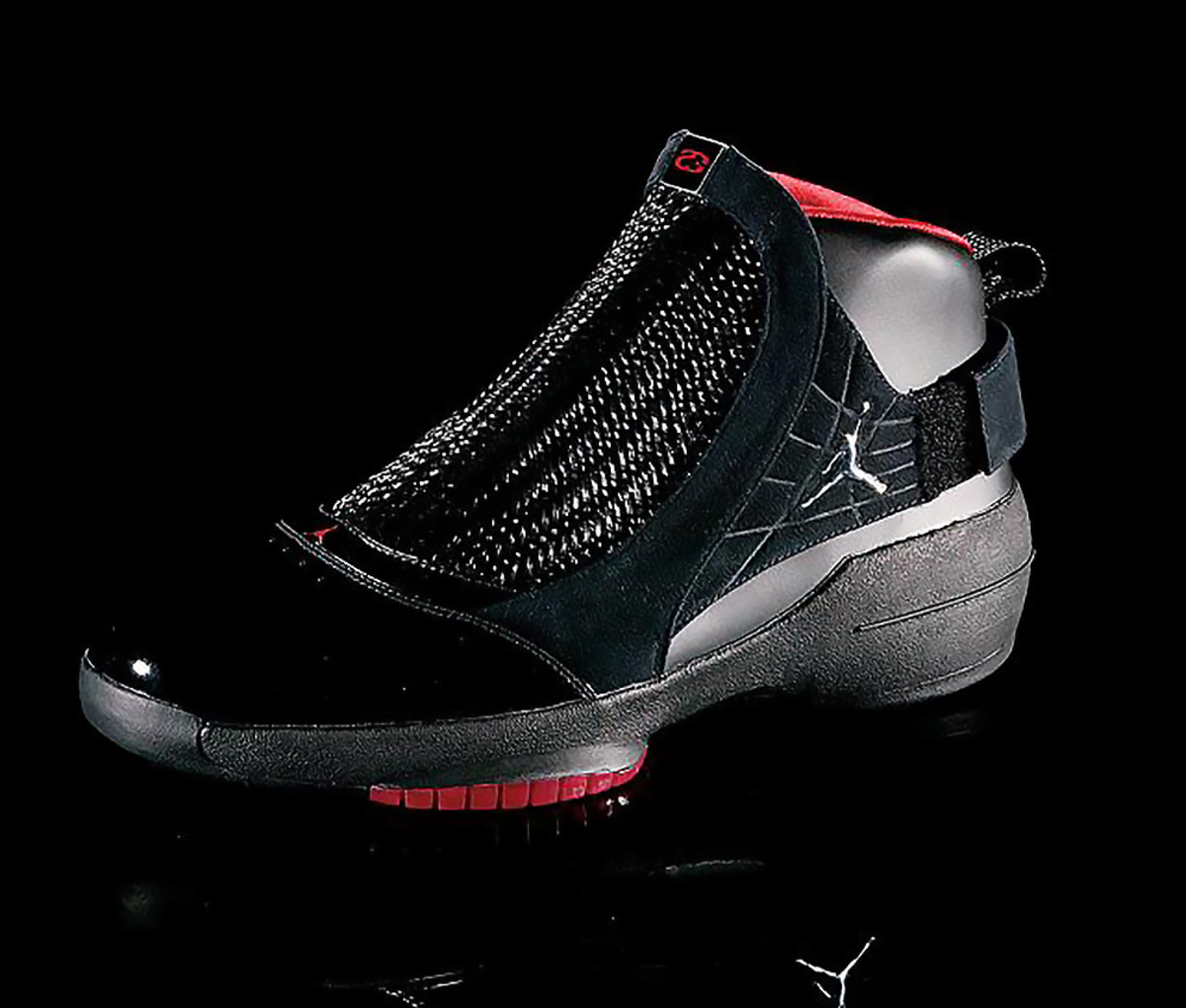
We enjoy the Velcro heel strap on the XIX, and a new lightweight material on the upper gave us one of the lightest shoes from the Air Jordan line. The technology is pulled down by the overall design.
25. XXX
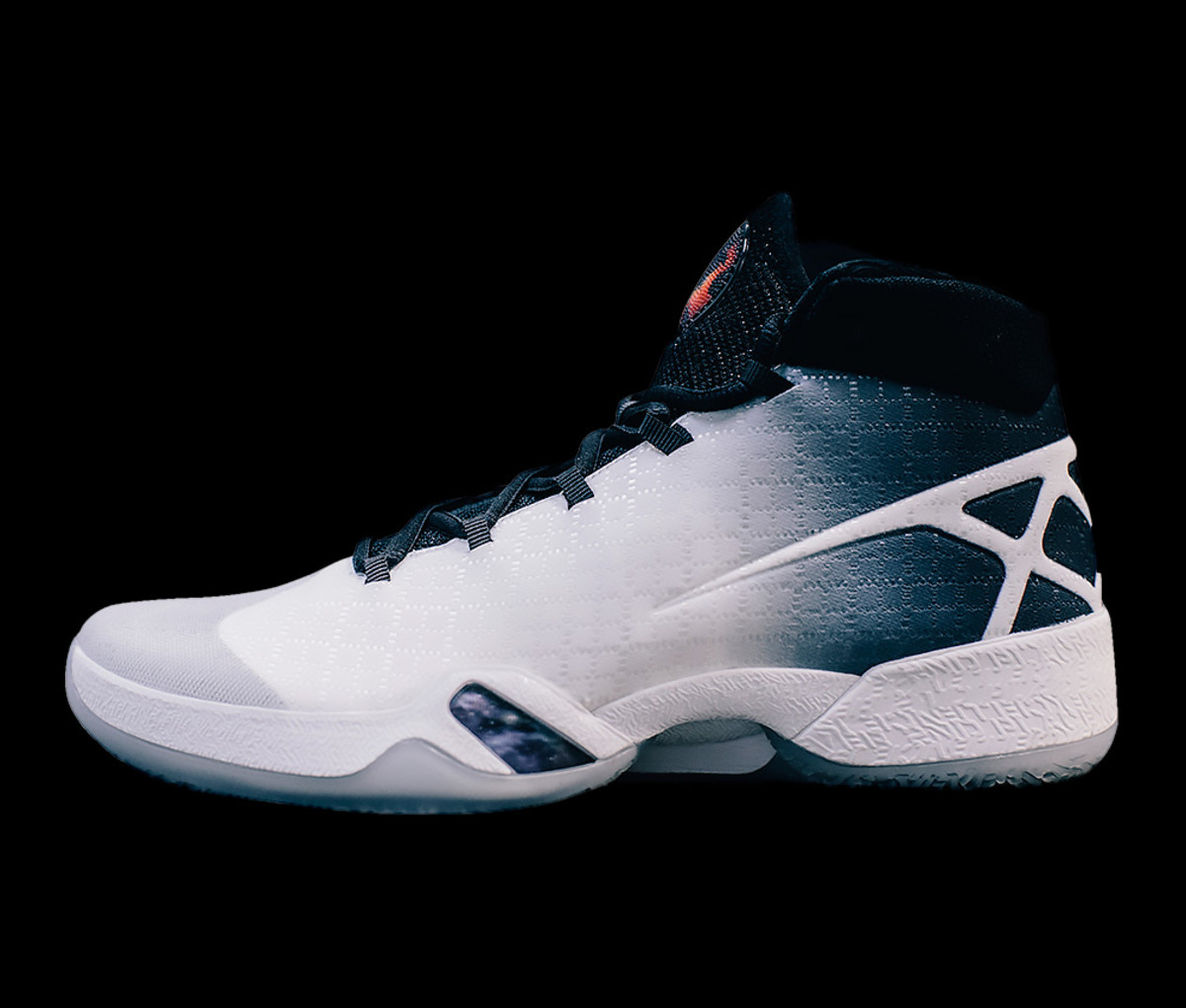
The 30th shoe in the line built on technology with its February 2016 release, mixing engineered knit with engineered weave for intensely focused lightweight support. Using a jacquard weaving technique, the argyle pattern offers a nod to Jordan’s Carolina roots, giving us a mix of design and tech although Tinker Hatfield’s XXX visuals play a bit prominently.
24. XX
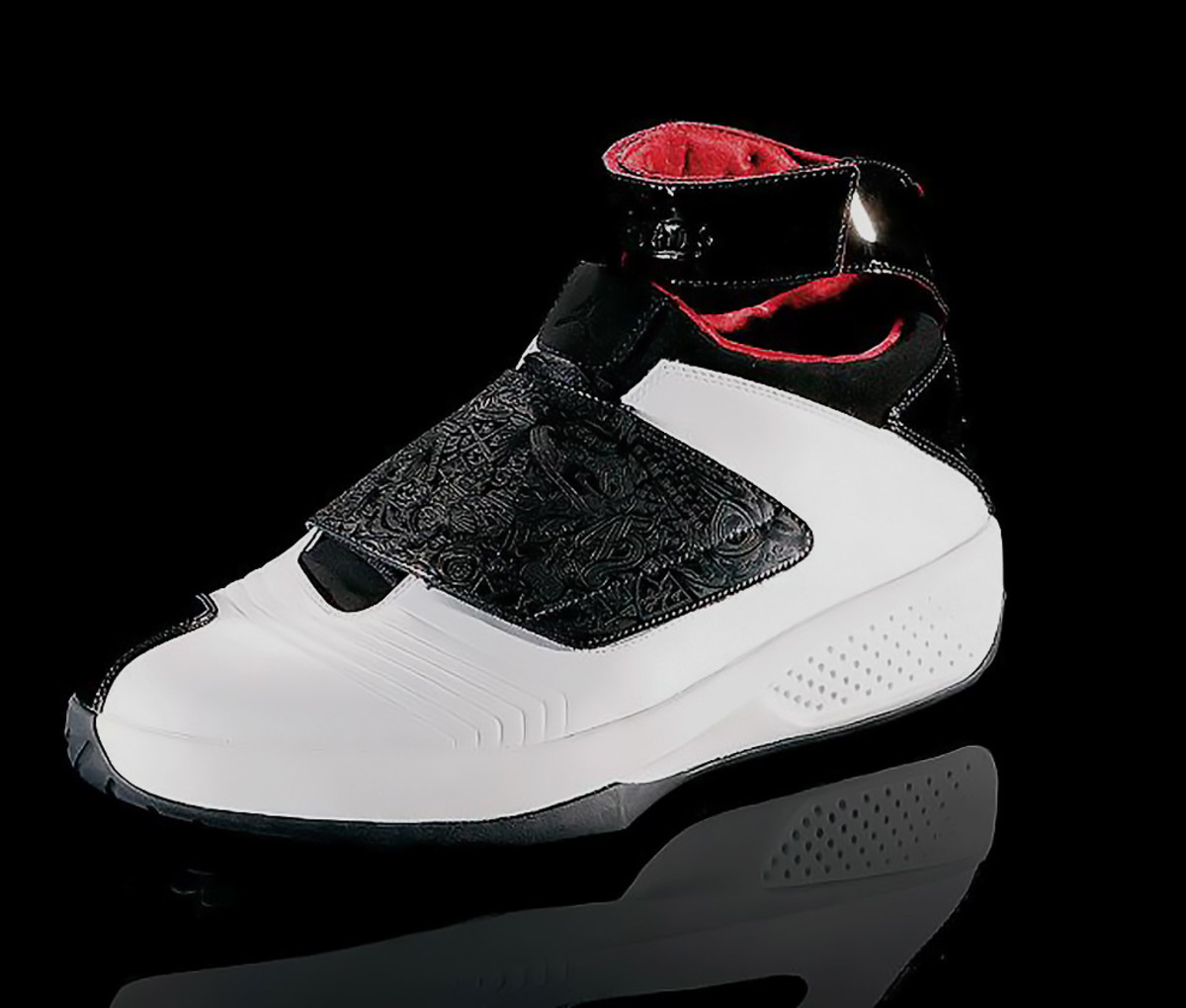
Laser etching on the upper tells a story of the life of Jordan, a design element brought by the return of designer Tinker Hatfield to the line. For tech, the XX has an independent podular suspension cushioning system, although that design didn’t stand the test of time.
23. XX8
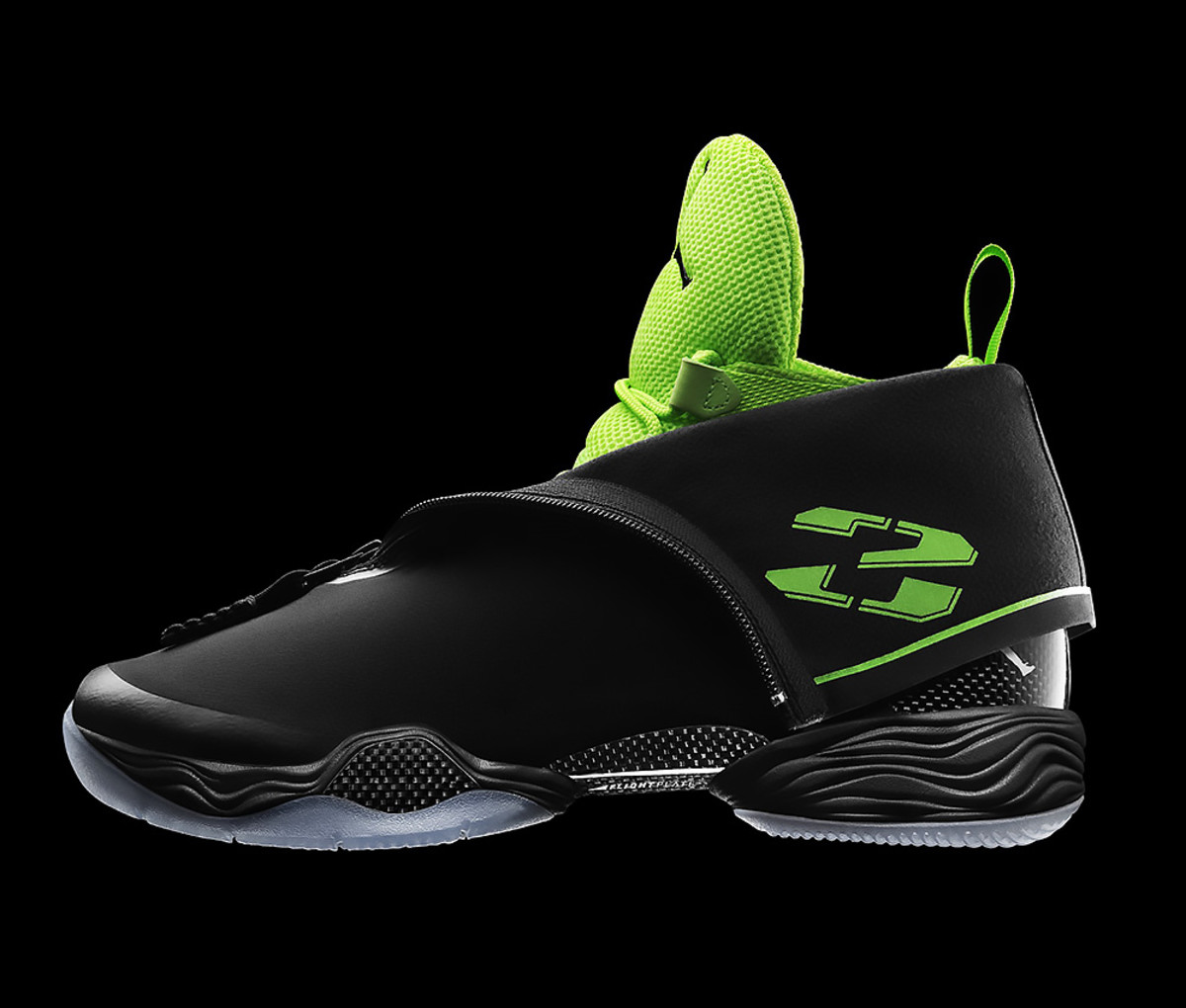
You simply have to appreciate the technology taking over in recent years that included carbon fiber and Zoom Air to reduce the need for foam. On the outside, a full-length zippered shroud made from material sourced from Switzerland both tied to the history of Air Jordan personalization and led the design.
22. XVIII
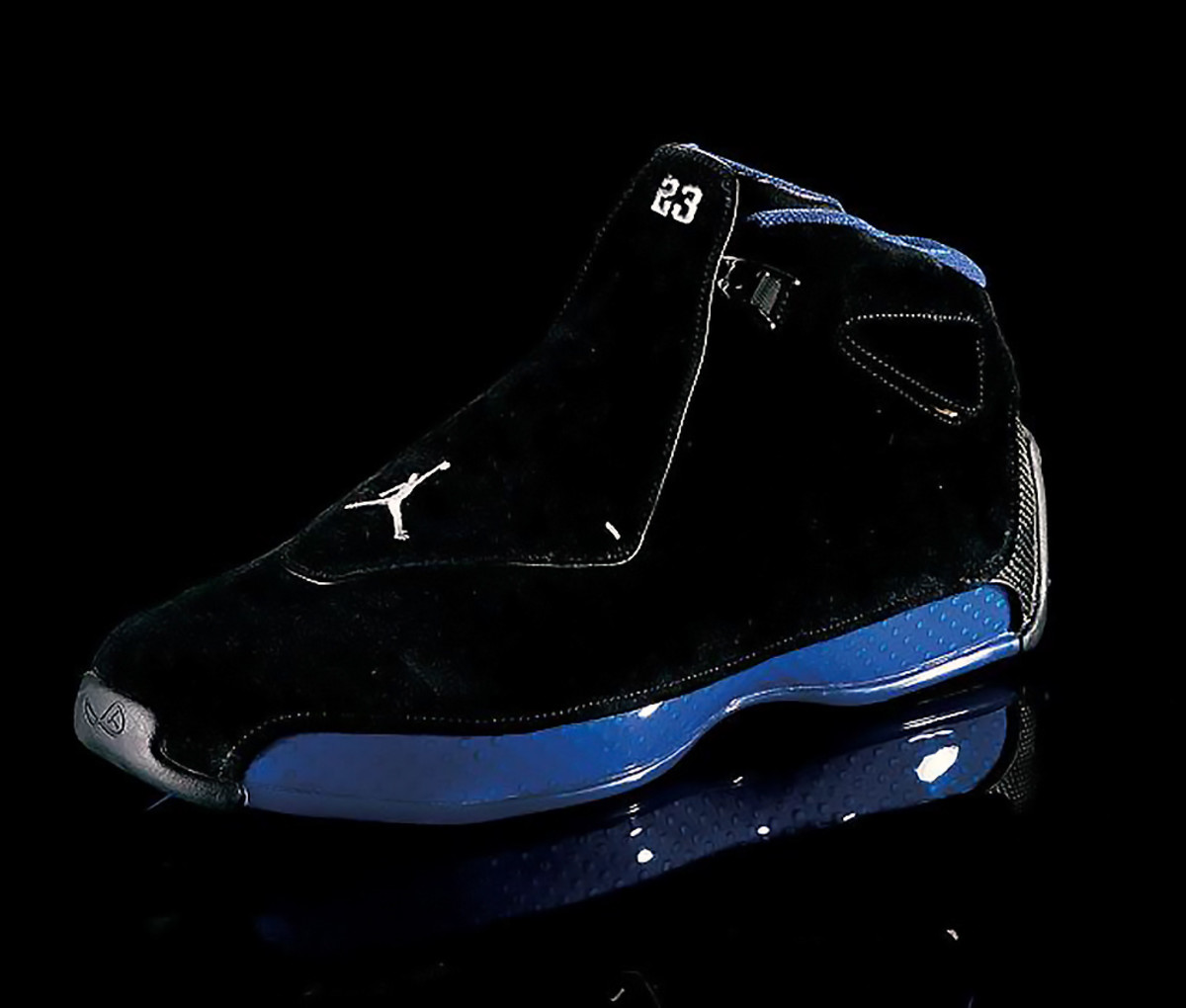
Jordan wore these shoes during his final game. With a mix of Italian fashion design and car racing inspiration, these shoes were delivered with a towel, a brush and a driver’s manual. There’s enough uniqueness here to keep this in the upper half.
21. XVII
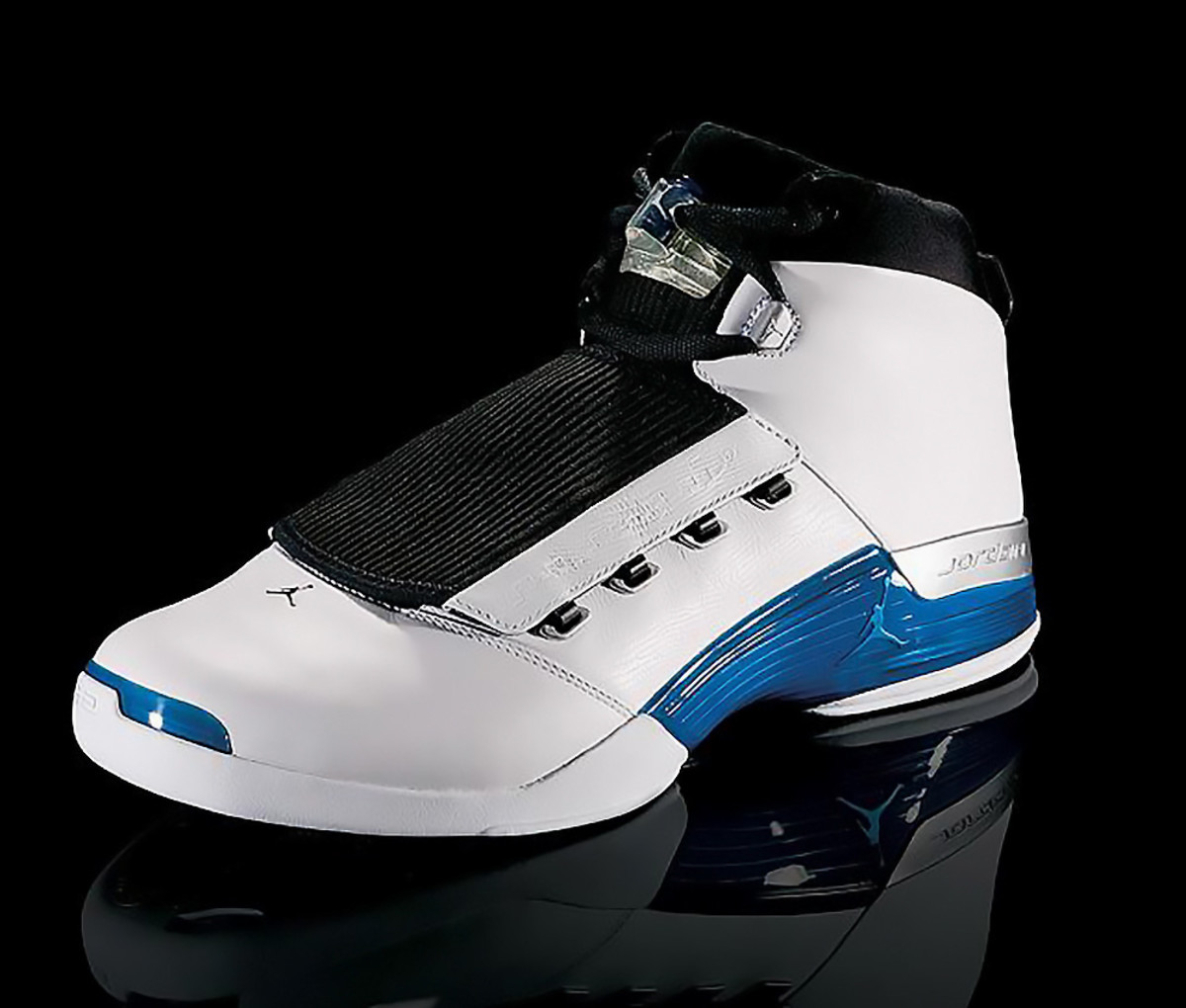
Design took a center role in the XVII—a Wizards-era sneaker—with a removable lace cover on the upper and a sole inspired by Jordan’s love of golfing defining the aesthetics of this underloved look.
20. XIV
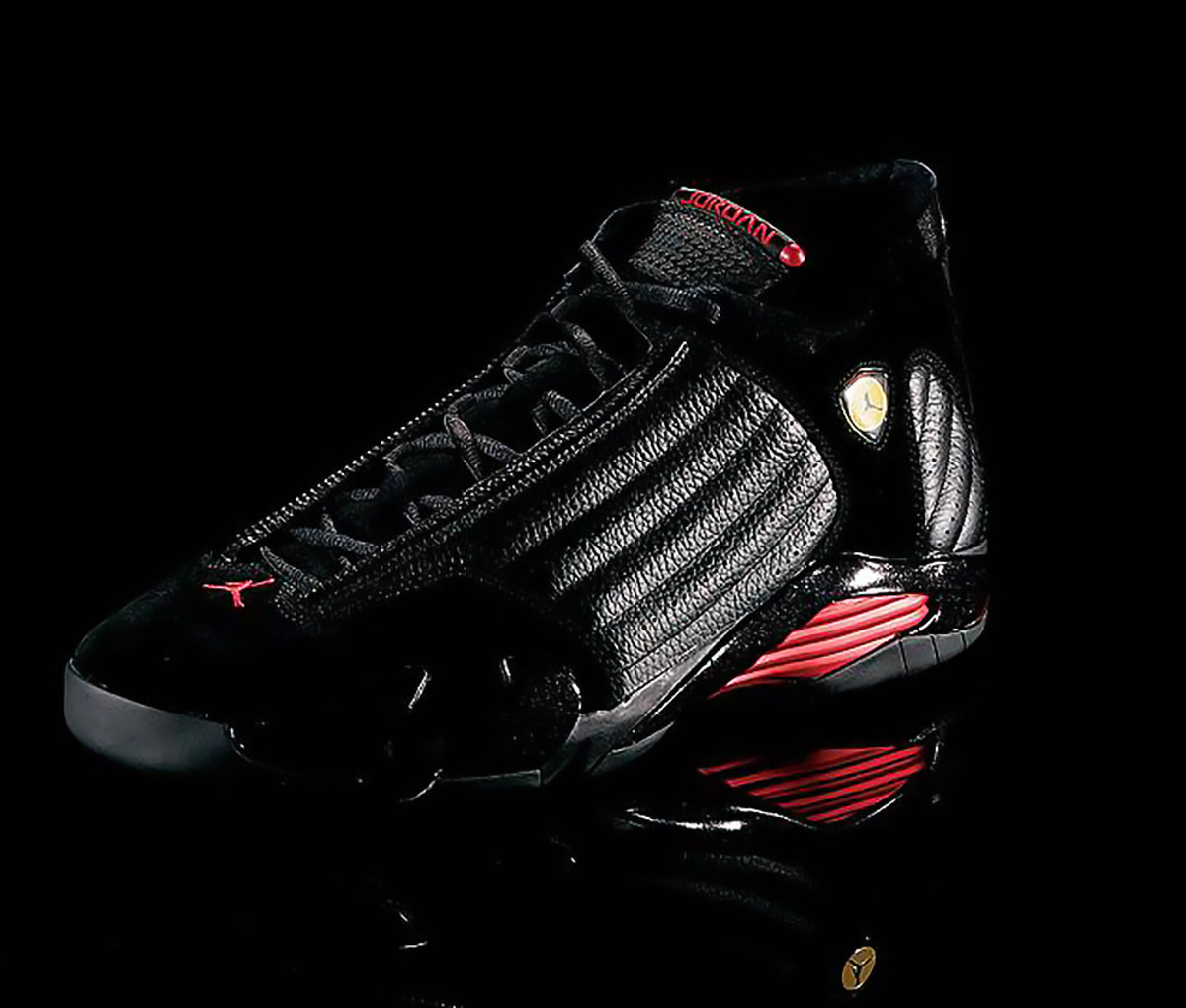
Jordan had a Ferrari, so he also had a shoe inspired by one. The obvious ties to the Ferrari, whether the lines on the shoe or the not-so-subtle Ferrari-styled Jumpman logo on the upper screamed all things Ferrari.
19. XX3
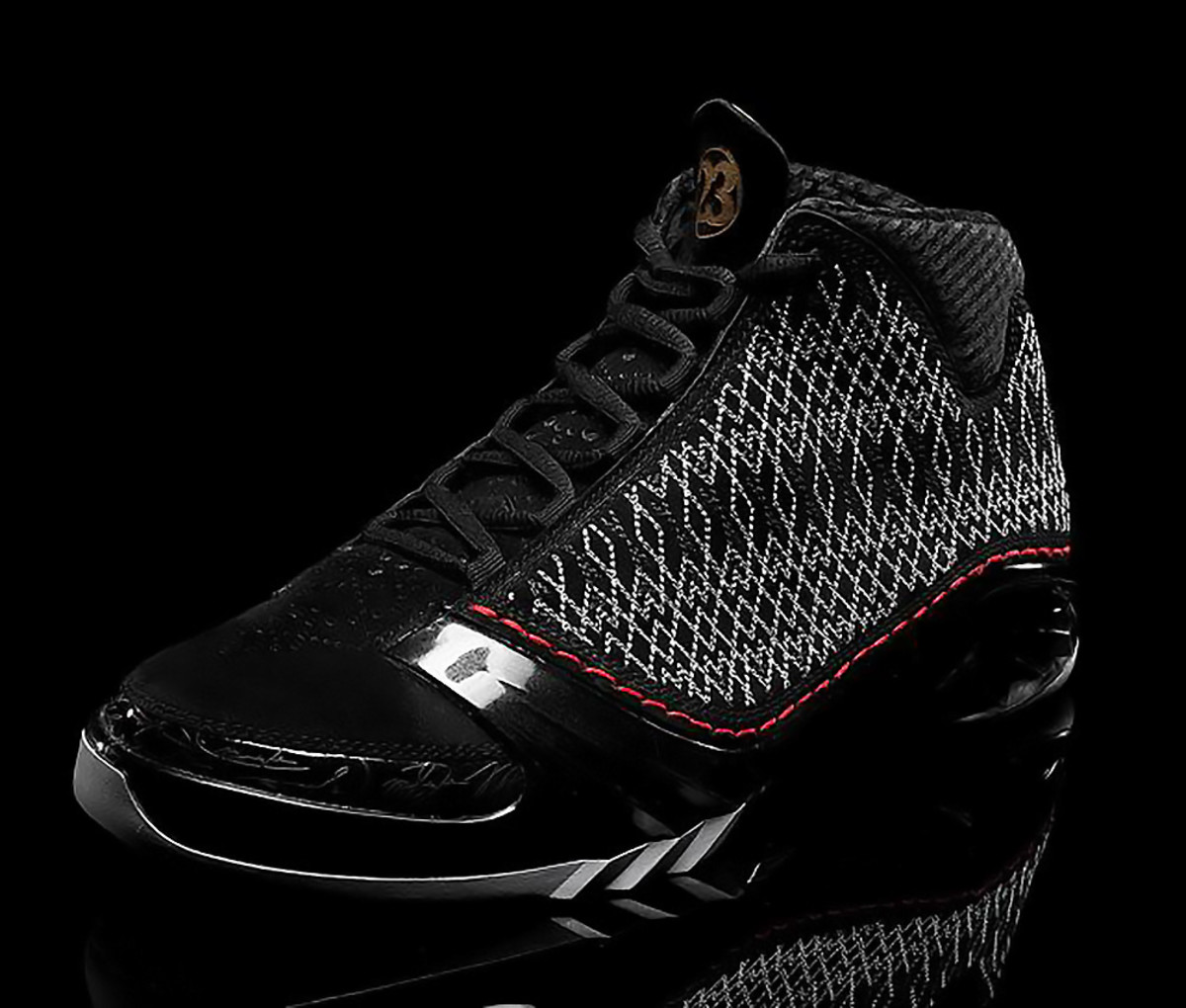
Detail was the driver of the XX3. A hand-stitched upper provided a refined design, while MJ’s thumbprint on the inside of the tongue—the print design also helped mold the outsole—was a detail many wearers enjoyed touching each time they slipped on the shoe.
18. XXXIII
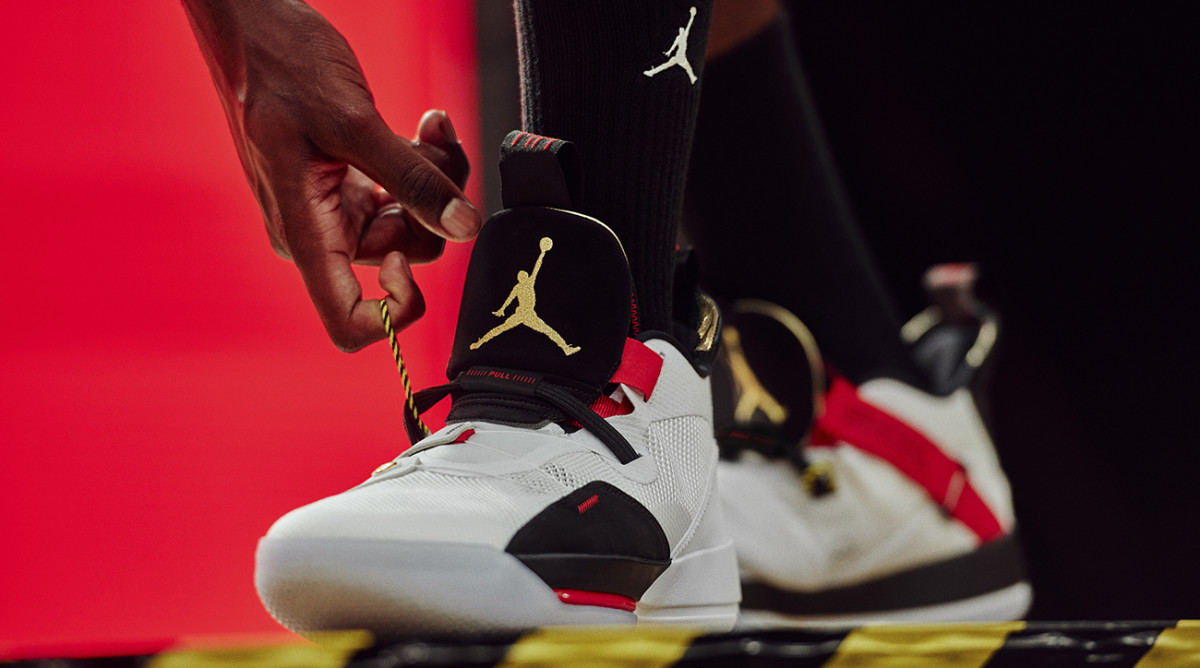
The Air Jordan XXXIII is the brand's boldest design in years. The sneaker introduces consumers to FastFit that gets rids of laces and creates ultimate lockdown.
17. XXX2
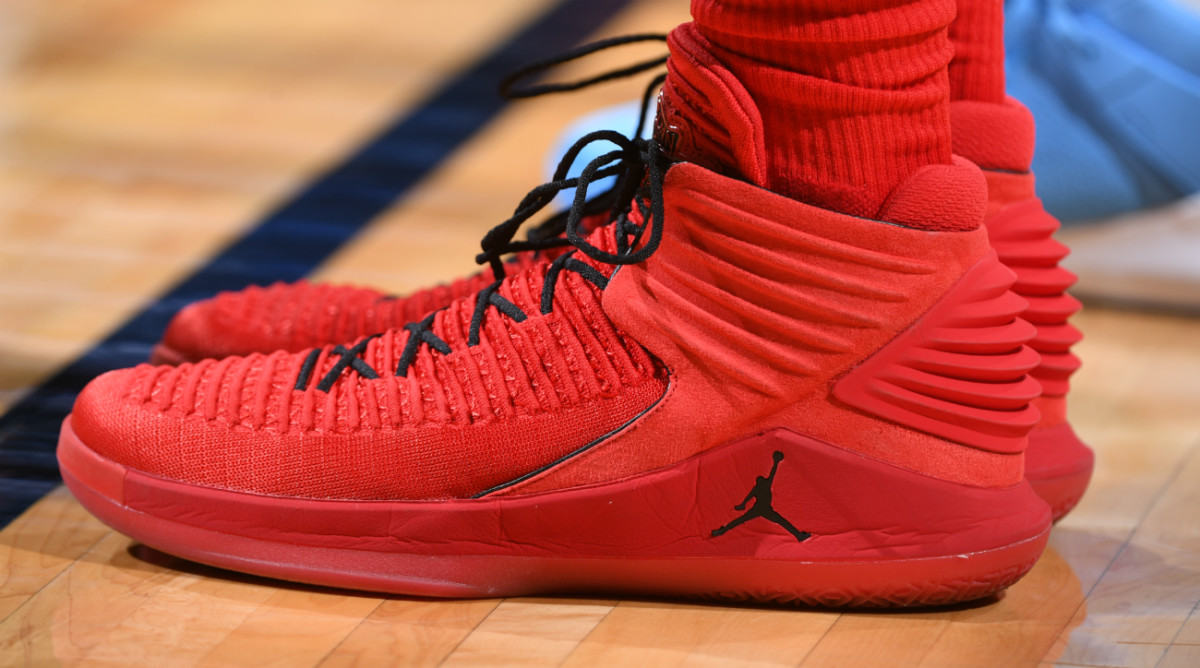
The Air Jordan XXXII paid homage to the Air Jordan 2. The FlightSpeed technology made this one of the best sneakers of 2017.
16: XXXI
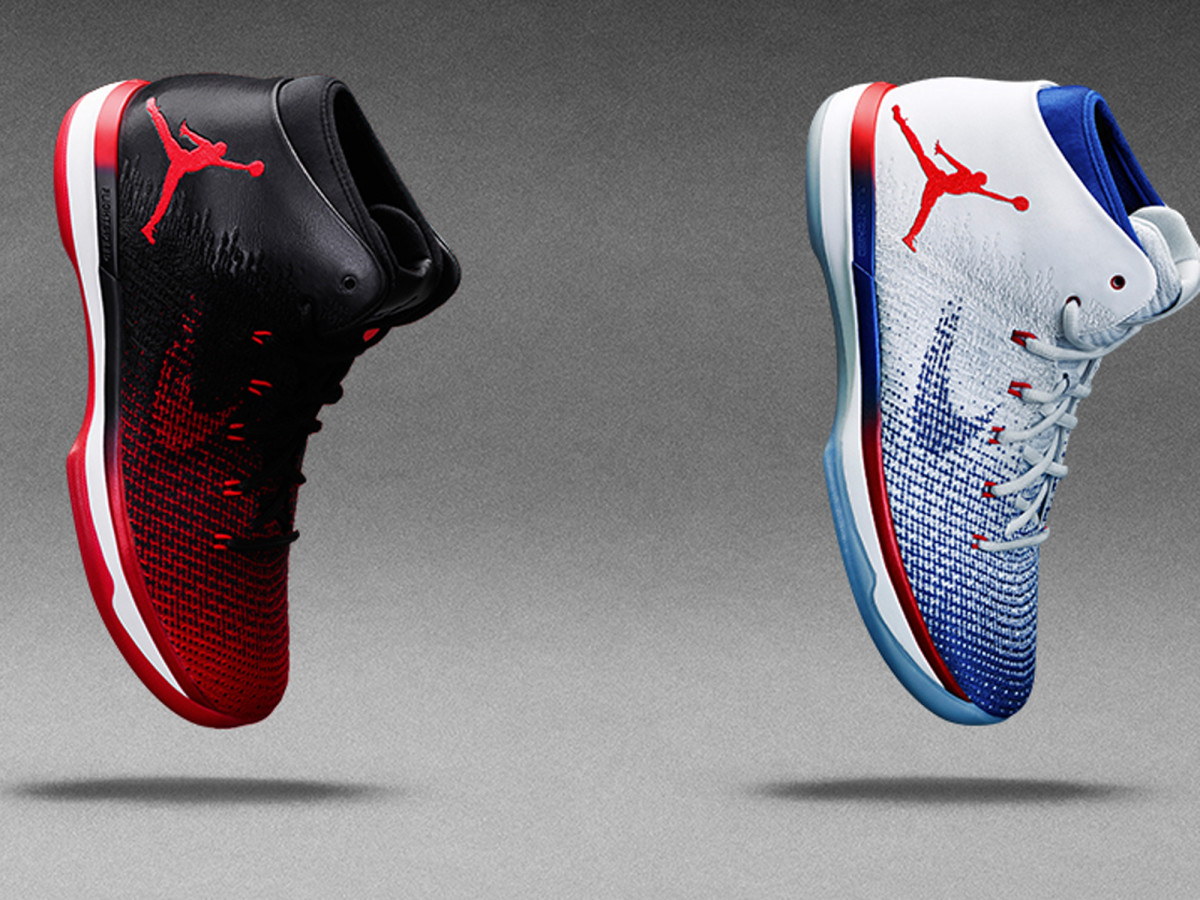
The Air Jordan XXXI paid homage to perhaps the most iconic sneaker in the line, the Air Jordan 1. The 'Banned' theme brought back tons of nostalgia.
15. XX9
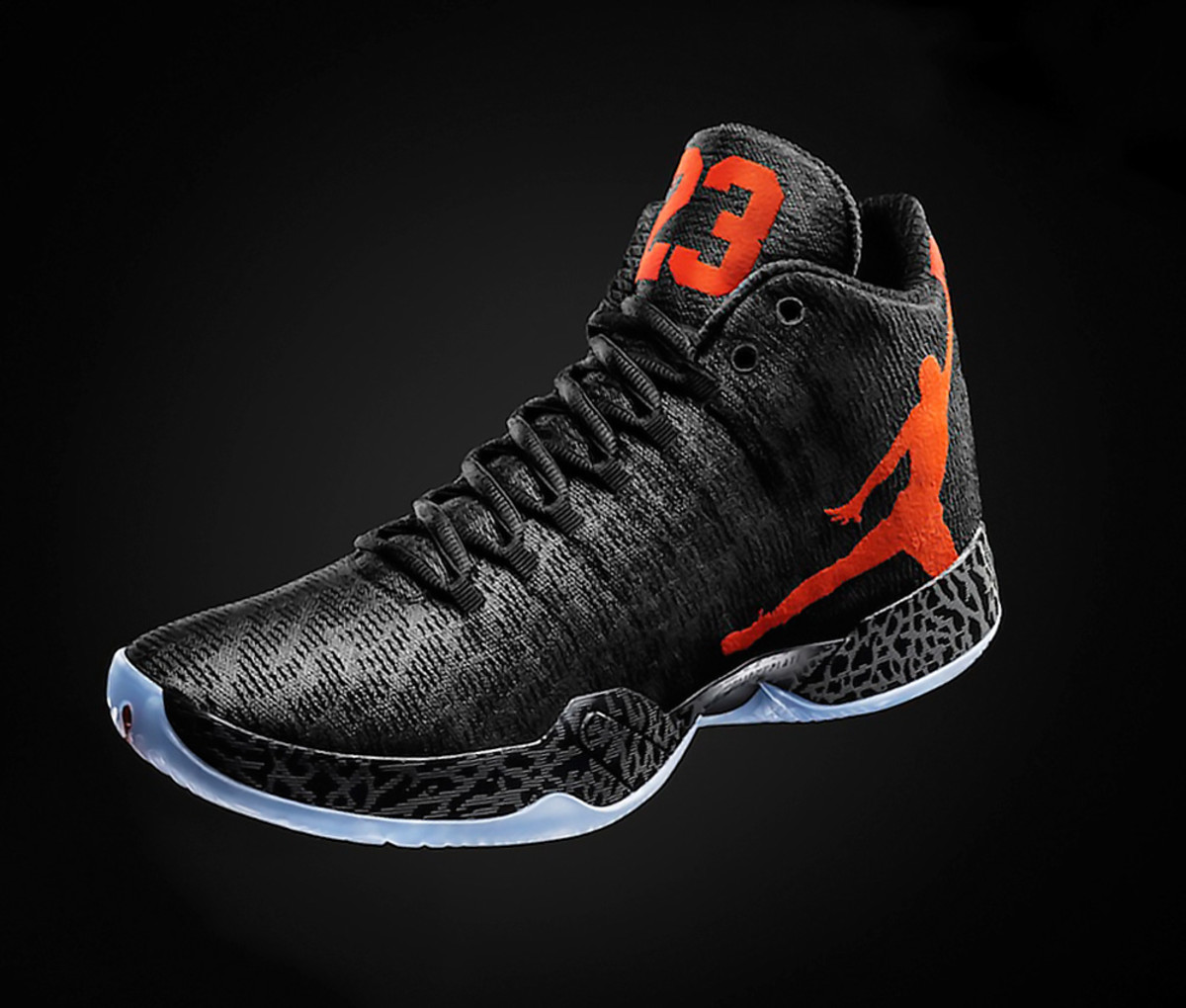
Modern technology gave us Flightweave, a special one-piece woven material from Italy designed for lightweight strength that served as the precursor to Nike’s Flyweave. The tougher-than-knit weave had both a performance element and the ability for the brand to print graphics on the entire upper.
14. X
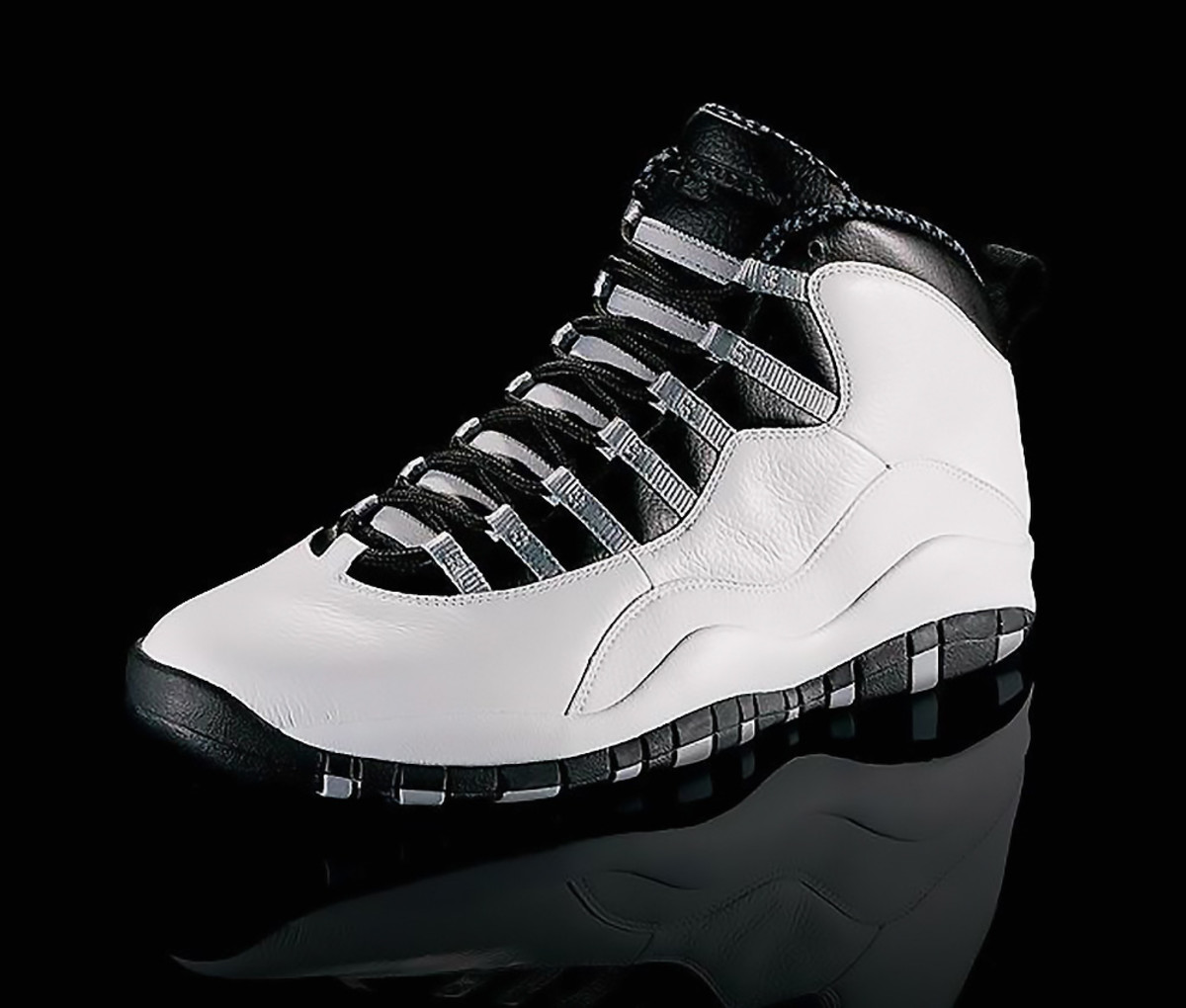
This is how you do simplistic. With an outsole that features Jordan’s NBA achievements, the X signifies the cleanest look of a shoe MJ wore on the court.
13. XIII
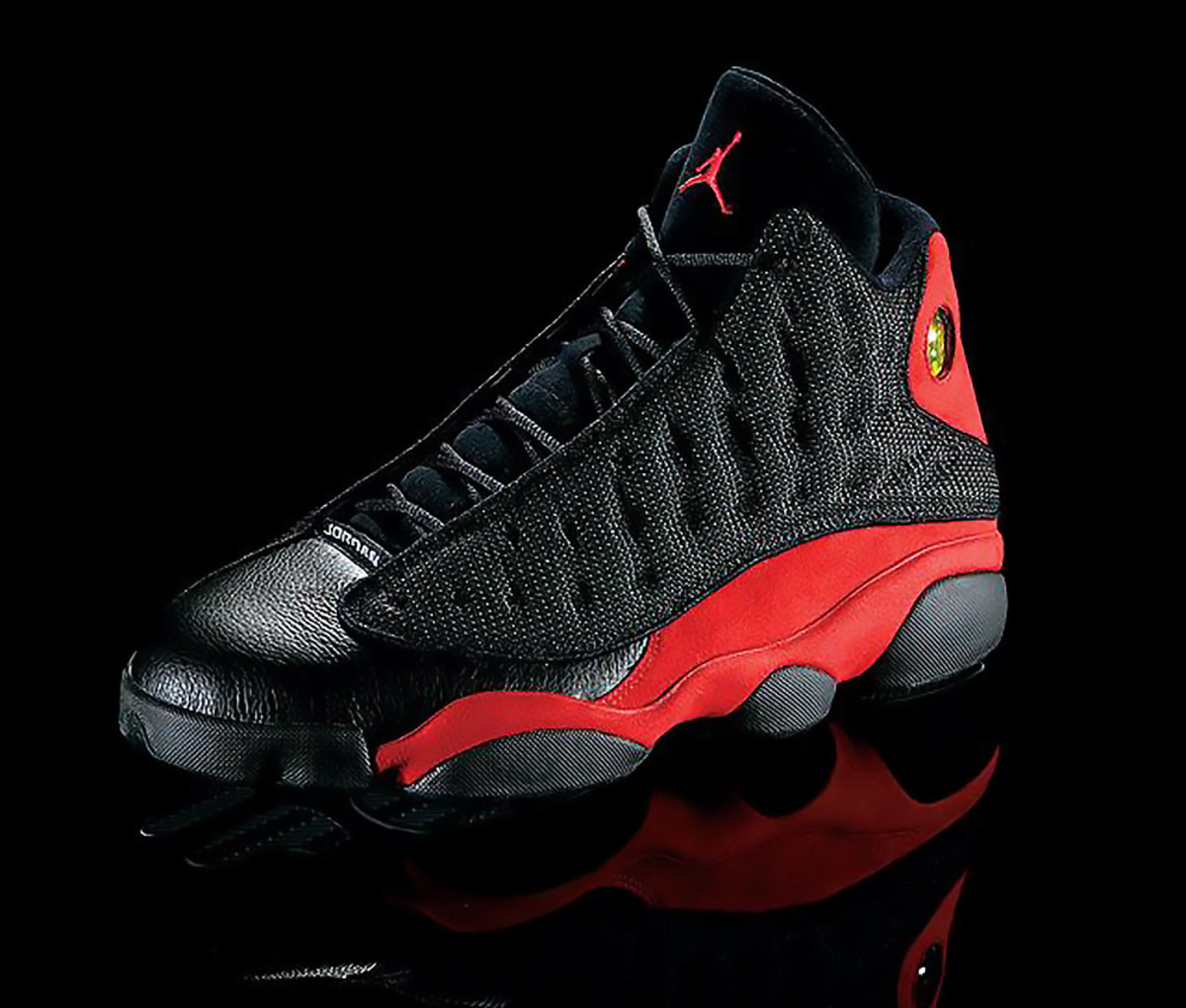
The “Black Cat” design used the padding on a panther’s paw for the outsole shape and matched that with a hologram to further highlight the design, one we’ve seen hit the retro shelves in a variety of colors over the years.
12. XVI
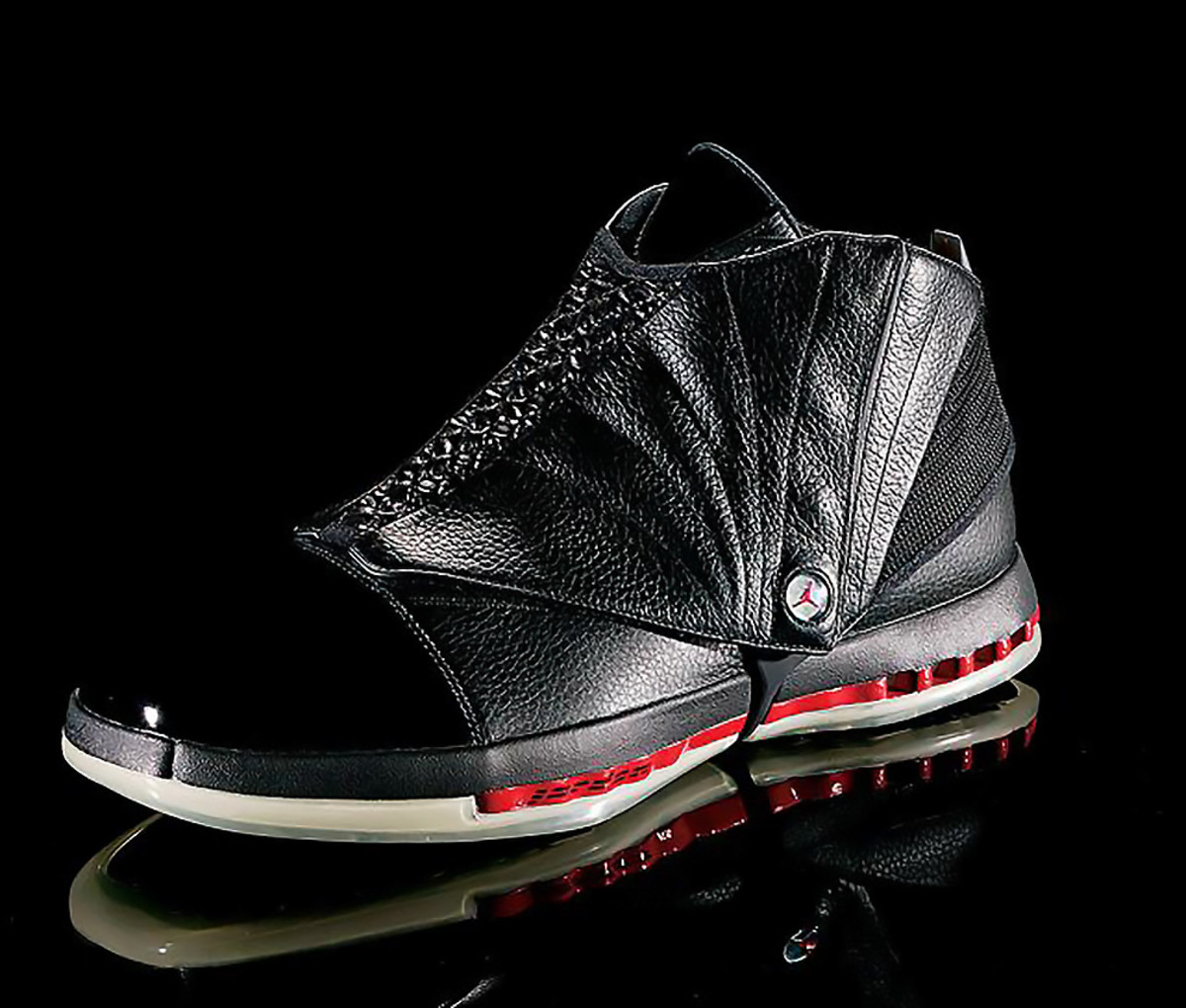
Jordan went to the front office and his signature sneaker needed to exhibit that with a removable shroud—the first use of that design in the line—in leather. The shoe features patent leather and full-grain leather, a strong tie to past Air Jordan sneakers and a distinctive executive look that moves the 16th shoe into rarefied air.
11. IX
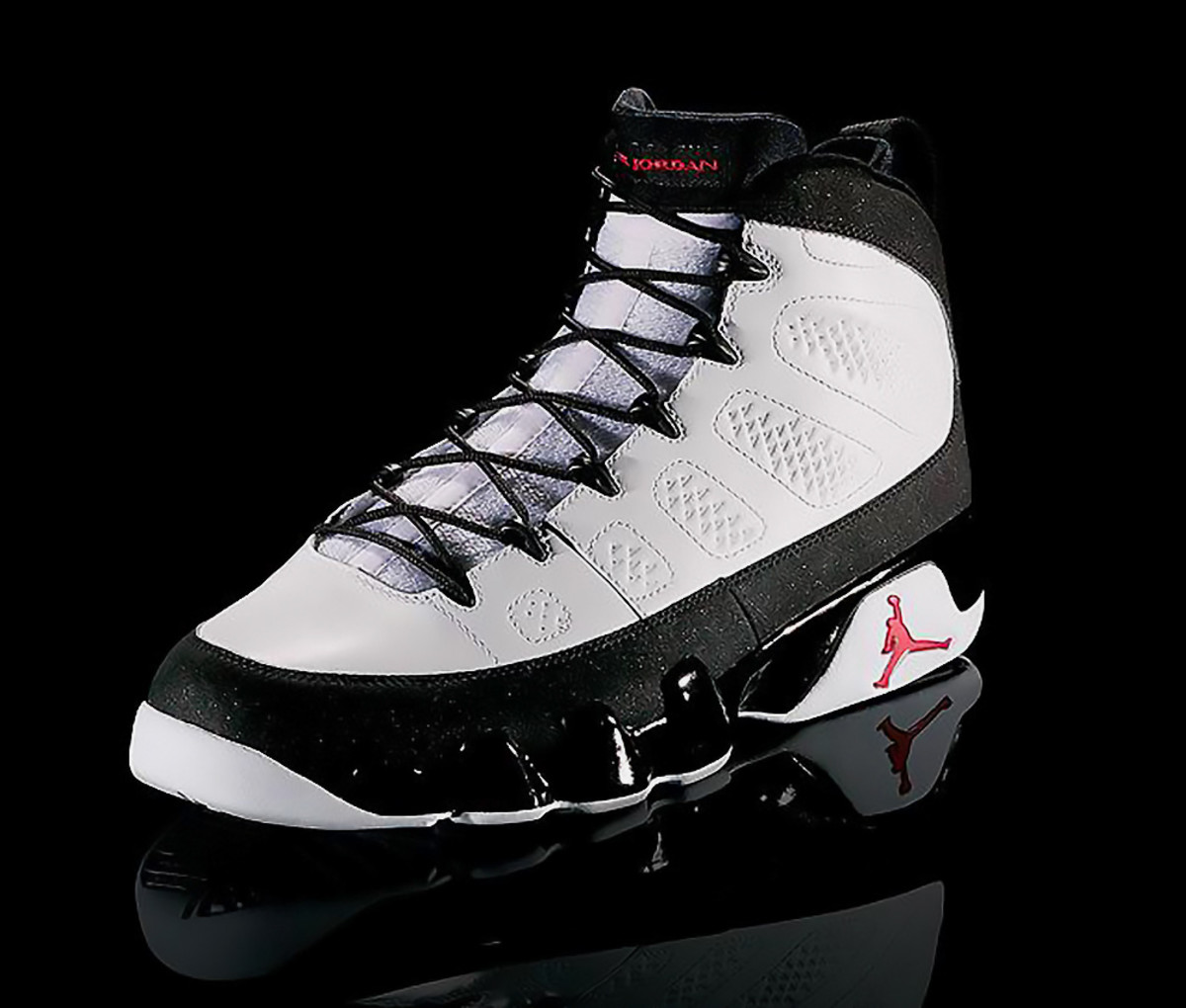
If you want history beyond the retro game, how about the fact that these shoes are featured on the Jordan statue outside the United Center, even though he never wore them on the court. This shoe was created during his baseball days, so the brand switched things up and added cleats to the IX. The clever adaption and history alone propel this up the ranking.
10. II
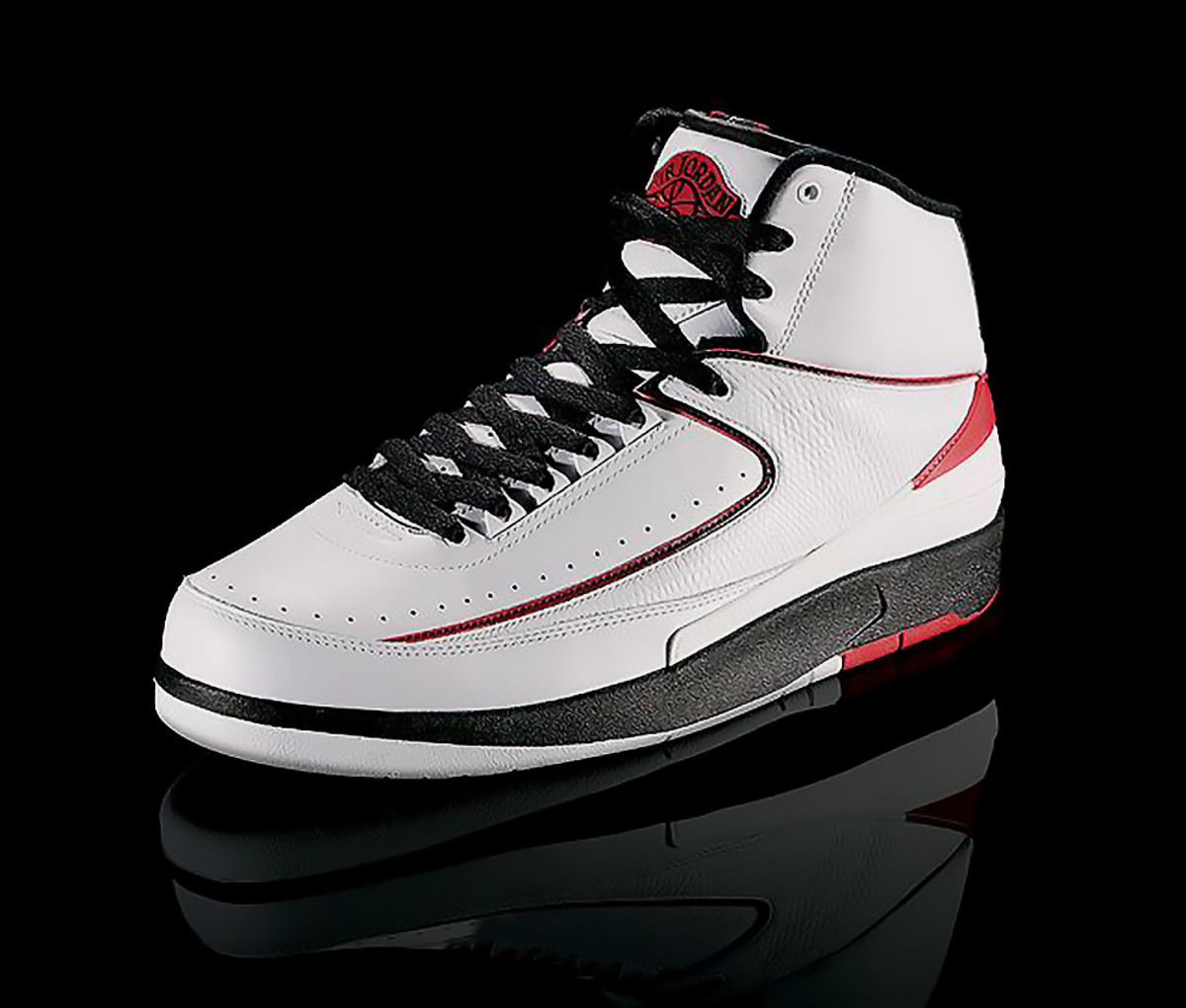
Of the original five shoes in the line, the II gets lost in the shuffle, one shoe beyond the original and one shoe short of the famed Tinker Hatfield-designed III. Bruce Kilgore, though, offered us the first Nike basketball shoe without a Swoosh and introduced full-foot air technology and faux lizard skin, a design detail that powered animal-inspired prints later in the line.
9. XII
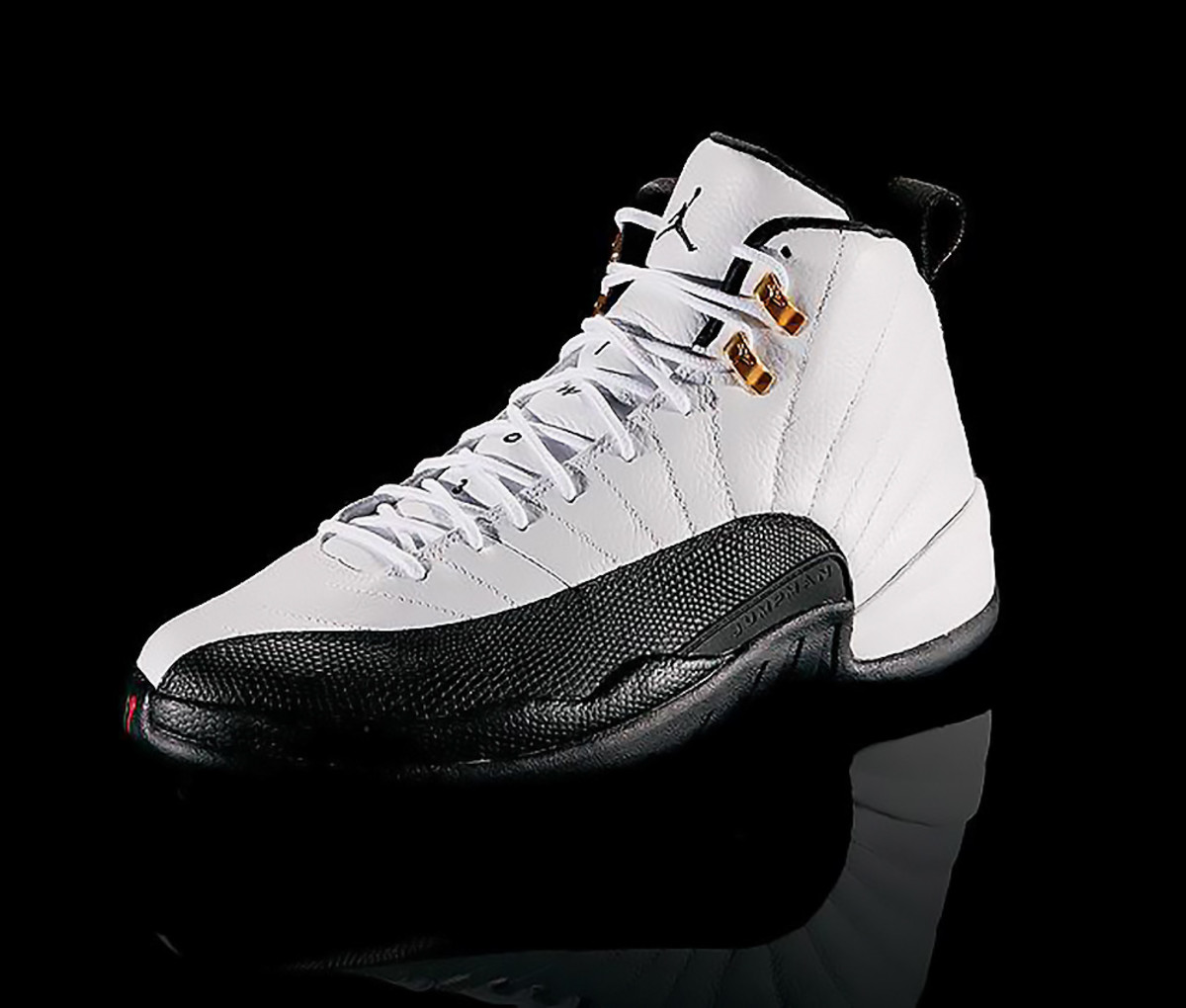
The use of technology pushes the XII up the list, using Zoom Air—a tensile fiber pressurized unit—for the first time. Dress shoes, featuring plenty of leather and a tie back to the faux lizard print from the II, inspired the “Flu Game” shoe. With retro options aplenty, the XII has design, technology and significance.
8. VIII
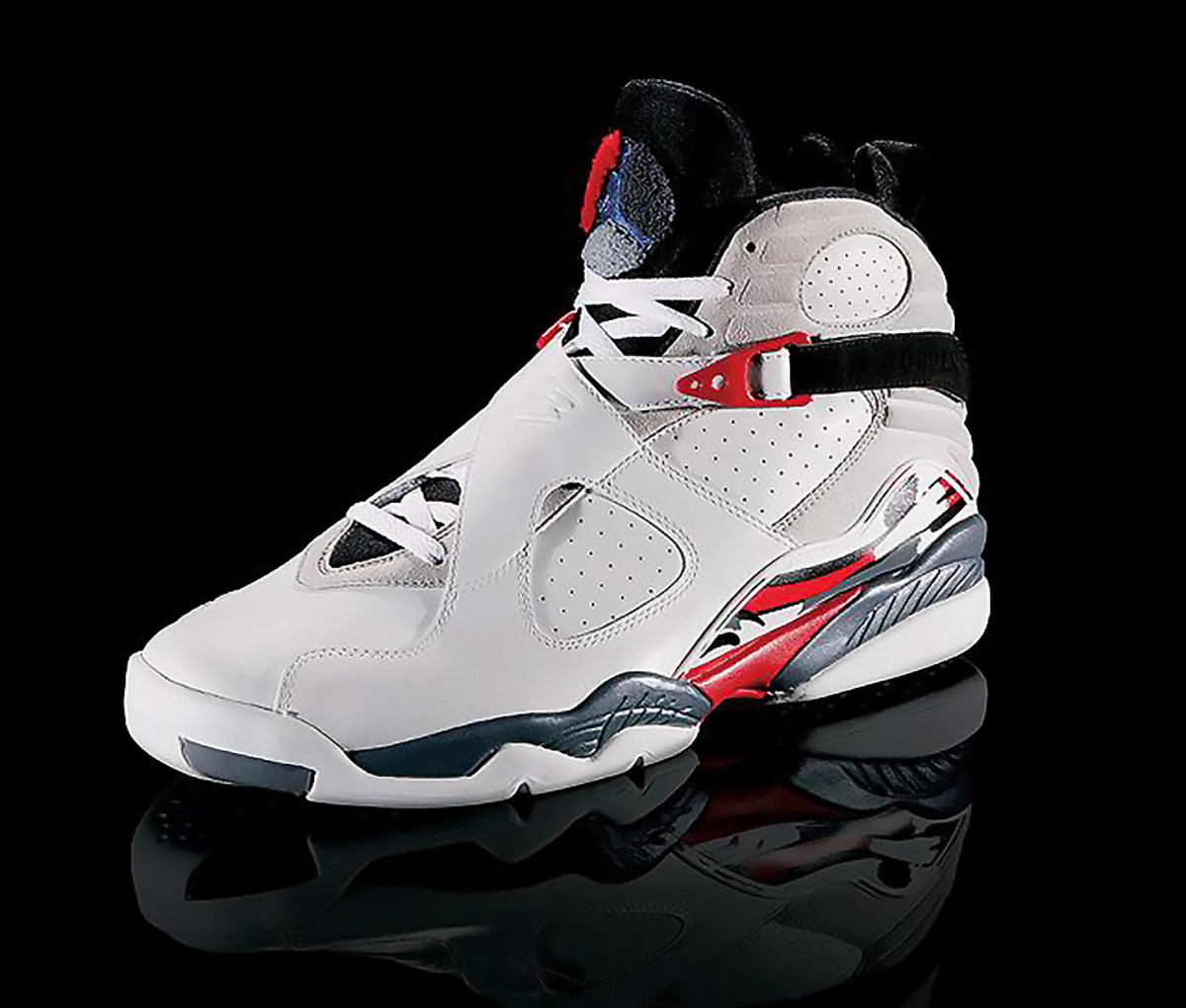
The VIII went heavy—that’s not a good thing—and then added a fuzzy tongue and heel strap for some lockdown. We appreciate the design efforts, even if the technology failed to impress.
7. VII
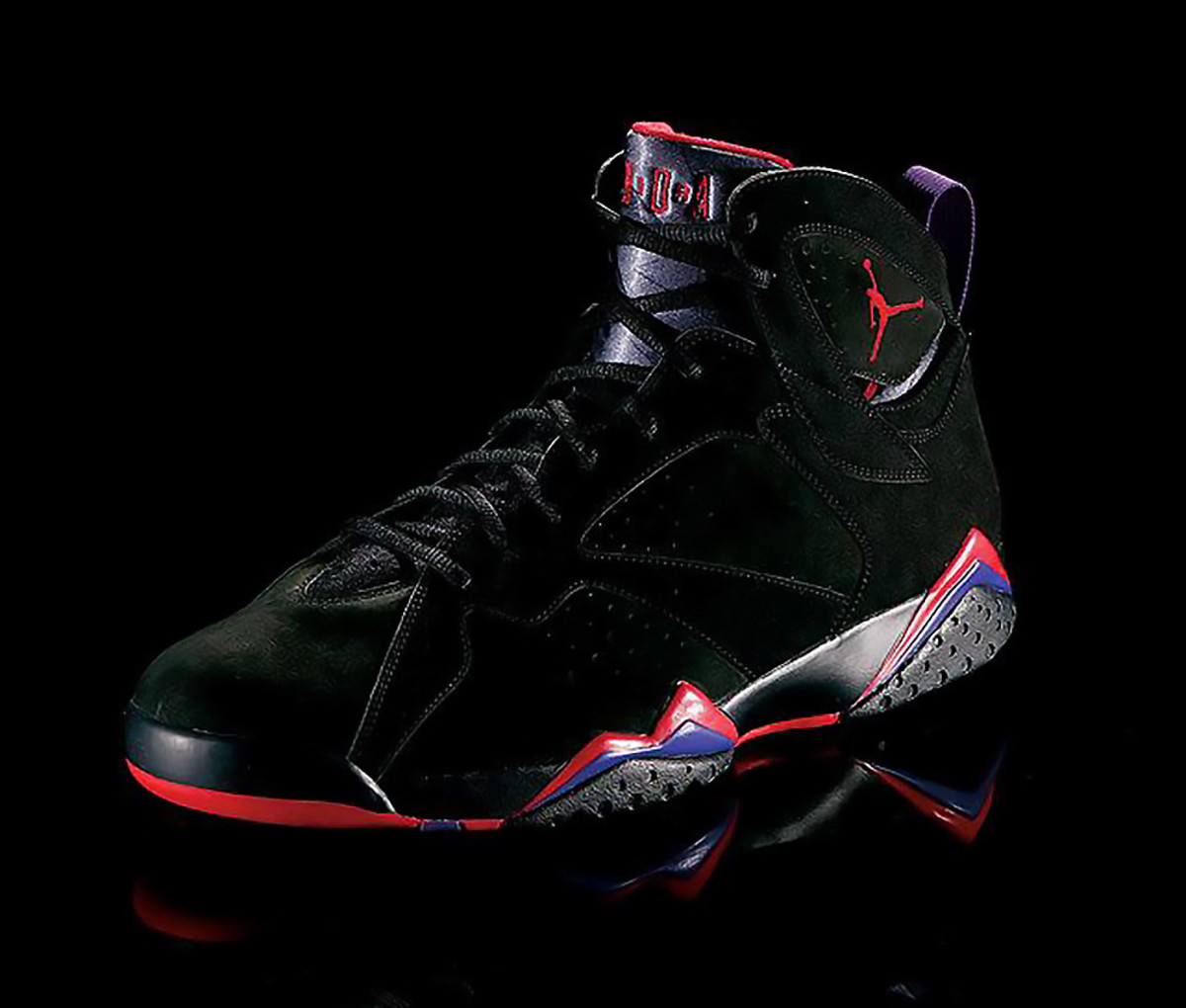
Introducing a bootie system to the line was a nice touch of technology, but using Bugs Bunny in the marketing—a nod to a future strategy—gives this shoe more historical significance than could have been foreshadowed.
6. VI
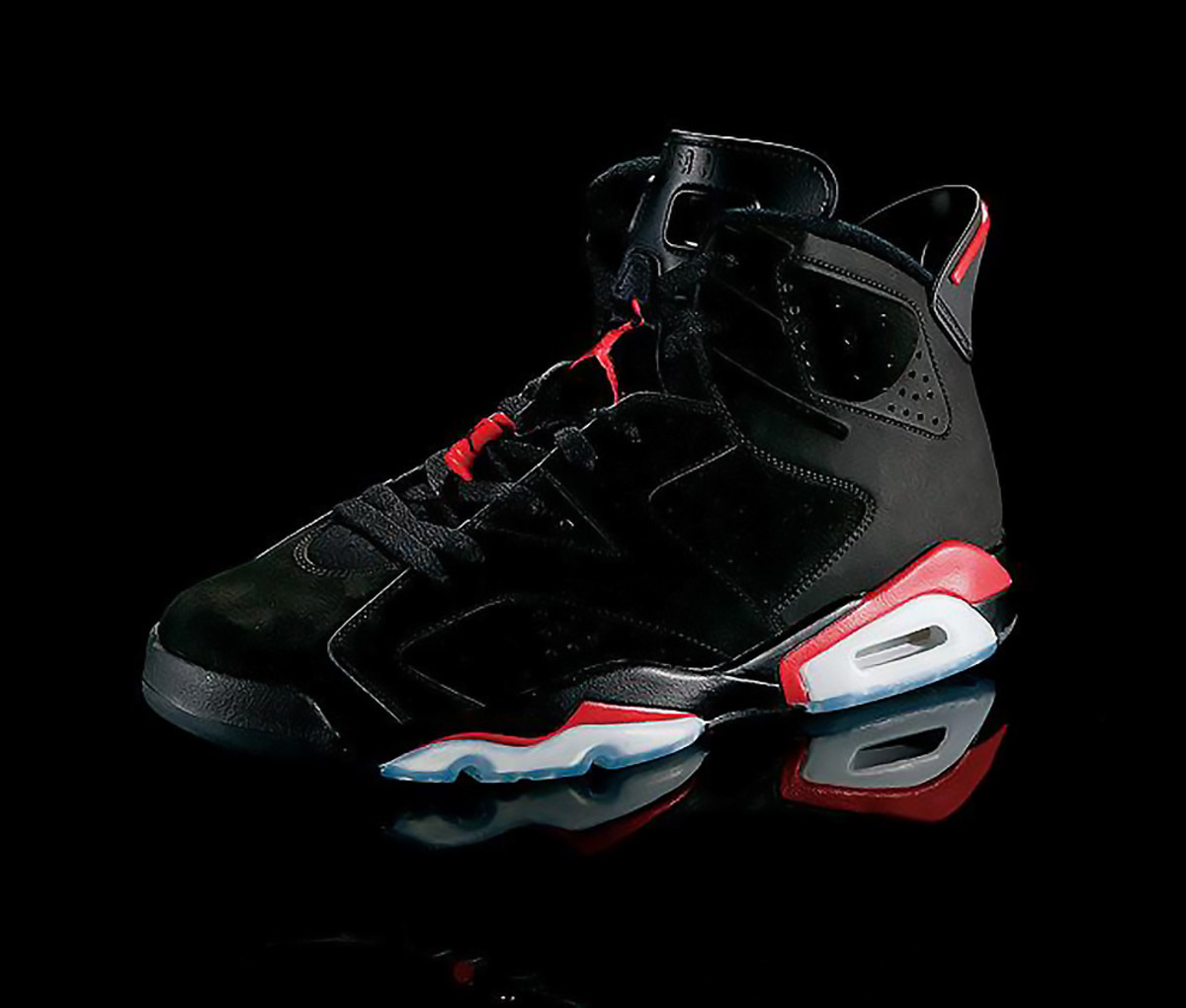
Leather and suede came together as the Air Jordan line tried to continue to build on the power it had created with the three shoes that preceded it. Without anything setting this sneaker apart, the history and retro use alone moves this up to the middle of the ranking.
5. V
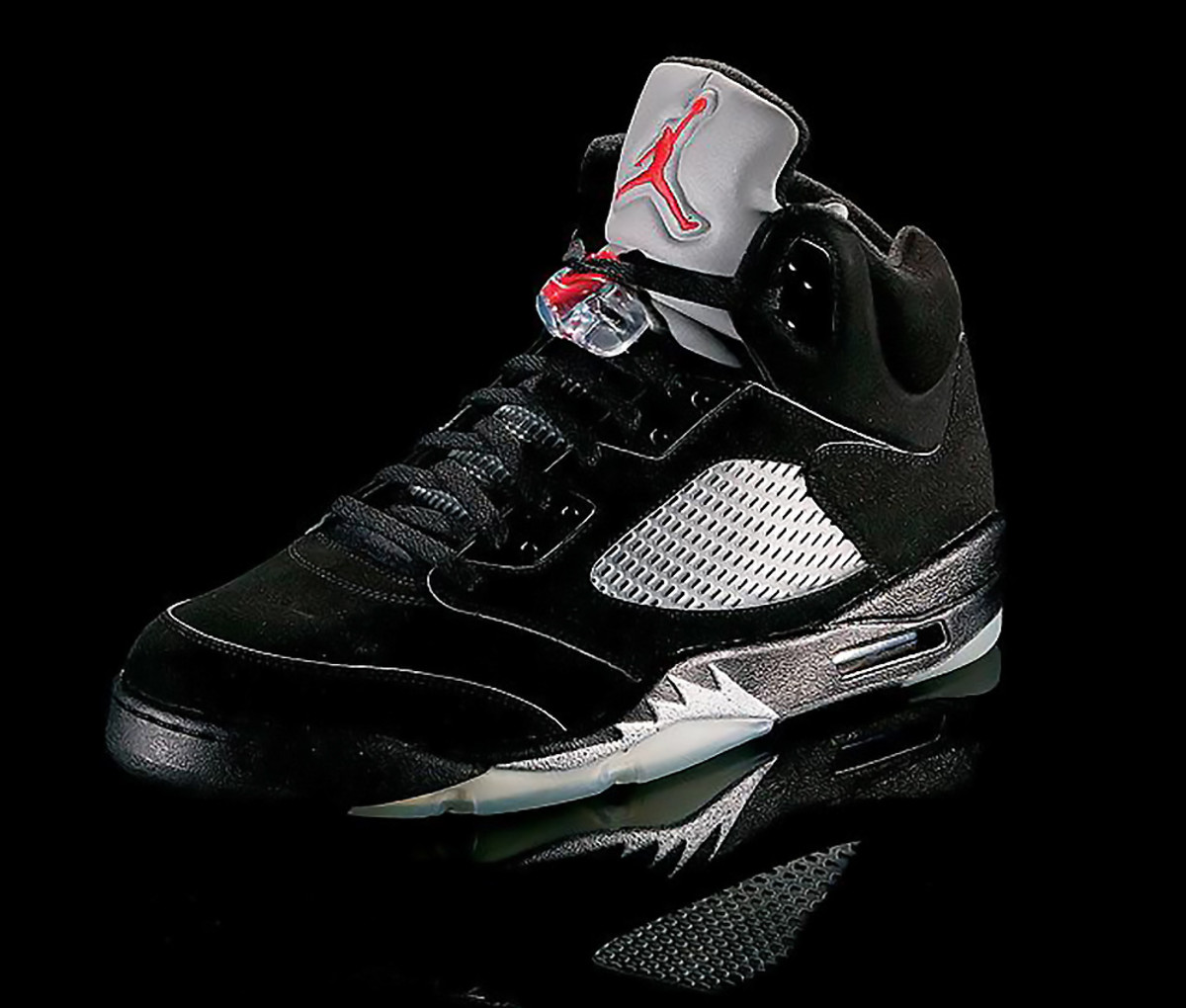
The Air Jordan V wraps up possibly the most powerful three-sneaker run in basketball history (following the III and IV). With inspiration derived from a World War II plane—the only real plane design to work well in the Air Jordan line—we get distinct patterns and an asymmetrical collar. The translucent outsole—underneath the visible air unit—also comes to hoops for the first time.
4. IV
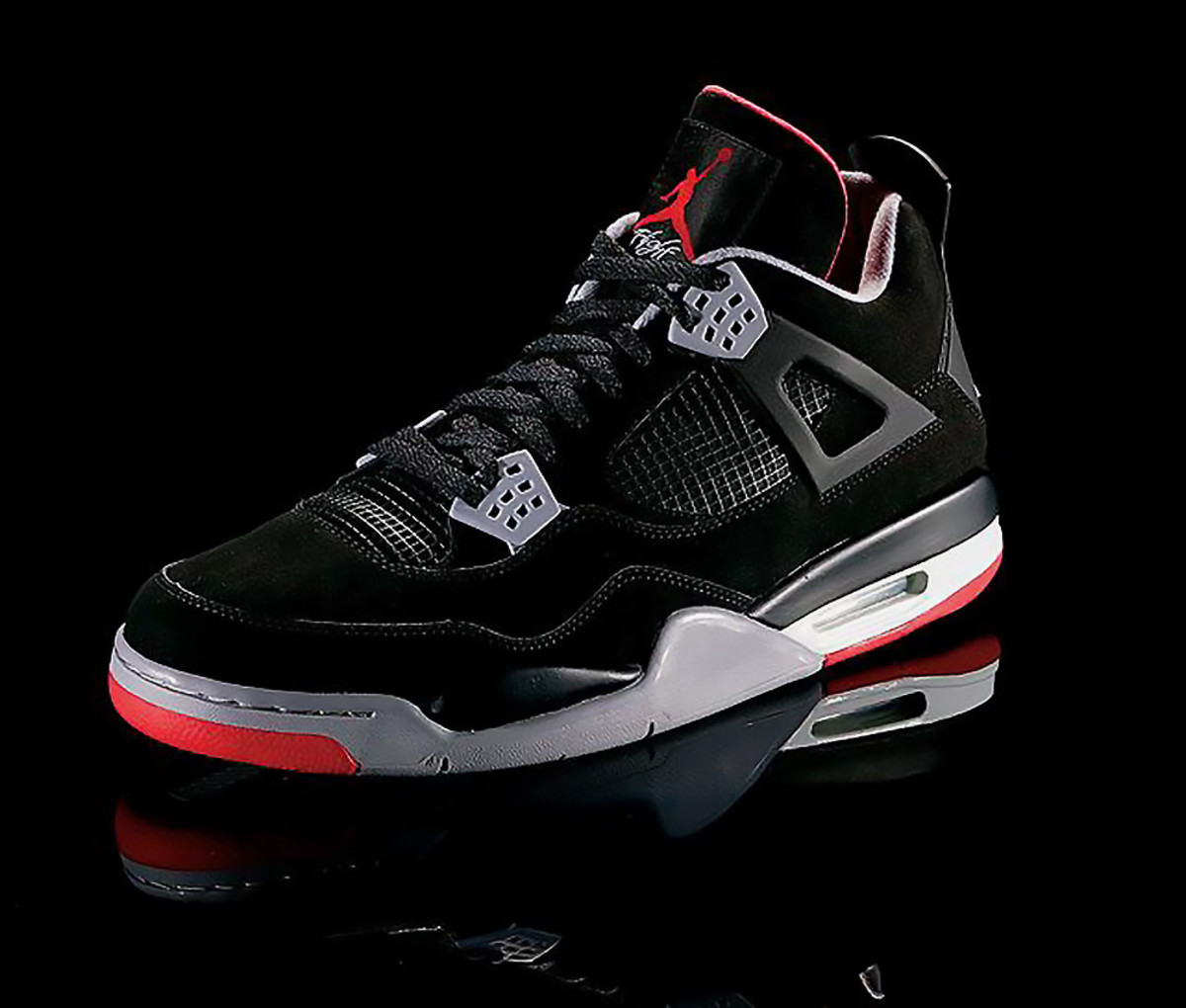
There’s no denying the power of Tinker Hatfield’s first three designs propelling the Air Jordan line to new heights. The IV added to the III, introducing mesh and nubuck leather for the first time in a hoops sneaker. He also added the word “Flight” below the Jumpman logo, a hard plastic lace holder and a more pronounced outsole to build on an already highly successful design.
3. XI
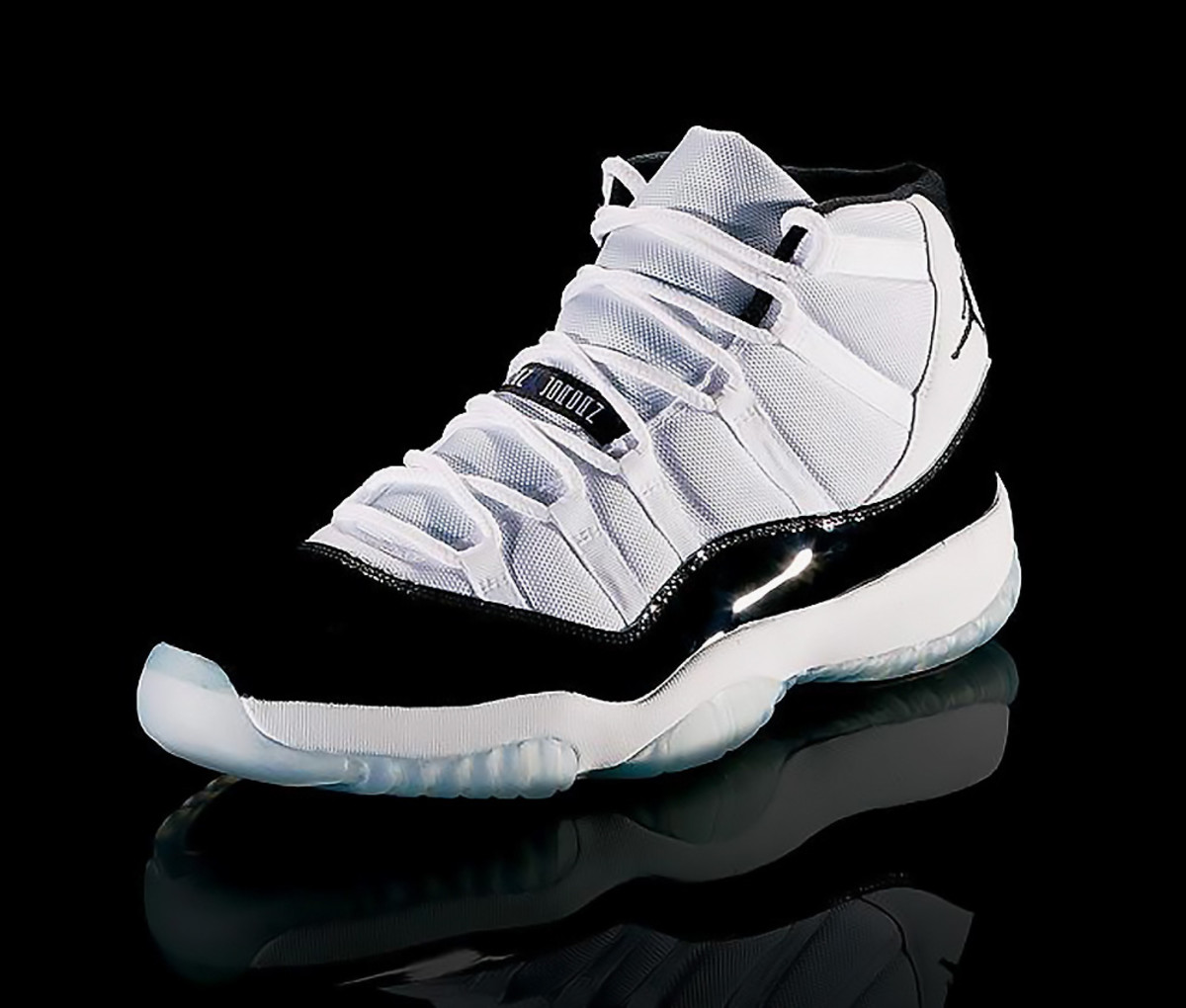
Patent leather. Carbon fiber. Space Jam. A near-perfect trifecta that gave us patent leather on a basketball sneaker for the first time, the introduction of carbon fiber in the support shanks—quite the tech-forward choice for 1996—and even a return to a clear outsole for what became the Space Jam sneaker of choice. So much design, tech and significance.
2. III
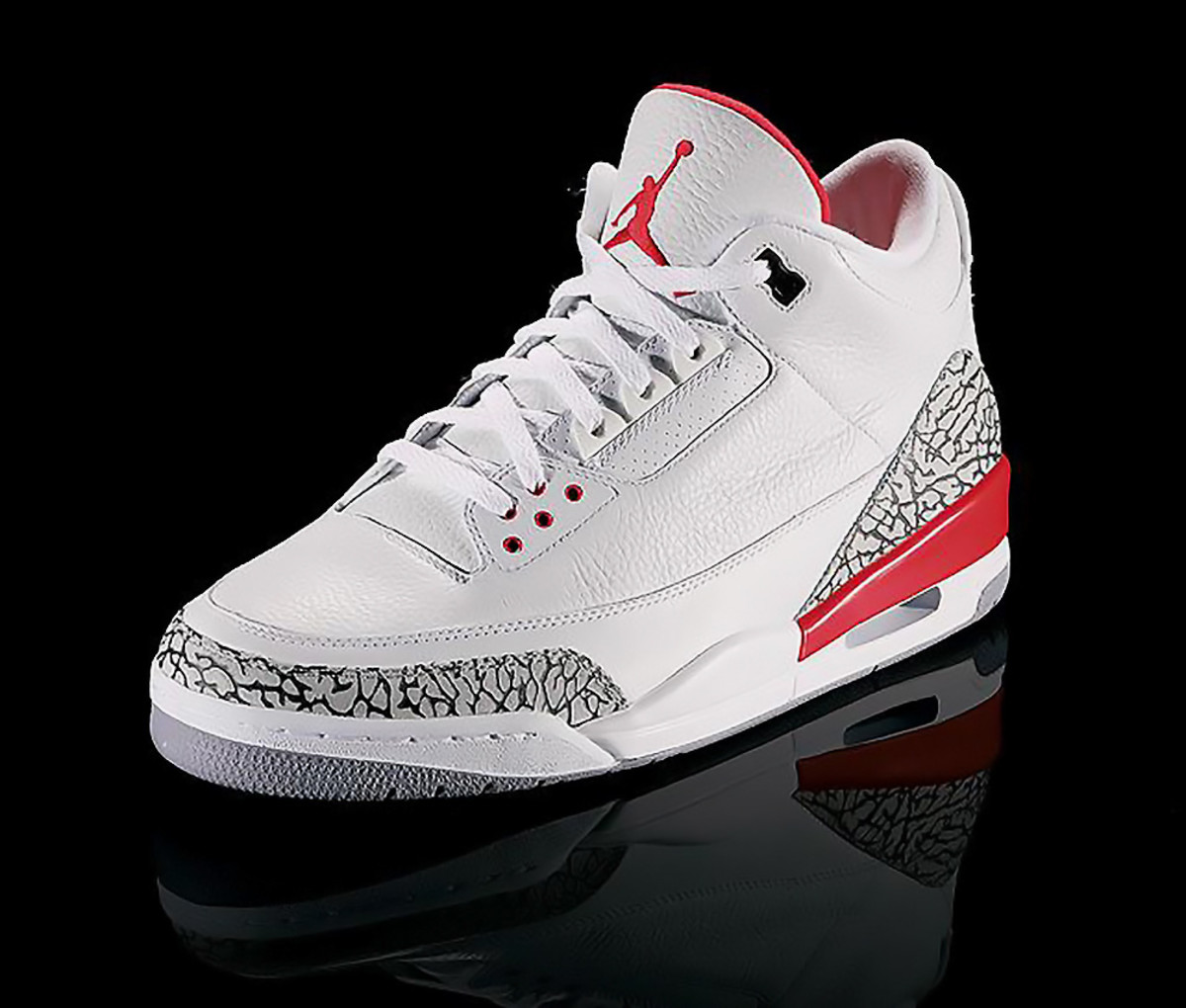
We don’t really know why we love elephant print so much, but we do. Designer Tinker Hatfield brought us in a new direction in sneakers by wowing Jordan with a fresh take on design that included the introduction of the Jumpman logo. He then mixed tumbled leather with that faux elephant skin print while dropping the profile to a mid-top and putting in a visible air unit to show off the most high-tech cushioning 1988 had to offer. And the historical significance speaks for itself.
1. I
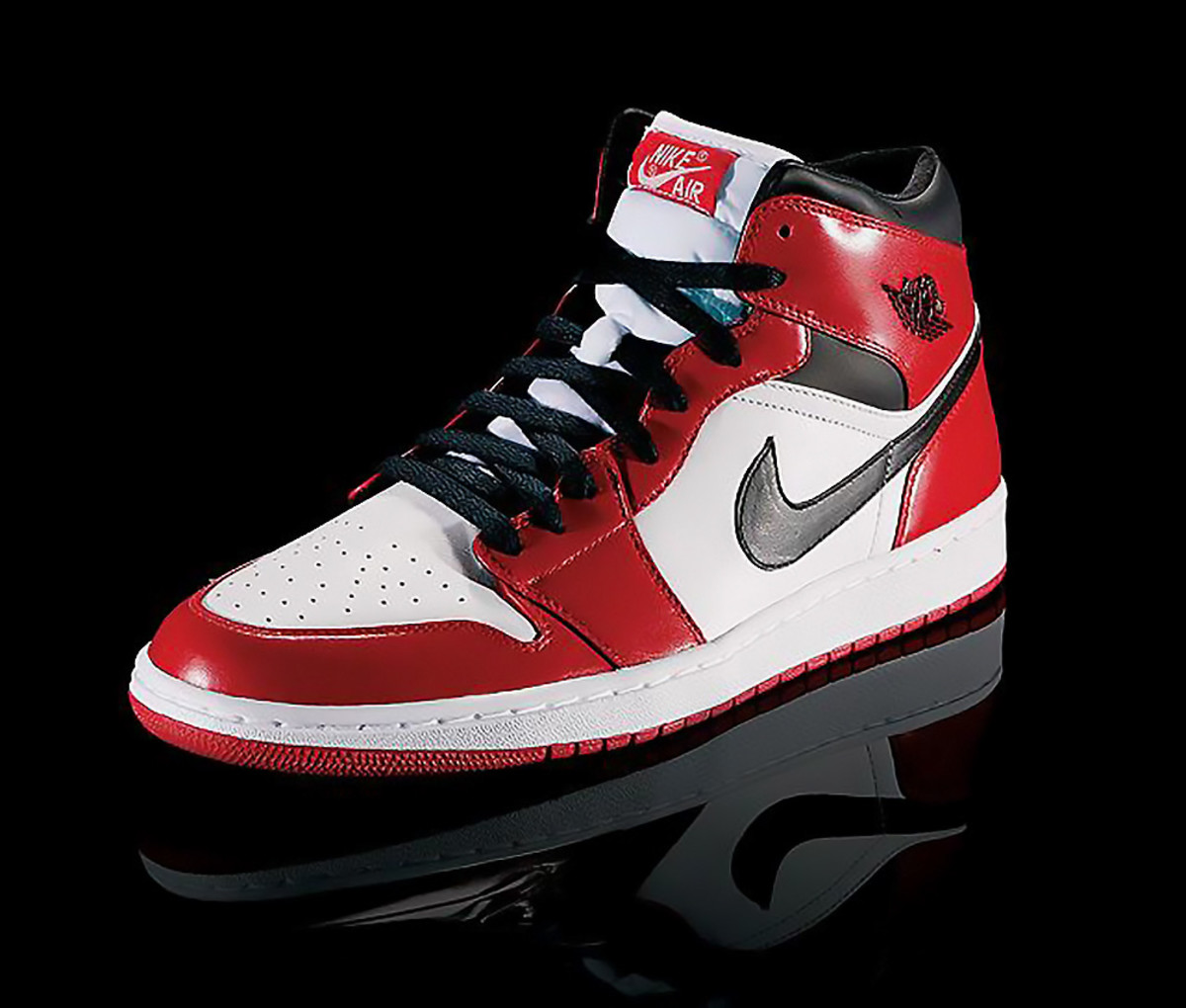
The year: 1985. The Air Jordan I debuted. The Peter Moore design gave Michael Jordan his first original logo, wings surrounding a basketball, a design-forward idea on its own. The black and red colorway served as the catalyst for bringing color to the hardwood, both a design-forward move and a powerful marker in sneaker history.
P3, which specializes in medical-driven high-performance and individualized training programs to correct biomechanical deficiencies and optimize athletic needs, will have a significant space in the facility, emphasizing a research-driven training approach to the Hawks. With P3 and Emory Healthcare’s leadership, the Hawks will shape research conducted and training methods will be refined on the spot based on evolving medical and performance needs of athletes, says Heinlein.
“Our goal was to build a world-class training and sports medicine center that would provide the best services and technology currently available to our players” Thad Sheely, Hawks executive vice president, real estate and chief financial officer, tells SI.com.
By fall 2017, the Hawks will move one step closer to integrating the overall health and well being of their players into basketball. Consider it the next step in basketball operations.
Tim Newcomb covers sports aesthetics—stadiums to sneakers—and training for Sports Illustrated. Follow him on Twitter at @tdnewcomb.
 Add us as a preferred source on Google
Based in the Pacific Northwest, Tim Newcomb covers stadiums, sneakers, design, training and technology across all sports.