%20%20--%3E%0A%3Csvg%20version%3D%221.1%22%20id%3D%22Layer_1%22%20xmlns%3D%22http%3A%2F%2Fwww.w3.org%2F2000%2Fsvg%22%20xmlns%3Axlink%3D%22http%3A%2F%2Fwww.w3.org%2F1999%2Fxlink%22%20x%3D%220px%22%20y%3D%220px%22%0A%09%20width%3D%2239px%22%20height%3D%2240px%22%20viewBox%3D%220%200%2039%2040%22%20enable-background%3D%22new%200%200%2039%2040%22%20xml%3Aspace%3D%22preserve%22%3E%0A%3Cpath%20fill%3D%22%23FFFFFF%22%20d%3D%22M38.5%2C7H28.2v26h10.3V7z%22%2F%3E%0A%3Cpath%20fill-rule%3D%22evenodd%22%20clip-rule%3D%22evenodd%22%20fill%3D%22%23FFFFFF%22%20d%3D%22M26.1%2C25.5c0%2C5.8-4.1%2C7.5-12.9%2C7.5C3.9%2C33%2C0%2C31.2%2C0%2C25.2v-1.1h11.6%0A%09v2.4c0%2C0.7%2C0.1%2C1.4%2C1.2%2C1.4c1%2C0%2C1.2-0.4%2C1.2-1.3v-0.9c0-1.6-0.9-1.6-3.5-2.2C2.2%2C21.7%2C0%2C19.7%2C0%2C15.3v-0.9C0%2C9.3%2C5.5%2C7%2C12.9%2C7%0A%09c10.2%2C0%2C12.8%2C2.6%2C12.8%2C7.4v1.8h-11v-2.9c0-0.6-0.4-1.1-1.2-1.1c-0.6%2C0-1.2%2C0.4-1.2%2C1.1v0.9c0%2C1.5%2C0.9%2C2%2C3.3%2C2.5%0A%09c8%2C1.6%2C10.5%2C3.3%2C10.5%2C7.5V25.5z%22%2F%3E%0A%3C%2Fsvg%3E%0A)
NASCAR's new engines, reason Petty opted for Almirola, more mail
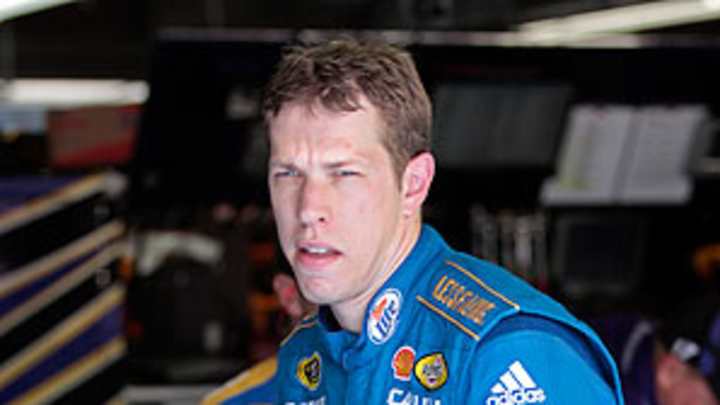
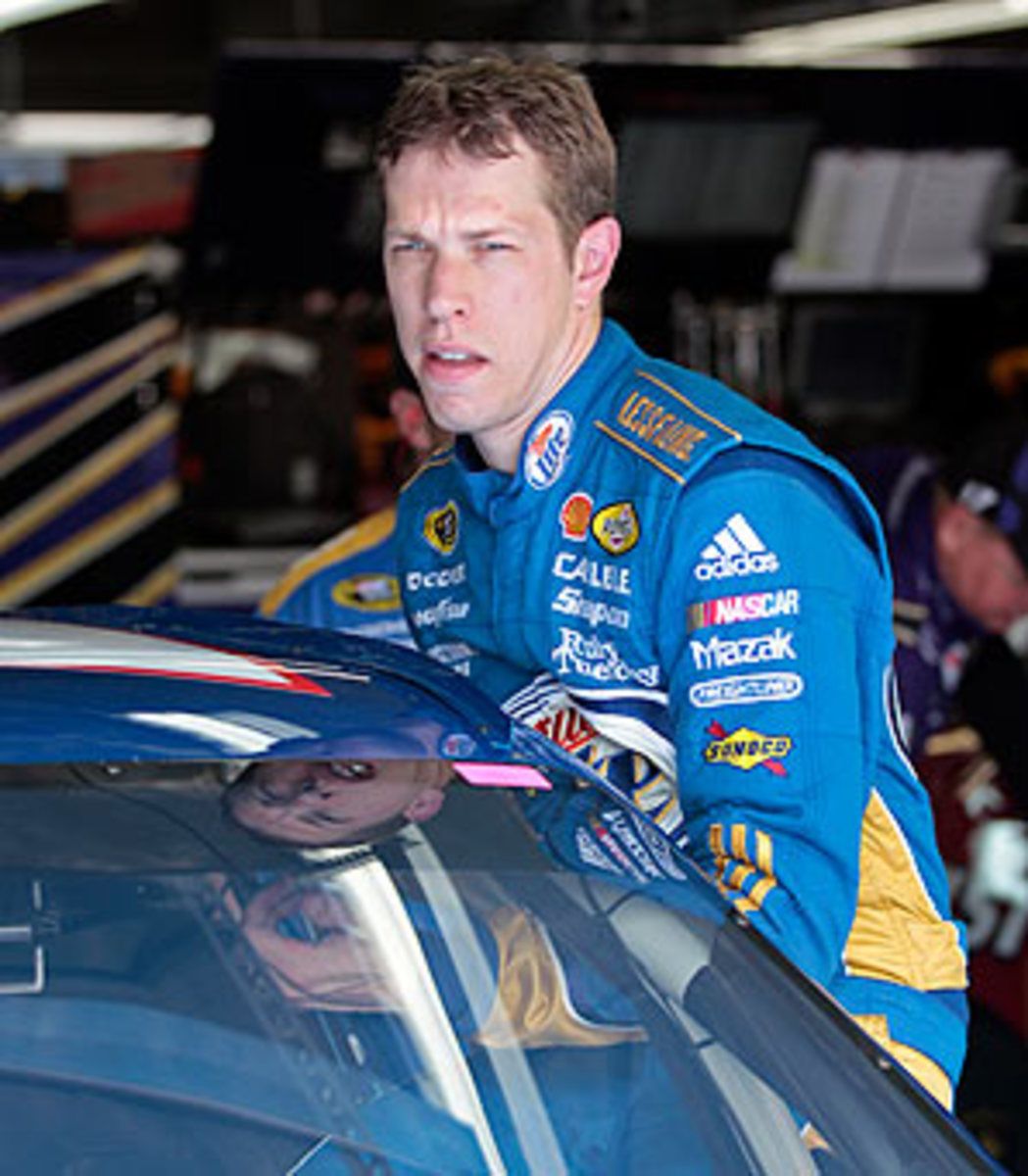
The race took place two months ago, a riveting three hours that played out on a 1.5-mile circle of asphalt in South Florida. Now that we've had time to digest and analyze and rehash all that took place in the 2011 season finale at Homestead-Miami Speedway -- how Carl Edwards held the points lead heading into the race over Tony Stewart; how Stewart dropped to the back of the field after sustaining damage to his No. 14 Chevy under caution; how Stewart charged back; how Stewart passed Edwards and won the championship based on a tiebreaker -- let's officially call that race what it was: the greatest of the Chase era.
As the shortest offseason in sports winds down -- the engines will fire for the Daytona 500 on Feb. 26 -- a number of questions surround NASCAR. Can Stewart repeat? Will Jimmie Johnson rebound from a sub-par autumn? Can Edwards avoid a letdown? Will Dale Earnhardt Jr. take a checkered flag for the first time since 2008? Can the sport sustain the momentum it generated in 2011?
So many questions. Let's dive into the first mailbag of the season, one that features our first bold prediction of 2012.
I would like to know how NASCAR's EFI works & what the benefits are.
-- @GERI13FAN (Judy GeriBear Brizz)
Basically electronic fuel injection makes the engines run more efficiently by controlling the fuel mixture through electronics. This means, for the first time, the Sprint Cup cars won't be using carburetors, which is a technology that is outdated. After all, every passenger car in the United States has featured EFI since 1990.
Brad Keselowski, for one, is not a fan of EFI, labeling the experiment a "disaster" when he tested the EFI engine late last season, saying that it changed the handling characteristics of his car. But Keselowski was in the minority, as Dale Earnhardt Jr., who also tested EFI last year, said, "It felt exactly like the carburetor car."
But I think this will impact the competitive balance in NASCAR. Why? Because it will require serious expertise to interpret the data generated by the engines' sensors. This favors the teams with the most money -- Hendrick, Roush and Gibbs.
Which driver coming off a down year is most likely to bounce back in 2012?
-- James, Dayton, Ohio
Kasey Kahne. Driving with mediocre equipment at Red Bull Racing last season, Kahne finished 14th in the standings. Now he moves to Hendrick Motorsports, where he'll be piloting a car capable of winning a championship. Plus, Kahne moves with his long-time crew chief Kenny Francis, which should ease the transition. Look for Kahne to win multiple races in 2012, qualify for the Chase and be a legitimate title contender.
Why does only Sprint Cup have an All-Star Race and not the Truck or Nationwide Series?
-- @HOLTONDE614 (Dan Eugene Holton)
This is a great question. My belief is that this is purely a demand (see: money) issue. If NASCAR thought that fans would fill Charlotte Motor Speedway to see a Truck or Nationwide All-Star Race, it would happen. But the idea of seeing an All-Star Race with the seats two-thirds empty isn't exactly a palatable one to the decision-makers in the sport.
Any idea why Petty opted for [Aric] Almirola over [David] Ragan? Almirola hasn't even driven in Cup since 2010.
--Robert Campbell, Tampa, Fla.
At first blush, this was a bit of a head-scratcher. But dig deeper and it makes sense. Ragan had been driving full-time for Roush Fenway Racing since 2007. Over that stretch, he won a grand total of one race in 180 starts and never qualified for the Chase. Not exactly a stellar resume, especially considering that RFR is one of the sport's elite teams.
Almirola has never been given a serious chance in Sprint Cup racing. I met him for the first time about eight years ago, and everyone I've talked in the garage since then has told me that he simply needed a shot in a quality car to prove that he belonged at the Cup level. Now he gets it. Yes, Richard Petty is taking a chance, but he clearly believed there was more potential upside to Almirola than there was with Ragan.
Is this the year Dale Jr. finally breaks his winless streak? If so, where?
-- Jay Garver, Atlanta, Ga.
Yes. And I will bravely say it will be in the season-opening Daytona 500. You heard it here first.
Which driver is under the most pressure in 2012?
-- Danielle, Charlotte, N.C.
Denny Hamlin. A year after narrowly losing the 2010 championship to Jimmie Johnson -- he held the points lead heading into the final race at Homestead -- Hamlin flopped in 2011. He had only five top-five finishes and came in ninth in the final standings. This offseason his crew chief, Mike Forde, was fired and replaced by Darian Grubb, who guided Tony Stewart to the title in 2011. With Grubb atop his pit box, Hamlin has the hottest crew chief in the sport calling the shots for him. Was Hamlin a one-year wonder? I don't think so, but if struggles again in 2012, those whispers will grow louder in the garage.
 Add us as a preferred source on Google
Senior Writer, Sports Illustrated Senior writer Lars Anderson is Sports Illustrated's main motor sports writer. He has profiled many of the sport's iconic figures, including cover stories on Dale Earnhardt Jr, Jimmie Johnson and Danica Patrick. Anderson has covered multiple Daytona 500s and Indianapolis 500s and writes a twice-weekly racing column for SI.com. He also covers college football. Anderson penned a regional cover story on Alabama's defense in 2011 and has written features on Cam Newton at Auburn, coach Frank Solich at Ohio and the history of spring practice. The most important piece of his SI career, according to Anderson, was his 2011 cover story on the tornado that struck Tuscaloosa, Ala., and how sports was going to play a role in rebuilding that sports-obsessed city. Anderson is the author of five books: The First Star: Red Grange and the Barnstorming Tour that Launched the NFL (published by Random House in December 2009), Carlisle vs. Army (Random House, 2007), The All Americans (St. Martins, 2005), The Proving Ground: A Season on the Fringe in NFL Europe (St. Martins, 2001) and Pickup Artists (Verso, 1998). Both Carlisle Vs. Army and The All Americans have been optioned for movies. Of Carlisle, Booklist, in a starred review, called the work "a great sports story, told with propulsive narrative drive and offering a fascinating look at multiple layers of American pop culture." Anderson is currently working on a sixth book, The Storm and The Tide, about the 2011 Tuscaloosa tornado and Alabama's national championship that season. It will be published by Time Home Entertainment Inc., a division of Time Inc., in August 2014. A native of Lincoln, Neb., Anderson joined SI in 1994 following a short stint as a general assignment reporter at the Lincoln (Neb.) Journal Star. He received a B.A. from St. Olaf College in Northfield, Minn., and an M.S., from the Graduate School of Journalism at Columbia University. Anderson resides in Birmingham, Ala.