%20%20--%3E%0A%3Csvg%20version%3D%221.1%22%20id%3D%22Layer_1%22%20xmlns%3D%22http%3A%2F%2Fwww.w3.org%2F2000%2Fsvg%22%20xmlns%3Axlink%3D%22http%3A%2F%2Fwww.w3.org%2F1999%2Fxlink%22%20x%3D%220px%22%20y%3D%220px%22%0A%09%20width%3D%2239px%22%20height%3D%2240px%22%20viewBox%3D%220%200%2039%2040%22%20enable-background%3D%22new%200%200%2039%2040%22%20xml%3Aspace%3D%22preserve%22%3E%0A%3Cpath%20fill%3D%22%23FFFFFF%22%20d%3D%22M38.5%2C7H28.2v26h10.3V7z%22%2F%3E%0A%3Cpath%20fill-rule%3D%22evenodd%22%20clip-rule%3D%22evenodd%22%20fill%3D%22%23FFFFFF%22%20d%3D%22M26.1%2C25.5c0%2C5.8-4.1%2C7.5-12.9%2C7.5C3.9%2C33%2C0%2C31.2%2C0%2C25.2v-1.1h11.6%0A%09v2.4c0%2C0.7%2C0.1%2C1.4%2C1.2%2C1.4c1%2C0%2C1.2-0.4%2C1.2-1.3v-0.9c0-1.6-0.9-1.6-3.5-2.2C2.2%2C21.7%2C0%2C19.7%2C0%2C15.3v-0.9C0%2C9.3%2C5.5%2C7%2C12.9%2C7%0A%09c10.2%2C0%2C12.8%2C2.6%2C12.8%2C7.4v1.8h-11v-2.9c0-0.6-0.4-1.1-1.2-1.1c-0.6%2C0-1.2%2C0.4-1.2%2C1.1v0.9c0%2C1.5%2C0.9%2C2%2C3.3%2C2.5%0A%09c8%2C1.6%2C10.5%2C3.3%2C10.5%2C7.5V25.5z%22%2F%3E%0A%3C%2Fsvg%3E%0A)
Why do we like the Olympics?
Why do we like the Olympics?
Or, if somebody hadn't thought to start them up again 116 years ago, would ESPN have invented them to fill in summer programming?
I'm not being cranky. It's just that most of the most popular Olympic sports are the groundhog games. Swimming, gymnastics and track & field come out every four years, see their shadow and go right back underground where nobody pays any attention to them for another four years. Can you even name a gymnast? Okay, track and swimming -- maybe you know Usain Bolt and certainly Michael Phelps, but that's slim pickin's for two weeks in what's supposed to be a celebrity-driven world.
The Olympics are like an independent movie with foreign actors you've never heard of.
Especially since air travel came in, most sports have their own world championships. The world's athletes don't have to all come together in a smorgasbord every four years anymore. The soccer people are smart. They don't want the Olympics to horn in on their World Cup, so they pretty much limit the men's Olympic rosters to players age 23 and under, which means that the Olympics are like a junior varsity soccer championship. Wisely, the NBA wants to institute the same kind of rules for basketball; if you make the Olympics a JV tournament, basketball's own world championship becomes much more valuable.
But then, the most upside-down thing about the Olympic Games is that the night they don't play any games at all gets the biggest audience. More people want to watch the competitors from Paraguay and Slovenia just amble around the track in their business casual clothes than they do want to watch Mr. Phelps in his swim trunks.
It's like if the red carpet at the Academy Awards got a larger audience than when they actually opened up the Oscar envelopes.
Simply, the Olympics are just not like other big-time sports stuff. At the Olympics, athletes talk about wanting "to medal," which is a verb that means third place. In every other competition, the ghost of Vince Lombardi lives on, and winning is everything.
I guess, at the end of the day, we like the Olympics precisely because they are so different. Dare I actually say it: the Olympics are kinda, sorta innocent. Emphasis on the kinda, sorta -- but still. Sometimes, in the middle of the summer it's just good enough to take a break and watch a quaint, hokey ceremony and then cheer for people you never heard of in a sport you don't care about just because. Well, just because...
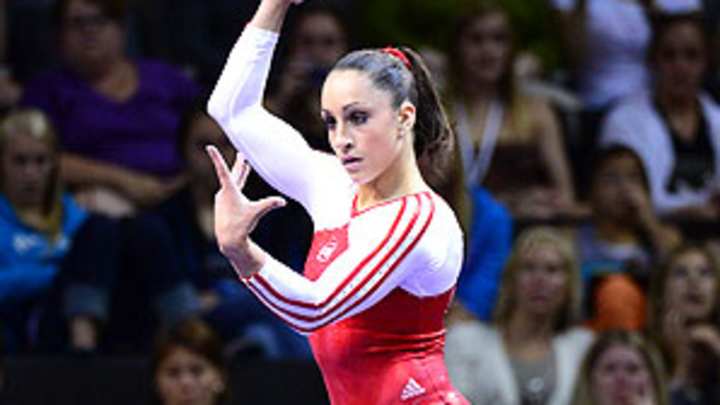
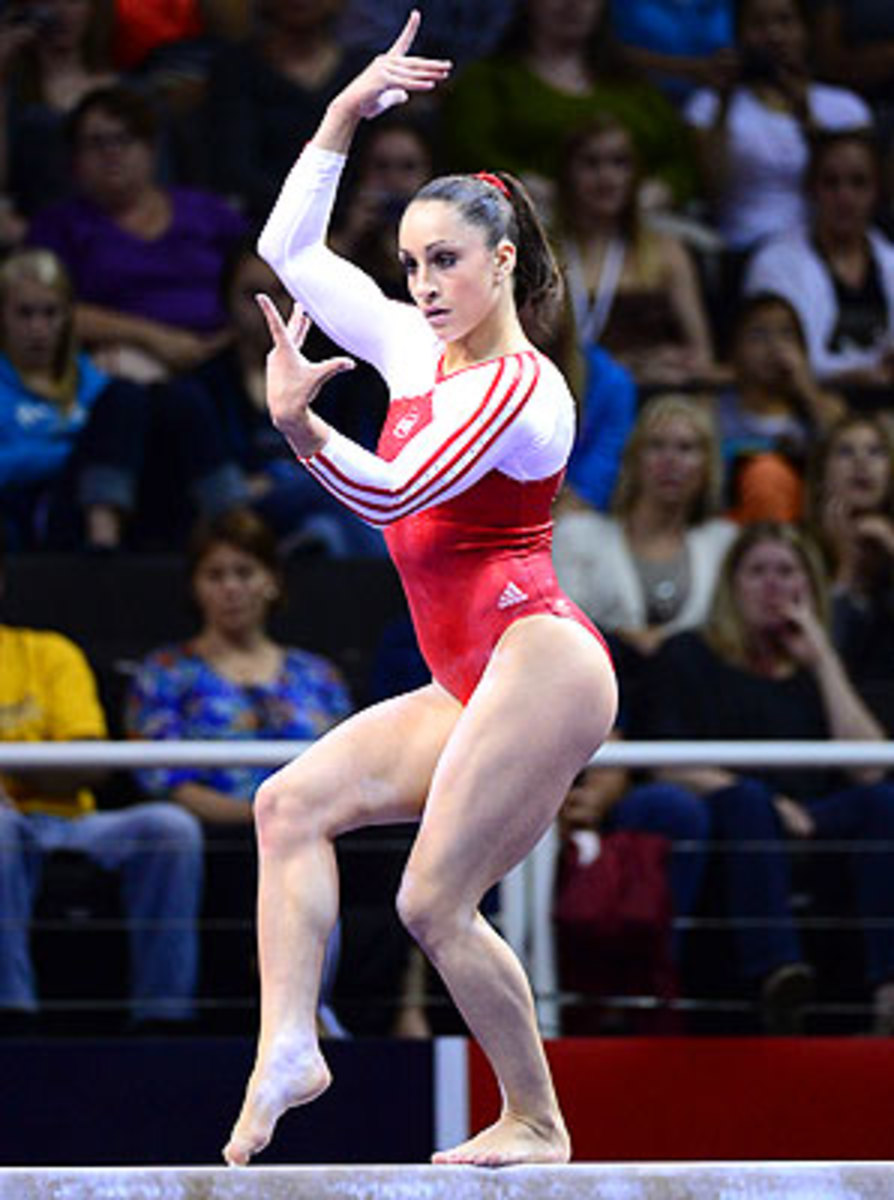
And best of all, vis a vis the United States, the Olympics are always scheduled in our election year, which gives us two weeks off from the eternal campaign. Just think, if it wasn't for the Olympics, now you'd be hearing all about Rob Portman or Tim Pawlenty. Instead, you'll be hearing about Jordyn Wieber.
Who?
Heh, heh. Now you know a gymnast.
Let the Opening Ceremony begin.
 Add us as a preferred source on Google
Frank Deford is among the most versatile of American writers. His work has appeared in virtually every medium, including print, where he has written eloquently for Sports Illustrated since 1962. Deford is currently the magazine's Senior Contributing Writer and contributes a weekly column to SI.com. Deford can be heard as a commentator each week on Morning Edition. On television he is a regular correspondent on the HBO show Real Sports With Bryant Gumbel. He is the author of 15 books, and his latest,The Enitled, a novel about celebrity, sex and baseball, was published in 2007 to exceptional reviews. He and Red Smith are the only writers with multiple features in The Best American Sports Writing of the Century. Editor David Halberstam selected Deford's 1981 Sports Illustrated profile on Bobby Knight (The Rabbit Hunter) and his 1985 SI profile of boxer Billy Conn (The Boxer and the Blonde) for that prestigious anthology. For Deford the comparison is meaningful. "Red Smith was the finest columnist, and I mean not just sports columnist," Deford told Powell's Books in 2007. "I've always said that Red is like Vermeer, with those tiny, priceless pieces. Five hundred words, perfectly chosen, crafted. Best literary columnist, in any newspaper, that I've ever seen." Deford was elected to the National Association of Sportscasters and Sportswriters Hall of Fame. Six times at Sports Illustrated Deford was voted by his peers as U.S. Sportswriter of The Year. The American Journalism Review has likewise cited him as the nation's finest sportswriter, and twice he was voted Magazine Writer of The Year by the Washington Journalism Review. Deford has also been presented with the National Magazine Award for profiles; a Christopher Award; and journalism honor awards from the University of Missouri and Northeastern University; and he has received many honorary degrees. The Sporting News has described Deford as "the most influential sports voice among members of the print media," and the magazine GQ has called him, simply, "The world's greatest sportswriter." In broadcast, Deford has won a Cable Ace award, an Emmy and a George Foster Peabody Award for his television work. In 2005 ESPN presented a television biography of Deford's life and work, You Write Better Than You Play. Deford has spoken at well over a hundred colleges, as well as at forums, conventions and on cruise ships around the world. He served as the editor-in-chief of The National Sports Daily in its brief but celebrated existence. Deford also wrote Sports Illustrated's first Point After column, in 1986. Two of Deford's books, the novel, Everybody's All-American, and Alex: The Life Of A Child, his memoir about his daughter who died of cystic fibrosis, have been made into movies. Two of his original screenplays have also been filmed. For 16 years Deford served as national chairman of the Cystic Fibrosis Foundation, and he remains chairman emeritus. He resides in Westport, CT, with his wife, Carol. They have two grown children – a son, Christian, and a daughter, Scarlet. A native of Baltimore, Deford is a graduate of Princeton University, where he has taught American Studies.