%20%20--%3E%0A%3Csvg%20version%3D%221.1%22%20id%3D%22Layer_1%22%20xmlns%3D%22http%3A%2F%2Fwww.w3.org%2F2000%2Fsvg%22%20xmlns%3Axlink%3D%22http%3A%2F%2Fwww.w3.org%2F1999%2Fxlink%22%20x%3D%220px%22%20y%3D%220px%22%0A%09%20width%3D%2239px%22%20height%3D%2240px%22%20viewBox%3D%220%200%2039%2040%22%20enable-background%3D%22new%200%200%2039%2040%22%20xml%3Aspace%3D%22preserve%22%3E%0A%3Cpath%20fill%3D%22%23FFFFFF%22%20d%3D%22M38.5%2C7H28.2v26h10.3V7z%22%2F%3E%0A%3Cpath%20fill-rule%3D%22evenodd%22%20clip-rule%3D%22evenodd%22%20fill%3D%22%23FFFFFF%22%20d%3D%22M26.1%2C25.5c0%2C5.8-4.1%2C7.5-12.9%2C7.5C3.9%2C33%2C0%2C31.2%2C0%2C25.2v-1.1h11.6%0A%09v2.4c0%2C0.7%2C0.1%2C1.4%2C1.2%2C1.4c1%2C0%2C1.2-0.4%2C1.2-1.3v-0.9c0-1.6-0.9-1.6-3.5-2.2C2.2%2C21.7%2C0%2C19.7%2C0%2C15.3v-0.9C0%2C9.3%2C5.5%2C7%2C12.9%2C7%0A%09c10.2%2C0%2C12.8%2C2.6%2C12.8%2C7.4v1.8h-11v-2.9c0-0.6-0.4-1.1-1.2-1.1c-0.6%2C0-1.2%2C0.4-1.2%2C1.1v0.9c0%2C1.5%2C0.9%2C2%2C3.3%2C2.5%0A%09c8%2C1.6%2C10.5%2C3.3%2C10.5%2C7.5V25.5z%22%2F%3E%0A%3C%2Fsvg%3E%0A)
Five Medium-Sized Cities We’d Like to See Join Dayton As Permanent NCAA Tournament Hosts
Dayton, Ohio, is a bustling city of 137,644—the home of the Wright Brothers, the Breeders, and, on the banks of the Great Miami River, the 13,409 seat UD Arena. It is in this arena where March begins.
Since 2001, with minimal interruption, Dayton has been the home of the opening round of the NCAA men’s basketball tournament. That opening round has taken on multiple formats—first a single play-in game, then a pair of doubleheaders, and now a gargantuan “first 12”—yet the birthplace of aviation has persevered as host.
With the NCAA men’s tournament’s expansion to 76 teams in 2027, however, Dayton will soon have company. The association announced its intent Thursday to hold a bidding process aimed at finding a non-Dayton co-host for the opening round.
Operating under the assumption that that site will land outside the Eastern Time Zone, here are five cities worth considering.
Albuquerque, N.M.
Population: 564,559
Hypothetical arena: The Pit (capacity: 15,411)
NCAA tournament history: Four early rounds, five regionals, and the 1983 Final Four (the one where NC State beat Houston).
The case: Dayton’s fellow host must bel, in some form or fashion, Dayton-like—a mid-sized metropolis with a strong sports and college basketball tradition that can be reached from a variety of different parts of the country. New Mexico routinely draws some of the nation’s largest non-power conference crowds, and Albuquerque’s airport is within striking distance of much of the nation’s southwest quadrant.

Boise, Idaho
Population: 235,684
Hypothetical arena: ExtraMile Arena (capacity: 12,644)
NCAA tournament history: Nine early rounds
The case: In a similar fashion to the Lobos, Boise State draws extremely well, bringing (you can’t make this number up) 9,999 fans per game to its building in a relative down year in 2026. Idaho’s capital, like Albuquerque, is accessible by air yet isolated enough that it’d be hard to create home-court advantage for a team based outside the state.
Omaha, Neb.
Population: 486,051
Hypothetical arena: CHI Health Center Omaha (capacity: 18,320)
NCAA tournament history: Five early rounds (scheduled to host a sixth in `27)
The case: Would the NCAA put a second site in the Midwest? It’s not likely in the near term with Omaha set to host an early round next season, but the largest city in Nebraska’s central location between Big 12 and Big Ten country could make it appetizing to future schedule-makers.

Spokane, Wash.
Population: 228,989
Hypothetical arena: Numerica Veterans Arena (capacity: 12,210)
NCAA tournament history: Six early rounds (scheduled to host a seventh in `27)
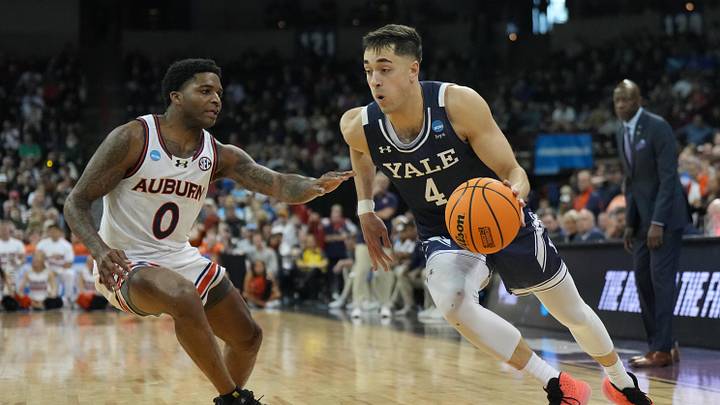
The case: Spokane, which only joined the register of NCAA tournament hosts in 2003, has soared in stature over the last quarter-century in tandem with the Gonzaga team that calls it home. While a hike for many teams (and a `27 early-round host), this site would give the NCAA a West Coast foothold while leaving California, Portland and Seattle for later rounds.
Wichita, Kan.
Population: 397,532
Hypothetical arena: Intrust Bank Arena (capacity: 15,004)
NCAA tournament history: Eight early rounds and three regionals
The case: Wichita State’s alternate home has been a solid NCAA tournament host twice since its 2010 opening (and would’ve hosted in 2021 but not for the COVID-19 pandemic), and it’s situated conveniently in the middle of the United States. On a lighter note, Wichita’s aircraft production history makes it a natural foil to the home of the Dayton Flyers.
More College Basketball from Sports Illustrated
 Add us as a preferred source on Google
Patrick Andres is a staff writer on the Breaking and Trending News team at Sports Illustrated. He joined SI in December 2022, having worked for The Blade, Athlon Sports, Fear the Sword and Diamond Digest. Andres has covered everything from zero-attendance Big Ten basketball to a seven-overtime college football game. He is a graduate of Northwestern University's Medill School of Journalism with a double major in history .
Follow PAndres2001