%20%20--%3E%0A%3Csvg%20version%3D%221.1%22%20id%3D%22Layer_1%22%20xmlns%3D%22http%3A%2F%2Fwww.w3.org%2F2000%2Fsvg%22%20xmlns%3Axlink%3D%22http%3A%2F%2Fwww.w3.org%2F1999%2Fxlink%22%20x%3D%220px%22%20y%3D%220px%22%0A%09%20width%3D%2239px%22%20height%3D%2240px%22%20viewBox%3D%220%200%2039%2040%22%20enable-background%3D%22new%200%200%2039%2040%22%20xml%3Aspace%3D%22preserve%22%3E%0A%3Cpath%20fill%3D%22%23FFFFFF%22%20d%3D%22M38.5%2C7H28.2v26h10.3V7z%22%2F%3E%0A%3Cpath%20fill-rule%3D%22evenodd%22%20clip-rule%3D%22evenodd%22%20fill%3D%22%23FFFFFF%22%20d%3D%22M26.1%2C25.5c0%2C5.8-4.1%2C7.5-12.9%2C7.5C3.9%2C33%2C0%2C31.2%2C0%2C25.2v-1.1h11.6%0A%09v2.4c0%2C0.7%2C0.1%2C1.4%2C1.2%2C1.4c1%2C0%2C1.2-0.4%2C1.2-1.3v-0.9c0-1.6-0.9-1.6-3.5-2.2C2.2%2C21.7%2C0%2C19.7%2C0%2C15.3v-0.9C0%2C9.3%2C5.5%2C7%2C12.9%2C7%0A%09c10.2%2C0%2C12.8%2C2.6%2C12.8%2C7.4v1.8h-11v-2.9c0-0.6-0.4-1.1-1.2-1.1c-0.6%2C0-1.2%2C0.4-1.2%2C1.1v0.9c0%2C1.5%2C0.9%2C2%2C3.3%2C2.5%0A%09c8%2C1.6%2C10.5%2C3.3%2C10.5%2C7.5V25.5z%22%2F%3E%0A%3C%2Fsvg%3E%0A)
Women’s March Madness Kicks Off With Historic WNBA CBA in the Backdrop
South Carolina senior Raven Johnson has spoken at length about what it meant for her to return for one last college season with the Gamecocks. By deciding not to enter the WNBA last year, she gave herself time to develop her game and boost her draft status, and, of course, “I’m focused on winning this March Madness tournament,” the point guard said on Friday.
But Johnson also gave herself something far more literal. Entering the WNBA will look very, very different for players this year than it did for players last year, or any year prior. The collective bargaining agreement reached this week between the WNBA and its Players’ Association should reshape the financial landscape of the league.
“Good thing you came back, Raven,” quipped Johnson’s coach, Dawn Staley. “Really. It’s lucrative.”
Staley was right. Had Johnson chosen to enter the draft last year, her rookie salary would have been somewhere in the neighborhood of $70,000, depending on where exactly she was selected. This year? The rookie minimum will be $270,000, and top picks will make as much as $500,000. (WNBA players on existing rookie contracts will have their salaries boosted to meet the new minimums.) And the agreement determines more than just player salary. Teams will be required to meet new standards for their facilities—the days of practicing at local community rec centers may be over. Teams will also have to increase their staffing for positions such as trainers, strength coaches, physical therapists and nutritionists.
In short, the playing experience will be professionalized across the league. A major talking point for years had been that leaving Division I basketball for the WNBA meant adapting to fewer amenities and worse facilities. That had already begun to change for select teams and ownership groups. Now, many of those upgrades are codified in the new agreement, and they will soon have a chance to become standard.
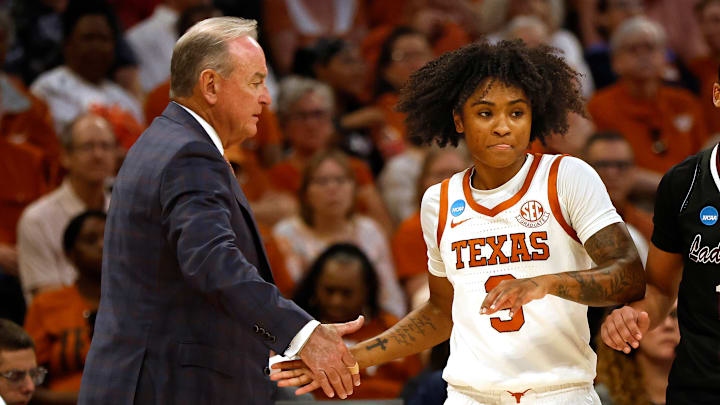
“Super grateful,” Texas guard and WNBA draft prospect Rori Harmon said on Thursday. “I’m really glad that those players and everyone that was involved fought for what they wanted, and just made it easier for not only them, but for us players who do want to play in the league.”
The changes are especially striking for a coach like Staley. When she graduated from Virginia in 1992, there were no women’s professional leagues in the U.S., and she had to head overseas to build a basketball career. Staley eventually returned to play in the American Basketball League. When that folded, she hopped to the WNBA, but the league never provided her only paycheck. For six years, Staley held two jobs at once, playing in the WNBA for the Charlotte Sting and the Houston Comets and coaching in the NCAA by running the program at Temple. She could not afford to simply play. Her players now will never have to face those choices.
“All the officers in the Players’ Association have really just beared down and fought for their worth, and the worth of their current players, as well as the future,” Staley said during her press conference Friday. “There’s not oftentimes that you get what you want. And I don’t know if they got everything they want, but there were principal things that they wanted that are a lot more favorable to the players. And the fact that the WNBA negotiated such a historical deal means that they understand it too. They understand they have to be on this side of history to move our game forward.”
The enormity of the change is hard to fully explain to their players. But coaches are grateful for the challenge.
“I don’t think my players understand how monumental that is,” said Ole Miss coach Yolett McPhee-McCuin. “To see the women in the WNBA fight for their value and their worth and get it… It’s going to go down in history, and my children will talk about it later and benefit from it.”
More March Madness from Sports Illustrated
 Add us as a preferred source on Google
Emma Baccellieri was a staff writer focused on women’s basketball for Sports Illustrated. She previously covered MLB. She has also written for Baseball Prospectus and has been honored with multiple awards from the Society of American Baseball Research. A graduate of Duke University, she lives in Washington, D.C.
Follow emmabaccellieri