%20%20--%3E%0A%3Csvg%20version%3D%221.1%22%20id%3D%22Layer_1%22%20xmlns%3D%22http%3A%2F%2Fwww.w3.org%2F2000%2Fsvg%22%20xmlns%3Axlink%3D%22http%3A%2F%2Fwww.w3.org%2F1999%2Fxlink%22%20x%3D%220px%22%20y%3D%220px%22%0A%09%20width%3D%2239px%22%20height%3D%2240px%22%20viewBox%3D%220%200%2039%2040%22%20enable-background%3D%22new%200%200%2039%2040%22%20xml%3Aspace%3D%22preserve%22%3E%0A%3Cpath%20fill%3D%22%23FFFFFF%22%20d%3D%22M38.5%2C7H28.2v26h10.3V7z%22%2F%3E%0A%3Cpath%20fill-rule%3D%22evenodd%22%20clip-rule%3D%22evenodd%22%20fill%3D%22%23FFFFFF%22%20d%3D%22M26.1%2C25.5c0%2C5.8-4.1%2C7.5-12.9%2C7.5C3.9%2C33%2C0%2C31.2%2C0%2C25.2v-1.1h11.6%0A%09v2.4c0%2C0.7%2C0.1%2C1.4%2C1.2%2C1.4c1%2C0%2C1.2-0.4%2C1.2-1.3v-0.9c0-1.6-0.9-1.6-3.5-2.2C2.2%2C21.7%2C0%2C19.7%2C0%2C15.3v-0.9C0%2C9.3%2C5.5%2C7%2C12.9%2C7%0A%09c10.2%2C0%2C12.8%2C2.6%2C12.8%2C7.4v1.8h-11v-2.9c0-0.6-0.4-1.1-1.2-1.1c-0.6%2C0-1.2%2C0.4-1.2%2C1.1v0.9c0%2C1.5%2C0.9%2C2%2C3.3%2C2.5%0A%09c8%2C1.6%2C10.5%2C3.3%2C10.5%2C7.5V25.5z%22%2F%3E%0A%3C%2Fsvg%3E%0A)
5 swing aids that could give you an edge
One in a weekly series of stories about golf gear to run each Wednesday.
We all want to play better golf, but most of us don’t want to do what it takes to accomplish that goal. Such as, you know, practice. Or get instruction.
We prefer shortcuts. Buying a better game is one attractive method. Another is instruction aids. There are a million of those out there. Here are a handful that I think are interesting:
Aim to please. The Bullet Alignment system is so simple that it makes me wonder why nobody thought of it before. Well, they have.
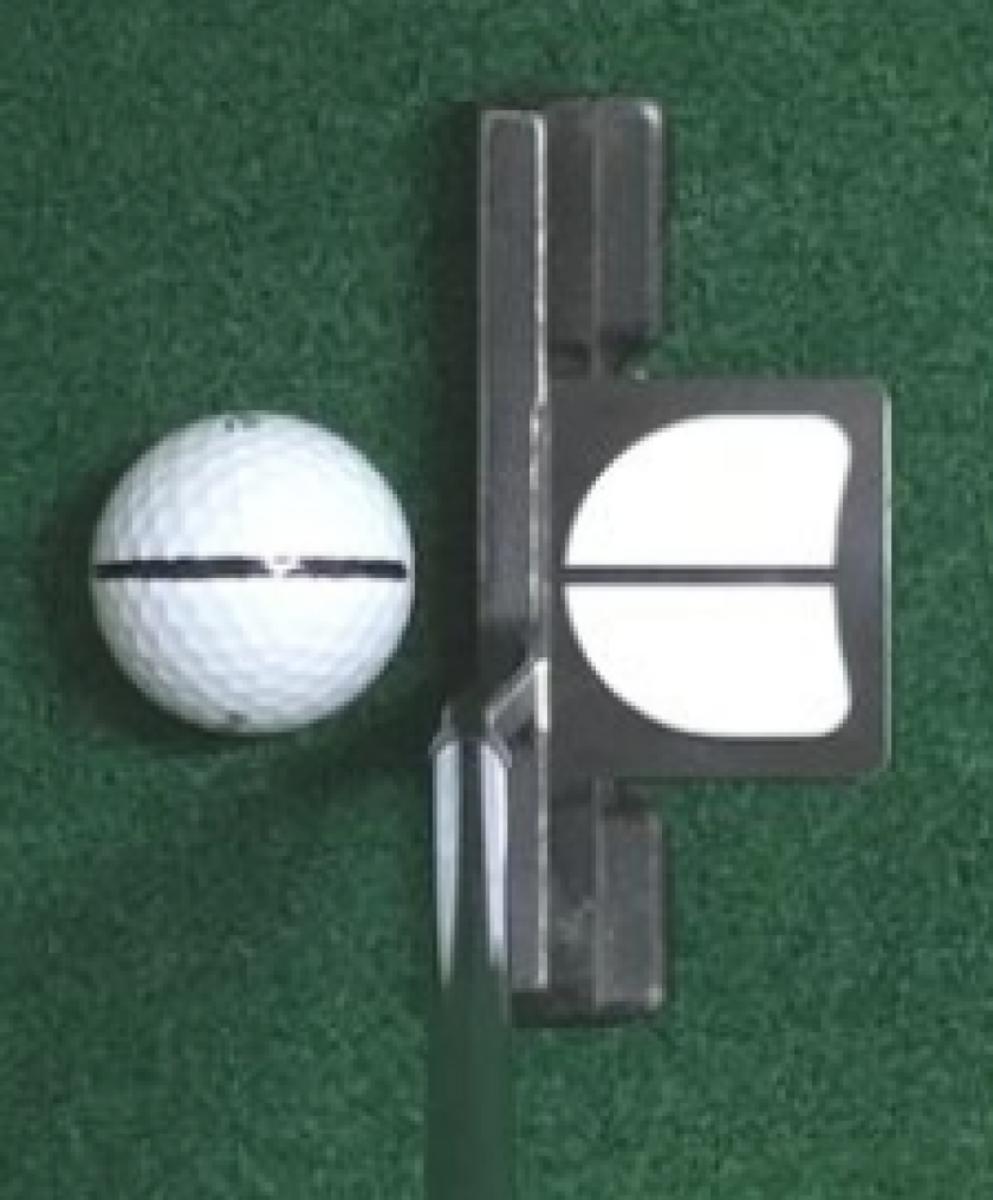
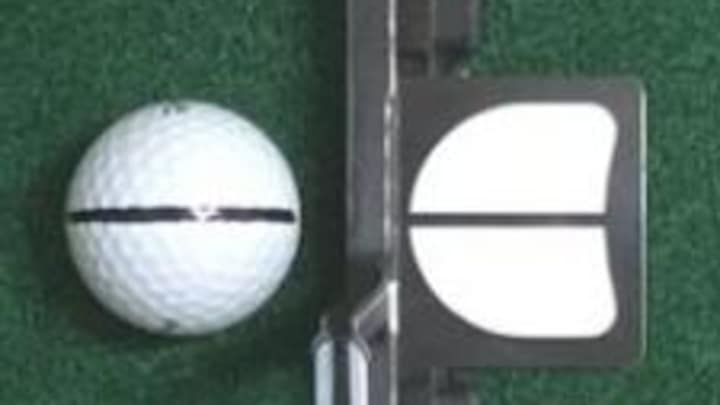
Plenty of putters have alignment lines on them to help golfers. But why not a portable one, something that you can stick on any putter, even if only during a warmup session?
Bullet Alignment is a piece of black plastic with a curved white symbol on it – curved like the end of a bullet. A black line runs through the middle of the white bullet. The idea is to attach it with the included adhesive to the top of the putter and align it to the putter face’s sweet spot.
Designer Clay Judice is a kind of putting-alignment specialist. He invented the Shaftlign putter, which I like because its white shaft, when aligned with the putter’s white top line, means the putter face is aligned square to the target. The Bullet Alignment is just a way to reinforce that idea.
“I was working on a new model and thought, What if I used a one-ball or two-ball alignment?” Judice said. “But I didn’t have room for that. I was looking for a backdrop, and once I played with some designs, the bullet shape blended so well. The orientation of the bullet is the secret. If you run the bullet through the ball, the face should be square.”
You can attach this to any putter. The best part? It’s only $8.95, shipping included, from www.BulletAlignment.com.
Sudden impact. Here’s another simple-but-handy invention: the Impact Improver.
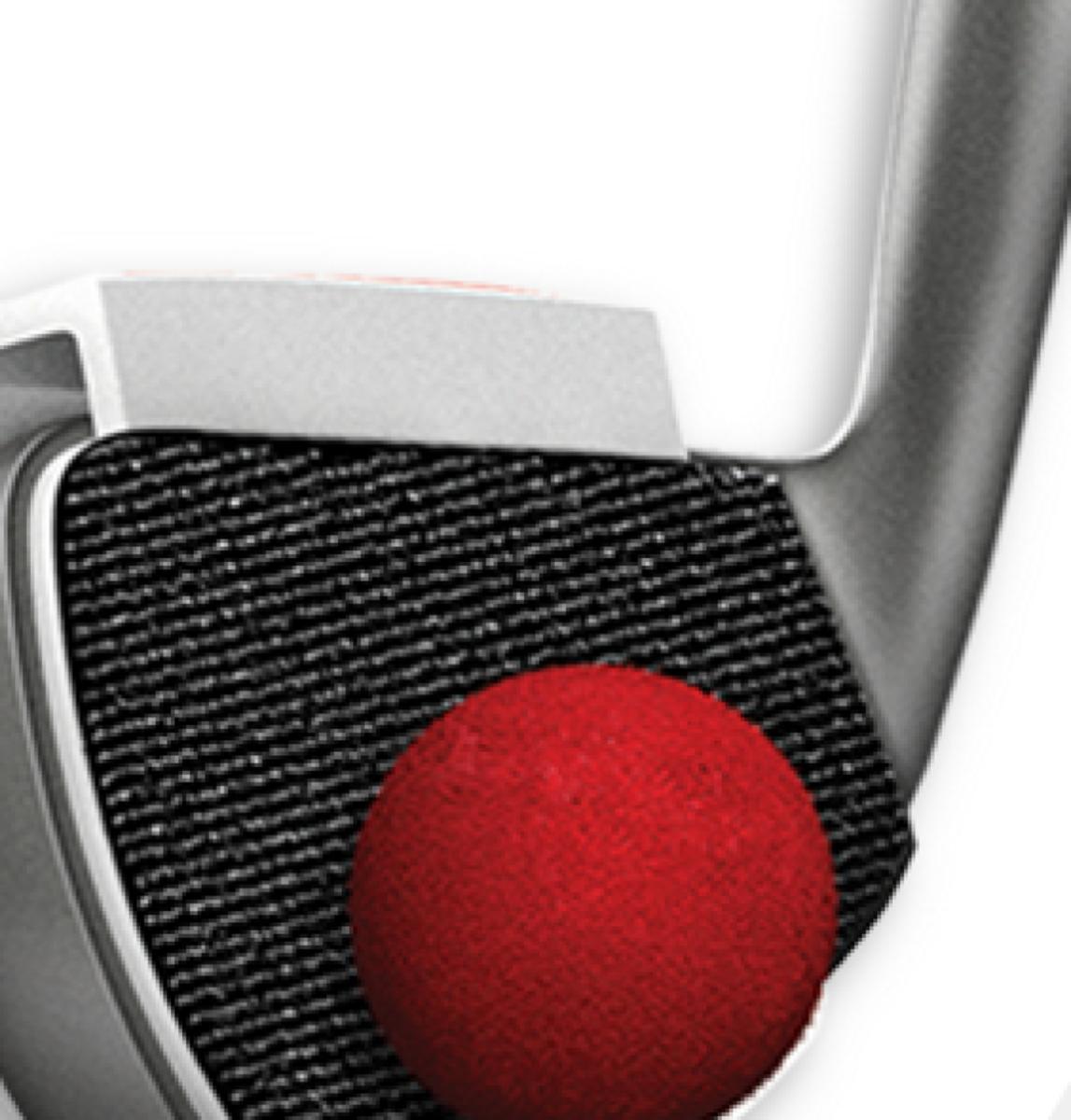
Instructor Tiffany Faucette came up with this ingenious idea while practicing in her basement. The Impact Improver is basically a Velcro cover, called a strike shield, that slips over the face of an iron. The user then takes a swing at a foam ball that sticks to the clubface, allowing the player to see where on the clubface contact was made: the sweet spot, the heel, toward the toe. The ball sticks to the face (as long as you don’t whiff).
Besides the instruction angle, the best benefit of Impact Improver may be that it’s an instant practice range in a tiny carry case. Or as Faucette says at www.ImpactImprover.com, “Sometimes, life gets in the way of our golf. Now if you can’t get to the course, you can work on your swing at home.”
Basement, hotel room, office (no, wait – golfers would never slack off work to get in a few practice swings!), they’re all fair game as practice ranges, as long as the ceiling is high enough. The Impact Improver is $39.95. A carpet or a mat is recommended. Hardwood floors? Not so much.

Orange is the new orange. The Orange Whip Trainer is already an established and popular swing trainer. Its whippy, flexible shaft has helped golfers learn tempo and balance.
The Orange Whip Wedge ($119, www.orangewhipgolf.com) is the same idea, although with a wedge head at the edge of the shaft instead of an orange ball. Jim Hackenberg invented the original Orange Whip Trainer and was encouraged by short-game guru Stan Utley, a former PGA Tour player, to apply the concept to the short game by adding an oversized, heavier wedge head to a flexible, whippy shaft.
“Most people who are struggling with chipping, they throw their arms at the ball,” Utley said. “With the Orange Whip Wedge, I can get people to find the rhythm and feel the club load and unload. One end of the club stays home; the other end swings free. When they change back to their regular wedges, they can swing the head better and hit pitches with confidence again.”
Speed zone. One way to hit the ball farther – pretty much the dream of every golfer – is to swing faster. Faster, not harder.
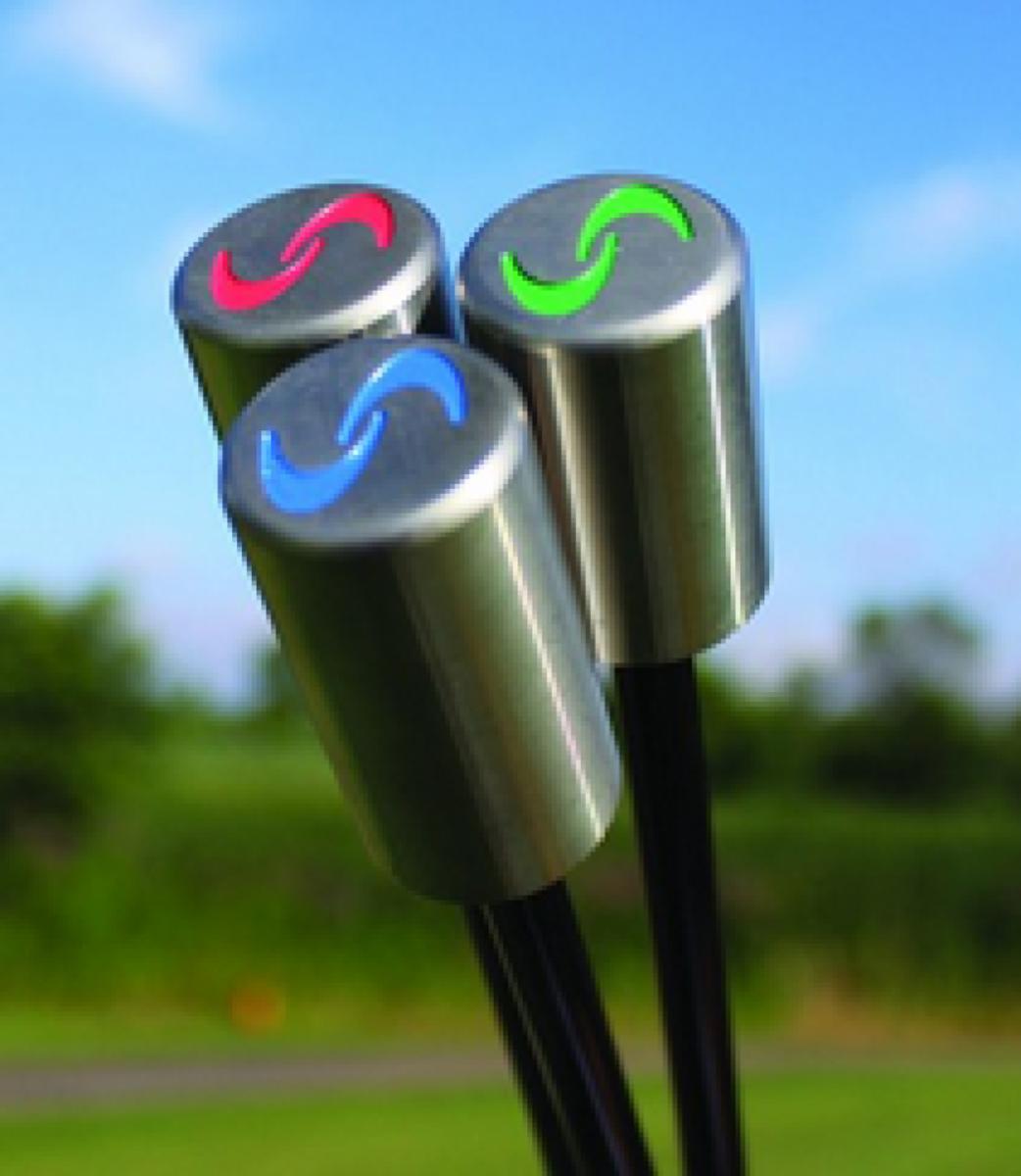
SuperSpeed Golf has the gear that may help you do it.
SuperSpeed Golf is based on a simple concept. It uses three shafts with different weights: light, medium and heavy (20 percent lighter, 10 percent lighter and 5 percent heavier than standard). A golfer swings the three different clubs in three sets of five swings. For the average hacker, that should help him become more flexible, limber and generate more clubhead speed over time.
The method is called overload/underload training, an idea from former baseball pitching coach Tom House, who used lighter and heavier baseballs to help pitchers improve velocity. Of course, to get the swing-improvement benefit, a golfer has to use the SuperSpeed clubs on a regular basis. It’s not a swing-these-once-and-you’re-better deal. Persistence pays. The main reason most training aids don’t work is because golfers don’t stick with them.
Do the three-set, five-swing workout just once and trust me: your regular driver immediately will feel curiously lighter in your hands. The shafts are $199 at www.SuperSpeedGolf.com.
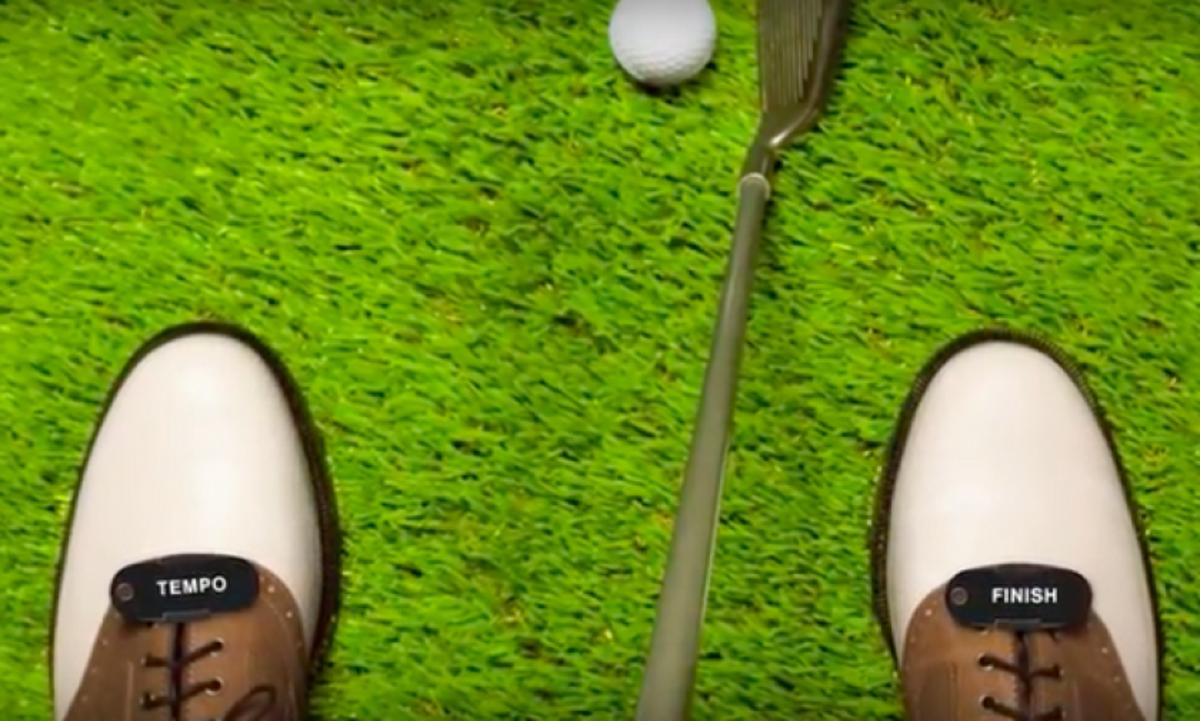
The sole of golf. Does your brain get in the way? Maybe you got so caught up in playing that you forgot to use the swing thought that worked well the day before?
ShoeTips could be an option. They are an assortment of 18 golf tips printed on tags that can be attached to a golfer’s shoelaces or hung on a golf bag. When placed on the shoes, ShoeTips are a visual reminder when a golfer prepares to play a shot, looks down and sees the tip in the laces.
ShoeTips come in 18 assorted tips broken down into three categories: Focus (including “back and thru”; “stay down”; “visualize”); Feel (including “tempo”; “posture”; “soft hands”); and Technique (including “ball position”; “turn”; “swing plane”).
At $19.99 from www.ShoeTipsGolf.com, the obvious tip is, “check it out.”
Gary Van Sickle has covered golf since 1980 for Sports Illustrated and Golf.com, Golf World and The Milwaukee Journal. Email: gvansick@aol.com; Twitter: @GaryVanSickle
 Add us as a preferred source on Google
Van Sickle has covered golf since 1980, following the tours to 125 men’s major championships, 14 Ryder Cups and one sweet roundtrip flight on the late Concorde. He is likely the only active golf writer who covered Tiger Woods during his first pro victory, in Las Vegas in 1996, and his 81st, in Augusta. Van Sickle’s work appeared, in order, in The Milwaukee Journal, Golf World magazine, Sports Illustrated (20 years) and Golf.com. He is a former president of the Golf Writers Association of America. His knees are shot, but he used to be a half-decent player. He competed in two national championships (U.S. Senior Amateur, most recently in 2014); made it to U.S. Open sectional qualifying once and narrowly missed the Open by a scant 17 shots (mostly due to poor officiating); won 10 club championships; and made seven holes-in-one (though none lately). Van Sickle’s golf equipment stories usually are based on personal field-testing, not press-release rewrites. His nickname is Van Cynical. Yeah, he earned it.
Follow GaryVanSickle