%20%20--%3E%0A%3Csvg%20version%3D%221.1%22%20id%3D%22Layer_1%22%20xmlns%3D%22http%3A%2F%2Fwww.w3.org%2F2000%2Fsvg%22%20xmlns%3Axlink%3D%22http%3A%2F%2Fwww.w3.org%2F1999%2Fxlink%22%20x%3D%220px%22%20y%3D%220px%22%0A%09%20width%3D%2239px%22%20height%3D%2240px%22%20viewBox%3D%220%200%2039%2040%22%20enable-background%3D%22new%200%200%2039%2040%22%20xml%3Aspace%3D%22preserve%22%3E%0A%3Cpath%20fill%3D%22%23FFFFFF%22%20d%3D%22M38.5%2C7H28.2v26h10.3V7z%22%2F%3E%0A%3Cpath%20fill-rule%3D%22evenodd%22%20clip-rule%3D%22evenodd%22%20fill%3D%22%23FFFFFF%22%20d%3D%22M26.1%2C25.5c0%2C5.8-4.1%2C7.5-12.9%2C7.5C3.9%2C33%2C0%2C31.2%2C0%2C25.2v-1.1h11.6%0A%09v2.4c0%2C0.7%2C0.1%2C1.4%2C1.2%2C1.4c1%2C0%2C1.2-0.4%2C1.2-1.3v-0.9c0-1.6-0.9-1.6-3.5-2.2C2.2%2C21.7%2C0%2C19.7%2C0%2C15.3v-0.9C0%2C9.3%2C5.5%2C7%2C12.9%2C7%0A%09c10.2%2C0%2C12.8%2C2.6%2C12.8%2C7.4v1.8h-11v-2.9c0-0.6-0.4-1.1-1.2-1.1c-0.6%2C0-1.2%2C0.4-1.2%2C1.1v0.9c0%2C1.5%2C0.9%2C2%2C3.3%2C2.5%0A%09c8%2C1.6%2C10.5%2C3.3%2C10.5%2C7.5V25.5z%22%2F%3E%0A%3C%2Fsvg%3E%0A)
LIV Golf Has Forced Everyone in the Game to Reimagine What Pro Golf Should Be
LIV Golf and the Public Investment Fund of Saudi Arabia have been slowly making inroads in professional golf.
The latest was the seismic signing of Masters champion Jon Rahm.
If you listened to many in the professional game in late 2021 and early ’22, LIV was a joke destined to get zero traction when it started.
As players left to join the nascent tour, many in the game just laughed.
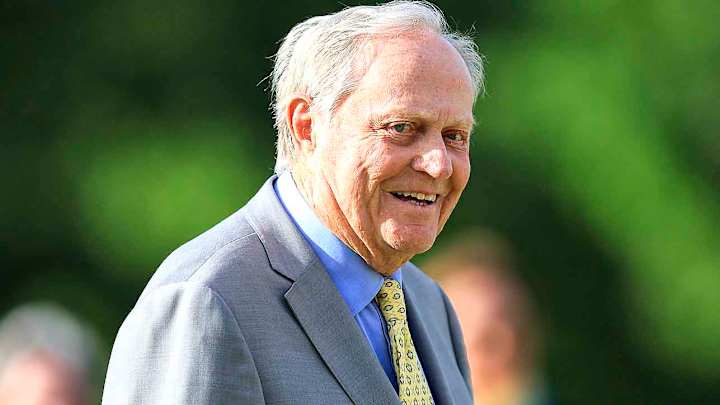
This week, both Jack Nicklaus and Rory McIlroy pivoted their earlier views that LIV was dead on arrival. They each said they now view LIV Golf as a tour that’s at the end of its beginning, now with the legs to sustain itself.
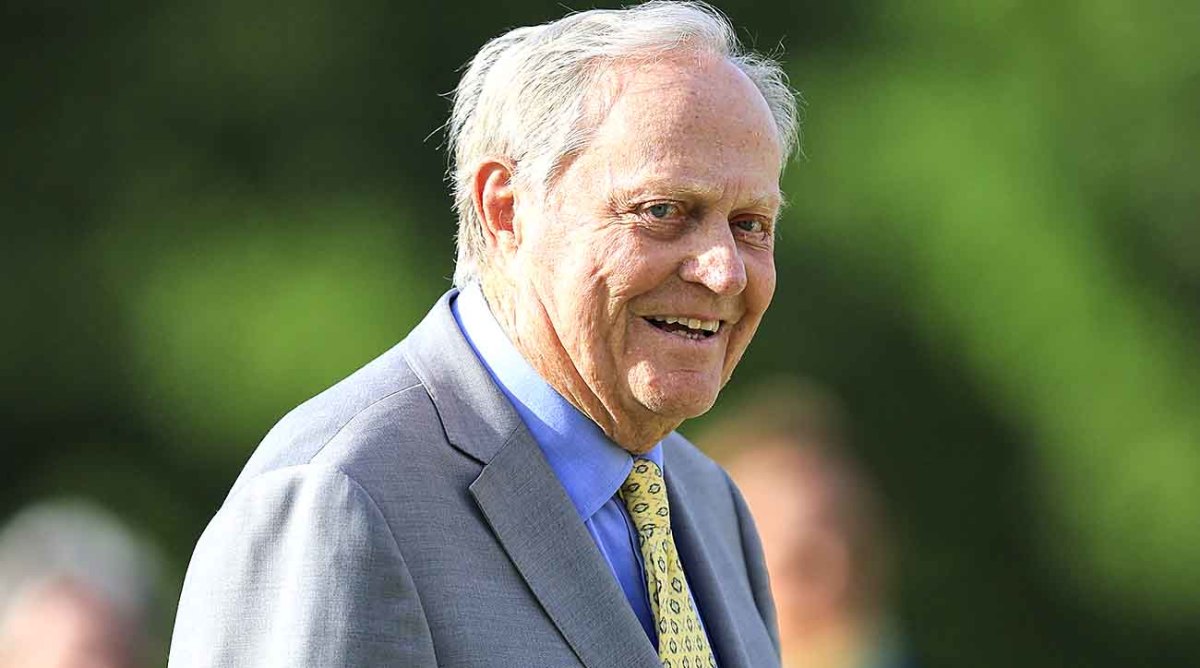
Essentially, they agree that LIV has endured while working to become a viable entertainment vehicle to continue its growth.
Nicklaus for his part has never been overly critical of LIV, stating he just wants what’s best for golf.
While sincere about his desire for golf to be at its best, it was always clear that Nicklaus supported the PGA Tour, the organization he helped start in the 1960s.
But Nicklaus, in a Golf Channel interview Thursday, gave LIV its due.
“The LIV thing has been a powerful addition to the game, probably impacted a lot more than we thought it was going to, but it has, and it probably will continue to do so.”
While understating what LIV has done, not only to golf, but how it forced the PGA Tour to change how it does business, Nicklaus recognizes what has become very clear to many: LIV is here to stay. The plan should be to embrace it and not fight it.
While PGA Tour commissioner Jay Monahan may have believed he could sweep LIV Golf under the rug when he announced the framework agreement with the PIF on June 6, it’s clear that no such rug is large enough. Both LIV and the PIF are in a better negotiating position now than they were on June 6.
Moves like Rahm’s have forced many to question not the future of LIV, but also the PGA Tour. McIlroy is one of them.
“I think what LIV has done, it’s exposed the flaws in the system of what golf has, because we’re all supposed to be independent contractors and we can pick and choose what tournaments we want to play,” McIlroy said on the Stick to Football podcast on Jan. 3. “But I think what LIV and the Saudis have exposed is that you’re asking for millions of dollars to sponsor these events, and you’re not able to guarantee to the sponsors that the players are going to show up. I can’t believe the PGA Tour has done so well for so long.”
In Dubai this week, McIlroy seemingly supported the global focus that LIV has espoused since its first 2022 tournament in London. LIV has since visited Asia, Australia, Europe and North America.
“I think everyone needs to start thinking more globally around it but globally in a holistic way but not really like this tour, that tour and another tour,” McIlroy said about expanding the game. “Like, O.K., what is the best—what is the best structure for elite professional golf, the top 70 to 100 guys in the world and what would that look like, especially if the game is going to look different going forward and everything is on the table. I just think it’s worth having that conversation.”
It’s fair to say that McIlroy was not as diplomatic as Nicklaus when asked about LIV and the Saudis in the past, but the last two years have changed the Ulsterman’s mind. As more players and stakeholders begin to view the money that the PIF and others can bring to professional golf as a positive thing, then the war is close to over.
We are still not there yet, but we are clearly at the beginning of the end.
We continue to wait for a formal agreement between the PGA Tour and the PIF. The PGA Tour is still sorting out whose money it will take. LIV is still building infrastructure and looking for commercial success.
Money is the key and even Nicklaus, who does not begrudge anyone from making a buck, is concerned with where that dollar is coming from.
“I’m not sure that I like it … where does it stop?” Nicklaus said about the growing purses. “The sponsors can only put up so much money, the towns can only support so much.”
Where and how much money are required will be a bigger discussion point as longtime sponsors (now former sponsors) like Honda, Farmers Insurance and Wells Fargo continue to see less value in sponsoring golf tournaments.
Making golf a better commercial proposition is a primary need for professional golf worldwide.
An answer may be found with an agreement between the PGA Tour, the PIF and other outside financial supporters. At least, that is the hope.
So once an agreement is consummated, then the work will begin toward remaking professional golf.
Nicklaus was right: Very few people saw the potential impact of LIV. But it’s clear that LIV forced everyone in the game to reimagine what professional golf could and should be.
 Add us as a preferred source on Google
Alex Miceli, a journalist and radio/TV personality who has been involved in golf for 26 years, was the founder of Morning Read and eventually sold it to Buffalo Groupe. He continues to contribute writing, podcasts and videos to SI.com. In 1993, Miceli founded Golf.com, which he sold in 1999 to Quokka Sports. One year later, he founded Golf Press Association, an independent golf news service that provides golf content to news agencies, newspapers, magazines and websites. He served as the GPA’s publisher and chief executive officer. Since launching GPA, Miceli has written for numerous newspapers, magazines and websites. He started GolfWire in 2000, selling it nine years later to Turnstile Publishing Co.