%20%20--%3E%0A%3Csvg%20version%3D%221.1%22%20id%3D%22Layer_1%22%20xmlns%3D%22http%3A%2F%2Fwww.w3.org%2F2000%2Fsvg%22%20xmlns%3Axlink%3D%22http%3A%2F%2Fwww.w3.org%2F1999%2Fxlink%22%20x%3D%220px%22%20y%3D%220px%22%0A%09%20width%3D%2239px%22%20height%3D%2240px%22%20viewBox%3D%220%200%2039%2040%22%20enable-background%3D%22new%200%200%2039%2040%22%20xml%3Aspace%3D%22preserve%22%3E%0A%3Cpath%20fill%3D%22%23FFFFFF%22%20d%3D%22M38.5%2C7H28.2v26h10.3V7z%22%2F%3E%0A%3Cpath%20fill-rule%3D%22evenodd%22%20clip-rule%3D%22evenodd%22%20fill%3D%22%23FFFFFF%22%20d%3D%22M26.1%2C25.5c0%2C5.8-4.1%2C7.5-12.9%2C7.5C3.9%2C33%2C0%2C31.2%2C0%2C25.2v-1.1h11.6%0A%09v2.4c0%2C0.7%2C0.1%2C1.4%2C1.2%2C1.4c1%2C0%2C1.2-0.4%2C1.2-1.3v-0.9c0-1.6-0.9-1.6-3.5-2.2C2.2%2C21.7%2C0%2C19.7%2C0%2C15.3v-0.9C0%2C9.3%2C5.5%2C7%2C12.9%2C7%0A%09c10.2%2C0%2C12.8%2C2.6%2C12.8%2C7.4v1.8h-11v-2.9c0-0.6-0.4-1.1-1.2-1.1c-0.6%2C0-1.2%2C0.4-1.2%2C1.1v0.9c0%2C1.5%2C0.9%2C2%2C3.3%2C2.5%0A%09c8%2C1.6%2C10.5%2C3.3%2C10.5%2C7.5V25.5z%22%2F%3E%0A%3C%2Fsvg%3E%0A)
Time Passing Quickly For Nine Players, Making 2022 a Big Year
Six weeks into 2022, the only player who began the year among the top 10 in the Official World Golf Ranking to win a tournament is Viktor Hovland, who is currently No. 4. Guys who once appeared bulletproof to final-round pressure (Brooks Koepka, Rory McIlroy) now shoot themselves out of the hunt by making bogeys from the few fairways they do hit. Jordan Spieth, who returned none the worse for wear last February after battling swing woes for 3½ years, still hasn’t quite made it over the hump.
Bryson DeChambeau, who has slipped to No. 12 in the world, is injured. Patrick Cantlay is a bit too reliant on his putter and Xander Schauffele is stuck in a leaky boat far too often on Sunday afternoons. In no uncertain terms, winning tournaments at the game’s highest level is a mighty task. It does pay rather well, however, which might be part of the problem. Especially in an age when 30 seems to be getting older by the minute.
Hovland is 24. Morikawa turned 25 last week. Rahm, who plays every hole as if his next birthday depends on it, is a good bet to remain atop the OWGR when his 28th rolls around in November. Eight of the top 10 in the current ranking are still in their 20s. McIlroy, for crying out loud, is the second-oldest man on that list, ample evidence that the game’s competitive landscape is a constant work in progress.
This amounts to duress for those whose games are in regress, more or less. Each passing year helps define a career, and with that in mind, the following nine players have been rated (1-to-10 scale) as to how important 2022 will prove in shaping their legacy. The season may be young, but time waits for nobody.
Patrick Reed
Pro golf’s human lightning rod hasn’t been attracting much electricity lately. Reed’s most recent top-10 finish came at the opposite-field event in Bermuda last October. He has fallen from ninth to 26th in the OWGR in seven months, and though he rarely misses a cut, this is the same guy who referred to himself as one of the five best players on earth way back when he was just another unproven hotshot. If you’re going to talk the talk, you need to do more than squawk the squawk.
Bigness factor: 7.
Tommy Fleetwood
Speaking of chatter, all that fuss over the likeable Brit in 2018 turned into nothing more than a loud false start. Fleetwood remains winless in America (90 starts). Like Reed, he almost always makes it to the weekend, but from there, he has left us with a large pile of T-17s. It seems like Fleetwood has been off the radar since knocking his second shot into the water on the par-5 18th at the 2020 Honda Classic, costing him the victory. At 43rd in the OWGR, he’s a nice player, but this nice guy needs to become a much stronger finisher to join the game’s top tier.
Bigness factor: 8.
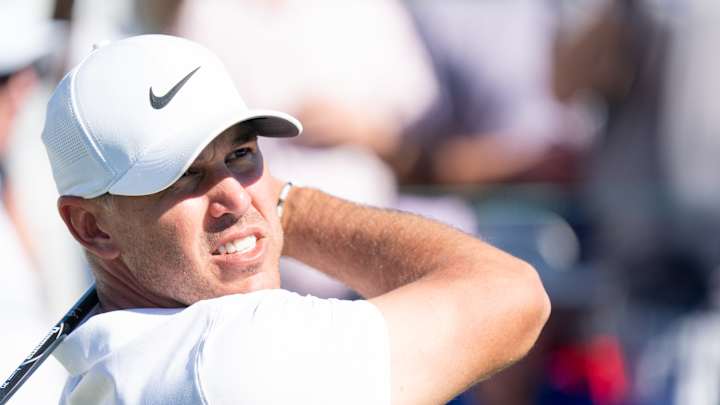
Brooks Koepka
By the looks of things, that dye job from dark brown to bright blond hasn’t eradicated Koepka from the string of hairy predicaments he’s encountered over the last two years. Although it elevated him from 20th to 15th in the OWGR, the T-3 last weekend in Phoenix wasn’t exactly cause to rejoice. Koepka played sloppy golf on Sunday to squander an excellent chance to win there for a third time. The big fella’s major-championship binge (four titles in 23 months) was a huge surprise, but he possessed the competitive gravitas, steely nerves and steady putter that suggested more would be coming. Injuries have played a significant role in Koepka’s decline, and he’s still just 31, but it’s also fair to wonder if he’s willing to make the pursuit of greatness a full-time job.
Bigness factor: 7.5.
Will Zalatoris
The gathering at Torrey Pines two weeks ago was his tournament to lose, which he did, but there will be plenty of other opportunities. Like many fabulous ballstrikers, Zalatoris’ putting prevents him from maximizing that strength, which is why he’s still looking for his first PGA Tour victory after numerous forays into contention. Barring a complete makeover with the flatstick, it’s hard to envision the Thin Man becoming a prolific winner, but it’s not difficult at all to see him claiming a U.S. Open or two.
Bigness factor: 4.
Rory McIlroy
He answers to a higher level of expectations than anyone in the game, which hardly explains his latest final-round fumble last month in Dubai. Does McIlroy try too hard? Not hard enough? No superstar does more soul-searching on the quest to recapture the form that made him a four-time major champ at age 25, but that was long ago. There have been positive signs in recent months — the Northern Irishman won twice in 2021 and has piled up eight top-10s since last January — but until he finally chases down a fifth Big One, McIlroy will remain a prisoner of his own flawed brilliance.
Bigness factor: 6.5.
Matthew Wolff
A career that began with such promise was derailed by Wolff’s mental-health issues last season. Eliminating the inner demons obviously is top priority, but it also imparts additional stress on the task of turning potential into success. All that said, Wolff has hung tough. He’s currently 34th in the OWGR. A solo second in Las Vegas last fall was his best showing since the runner-up at the U.S. Open in September 2020. That funky swing has its doubters, but Wolff has more than enough talent to enjoy a long and successful stay in the big leagues.
Bigness factor: 3.
Jordan Spieth
The third multiple-major winner spotlighted here, the astonishing parallel being that Koepka, McIlroy and Spieth all claimed significant history so early in their careers. Spieth’s post-immortality issues have been the most severe, however, which makes his year-long recovery a glass-half-full scenario. Despite driving the ball 25 yards longer than during his younger days, the Golden Boy still hits it crooked far too often, leaving him to play a harder golf course than the rest of the field. His short game remains impeccable, his putting erratic, but at 14th in the OWGR, the late lapse two weeks ago at Pebble Beach and the short misses that killed his chances at last summer’s British Open seem more like steppingstones than detours.
Bigness factor: 5.
Kevin Na
Perhaps an unlikely entry here, although Na has quietly gone about the business of making himself an excellent tour pro. Whether it’s the outdated criticism of his pace of play or the alarming lack of distance he produces off the tee, Na has climbed to 28th in the OWGR by choosing ballparks that suit his game and making a lot of putts. His unofficial victory at last September’s Tour Championship — he shot the lowest score but didn't win the tournament — followed up a pair of T-2s earlier in the summer and a triumph in Honolulu, capping a banner season befitting of perhaps the most underrated player in the game. There’s not an ounce of pressure on Na in 2022. He has already squeezed more juice out his career than anyone could have imagined.
Bigness factor: 0.
Patrick Cantlay
The Tour’s reigning Player of the Year clearly has found his comfort zone, although a continuation of that success depends almost solely on his putting, which was remarkable throughout the final two months of 2021. The roll to the hole, of course, is the most important thing done any golfer does, but it’s also the hardest skill to sustain. Can Cantlay extend his stretch of excellence on the greens to the point where he becomes a mainstay in the OWGR top five? We’ve already seen a bit of slippage in recent weeks, as Cantlay failed to convert meaningful putts down the stretch at Pebble Beach, then again in losing a playoff to Scottie Scheffler. He’s tough as a bulldog and without any real weaknesses, ranked No. 3 in the world and looking like a guy who will win a lot of tournaments. For now, anyway.
Bigness factor: 6.
 Add us as a preferred source on Google
A worldview optimist trapped inside a curmudgeon’s cocoon, John Hawkins began his journalism career with the Baltimore News American in 1983. The Washington Times hired him as a general assignment/features writer four years later, and by 1992, Hawkins was writing columns and covering the biggest sporting events on earth for the newspaper. Nirvana? Not quite. Repulsed by the idea of covering spoiled, virulent jocks for a living, Hawkins landed with Golf World magazine, where he spent 14 years covering the PGA Tour. In 2007, the Hawk began a seven-year relationship with Golf Channel, where he co-starred on the “Grey Goose 19th Hole” and became a regular contributor to the network's website. Hawkins also has worked for ESPN, Sports Illustrated, Golf Digest and Golf.com at various stages of his career. He and his family reside in southern Connecticut.