%20%20--%3E%0A%3Csvg%20version%3D%221.1%22%20id%3D%22Layer_1%22%20xmlns%3D%22http%3A%2F%2Fwww.w3.org%2F2000%2Fsvg%22%20xmlns%3Axlink%3D%22http%3A%2F%2Fwww.w3.org%2F1999%2Fxlink%22%20x%3D%220px%22%20y%3D%220px%22%0A%09%20width%3D%2239px%22%20height%3D%2240px%22%20viewBox%3D%220%200%2039%2040%22%20enable-background%3D%22new%200%200%2039%2040%22%20xml%3Aspace%3D%22preserve%22%3E%0A%3Cpath%20fill%3D%22%23FFFFFF%22%20d%3D%22M38.5%2C7H28.2v26h10.3V7z%22%2F%3E%0A%3Cpath%20fill-rule%3D%22evenodd%22%20clip-rule%3D%22evenodd%22%20fill%3D%22%23FFFFFF%22%20d%3D%22M26.1%2C25.5c0%2C5.8-4.1%2C7.5-12.9%2C7.5C3.9%2C33%2C0%2C31.2%2C0%2C25.2v-1.1h11.6%0A%09v2.4c0%2C0.7%2C0.1%2C1.4%2C1.2%2C1.4c1%2C0%2C1.2-0.4%2C1.2-1.3v-0.9c0-1.6-0.9-1.6-3.5-2.2C2.2%2C21.7%2C0%2C19.7%2C0%2C15.3v-0.9C0%2C9.3%2C5.5%2C7%2C12.9%2C7%0A%09c10.2%2C0%2C12.8%2C2.6%2C12.8%2C7.4v1.8h-11v-2.9c0-0.6-0.4-1.1-1.2-1.1c-0.6%2C0-1.2%2C0.4-1.2%2C1.1v0.9c0%2C1.5%2C0.9%2C2%2C3.3%2C2.5%0A%09c8%2C1.6%2C10.5%2C3.3%2C10.5%2C7.5V25.5z%22%2F%3E%0A%3C%2Fsvg%3E%0A)
Photo Tour: Cabot Links

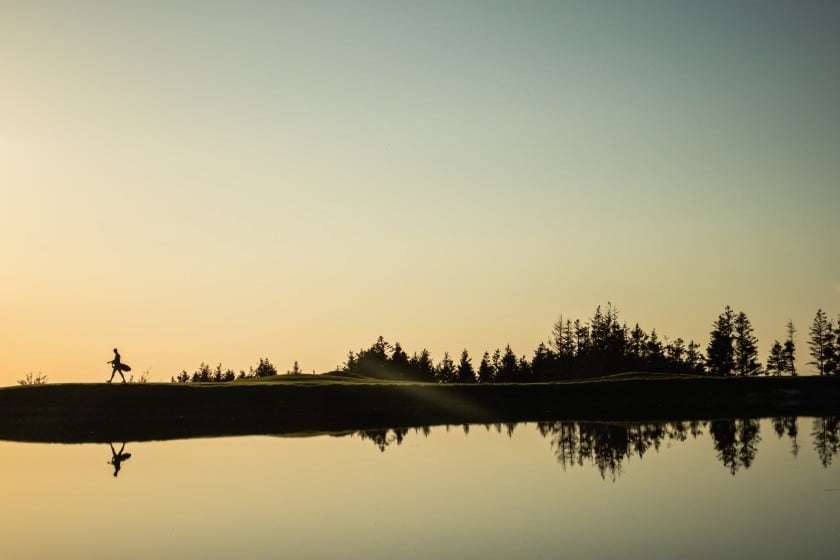
In golf, there are countless courses for which an 18-hole walk is nondescript besides the memory of a few good shots or holes. There are fewer courses for which an 18-hole walk is an experience that stirs the senses with each step. Cabot Links’ Links and Cliffs courses could be categorized among the latter.
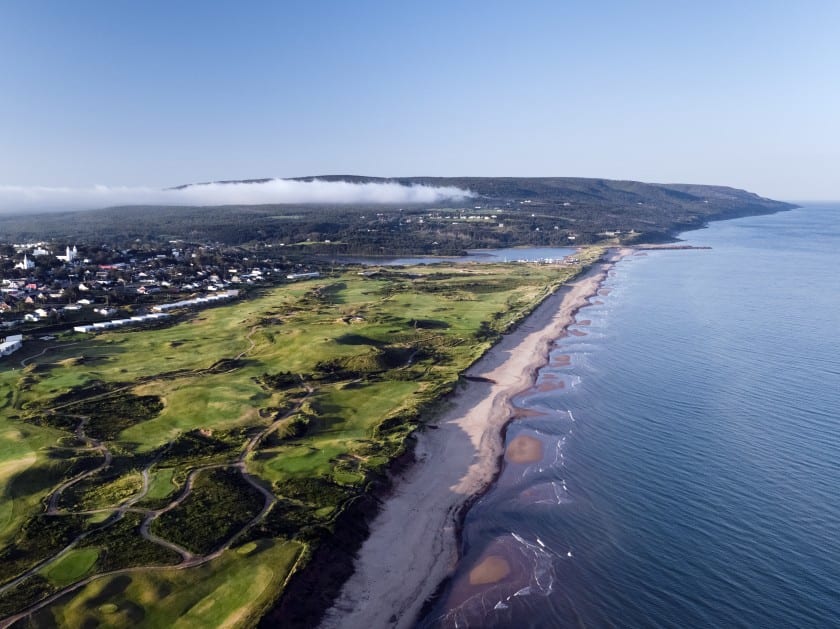
Long before Cabot Links came into existence, Cape Breton Island’s claim to golf fame was Highland Links Golf Course, a rugged design from noted course architect Stanley Thompson that opened in 1941. Seventy years later, just down the road in Inverness, Nova Scotia, Cabot Links’ Links course opened and a new claim to fame emerged.
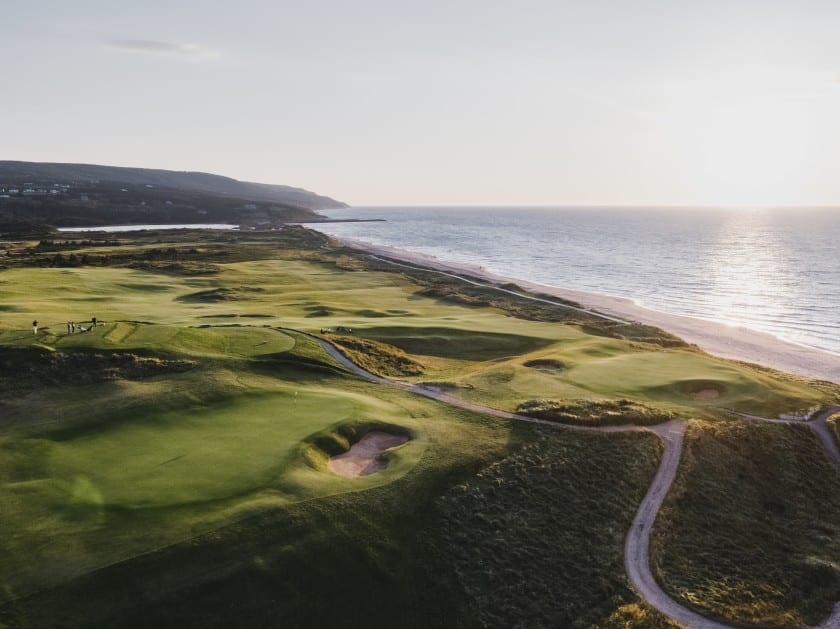
Bob Weeks, a member of the Ontario Golf Hall of Fame, once wrote of the Links: “The land was full of humps and bumps and rolls. Grass, short and long and green and brown, wavered in the breeze. The ground looked like a rolled carpet, as if it had never been touched, except perhaps by nature.”
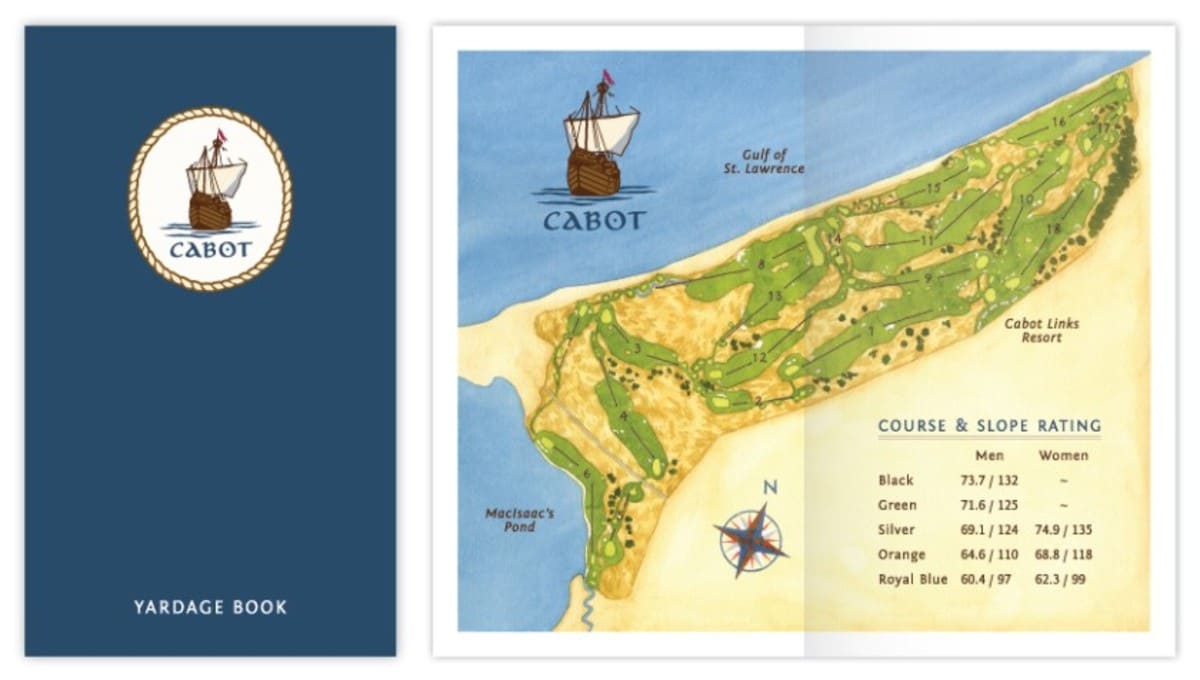
To play the Links course is to get a true feel for what golf must be like in Great Britain and Ireland. The Rod Whitman design was built atop an old coal mine and originally opened as a 10-hole course. The course, which was expanded to 18 holes midway through 2012, winds down to MacIsaac’s Pond and the fishing wharfs and harbor, then turns back toward the Gulf of St. Lawrence coastline.
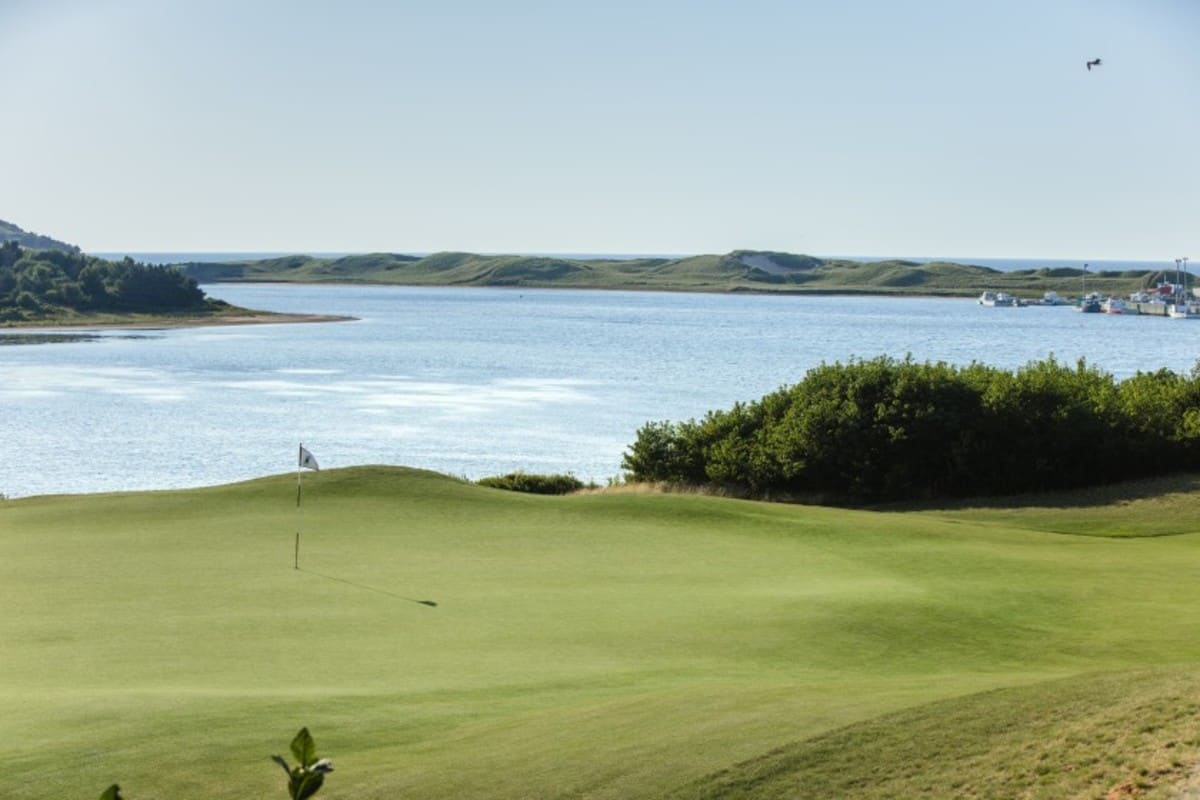
Rod Whitman, a native of Alberta, designed the Links course such that every hole offers an ocean view and where five holes play directly adjacent to the beach. The course is reported to be the first authentic links in Canada.
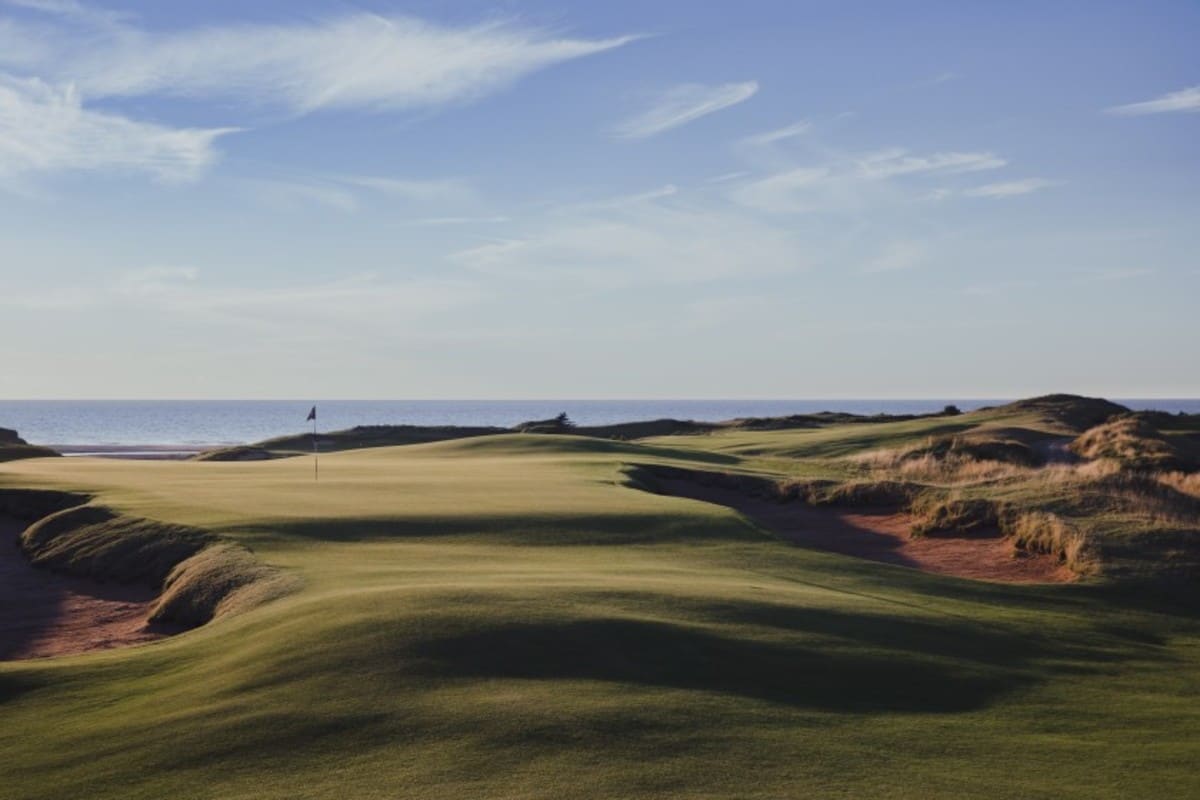
Course architects Bill Coore and Ben Crenshaw have been crafting one magnificent golf course design after another since partnering to form Coore and Crenshaw in 1986. The unveiling of the stunning Cliffs course in 2015 ranked as one of the firm's finest. At the time, Coore said land on which the Cliffs was built had “more variety in terms of its natural holes, without doing anything to them, than any site we’ve had.”
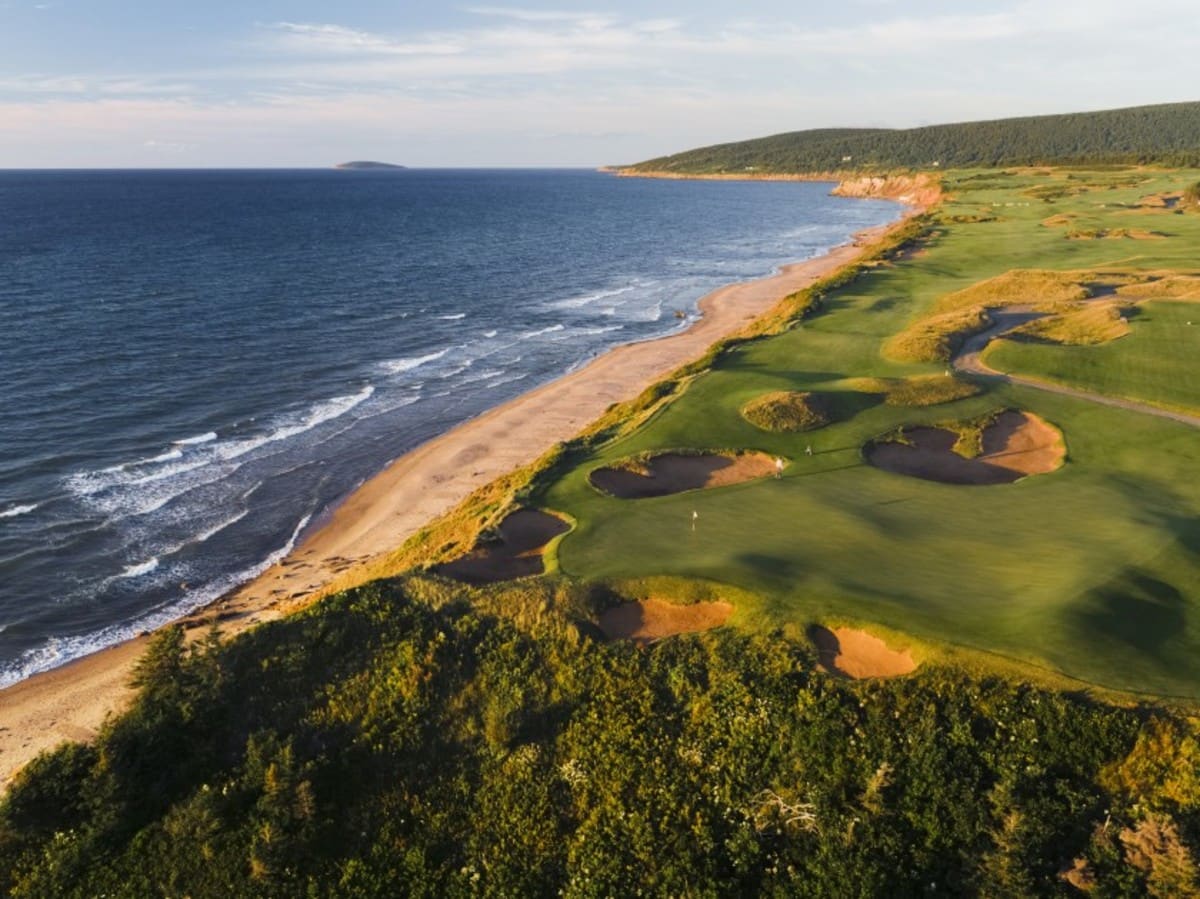
The Cliffs is the more notable of the two 18-hole courses. In Golf Digest’s 2020 ranking of the World’s 100 Greatest Golf Courses, the Cliffs sat at No. 11. The Links tied for 35th.
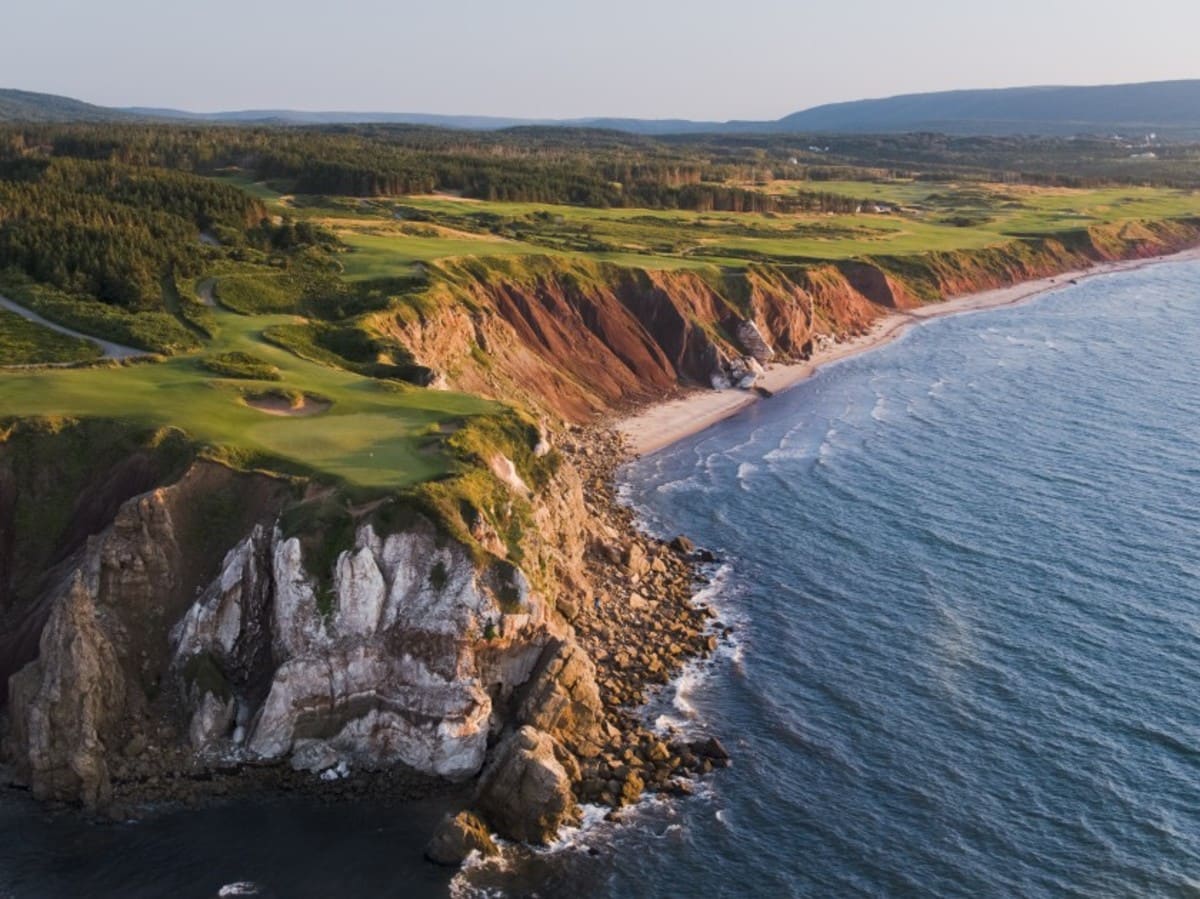
The Cliffs name is derived from the coastline that rises from the adjoining Links to its crescendo at the par-3 16th hole, which is often described as one of the most photographed holes in golf. The course has a unique symmetry to its scorecard in that there are six par 3s, six par 4s, and six par 5s, including three in a stretch of four holes.
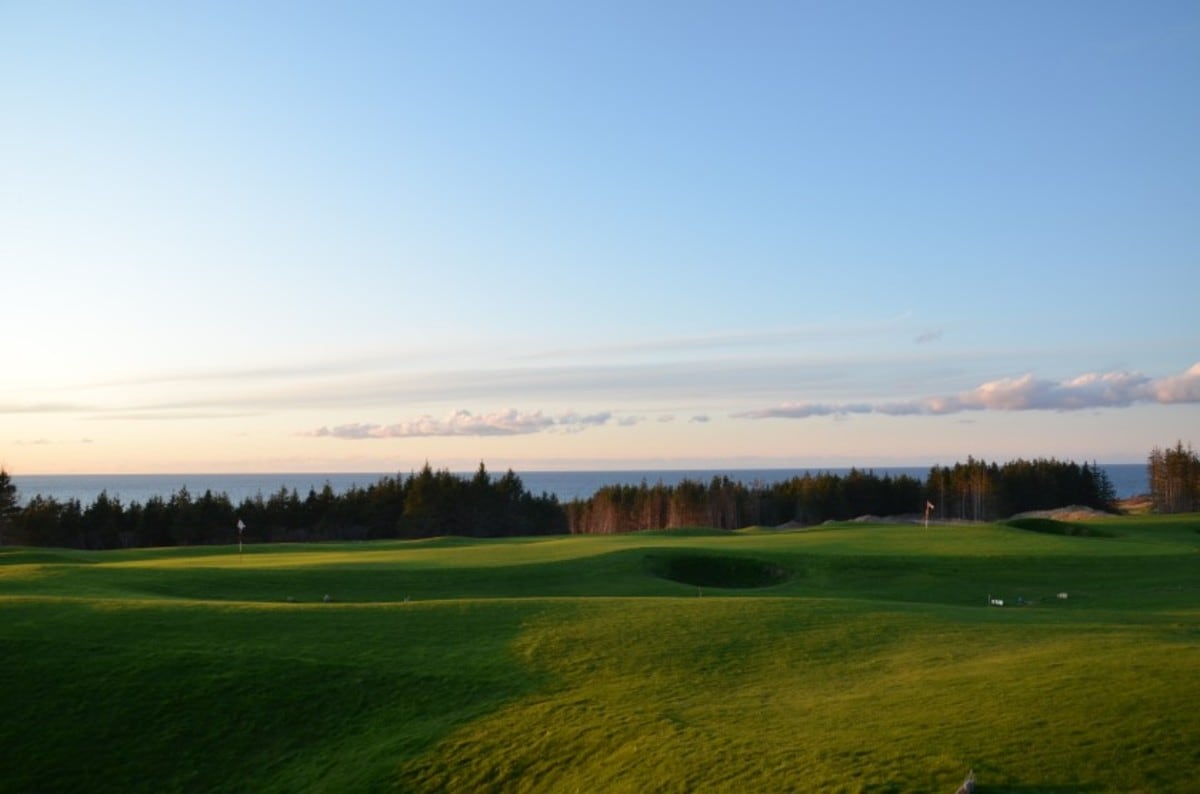
In late July 2020, Cabot Links opened The Nest, a 10-hole, par-3 course that was designed by Links course architect Rod Whitman and Dave Axland. The course sits at the highest point of Cabot Cliffs.
 Add us as a preferred source on Google