
How NIL Is Changing College Recruiting for High School Athletes
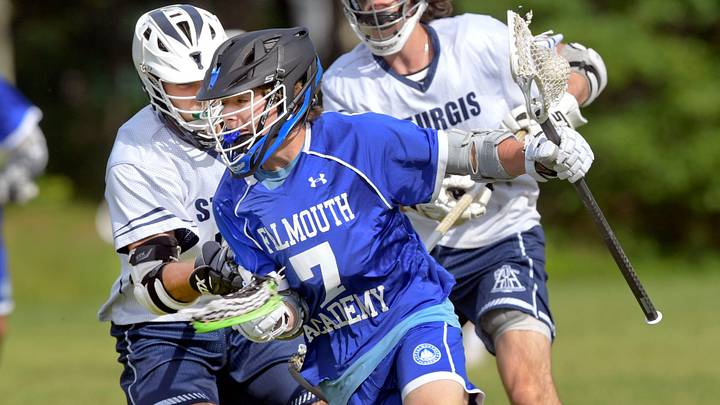
For high school lacrosse recruits, the goal has traditionally been to find a college that best fits their academic, athletic and personal interests.
Some players may have to wait a year or two to earn significant playing time, while others may have an opportunity to contribute immediately. Ultimately, the decision depends on what each athlete wants from the college experience.
However, the emergence of name, image and likeness (NIL) compensation in college athletics has introduced another important consideration that is filtering down to the high school level.
College athletes can now earn money through endorsements, sponsorships and other NIL opportunities. Additionally, participating colleges can compensate athletes directly through revenue-sharing arrangements.
These financial opportunities can significantly influence where high school athletes choose to continue their careers.
Financial Opportunity vs. Finding the Right Fit
Should athletes prioritize financial opportunities or the overall college experience?
It's a question many high school recruits must now consider, particularly when their preferred school cannot match the financial opportunities available elsewhere.
While some programs can provide both, others may offer greater opportunities for immediate playing time, individual development or academic success without the same financial incentives.
For an athlete who is only 17 or 18 years old, weighing those options can be particularly challenging.
How NCAA Eligibility Changes Could Affect High School Recruits
Another factor affecting the recruiting landscape is the NCAA's adoption of its new five-in-five eligibility model.
The new Division I eligibility rule, adopted in June 2026, generally allows athletes to compete for five seasons within a five-year eligibility window, replacing the traditional four-season model. The new framework will fully apply to incoming athletes beginning with the 2027-28 academic year.
The change could affect upcoming recruiting classes because more experienced college athletes may remain in school longer, potentially reducing the number of roster spots available to incoming freshmen.
When combined with NIL and revenue-sharing opportunities, the additional season also creates a financial incentive for some athletes to extend their college careers.
Athletes who excel in college but face uncertain professional prospects may find it more financially rewarding to remain in school for another season before attempting to pursue a professional career.
While that can benefit current college athletes, it presents another potential obstacle for high school recruits looking to secure roster spots and earn playing time.
The Growing Financial Divide in College Athletics
Another way NIL affects high school lacrosse and other sports is through the financial competition among college programs for talented recruits.
When presented with a significant financial opportunity, an athlete may choose a school that wasn't originally at the top of their list.
But who could blame an 18-year-old for accepting an opportunity that could provide financial security for themselves and their family?
The challenge is that financial resources are not distributed equally across college athletics.
Major athletic programs such as Oregon and Ohio State generally have access to resources that many smaller schools cannot match.
Although the financial opportunities available to individual athletes vary considerably by sport and program, schools with greater resources may have a recruiting advantage.
That could make it increasingly difficult for smaller programs to attract and retain top talent, even when they might provide a better overall fit for certain athletes.
High School Athletes Face Increasingly Difficult Decisions
There are plenty of positives associated with NIL. Athletes deserve the opportunity to benefit financially from their talent, hard work and marketability.
However, NIL, revenue sharing and expanded eligibility have also introduced complications that previous generations of high school recruits did not have to navigate.
Athletes must now balance financial opportunities with academic interests, playing time, coaching relationships, personal development and long-term career goals.
It's difficult enough to know exactly what you want at 18 years old. The changing financial landscape of college athletics has made that decision even more complicated.
For high school recruits, the challenge is ensuring that pursuing a financial opportunity doesn't come at the expense of finding the right place to build their future.
 Add us as a preferred source on Google

AJ Piazza is a sports journalist with experience covering high school, collegiate and professional athletics. He currently reports on high school sports for LancasterOnline and previously covered lacrosse and other NCAA sports for Penn State's The Daily Collegian. A 2026 Penn State journalism graduate, AJ's multimedia experience also includes work for FanSided Eyes On Isles, NBC Sports, CBS Sports and the Lion 90.7 FM. He brings a passion for lacrosse, high school athletics and telling the stories of student-athletes. He began contributing to High School On SI in 2026.
Follow Aj_piazza31