%20%20--%3E%0A%3Csvg%20version%3D%221.1%22%20id%3D%22Layer_1%22%20xmlns%3D%22http%3A%2F%2Fwww.w3.org%2F2000%2Fsvg%22%20xmlns%3Axlink%3D%22http%3A%2F%2Fwww.w3.org%2F1999%2Fxlink%22%20x%3D%220px%22%20y%3D%220px%22%0A%09%20width%3D%2239px%22%20height%3D%2240px%22%20viewBox%3D%220%200%2039%2040%22%20enable-background%3D%22new%200%200%2039%2040%22%20xml%3Aspace%3D%22preserve%22%3E%0A%3Cpath%20fill%3D%22%23FFFFFF%22%20d%3D%22M38.5%2C7H28.2v26h10.3V7z%22%2F%3E%0A%3Cpath%20fill-rule%3D%22evenodd%22%20clip-rule%3D%22evenodd%22%20fill%3D%22%23FFFFFF%22%20d%3D%22M26.1%2C25.5c0%2C5.8-4.1%2C7.5-12.9%2C7.5C3.9%2C33%2C0%2C31.2%2C0%2C25.2v-1.1h11.6%0A%09v2.4c0%2C0.7%2C0.1%2C1.4%2C1.2%2C1.4c1%2C0%2C1.2-0.4%2C1.2-1.3v-0.9c0-1.6-0.9-1.6-3.5-2.2C2.2%2C21.7%2C0%2C19.7%2C0%2C15.3v-0.9C0%2C9.3%2C5.5%2C7%2C12.9%2C7%0A%09c10.2%2C0%2C12.8%2C2.6%2C12.8%2C7.4v1.8h-11v-2.9c0-0.6-0.4-1.1-1.2-1.1c-0.6%2C0-1.2%2C0.4-1.2%2C1.1v0.9c0%2C1.5%2C0.9%2C2%2C3.3%2C2.5%0A%09c8%2C1.6%2C10.5%2C3.3%2C10.5%2C7.5V25.5z%22%2F%3E%0A%3C%2Fsvg%3E%0A)
Baseball, the rudest sport around
It occurred to my friend The Duchess, the sports connoisseur, who seeks out all that may be indecorous in athletics, that there is a glaring lapse of etiquette in one sport.
Writing to me from her yacht, as always, in her lovely cursive hand, she begins: "My dear Frank, if I am not mistaken, amongst major sports, baseball players are the only ones who never shake hands with each other in the spirit of good will."
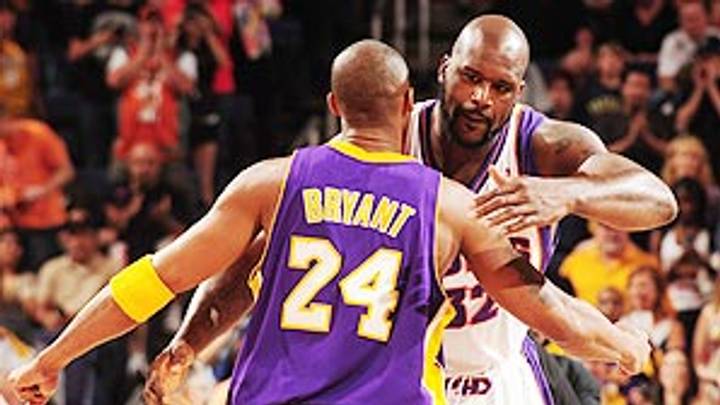
The Duchess went on to note that basketball players are the most social. In the NBA, the starters shake hands before the game and often kibitz on the court afterwards. Moreover, after college games the two teams all pass by each other in a line, sort of like a Virginia reel at a square dance.
Even those whom the Duchess called "ruffians on ice" may pound each other all season, but when a hockey playoff series is over and one team is eliminated, the players on both teams, including the goons, skate slowly past each other and shake hands.
As The Duchess wrote to me, "I find that really quite lovely, Frank. Even brutes can be taught to be civilized upon occasion."
The "concussion candidates," as The Duchess labeled football players, tend to mate up on the field after every game by position. Always, the quarterback from one team seeks out the quarterback from the other. The coaches themselves at least acknowledge one another even if they can't stand each other, and the more religious players from both teams join together in a circle and pray.
Golfers make sure to shake hands with the other player's caddies.
"Very equalitarian, don't you, think, Frank, that they should also show such familiarity to the help?" Yes indeed, Duchess.
And tennis players meet at the net. It used to be that the winner might jump the net, but there's a certain triumphalism to that, so the custom's pretty much gone out. The last man that The Duchess could remember jumping the net was Bobby Riggs, after Billie Jean creamed him. "A gallant display of testosterone," the Duchess suggested.
Boxers, of course, touch gloves before the fight after the referee opines, "May the best man win." And, "my gracious," exclaimed The Duchess, soccer players and rowers even literally give one another the shirts off their backs.
The Duchess concluded her letter to me, noting how especially curious it was, that while baseball players do not congratulate each other after the game, they're really quite convivial during the game. If a batter hits a double, for example, he'll be sure to pass the time of day with the opposition's shortstop or second baseman.
Afterwards, though, it's only the winners who come out on the field and fist bump each other. The losers just watch from their dugout.
"I wish they'd at least tip their hats to their conquerors," The Duchess concluded. "There is no reason why baseball players can't be gentlemen, like others of the sporting persuasion."
 Add us as a preferred source on Google
Frank Deford is among the most versatile of American writers. His work has appeared in virtually every medium, including print, where he has written eloquently for Sports Illustrated since 1962. Deford is currently the magazine's Senior Contributing Writer and contributes a weekly column to SI.com. Deford can be heard as a commentator each week on Morning Edition. On television he is a regular correspondent on the HBO show Real Sports With Bryant Gumbel. He is the author of 15 books, and his latest,The Enitled, a novel about celebrity, sex and baseball, was published in 2007 to exceptional reviews. He and Red Smith are the only writers with multiple features in The Best American Sports Writing of the Century. Editor David Halberstam selected Deford's 1981 Sports Illustrated profile on Bobby Knight (The Rabbit Hunter) and his 1985 SI profile of boxer Billy Conn (The Boxer and the Blonde) for that prestigious anthology. For Deford the comparison is meaningful. "Red Smith was the finest columnist, and I mean not just sports columnist," Deford told Powell's Books in 2007. "I've always said that Red is like Vermeer, with those tiny, priceless pieces. Five hundred words, perfectly chosen, crafted. Best literary columnist, in any newspaper, that I've ever seen." Deford was elected to the National Association of Sportscasters and Sportswriters Hall of Fame. Six times at Sports Illustrated Deford was voted by his peers as U.S. Sportswriter of The Year. The American Journalism Review has likewise cited him as the nation's finest sportswriter, and twice he was voted Magazine Writer of The Year by the Washington Journalism Review. Deford has also been presented with the National Magazine Award for profiles; a Christopher Award; and journalism honor awards from the University of Missouri and Northeastern University; and he has received many honorary degrees. The Sporting News has described Deford as "the most influential sports voice among members of the print media," and the magazine GQ has called him, simply, "The world's greatest sportswriter." In broadcast, Deford has won a Cable Ace award, an Emmy and a George Foster Peabody Award for his television work. In 2005 ESPN presented a television biography of Deford's life and work, You Write Better Than You Play. Deford has spoken at well over a hundred colleges, as well as at forums, conventions and on cruise ships around the world. He served as the editor-in-chief of The National Sports Daily in its brief but celebrated existence. Deford also wrote Sports Illustrated's first Point After column, in 1986. Two of Deford's books, the novel, Everybody's All-American, and Alex: The Life Of A Child, his memoir about his daughter who died of cystic fibrosis, have been made into movies. Two of his original screenplays have also been filmed. For 16 years Deford served as national chairman of the Cystic Fibrosis Foundation, and he remains chairman emeritus. He resides in Westport, CT, with his wife, Carol. They have two grown children – a son, Christian, and a daughter, Scarlet. A native of Baltimore, Deford is a graduate of Princeton University, where he has taught American Studies.