%20%20--%3E%0A%3Csvg%20version%3D%221.1%22%20id%3D%22Layer_1%22%20xmlns%3D%22http%3A%2F%2Fwww.w3.org%2F2000%2Fsvg%22%20xmlns%3Axlink%3D%22http%3A%2F%2Fwww.w3.org%2F1999%2Fxlink%22%20x%3D%220px%22%20y%3D%220px%22%0A%09%20width%3D%2239px%22%20height%3D%2240px%22%20viewBox%3D%220%200%2039%2040%22%20enable-background%3D%22new%200%200%2039%2040%22%20xml%3Aspace%3D%22preserve%22%3E%0A%3Cpath%20fill%3D%22%23FFFFFF%22%20d%3D%22M38.5%2C7H28.2v26h10.3V7z%22%2F%3E%0A%3Cpath%20fill-rule%3D%22evenodd%22%20clip-rule%3D%22evenodd%22%20fill%3D%22%23FFFFFF%22%20d%3D%22M26.1%2C25.5c0%2C5.8-4.1%2C7.5-12.9%2C7.5C3.9%2C33%2C0%2C31.2%2C0%2C25.2v-1.1h11.6%0A%09v2.4c0%2C0.7%2C0.1%2C1.4%2C1.2%2C1.4c1%2C0%2C1.2-0.4%2C1.2-1.3v-0.9c0-1.6-0.9-1.6-3.5-2.2C2.2%2C21.7%2C0%2C19.7%2C0%2C15.3v-0.9C0%2C9.3%2C5.5%2C7%2C12.9%2C7%0A%09c10.2%2C0%2C12.8%2C2.6%2C12.8%2C7.4v1.8h-11v-2.9c0-0.6-0.4-1.1-1.2-1.1c-0.6%2C0-1.2%2C0.4-1.2%2C1.1v0.9c0%2C1.5%2C0.9%2C2%2C3.3%2C2.5%0A%09c8%2C1.6%2C10.5%2C3.3%2C10.5%2C7.5V25.5z%22%2F%3E%0A%3C%2Fsvg%3E%0A)
PEDs destroy the fascination of physically superior athletes

Certain forms of art are performed in private. The painter is alone when he paints, the writer likewise. But the most pertinent aspect of the performing arts is that they are watched. Dance, music, drama and sport are most challenging -- and most thrilling -- precisely because they are real, happening before our eyes.
All of them, of course, can be tainted by human foible. We make athletes heroes at our peril. Athletes, for example, fix games. They cheat when they can. They can be cruel on the field, and off it brutish ---- especially in their treatment of women. Just read the paper any day and be disappointed.
But none of all these iniquities taken together violates sport as drugs do alone.
Athletics, like the other performing arts, is primarily a function of the body. Yes, it helps to understand well the game you are playing, but, ultimately, sports are physical. They require strength, speed, balance, hand-eye coordination and often, endurance. To succeed, the athlete must excel in at least one of these qualities, or even in some cases, in an admixture of all. At base, we attend games and we become sports fans because we are enthralled that these young men and women are capable, with their bodies, of what we could never manage with ours. We envy and cheer their graceful superiority.
When athletes take performance-enhancing drugs they destroy that basic truth. Imagine if there were a drug that could improve a tenor's or a soprano's voice, so the notes were purer -- that would devalue all opera because the art would be false, the cognoscenti unable to trust what they would be hearing as true human beauty.
Think of that analogy with steroids and HGH to sport.
Visual entertainment certainly doesn't need to be real. Magicians have always performed what they frankly call "tricks." The movies now live by what are advertised as "special affects." But in sports, the bodies must be honest, or what's the point? In a horrible way concussions are good for football; they validate how seriously the bodies function in that game. You need a few matadors gored to sell bullfight tickets.
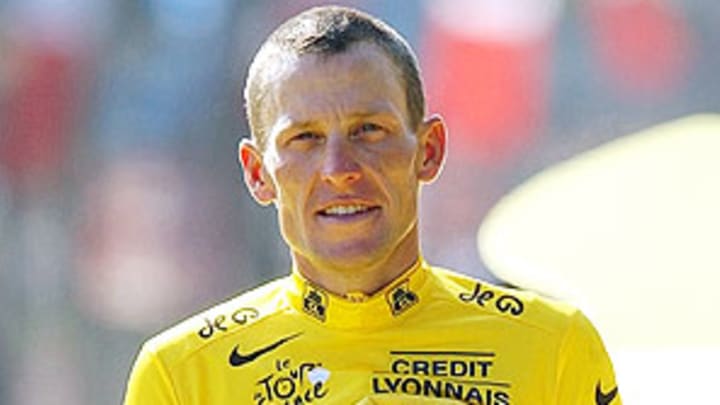
But drugs... Lance Armstrong on the highest level, and lesser lights like Melky Cabrera and Bartolo Colon, don't just poison the game, they poison our faith. It's only natural now that every rational person must at least wonder whenever any athlete, no matter how revered, does something exceptional. We've been surprised too often, disillusioned too often, suckered too often, hurt too often. So eventually, we might doubt all the bodies. And if you doubt the voices, there is no opera; if you doubt the bodies, there is no sport. It becomes just another entertainment with special affects.
That's why drugs are more of a threat to sport than all the other abuses and deceits put together.

Frank Deford is among the most versatile of American writers. His work has appeared in virtually every medium, including print, where he has written eloquently for Sports Illustrated since 1962. Deford is currently the magazine's Senior Contributing Writer and contributes a weekly column to SI.com. Deford can be heard as a commentator each week on Morning Edition. On television he is a regular correspondent on the HBO show Real Sports With Bryant Gumbel. He is the author of 15 books, and his latest,The Enitled, a novel about celebrity, sex and baseball, was published in 2007 to exceptional reviews. He and Red Smith are the only writers with multiple features in The Best American Sports Writing of the Century. Editor David Halberstam selected Deford's 1981 Sports Illustrated profile on Bobby Knight (The Rabbit Hunter) and his 1985 SI profile of boxer Billy Conn (The Boxer and the Blonde) for that prestigious anthology. For Deford the comparison is meaningful. "Red Smith was the finest columnist, and I mean not just sports columnist," Deford told Powell's Books in 2007. "I've always said that Red is like Vermeer, with those tiny, priceless pieces. Five hundred words, perfectly chosen, crafted. Best literary columnist, in any newspaper, that I've ever seen." Deford was elected to the National Association of Sportscasters and Sportswriters Hall of Fame. Six times at Sports Illustrated Deford was voted by his peers as U.S. Sportswriter of The Year. The American Journalism Review has likewise cited him as the nation's finest sportswriter, and twice he was voted Magazine Writer of The Year by the Washington Journalism Review. Deford has also been presented with the National Magazine Award for profiles; a Christopher Award; and journalism honor awards from the University of Missouri and Northeastern University; and he has received many honorary degrees. The Sporting News has described Deford as "the most influential sports voice among members of the print media," and the magazine GQ has called him, simply, "The world's greatest sportswriter." In broadcast, Deford has won a Cable Ace award, an Emmy and a George Foster Peabody Award for his television work. In 2005 ESPN presented a television biography of Deford's life and work, You Write Better Than You Play. Deford has spoken at well over a hundred colleges, as well as at forums, conventions and on cruise ships around the world. He served as the editor-in-chief of The National Sports Daily in its brief but celebrated existence. Deford also wrote Sports Illustrated's first Point After column, in 1986. Two of Deford's books, the novel, Everybody's All-American, and Alex: The Life Of A Child, his memoir about his daughter who died of cystic fibrosis, have been made into movies. Two of his original screenplays have also been filmed. For 16 years Deford served as national chairman of the Cystic Fibrosis Foundation, and he remains chairman emeritus. He resides in Westport, CT, with his wife, Carol. They have two grown children – a son, Christian, and a daughter, Scarlet. A native of Baltimore, Deford is a graduate of Princeton University, where he has taught American Studies.