%20%20--%3E%0A%3Csvg%20version%3D%221.1%22%20id%3D%22Layer_1%22%20xmlns%3D%22http%3A%2F%2Fwww.w3.org%2F2000%2Fsvg%22%20xmlns%3Axlink%3D%22http%3A%2F%2Fwww.w3.org%2F1999%2Fxlink%22%20x%3D%220px%22%20y%3D%220px%22%0A%09%20width%3D%2239px%22%20height%3D%2240px%22%20viewBox%3D%220%200%2039%2040%22%20enable-background%3D%22new%200%200%2039%2040%22%20xml%3Aspace%3D%22preserve%22%3E%0A%3Cpath%20fill%3D%22%23FFFFFF%22%20d%3D%22M38.5%2C7H28.2v26h10.3V7z%22%2F%3E%0A%3Cpath%20fill-rule%3D%22evenodd%22%20clip-rule%3D%22evenodd%22%20fill%3D%22%23FFFFFF%22%20d%3D%22M26.1%2C25.5c0%2C5.8-4.1%2C7.5-12.9%2C7.5C3.9%2C33%2C0%2C31.2%2C0%2C25.2v-1.1h11.6%0A%09v2.4c0%2C0.7%2C0.1%2C1.4%2C1.2%2C1.4c1%2C0%2C1.2-0.4%2C1.2-1.3v-0.9c0-1.6-0.9-1.6-3.5-2.2C2.2%2C21.7%2C0%2C19.7%2C0%2C15.3v-0.9C0%2C9.3%2C5.5%2C7%2C12.9%2C7%0A%09c10.2%2C0%2C12.8%2C2.6%2C12.8%2C7.4v1.8h-11v-2.9c0-0.6-0.4-1.1-1.2-1.1c-0.6%2C0-1.2%2C0.4-1.2%2C1.1v0.9c0%2C1.5%2C0.9%2C2%2C3.3%2C2.5%0A%09c8%2C1.6%2C10.5%2C3.3%2C10.5%2C7.5V25.5z%22%2F%3E%0A%3C%2Fsvg%3E%0A)
Explaining the NFL’s Five New Rule Changes Ahead of the 2026 Season
NFL owners have approved of five new rules changes ahead of the 2026 season, according to Sports Illustrated's Albert Breer—with three of them relating to the kickoff.
The league introduced a new kickoff rule in 2024, designed to make the play safer while also keeping it an exciting part of the game. Saddled with a “landing zone” and kick and return teams that can’t move until the ball is fielded, the Dynamic Kickoff has ultimately proven successful, as returns have steadily increased since it was put in place. Last offseason, the NFL adjusted the touchback from the 20-yard line to the 35-yard line and the rules surrounding onside kicks. Now, three more tweaks are being added to the mix.
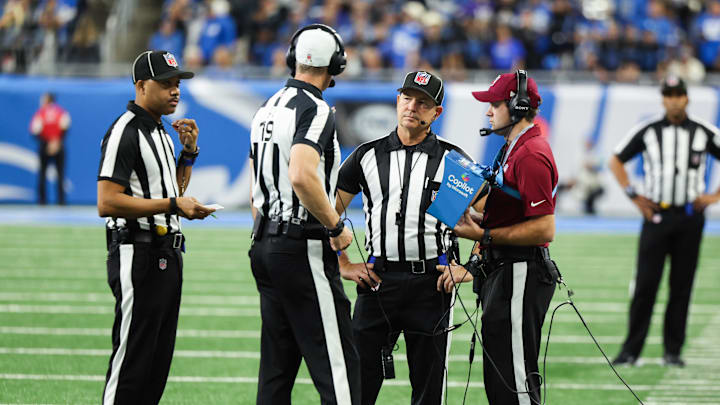
The other two changes ahead of 2026 focus on officiating: updating disqualification procedures and implementing a one-year adjustment in the event of a work stoppage if referees are locked out.
Here’s an explainer on each.
Explaining the NFL’s new rule changes ahead of 2026 season

Here’s a look at the five new rules that the NFL will implement in 2026:
All five rules changes proposals for 2026 have been voted through, per sources.
— Albert Breer (@AlbertBreer) March 31, 2026
Here are those ... pic.twitter.com/ViEyeY68Xc
1. The kicking team may now declare an onside kick at any point in the game
When the Dynamic Kickoff was originally put in place in 2024, the rules permitted onside kicks to be attempted by teams that were losing in the fourth quarter. In 2025, the rules were adjusted so that they could be attempted at any time, though only when a team was trailing.
Now, teams are allowed to attempt an onside kick at any time and in any game situation—winning, losing, or tied. Onside kicks must always be declared in advance.
2. The kicking team’s incentive to intentionally kick the ball out of bounds when kicking off from the 50-yard line has been eliminated
The NFL is eliminating a loophole that has been exploited over the past several seasons with the new Dynamic Kickoff.
The penalty for a kickoff out of bounds is that the receiving team takes possession 25 yards from the spot of the kick—typically, their own 40-yard line when the ball is kicked from the 35. That said, however, if the receiving team commits a 15-yard penalty and it is enforced on the kickoff, then the kicking team kicks off from the 50-yard line. This means that if they simply kick it out of bounds, the receiving team is pinned at their own 25-yard line.
To disincentivize teams from kicking the ball out of bounds, a kickoff from the 50-yard line that results in a touchback will now be spotted at the 20-yard line, not the 35-yard line—essentially making a deep, in-bounds kick a better option than kicking the ball out of bounds.
3. The kickoff alignment requirements for the receiving team in the setup zone has been modified
The NFL is adjusting where the receiving team is set up during the kickoff.
Instead of a minimum of six players needing to be lined up with their front foot on the restraining line, the requirement has been reduced to five. Additionally, the maximum number of players permitted in the setup zone has been bumped from three to four, “but never more than two players in each of the three areas within the setup zone bordered by the sidelines and inbounds lines.”
If there are four players in the setup zone not on the restraining line, then there must be at least one player lined up between the sideline and the inbounds line on each side of the field.
4. League personnel will be allowed to consult with on-field officials when considering disqualifications for flagrant football and non-football acts that aren't called
This new rule allows league personnel to consult with on-field officials when considering disqualifications. If a flagrant infraction is not called on the field, members of the officiating department at the league office are now allowed to determine—before the next legal snap—if a violation occurred and warrants a disqualification.
5. For one-year only, if there is a work stoppage that impacts officials represented by the NFLRA, the NFL’s Officiating Department will be allowed to correct clear and obvious misses made by on-field officials
As the NFL and NFLRA’s labor deal approaches expiration, the league is doing it’s part to stay prepared. This new rule states that, if the two side not come to an agreement on a new CBA and replacement officials are forced to be used, then the NFL’s Officiating Department can correct clear and obvious misses that impact the game.
More NFL from Sports Illustrated
 Add us as a preferred source on Google
Mike Kadlick is a senior NFL news writer for Sports Illustrated. He’s also a New England Patriots reporter for CLNS Media, where he hosts the Patriots Daily podcast and covers the beat from Gillette Stadium. Before joining SI, Kadlick worked at WEEI sports radio in Boston. He holds a master’s degree in public relations from Boston University. When Kadlick’s not covering football, he can be found running, spending time with his wife and dog, and enjoying all things pizza.
Follow mikekadlick