%20%20--%3E%0A%3Csvg%20version%3D%221.1%22%20id%3D%22Layer_1%22%20xmlns%3D%22http%3A%2F%2Fwww.w3.org%2F2000%2Fsvg%22%20xmlns%3Axlink%3D%22http%3A%2F%2Fwww.w3.org%2F1999%2Fxlink%22%20x%3D%220px%22%20y%3D%220px%22%0A%09%20width%3D%2239px%22%20height%3D%2240px%22%20viewBox%3D%220%200%2039%2040%22%20enable-background%3D%22new%200%200%2039%2040%22%20xml%3Aspace%3D%22preserve%22%3E%0A%3Cpath%20fill%3D%22%23FFFFFF%22%20d%3D%22M38.5%2C7H28.2v26h10.3V7z%22%2F%3E%0A%3Cpath%20fill-rule%3D%22evenodd%22%20clip-rule%3D%22evenodd%22%20fill%3D%22%23FFFFFF%22%20d%3D%22M26.1%2C25.5c0%2C5.8-4.1%2C7.5-12.9%2C7.5C3.9%2C33%2C0%2C31.2%2C0%2C25.2v-1.1h11.6%0A%09v2.4c0%2C0.7%2C0.1%2C1.4%2C1.2%2C1.4c1%2C0%2C1.2-0.4%2C1.2-1.3v-0.9c0-1.6-0.9-1.6-3.5-2.2C2.2%2C21.7%2C0%2C19.7%2C0%2C15.3v-0.9C0%2C9.3%2C5.5%2C7%2C12.9%2C7%0A%09c10.2%2C0%2C12.8%2C2.6%2C12.8%2C7.4v1.8h-11v-2.9c0-0.6-0.4-1.1-1.2-1.1c-0.6%2C0-1.2%2C0.4-1.2%2C1.1v0.9c0%2C1.5%2C0.9%2C2%2C3.3%2C2.5%0A%09c8%2C1.6%2C10.5%2C3.3%2C10.5%2C7.5V25.5z%22%2F%3E%0A%3C%2Fsvg%3E%0A)
Eight Backup QBs Who Helped Teams to Super Bowl Wins
In this story:
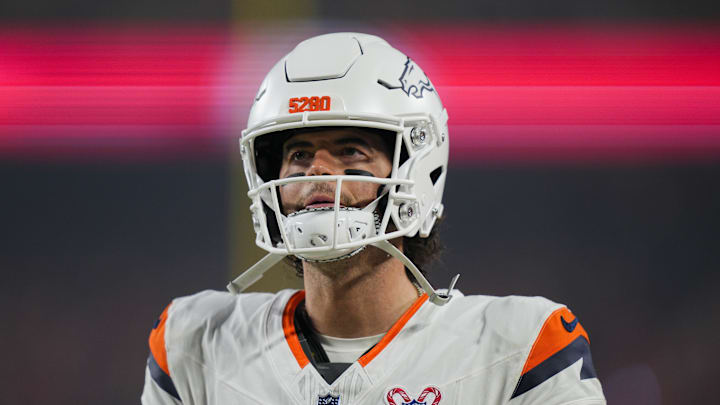
Broncos backup quarterback Jarrett Stidham has been thrust into the spotlight following the season-ending injury to starter Bo Nix in the divisional round win over the Bills. Stidham will be taking over the starting role in the AFC championship game after Nix stunningly fractured his ankle against the Bills. Given that Stidham has started just four games in his six-year NFL career, the Broncos’ Super Bowl hopes have taken a bit of a hit.
But maybe they shouldn’t.
Denver still has a potent defense, and there are several instances of a backup QB replacing a starter and then helping his team hoist the Lombardi Trophies. Here are eight players who accomplished that very feat.
Earl Morrall, Baltimore Colts—Super Bowl V
Morrall had his first chance to make this list back in 1968, when Pro Football Hall of Famer Johnny Unitas injured his arm in the final preseason game against the Cowboys, making Morrall the starter. The Muskegon, Mich., native enjoyed the best season of his career, taking home MVP honors while leading Baltimore to a 13–1 record. Unfortunately, Morrall was benched for Unitas in a Super Bowl III loss to the Jets.
But a chance at glory unexpectedly came two years later.
A healthy Unitas led the Colts back to the Super Bowl, where he injured his rib in the second quarter against the Cowboys.
After Dallas took a 13–6 lead in the first half, Morrall led the Colts on two fourth quarter scoring drives to power Baltimore to a 16–13 victory, despite the club’s seven total turnovers (one by Morrall).
Doug Williams, Washington—Super Bowl XXII
Doug Williams’s story is one of perseverance. Williams, a first-round pick in the 1978 NFL draft, struggled through the first five years of his career in Tampa Bay, played briefly in the USFL during a four-year stint away from the NFL, then signed on with Washington as a backup to starter Jay Schroeder.
Williams replaced Schroeder twice during the 1987 season, first due to injury and the second time due to ineffectiveness.
The Grambling State product never looked back, leading Washington to a 5–2 record down the stretch and two playoff victories. Then Williams, the first African American quarterback to start and win a Super Bowl, powered Washington to a 42–10 thrashing of the John Elway-led Broncos in Super Bowl XXII, in which Williams fired four touchdown passes to earn MVP honors.
Jim Plunkett, Raiders—Super Bowls XV, XVIII
Plunkett is the only QB on this list who caught lightning in a bottle twice. The former No. 1 pick bounced between the Patriots and 49ers before finding his way to the Raiders in the late 1970s and early ‘80s.
Plunkett was thrust into the action when Raiders starter Dan Pastorini broke his leg in Week 5 of the 1980 season—and Plunkett proceeded to lead the team to nine wins in 11 regular season starts and then another three road playoff wins and a Super Bowl triumph over the Eagles in which he was named MVP. Plunkett’s Raiders at the time were the first wild card team to win a Super Bowl.
The San Jose native did it again three years later, when starter Marc Wilson broke his left shoulder in a November 1983 game against the Chiefs after replacing the benched Plunkett during the season. Plunkett, who had been there and done that once before, led the Raiders to 10 wins in 13 starts, then continued his postseason magic by leading the club to two decisive victories and a Super Bowl win over Washington.
Jeff Hostetler, Giants—Super Bowl XXV
After just six-and-a-half seasons and two starts, Jeff Hostetler’s frustrations had mounted to the point where he had told his wife he was planning on quitting pro football at the end of the 1990 season.
Just days later, Giants starter Phil Simms suffered a season-ending foot injury in a Week 15 game, putting Hostetler in the saddle.
All Hostetler did was lead the Giants to five straight wins, two in the regular season and three in the postseason. The Hollsopple, Pa., native threw for 510 yards, three touchdown passes and no interceptions in the three playoff wins, as the magical run culminated with a thrilling, 20–19 win over the Bills in Super Bowl XXV.
Kurt Warner, Rams—Super Bowl XXXIV

A story so good they made a movie out of it. Warner, after going undrafted in 1994, went from stocking shelves at an Iowa grocery store to playing Arena football and in NFL Europe, to finally getting his chance with the Rams when established starter Trent Green suffered a season-ending knee injury in the 1999 preseason.
In a massive understatement, Warner seized his chance, leading the league in touchdown passes and passer rating while quarterbacking the Rams’ “Greatest Show on Turf” offense. The Rams won 13 games and then three more playoff games to complete Warner’s magical run, finishing with a 23–16 victory in Super Bowl XXXIV against the Titans.
Warner is the only undrafted player to win both the NFL and Super Bowl MVPs and is one of just seven QBs to win league MVP and Super Bowl MVP in the same season.
Trent Dilfer, Ravens—Super Bowl XXXV
After going four consecutive games without scoring a touchdown during the start of the 2000 season, Ravens coach Brian Billick benched starter Tony Banks in favor of Dilfer, who proceeded to manage the game and lean on running backs Jamal Lewis and Priest Holmes, as well as a Ray Lewis-led defense.
But to his credit, Dilfer played well enough that Baltimore, after losing two straight with Banks under center, went 7–1 in his regular season starts. The Ravens’ defense allowed just 23 points in four games, Dilfer turned the ball over only once and Baltimore won four straight postseason games, including Super Bowl XXXV against the Giants, 34–7.
Tom Brady, Patriots—Super Bowl XXXVI
It’s hard to believe that Brady, a seven-time Super Bowl champion and the greatest player in NFL history, was once a backup. But that was indeed the case entering the 2001 season, after New England rewarded starter Drew Bledsoe with a $103 million contract in March of that year.
Just months later, Brady was inserted as the team’s starter after Bledsoe suffered a life-threatening injury when he took a massive hit during the second game of the season.
More: ’Drew could have died’: The lasting lessons of the hit that launched Tom Brady
Brady went 5–2 as the starter, then was permanently—and controversially—named the starter by legendary coach Bill Belichick the rest of the way.
Brady led the Patriots to the first of six Super Bowls in New England, etching his name in stone in league history.
Nick Foles, Eagles—Super Bowl LII
In one of the most improbable stories in league history, Foles, who had soared to Pro Bowl heights in his first stint in Philadelphia, returned for his second stint as a journeyman QB and a backup to franchise QB Carson Wentz. Wentz, in the midst of an MVP-caliber season, tore his ACL in a Week 14 win over the Rams.
Backed by the fourth-ranked scoring defense and a talented offensive line, Foles led Philadelphia to wins in the divisional round and NFC championship, then went throw-for-throw with Brady in a memorable Super Bowl LII triumph over the Patriots that included the game-changing, Philly Special trick play, 41–33.
Honorable mentions
Roger Staubach, Cowboys—Super Bowl VI
Staubach bizarrely shared starting duties with Craig Morton, then kickstarted his Hall of Fame career by leading Dallas to a Super Bowl win in the 1971 season.
Vince Ferragamo, Rams—Super Bowl XIV
After holding a clipboard his first two years in the league, the ex-fourth round pick replaced the injured Pat Haden and led the Rams to two road playoff wins before ultimately losing to the Steelers in the Super Bowl.
Jake Delhomme, Panthers—Super Bowl XXXVIII
Delhomme took over for ineffective starter Rodney Peete in the season’s first game, then led Carolina to three playoff wins and a narrow Super Bowl loss to the Patriots.
Colin Kaepernick, 49ers—Super Bowl XLVII
The dual-threat Kaepernick replaced starter Alex Smith, who suffered a concussion in a November game that season, then held onto the job and excelled all the way to a Super Bowl defeat to Baltimore.
Brock Osweiler, Broncos—Super Bowl 50
Osweiler only relieved legendary injured QB Peyton Manning for seven games midway through the Broncos’ championship season, but he helped lead the team to five wins and home-field advantage in the playoffs. The Broncos defeated the Panthers in the Super Bowl.
Jimmy Garoppolo/Jacoby Brissett, Patriots—Super Bowl LI
Garoppolo and Brissett combined to lead the Patriots to a 3–1 record while Brady was suspended four games for the Deflategate scandal. With Brady back in the fold, New England would go on to defeat the Falcons in perhaps his most legendary Super Bowl-winning performance.
More NFL on Sports Illustrated
 Add us as a preferred source on Google
Tim Capurso is a staff writer for Sports Illustrated, primarily covering MLB, college football and college basketball. Before joining SI in November 2023, Capurso worked at RotoBaller and ClutchPoints and is a graduate of Assumption University. When he's not working, he can be found at the gym, reading a book or enjoying a good hike. A resident of New York, Capurso openly wonders if the Giants will ever be a winning football team again.
Follow TimCapurso