%20%20--%3E%0A%3Csvg%20version%3D%221.1%22%20id%3D%22Layer_1%22%20xmlns%3D%22http%3A%2F%2Fwww.w3.org%2F2000%2Fsvg%22%20xmlns%3Axlink%3D%22http%3A%2F%2Fwww.w3.org%2F1999%2Fxlink%22%20x%3D%220px%22%20y%3D%220px%22%0A%09%20width%3D%2239px%22%20height%3D%2240px%22%20viewBox%3D%220%200%2039%2040%22%20enable-background%3D%22new%200%200%2039%2040%22%20xml%3Aspace%3D%22preserve%22%3E%0A%3Cpath%20fill%3D%22%23FFFFFF%22%20d%3D%22M38.5%2C7H28.2v26h10.3V7z%22%2F%3E%0A%3Cpath%20fill-rule%3D%22evenodd%22%20clip-rule%3D%22evenodd%22%20fill%3D%22%23FFFFFF%22%20d%3D%22M26.1%2C25.5c0%2C5.8-4.1%2C7.5-12.9%2C7.5C3.9%2C33%2C0%2C31.2%2C0%2C25.2v-1.1h11.6%0A%09v2.4c0%2C0.7%2C0.1%2C1.4%2C1.2%2C1.4c1%2C0%2C1.2-0.4%2C1.2-1.3v-0.9c0-1.6-0.9-1.6-3.5-2.2C2.2%2C21.7%2C0%2C19.7%2C0%2C15.3v-0.9C0%2C9.3%2C5.5%2C7%2C12.9%2C7%0A%09c10.2%2C0%2C12.8%2C2.6%2C12.8%2C7.4v1.8h-11v-2.9c0-0.6-0.4-1.1-1.2-1.1c-0.6%2C0-1.2%2C0.4-1.2%2C1.1v0.9c0%2C1.5%2C0.9%2C2%2C3.3%2C2.5%0A%09c8%2C1.6%2C10.5%2C3.3%2C10.5%2C7.5V25.5z%22%2F%3E%0A%3C%2Fsvg%3E%0A)
Stanley Cup Final Dark Horses

Stanley Cup Final Dark Horses
2011-12 Los Angeles Kings
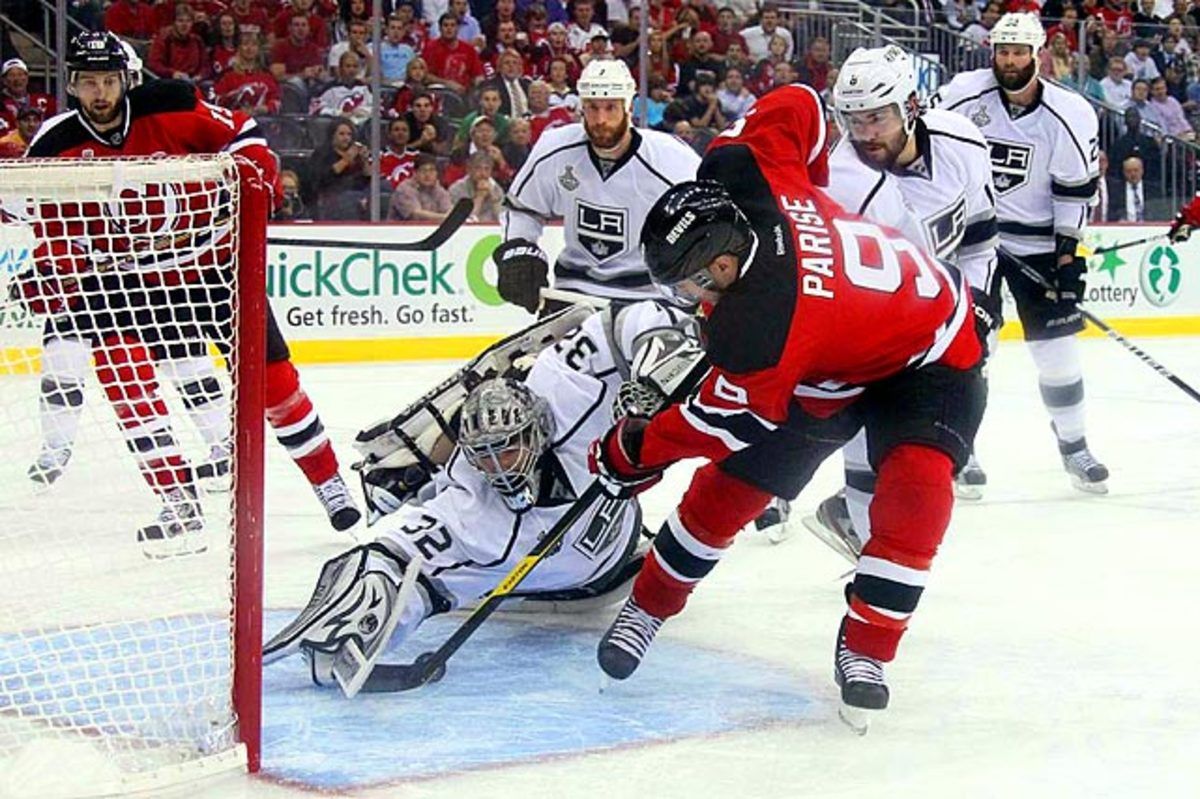
After backing into the playoffs with two losses to end the regular season, the Kings became the first eighth-seeded team to knock off a one (Canucks), two (Blues) and three (Coyotes) en route to the Stanley Cup Final and then win the chalice. Meanwhile, in the Eastern Conference, the sixth-seeded New Jersey Devils became surprise finalists by upsetting the favored Flyers (5) in the second round and Rangers (1) in the third. Here's a look back at how some of the NHL's other dark horse playoff teams have fared in their quest for the Cup.
2009-10 Philadelphia Flyers
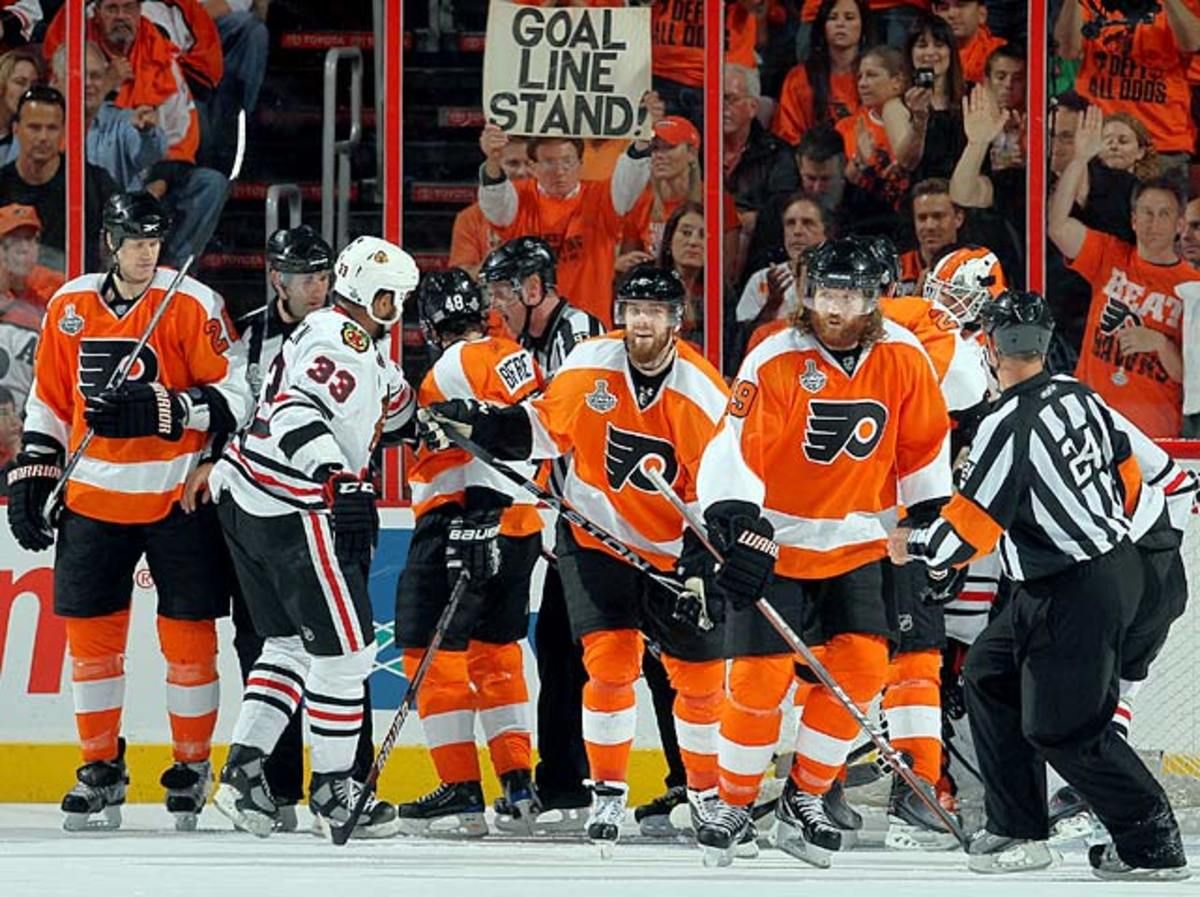
Spurred by a midseason coaching change from John Stevens to Peter Laviolette, the seventh-seeded Flyers, who finished behind New Jersey and Pittsburgh in the Atlantic Division, reached the Cup final by beating the Devils (2) in five games, the Bruins (6) in seven -- becoming only the third NHL team to ever come back from an 0-3 deficit -- and the Canadiens (8) in five. Philly got surprisingly good goaltending from a pair of journeymen -- Brian Boucher and Michael Leighton -- but the magic wore off in the Cup final vs. Chicago, with the Blackhawks winning in six.
2005-06 Edmonton Oilers
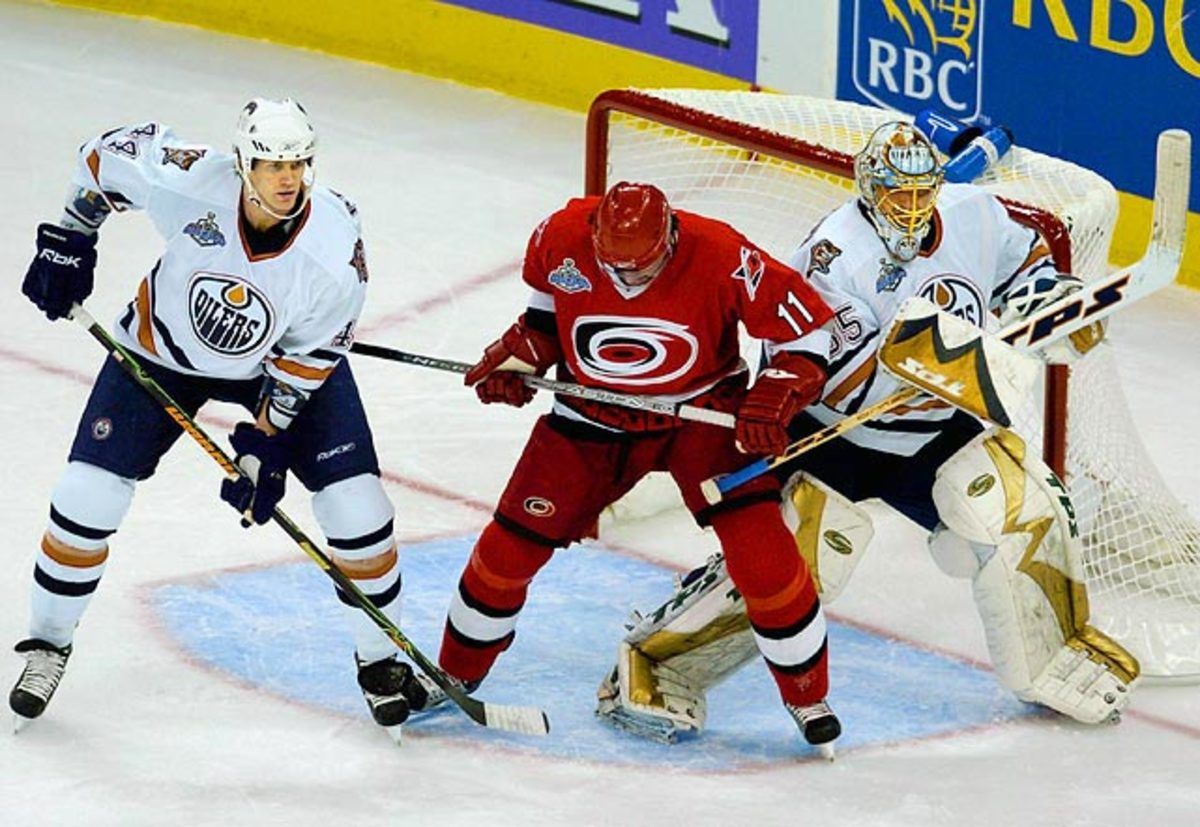
Riding the hot goaltending of Dwayne Roloson, who was acquired from Minnesota for a first- and a second-round draft pick at the March trade deadline, the eighth-seeded Oilers (41-28-13) upset the top-seeded Red Wings in six games, the Sharks (5) in six, and the Ducks (6) in five. In the final against Carolina, the East's second seed, the Oilers put up a mighty fight, extending the series to seven games after Roloson was injured in Game One and replaced by Jussi Markkanen the rest of the way. Of note: both teams had missed the playoffs the previous season (2003-04; the 2004-05 season was cancelled due to the lockout) and they failed to qualify in 2006-07.
2003-04 Calgary Flames
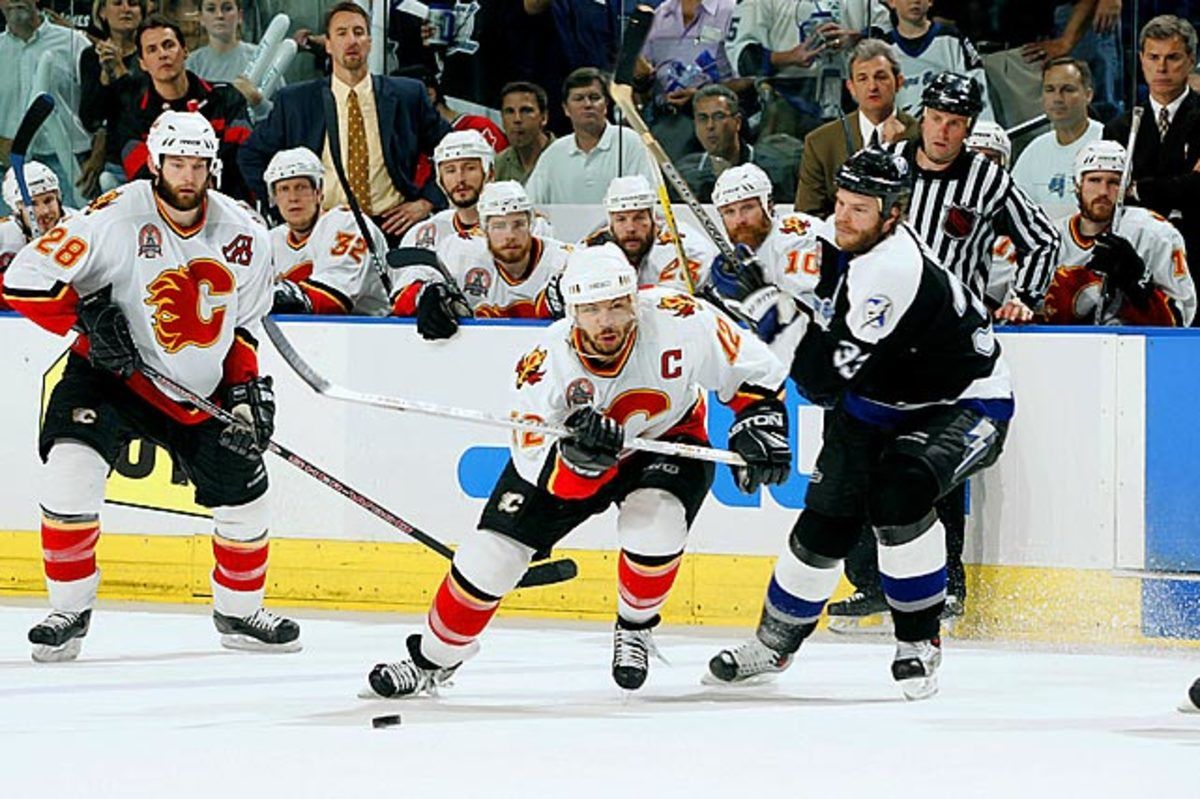
Jarome Iginla and the sixth-seeded Flames (42-30-7-3) came out of West after going the distance with the Canucks (3), beating the top-seeded defending Cup champion Red Wings in six, and dispatching the Sharks (2) in six. In the final, Calgary grabbed a three-games-to-two lead on Tampa Bay, the East's top seed, but lost Game 6 in double overtime when Martin St. Louis beat Flames netminder Miikka Kiprusoff. Game 7 was a 2-1 nailbiter won by the Lightning on a pair of Ruslan Fedotenko goals.
2002-03 Mighty Ducks of Anaheim
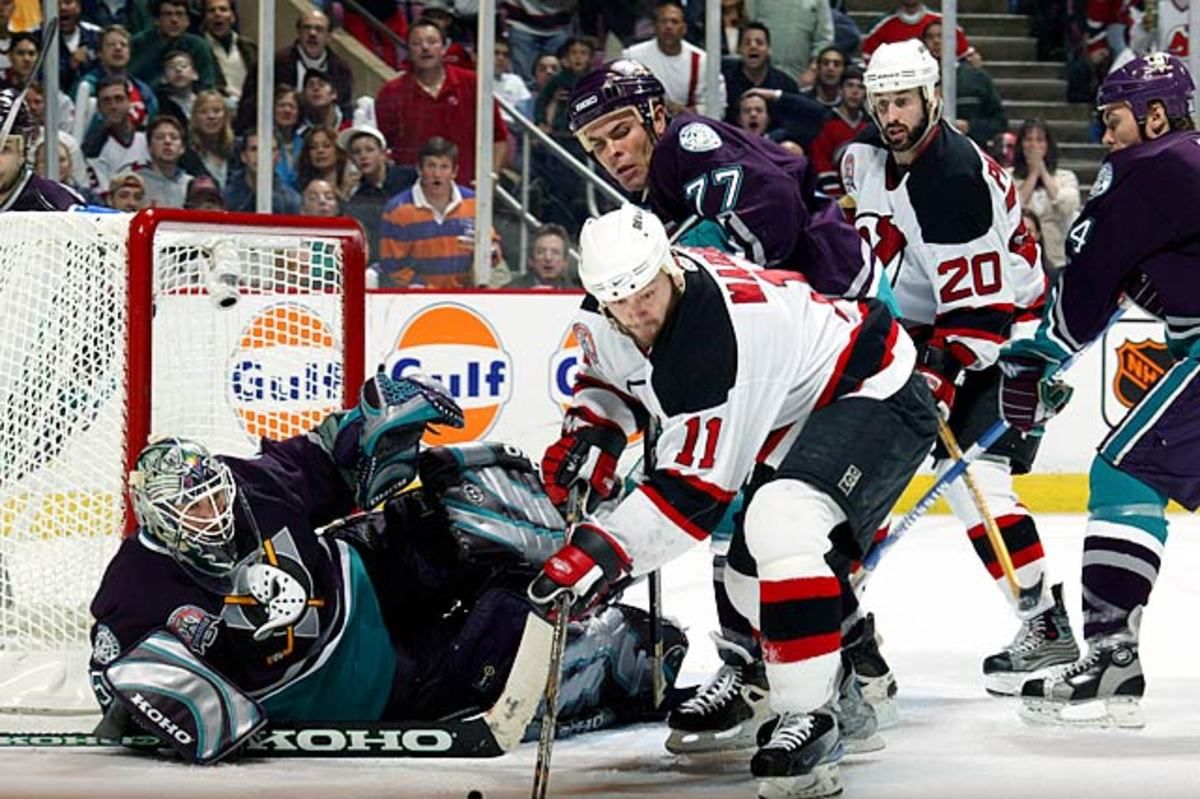
Jean-Sebastien Giguere earned Conn Smythe honors for his stellar goaltending that carried the seventh-seeded Mighty Ducks (40-27-9-6) to the franchise's first Stanley Cup Final appearance. In the first round, they swept second-seeded Detroit in a series that included two triple-overtime thrillers. Then they opened their second-round match-up with top-seeded Dallas by winning a 5-OT marathon, 5-4. After eliminating the Stars in six, the Ducks swept the upstart Wild (6), who were making their first-ever playoff appearance, with Giguere posting a pair of shutouts. The Cup final against the Devils (2) went seven, but New Jersey prevailed thanks to Martin Brodeur, who dumped three buckets of whitewash on the Ducks.
1998-99 Buffalo Sabres
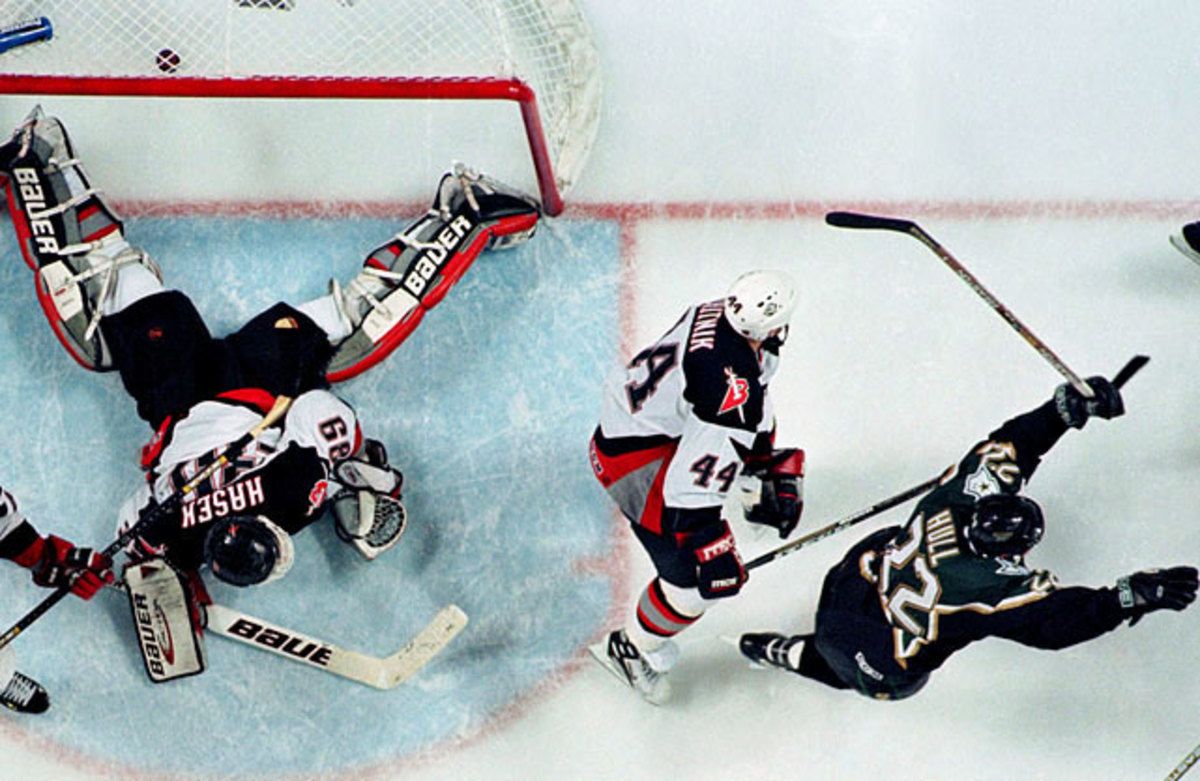
The seventh-seeded Sabres finished fourth in the Northeast Division at 37-28-17, but rode the goaltending of Dominik "The Dominator" Hasek past Ottawa (2) in a sweep, Boston (6) in six, and Toronto (4) in five. Alas, Buffalo's dream of capturing its first Stanley Cup was infamously crushed in Game 6 of the final when Brett Hull of the Presidents' Trophy-winning Stars scored his "foot-in-the-crease" goal at 14:51 of the third overtime, ending what was the second-longest game in championship series history.
1995 New Jersey Devils
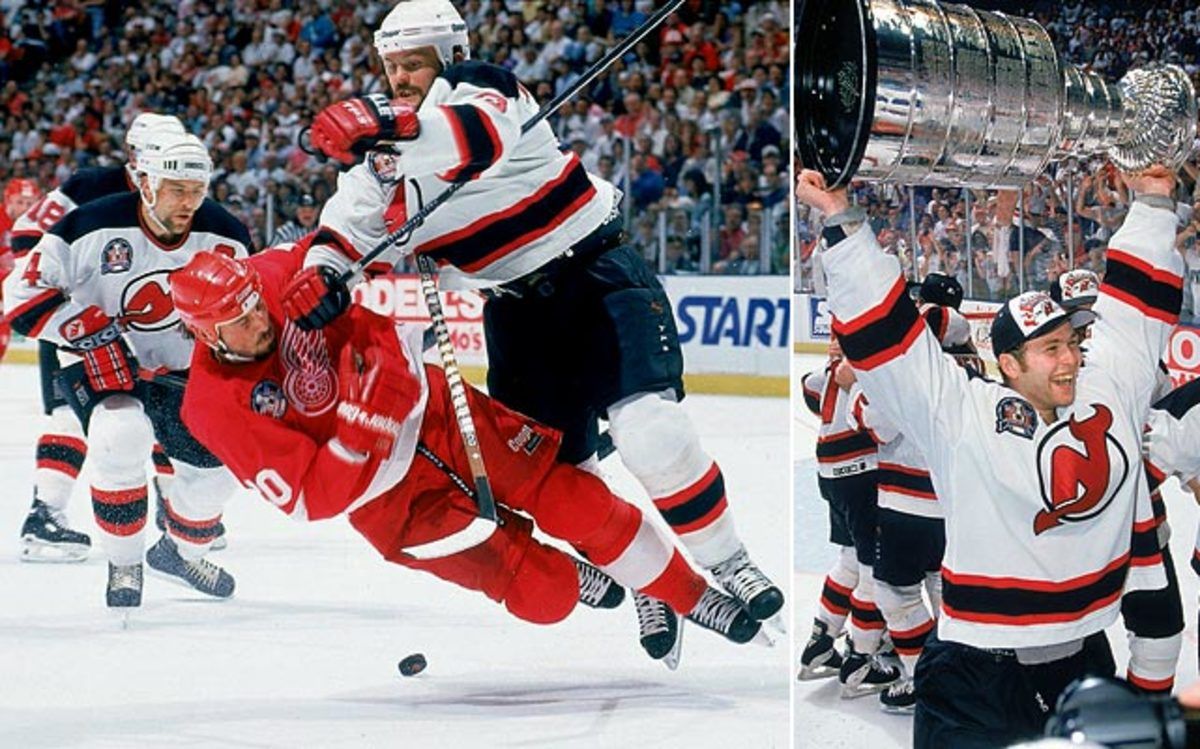
After a lockout-shortened regular season, the fifth-seeded Devils drove to the first of the franchise's three Stanley Cups by besting Boston (4) and then Pittsburgh (3) in five games each. In the Eastern Conference Final, they dispatched their rivals to the south, the Flyers, in six. Detroit, the West's top seed, awaited in the Cup final and was favored, but Martin Brodeur and the bruising Devils defense allowed them no more than two goals in any game en route to a sweep. Claude Lemieux won the Conn Smythe Trophy after scoring 13 playoff goals. He'd tallied only six during the regular campaign.
1993-94 Vancouver Canucks
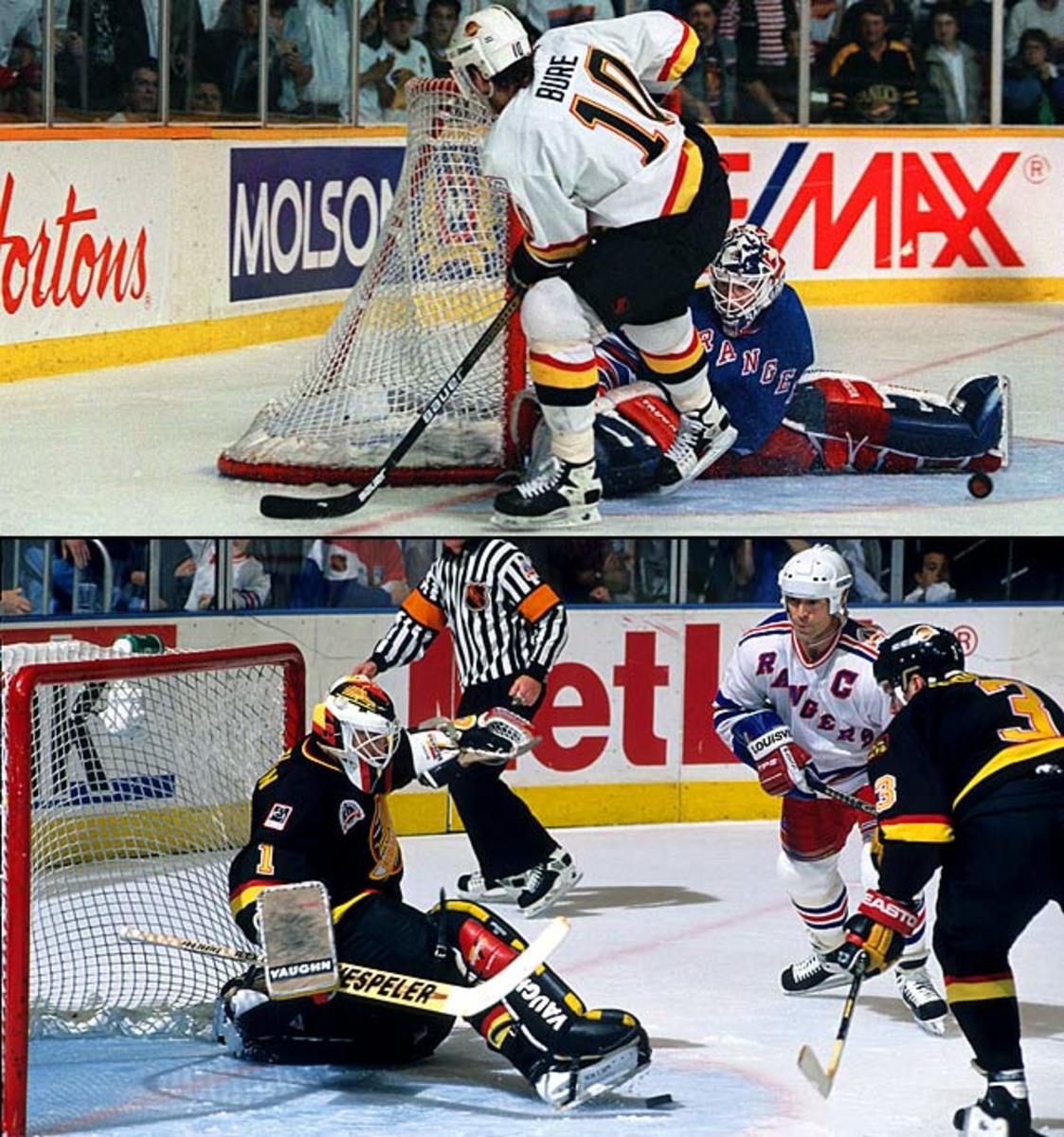
Rallying out of a three-games-to-one hole in their thrilling first round series vs. Calgary (2), the seventh-seeded Canucks won the last three matches in OT and then moved on take out Dallas (4) and Toronto (3) in five games apiece. Vancouver played valiantly in the final vs. the Rangers, the East's top seed, who were on a romantic quest to end their 54-year Cup drought. The series went seven before New York held on to win the clincher, 3-2.
1990-91 Minnesota North Stars
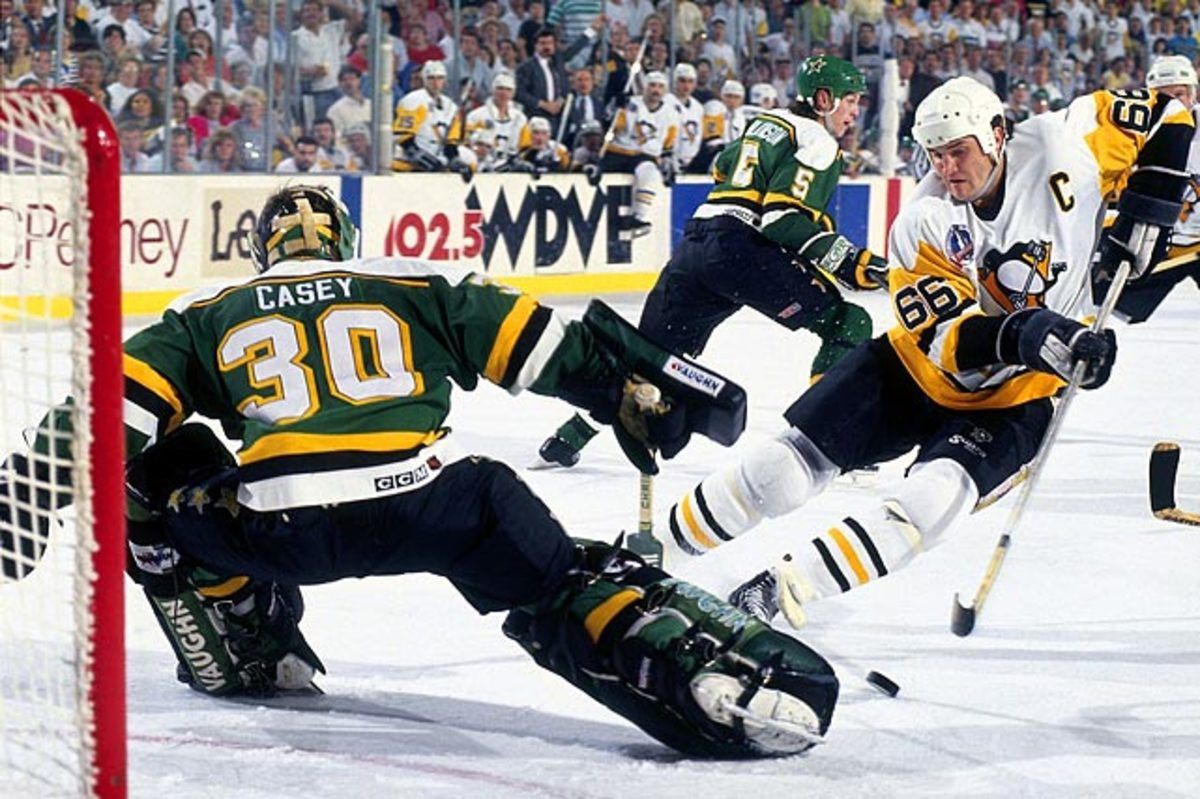
Minnesota owned an unsightly 27-39-14 regular season mark -- among Cambell Conference qualifiers, it was better than only Vancouver's 28-43-9 -- but the North Stars were able to battle their way out of the old Norris Division by upsetting Chicago (first overall in the conference) and St. Louis (second). Edmonton (fifth) fell in five and Mario Lemieux and the Penguins, the Wales Conference's third-best team, were up next in the battle for the silverware. Mike Modano, Neal Broten, Jon Casey and company proved a surprisingly tough out, taking a two-games-to-one lead and extending the Pens to six games before falling.
1981-82 Vancouver Canucks
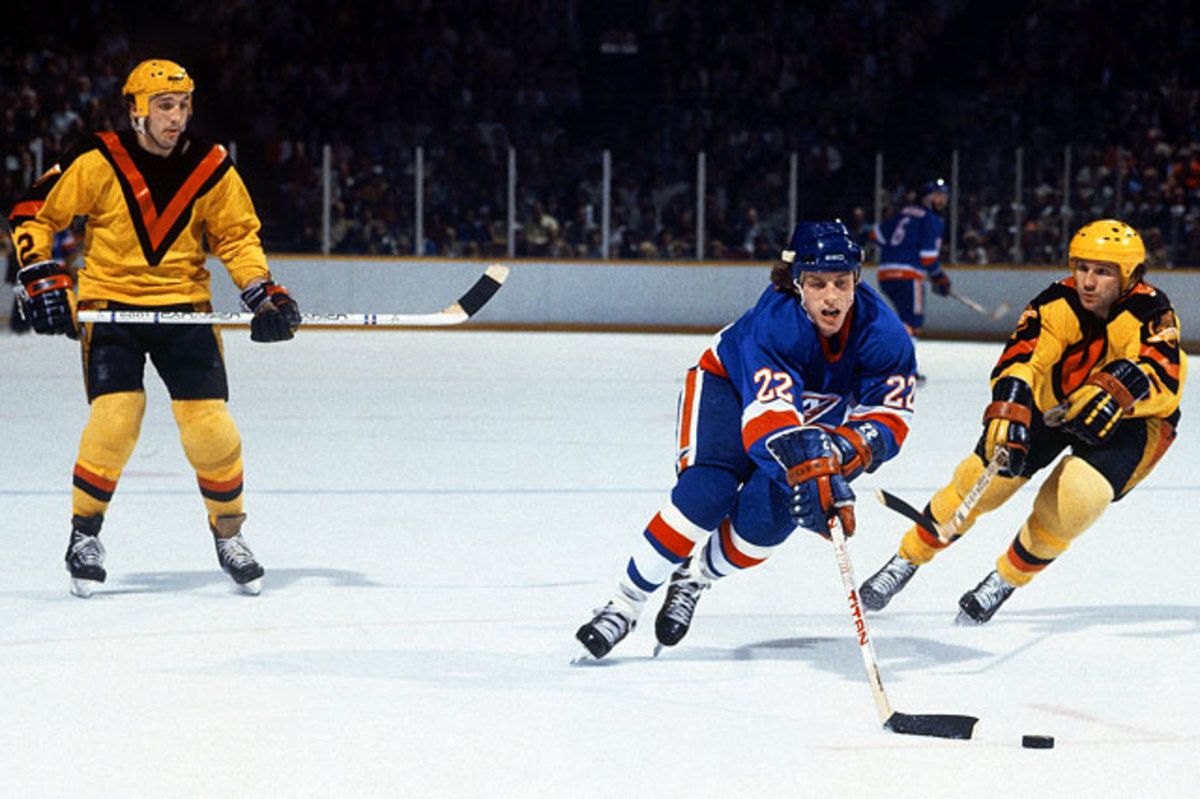
Not since the 1922 Millionaires had a team from Vancouver played for the old silver bowl, but Tiger Williams, Stan Smyl, Harold Snepsts, and goalie King Richard Brodeur and the rest of the Canucks managed the trek after a desultory 30-33-17 regular season that still gave them the fourth-best mark in the Campbell Conference. They swept Calgary (5) in their three-game opening series, then made quick work of Los Angeles (8) and Chicago (7) in five games each. Then came the two-time defending Cup champion Islanders bearing brooms. After giving the Isles a tussle in Game One, won by New York 6-5 in OT, the Canucks were toast.
1967-68 St. Louis Blues
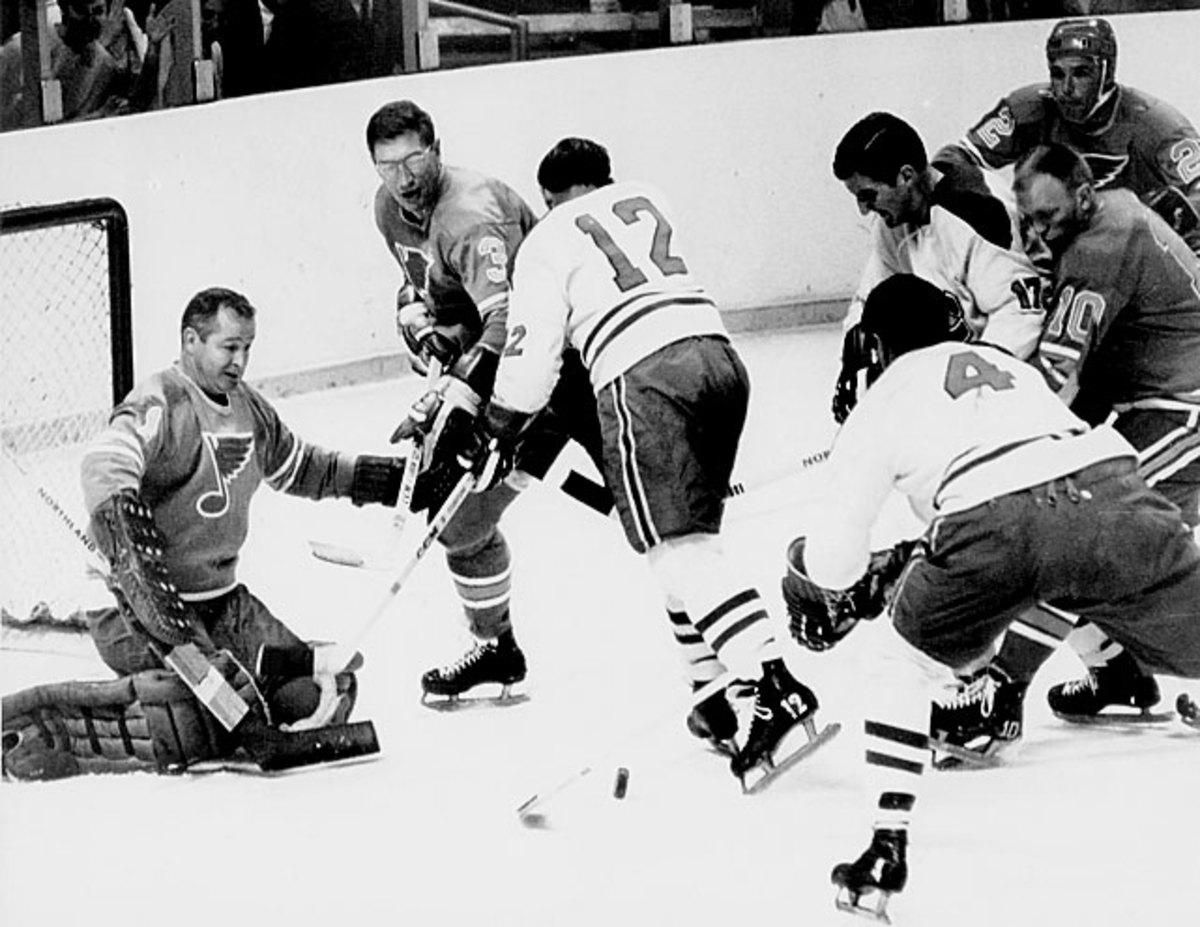
For the NHL's first season after expansion, the six new teams were grouped in the dubiously named West Division (it included such far-west outposts as Philadelphia and Pittsburgh). The veteran-laden Blues (their roster included such future Hall of Famers as Dickie Moore and Doug Harvey) finished third at 27-31-16 but rode the superb netminding of all-time great Glenn Hall to the first of the franchise's three successive Cup final appearances. After a seven-game first-round upset of the division-winning Flyers, the Blues went the distance against the North Stars before earning a date with the dynastic Canadiens, who gave coach Toe Blake his eighth Cup in 13 seasons at their helm. Hall, however, went home with the Conn Smythe Trophy.
1948-49 Toronto Maple Leafs
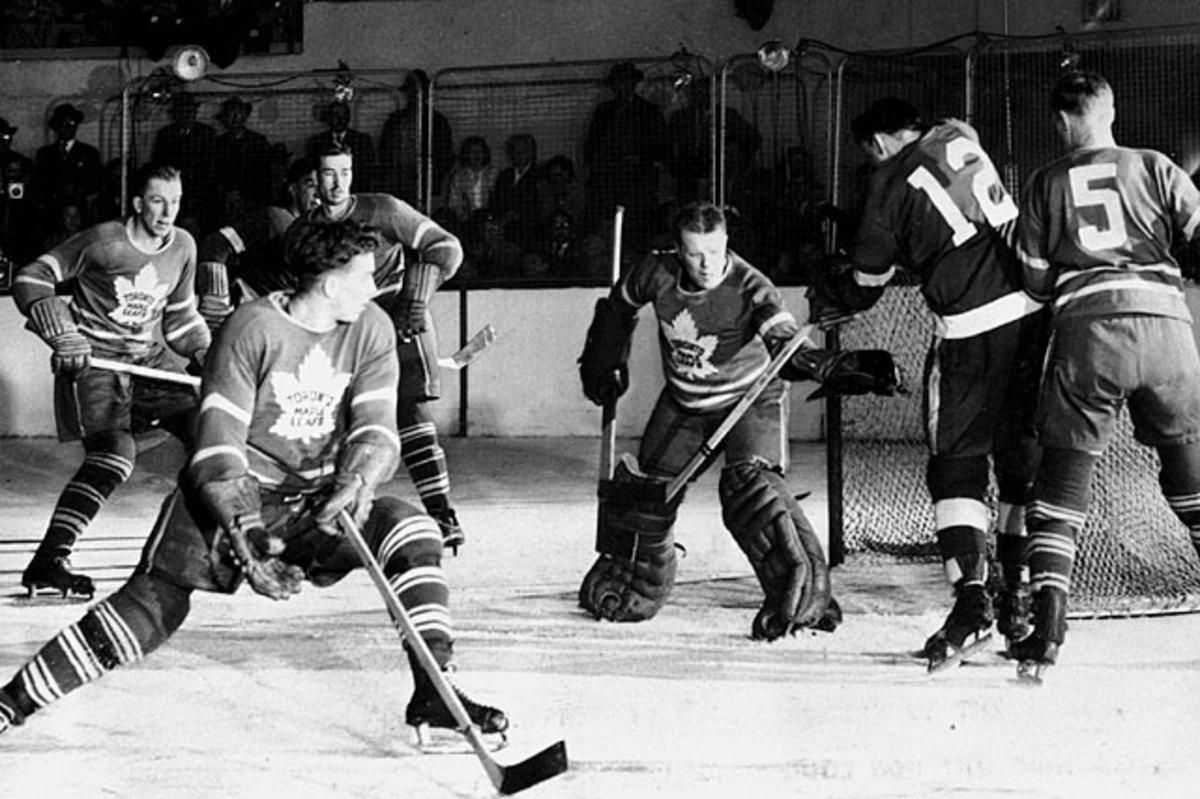
It's hard to call a two-time defending Cup champion a dark horse, but the Leafs finished the regular season at 22-25-13, the worst record among the Original Six's four playoff qualifiers. Coach Hap Day's boys turned it on in the postseason, though, dusting Boston (second) in five and then sweeping Detroit (first) while setting a record of nine consecutive finals wins that dated back to 1947.
1937-38 Chicago Blackhawks
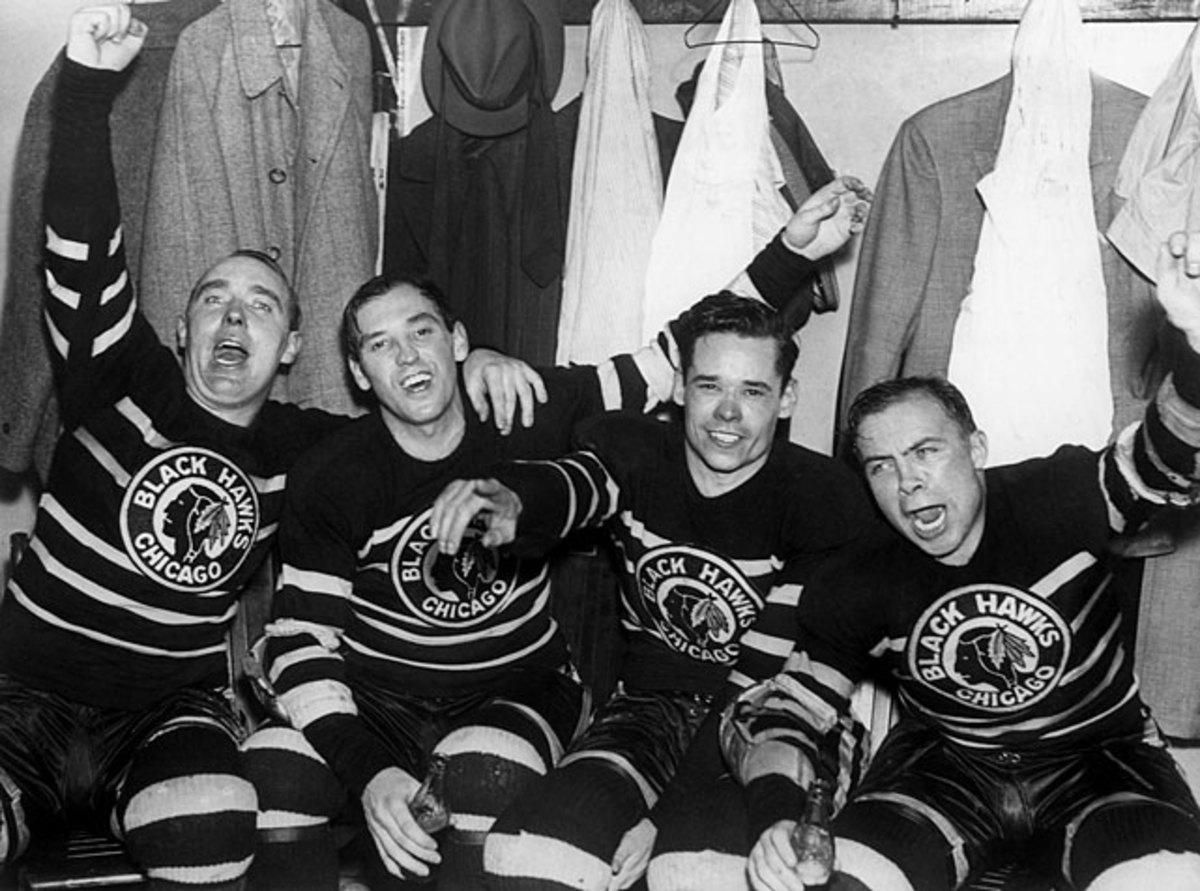
The underwhelming 14-25-9 Blackhawks were the American Division's third and final qualifier. After rallying to beat the favored Canadiens in a best-of-three first round, they reached the final by eliminating the New York Americans, two games to one. Before taking on Toronto in the best-of-five final, starting goalie Mike Karakas was lost to a broken toe. Chicago signed Alfie Moore, who won the opener, but he was then ruled ineligible by NHL President Frank Calder. Minor leaguer Paul Goodman tried to hold the fort, but lost Game 2. Fortunately, Karakas was able to return wearing a steel-toed boot and the Hawks went on to become the first team to win the Stanley Cup after missing the playoffs the previous season. As defending champions, they would fail to qualify in 1938-39.
 Add us as a preferred source on Google