%20%20--%3E%0A%3Csvg%20version%3D%221.1%22%20id%3D%22Layer_1%22%20xmlns%3D%22http%3A%2F%2Fwww.w3.org%2F2000%2Fsvg%22%20xmlns%3Axlink%3D%22http%3A%2F%2Fwww.w3.org%2F1999%2Fxlink%22%20x%3D%220px%22%20y%3D%220px%22%0A%09%20width%3D%2239px%22%20height%3D%2240px%22%20viewBox%3D%220%200%2039%2040%22%20enable-background%3D%22new%200%200%2039%2040%22%20xml%3Aspace%3D%22preserve%22%3E%0A%3Cpath%20fill%3D%22%23FFFFFF%22%20d%3D%22M38.5%2C7H28.2v26h10.3V7z%22%2F%3E%0A%3Cpath%20fill-rule%3D%22evenodd%22%20clip-rule%3D%22evenodd%22%20fill%3D%22%23FFFFFF%22%20d%3D%22M26.1%2C25.5c0%2C5.8-4.1%2C7.5-12.9%2C7.5C3.9%2C33%2C0%2C31.2%2C0%2C25.2v-1.1h11.6%0A%09v2.4c0%2C0.7%2C0.1%2C1.4%2C1.2%2C1.4c1%2C0%2C1.2-0.4%2C1.2-1.3v-0.9c0-1.6-0.9-1.6-3.5-2.2C2.2%2C21.7%2C0%2C19.7%2C0%2C15.3v-0.9C0%2C9.3%2C5.5%2C7%2C12.9%2C7%0A%09c10.2%2C0%2C12.8%2C2.6%2C12.8%2C7.4v1.8h-11v-2.9c0-0.6-0.4-1.1-1.2-1.1c-0.6%2C0-1.2%2C0.4-1.2%2C1.1v0.9c0%2C1.5%2C0.9%2C2%2C3.3%2C2.5%0A%09c8%2C1.6%2C10.5%2C3.3%2C10.5%2C7.5V25.5z%22%2F%3E%0A%3C%2Fsvg%3E%0A)
Bob Suter, member of Miracle on Ice team, passes away at 57

It's been a tough day for fans of international hockey. First came word of the passing of Seth Martin, a four-time top goaltender at the World Championships and the backstop of Canada's 1961 title team.
Now, we've learned that Bob Suter, a member of the “Miracle On Ice” team and the father of Wild defenseman Ryan Suter, died on Tuesday after apparently suffering a heart attack. The 57-year-old Suter is the first member of the 1980 U.S. Olympic hockey team to pass away.
Suter was a hard-rock defenseman at the Lake Placid Games for the underdog American squad, which stunned the world by upsetting the heavily favored Soviet team in the semifinals and then went on to defeat Finland to clinch an unlikely gold medal.
Report: Arrests made in death of enforcer Derek Boogaard
Years later, Suter spoke of one of the perks of that victory: "From up in Lake Placid, they flew us down on one of the Air Force One planes,” he told The Tennessean. “We got royal treatment from the beginning, and then we met [President Carter] and had pictures and then we had a dinner.
“Going [to the White House was] one of the great moments [of my life]. It’s known all over the world, and to go visit it and see the history, it’s a great feeling.”
The 1980 Olympic tournament was the apex of Suter's career, as it was for so many of his teammates. He never played in the NHL, though he was drafted by both the Kings and the WHA's Birmingham Bulls. He rejected overtures from L.A. in the wake of his Olympic success and sat out a year before signing as a free agent with the Minnesota North Stars. He was cut in training camp and spent the entire season in the minors. Disillusioned, he retired in ’82 without playing a single game in the NHL. He returned to his home in Madison, Wisc., where he opened a sporting goods store and coached youth sports.
The NHL wasn't done with the Suter family, though. Bob's brother Gary spent 16 years in the league, winning the Calder Trophy in 1986 and the Stanley Cup three years later with the Flames. His son Ryan has established himself as one of the top defenseman in the game, following in his father's footsteps by playing for Team USA at the Olympics in 2010 and ’14.
Suter had hoped to watch his son play at the Winter Olympics in Sochi earlier this year, but concerns about security kept him home in Wisconsin.
"Everything is security, security. You know, it's just too bad that it takes away from the athletics and the sports and stuff," he told CBS News."It just makes it maybe not as fun that you have to worry nowadays." Suter added that it would have been nice to see some of his old opponents from the 1980 USSR team in Sochi, but that such a meeting would have to wait for another time. Sadly, that's a chance he never got.
Miracle on Ice
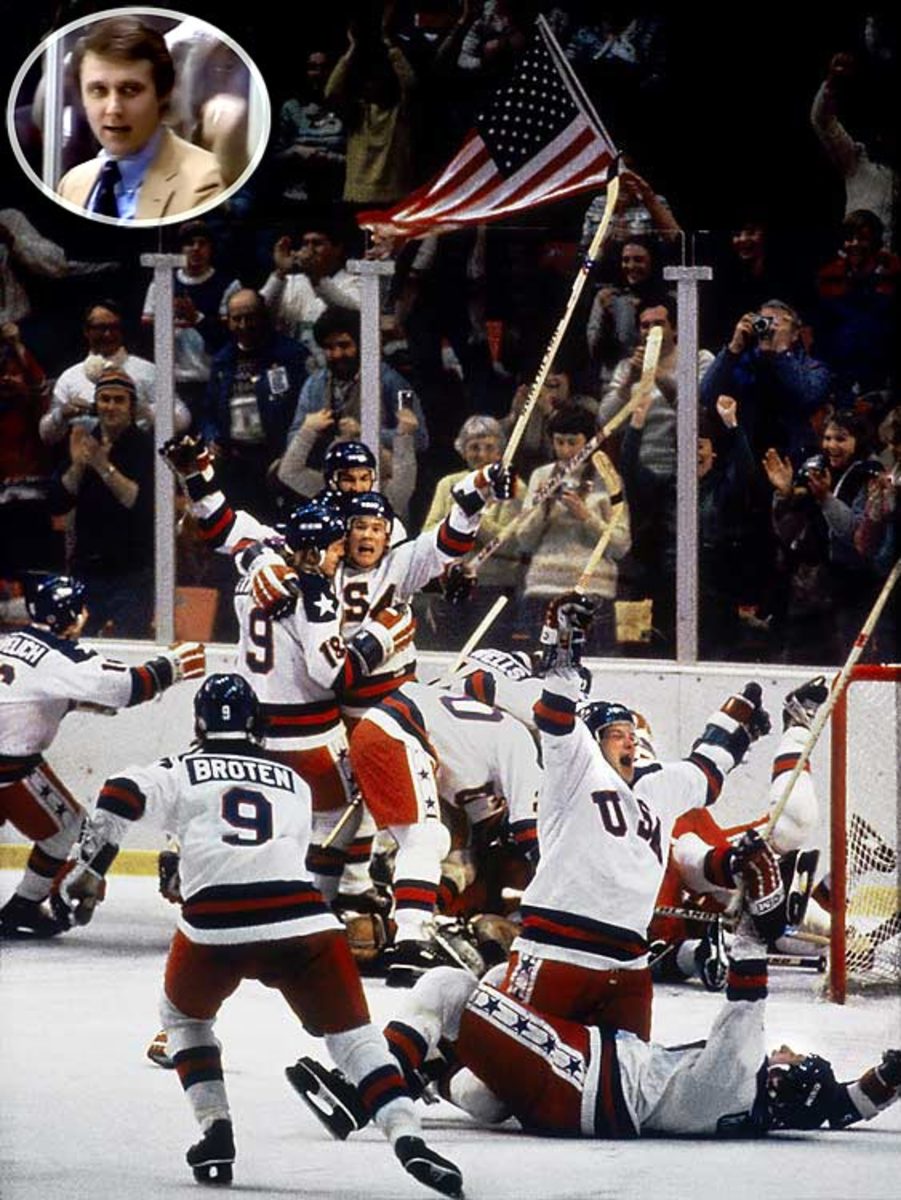
On February 22, 1980, the Miracle on Ice took place during a medal-round men's ice hockey game between the United States and Soviet Union at the Winter Olympics in Lake Placid.
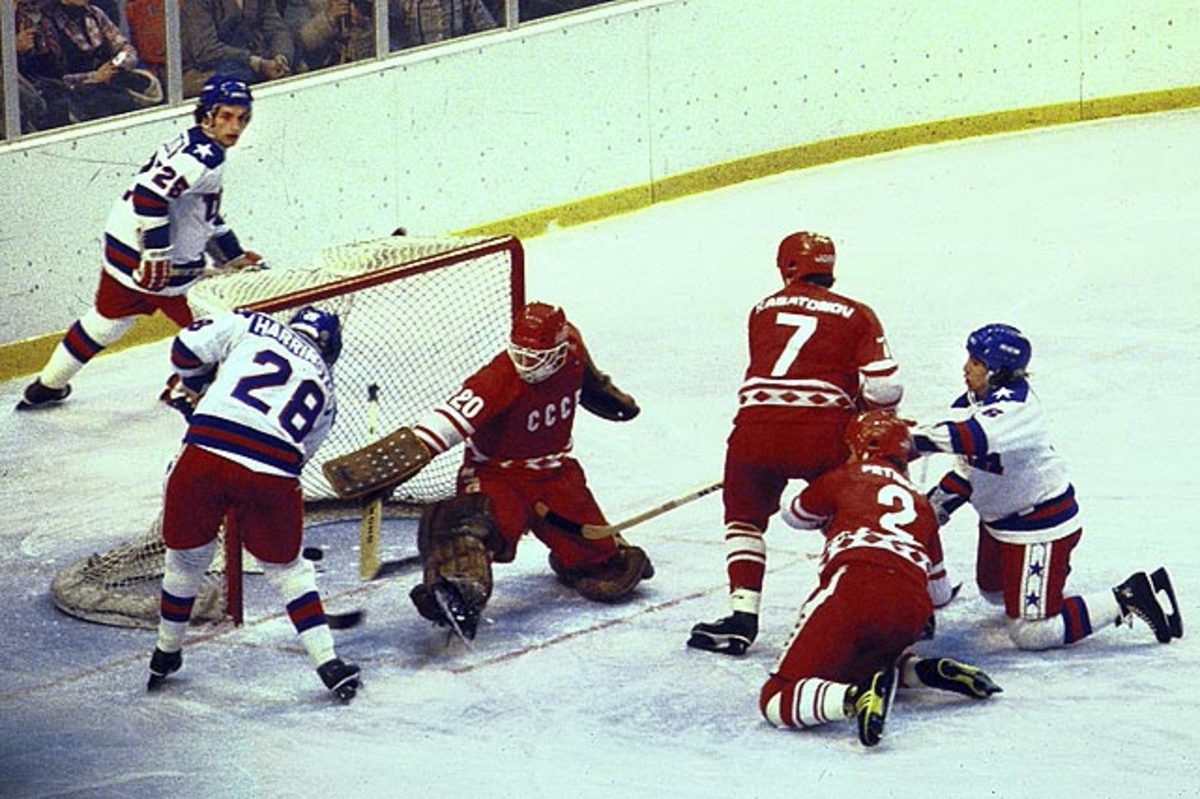
The young American team faced whom many considered to be the best hockey goaltender in the world at the time, Vladislav Tretiak.
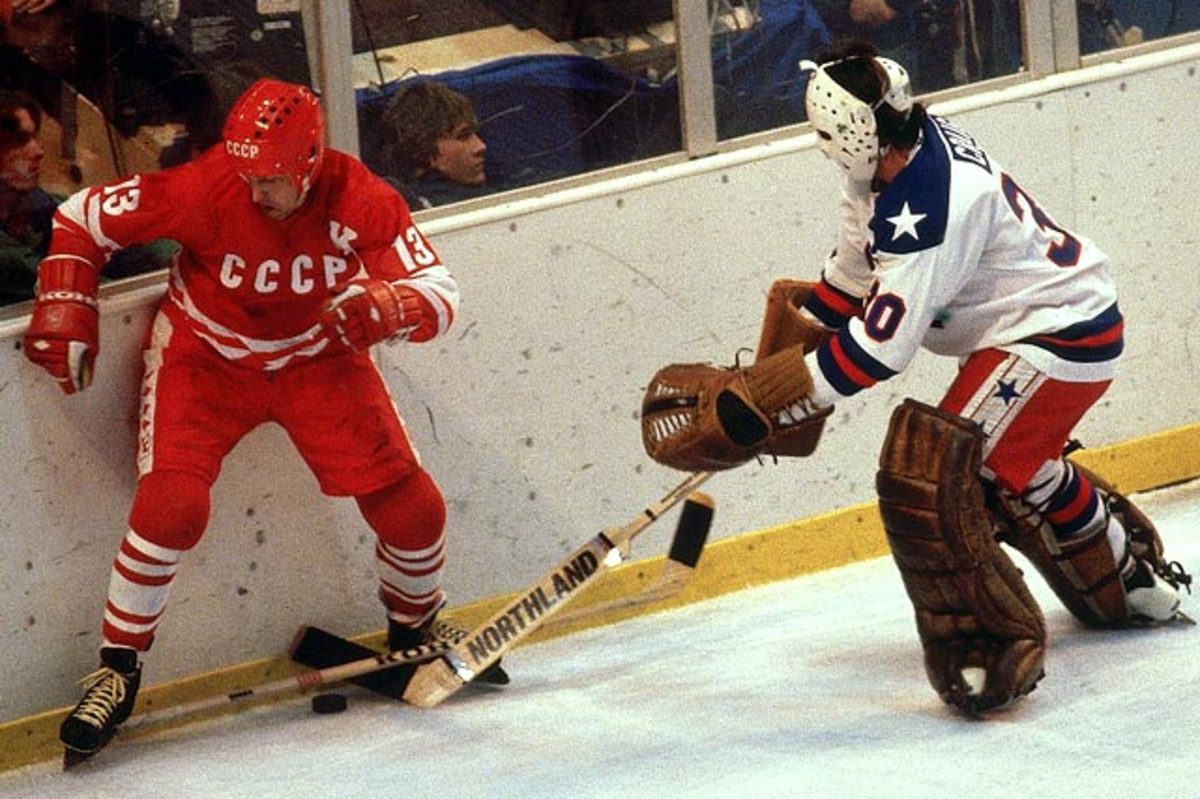
The Soviets were captained by legendary winger Boris Mikhailov, whom Herb Brooks told his players resembled Stan Laurel of the comedy team Laurel and Hardy, in the hopes of removing any fear of facing him.
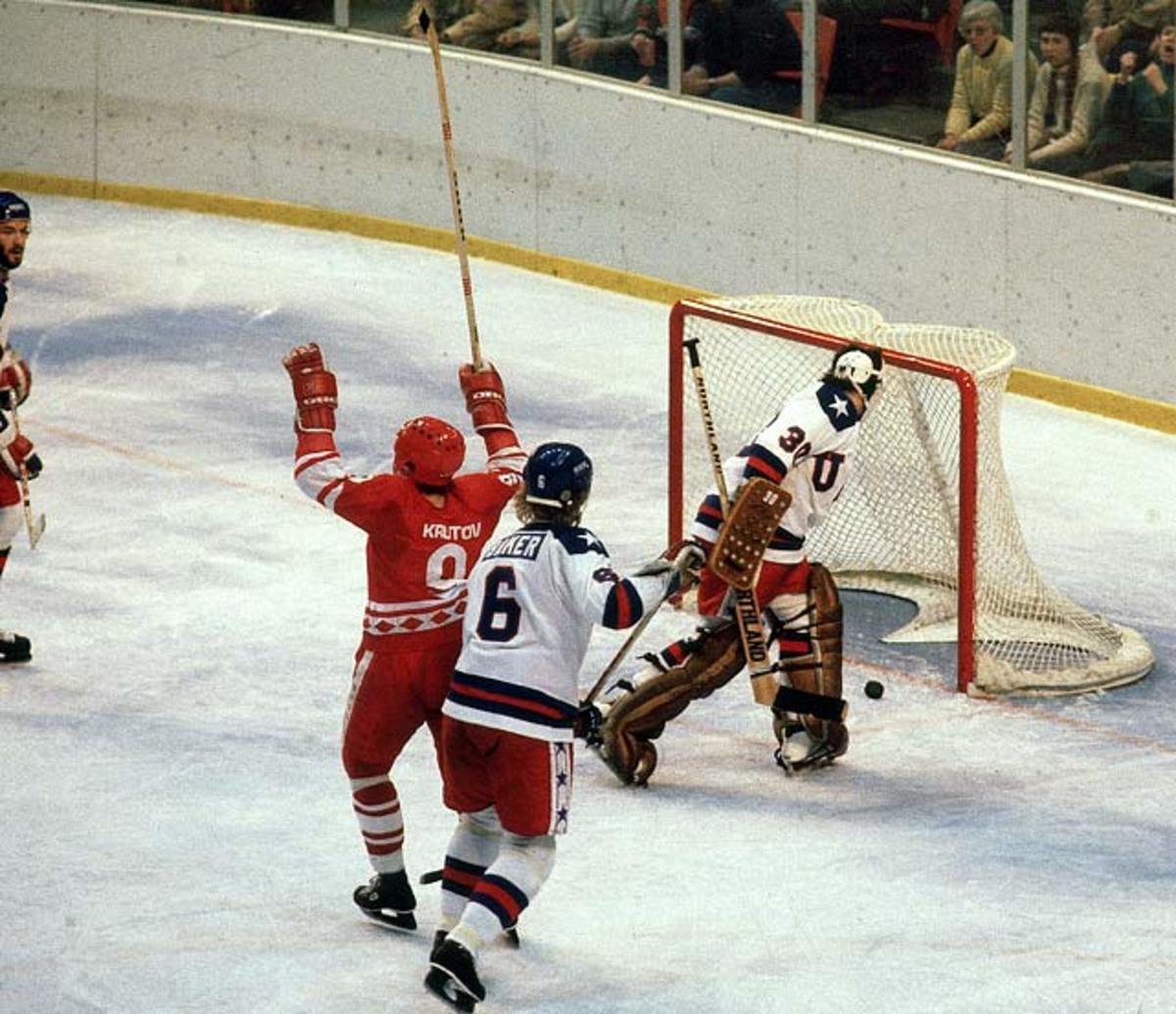
Vladimir Krutov deflected a slap shot by Aleksei Kasatonov past U.S. netminder Jim Craig to give the Soviets a 1-0 lead halfway through the first period.
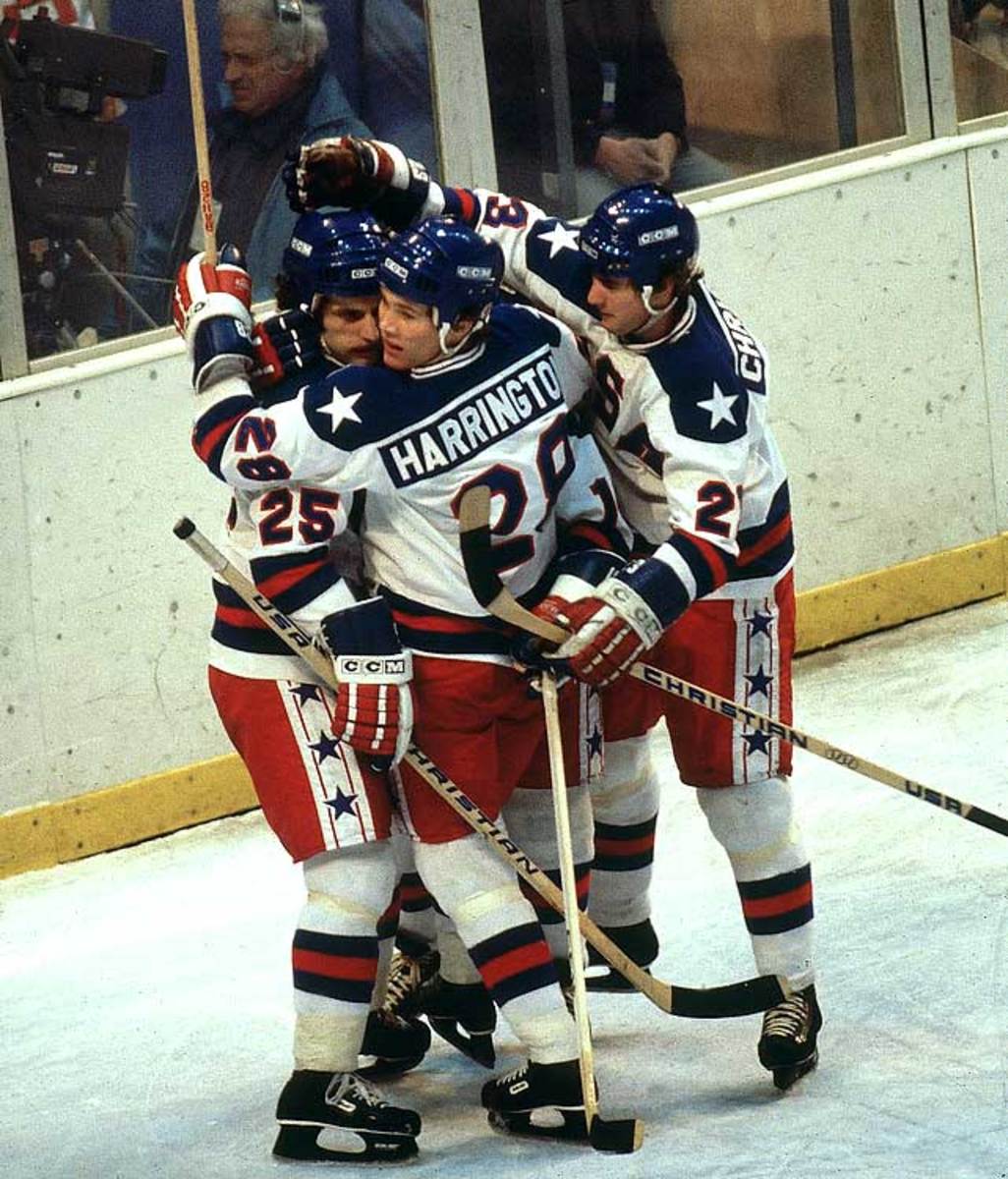
Buzz Schneider (left) scored for the United States to tie the game less than five minutes later.
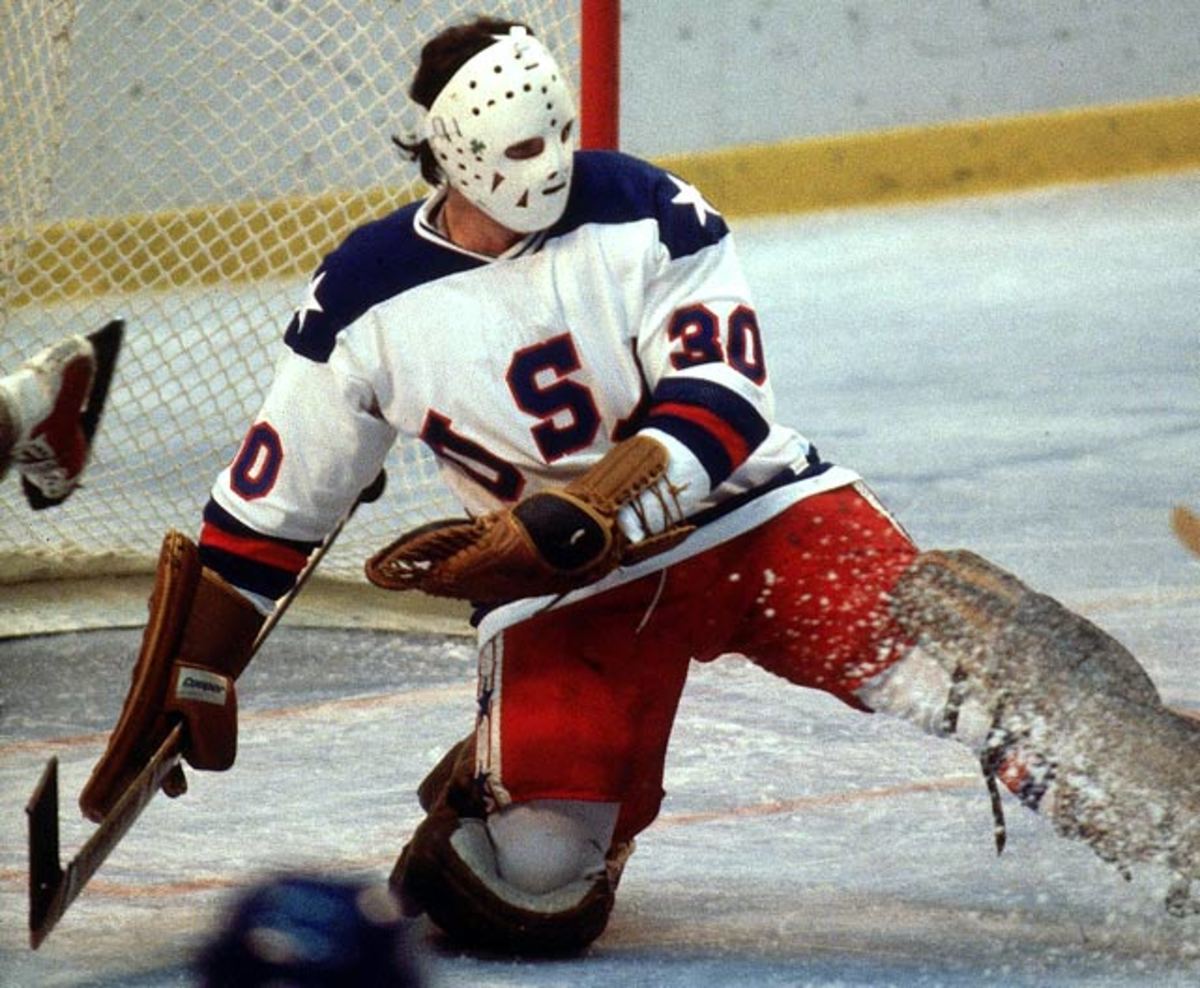
After the Soviets regained the lead 2-1 on a goal by Sergei Makarov, U.S. goalie Jim Craig stepped up his play between the pipes. Craig faced 18 shots in the first period alone.
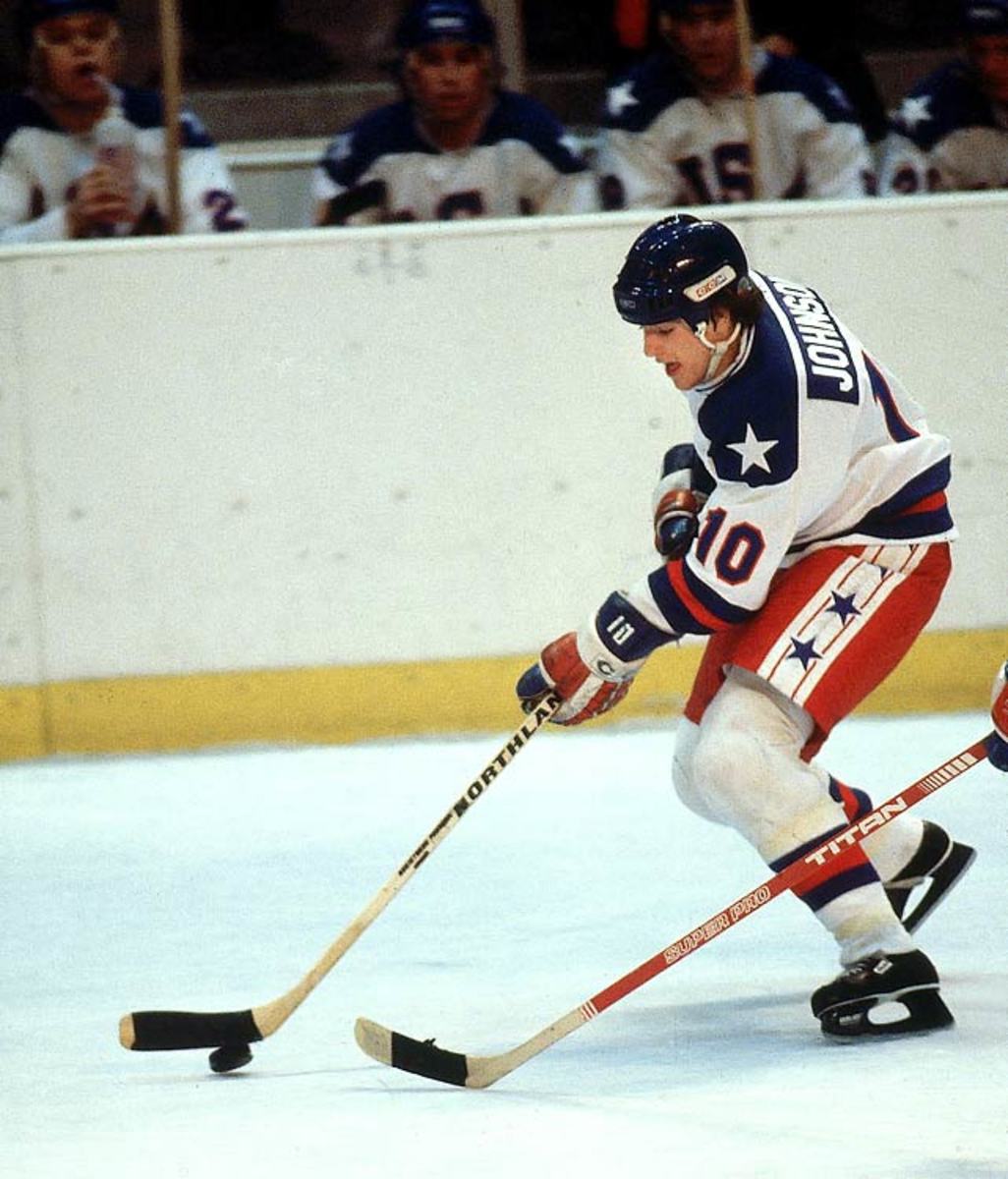
In the final seconds of the first period, Dave Christian fired a slap shot on Soviet goalie Vladislav Tretiak from 100 feet away. Tretiak saved the shot but misplayed the rebound, which was picked up by Mark Johnson who scored his first of two goals in the game.
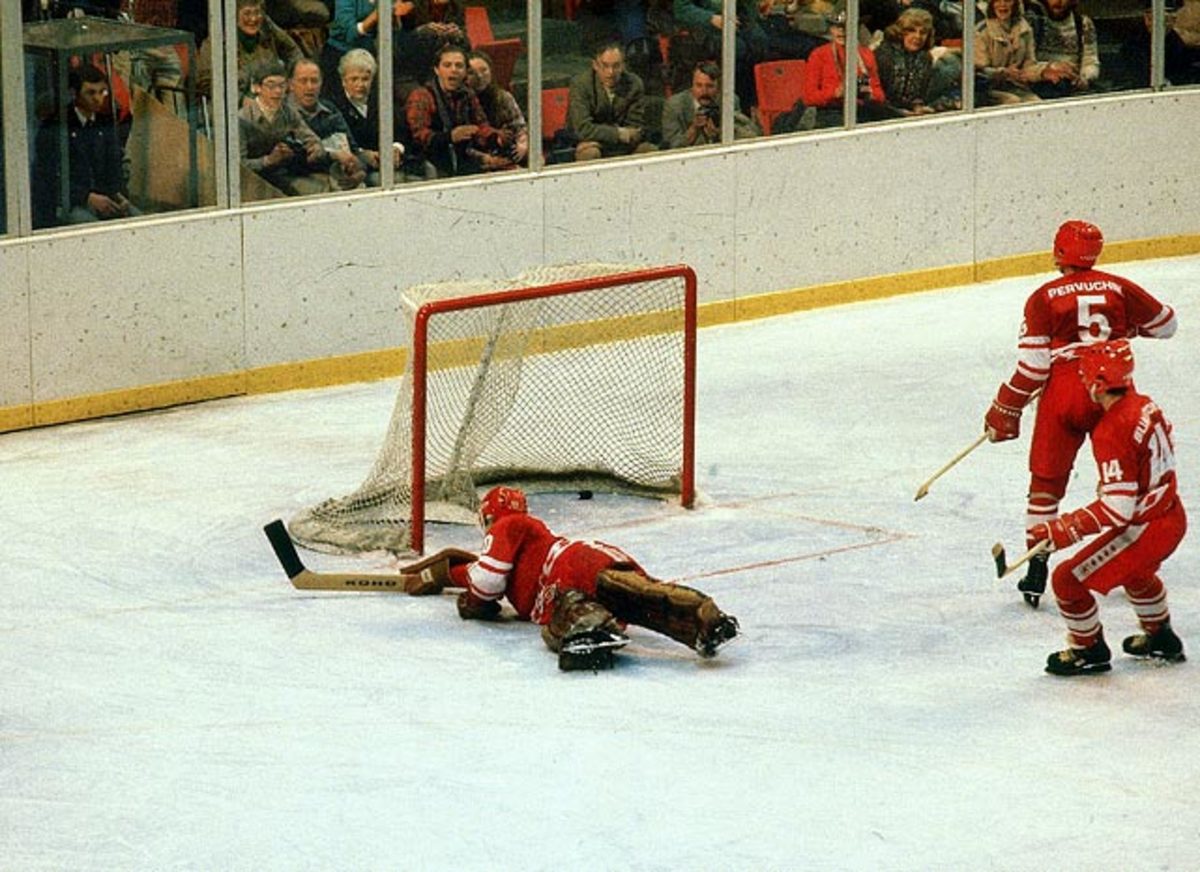
Soviet defensemen Vasilij Pervuchin and Zinetula Biljaletdinov hadn't noticed Mark Johnson move in for the rebound as they watched the clock tick off the last few seconds. Johnson fired the puck past a diving Tretiak to tie the score 2-2 with one second left in the period. Soviet coach Viktor Tikhonov replaced Tretiak with backup goaltender Vladimir Myshkin for the start of the second period, a move which shocked players on both teams.
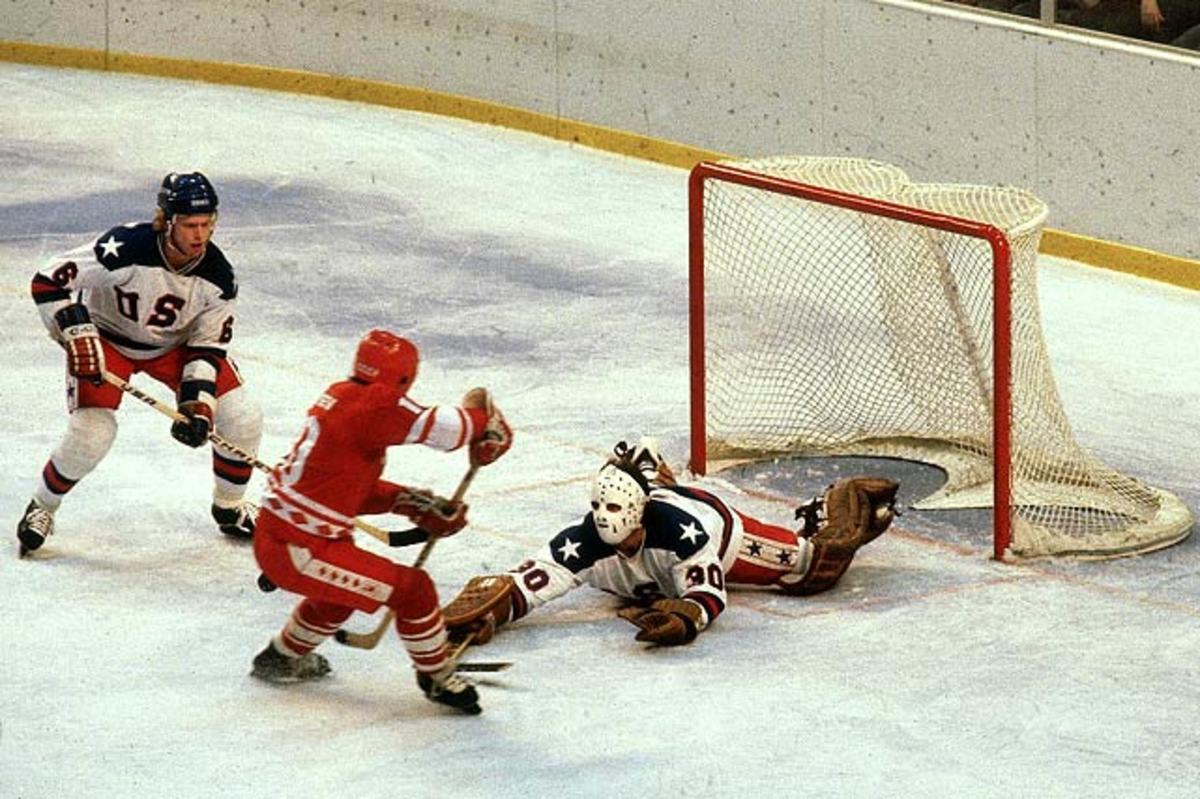
The Soviets dominated play in the second period, outshooting the Americans 12-2, but scored only once, on a power play goal by Aleksandr Maltsev.
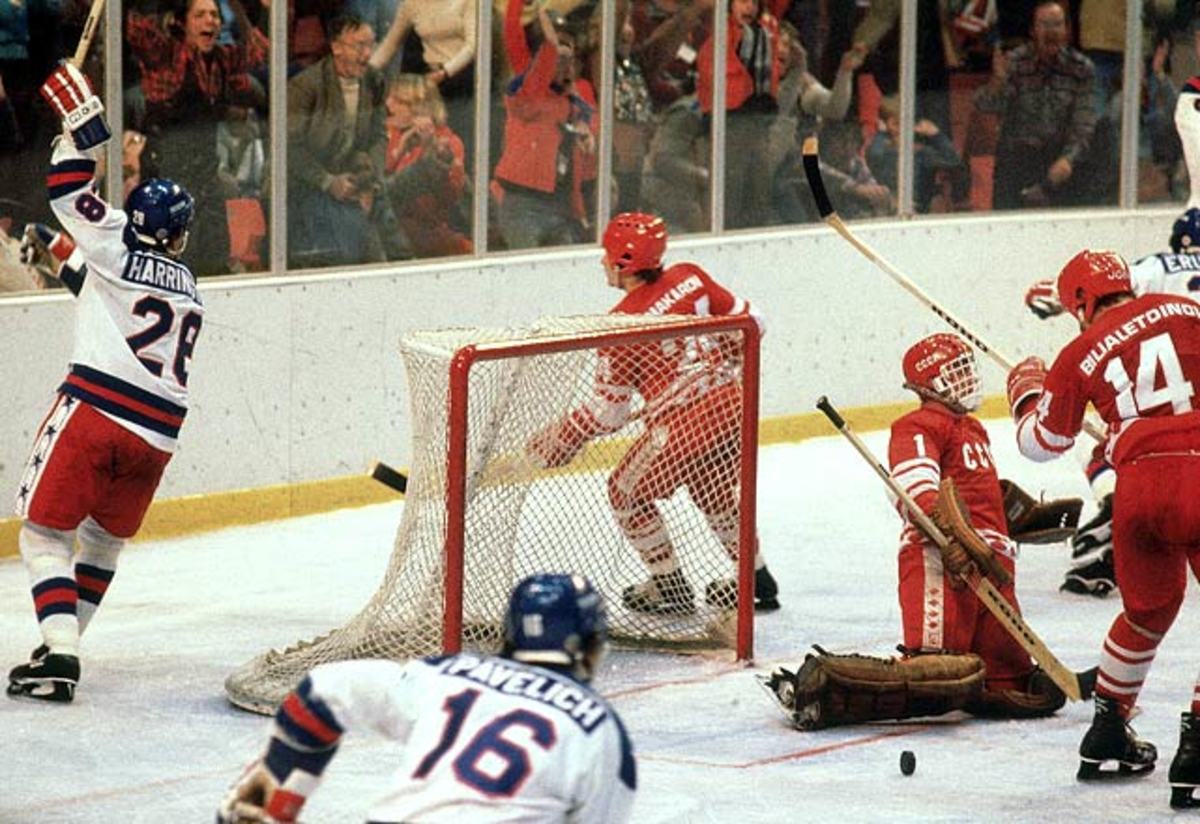
With the game tied 3-3 on a Mark Johnson power play goal, the U.S. struck again just 1:21 later, at the halfway point of the third period, on a shot by captain Mike Eurzione.
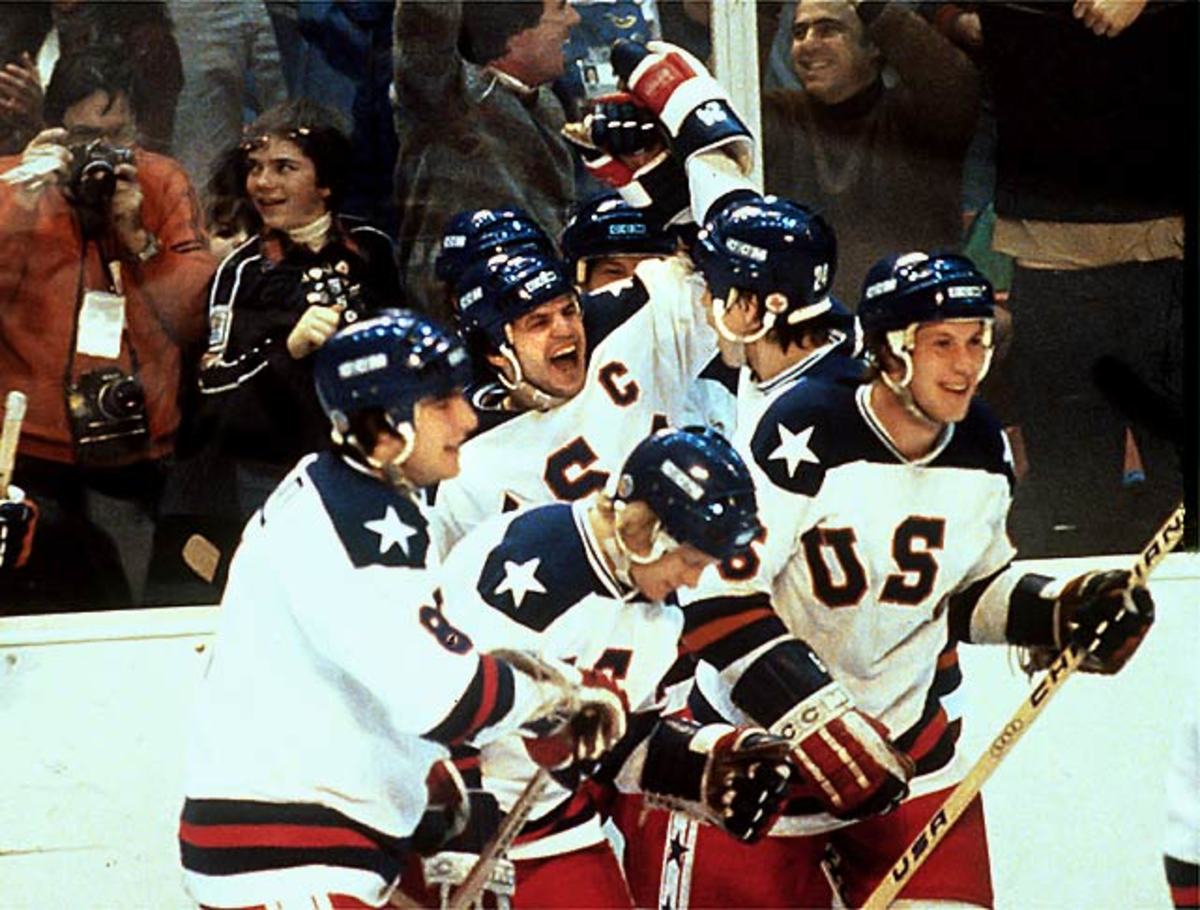
Eruzione, whose last name means eruption in Italian, gave the U.S. team it's first lead against the Soviets with exactly ten minutes left to play.
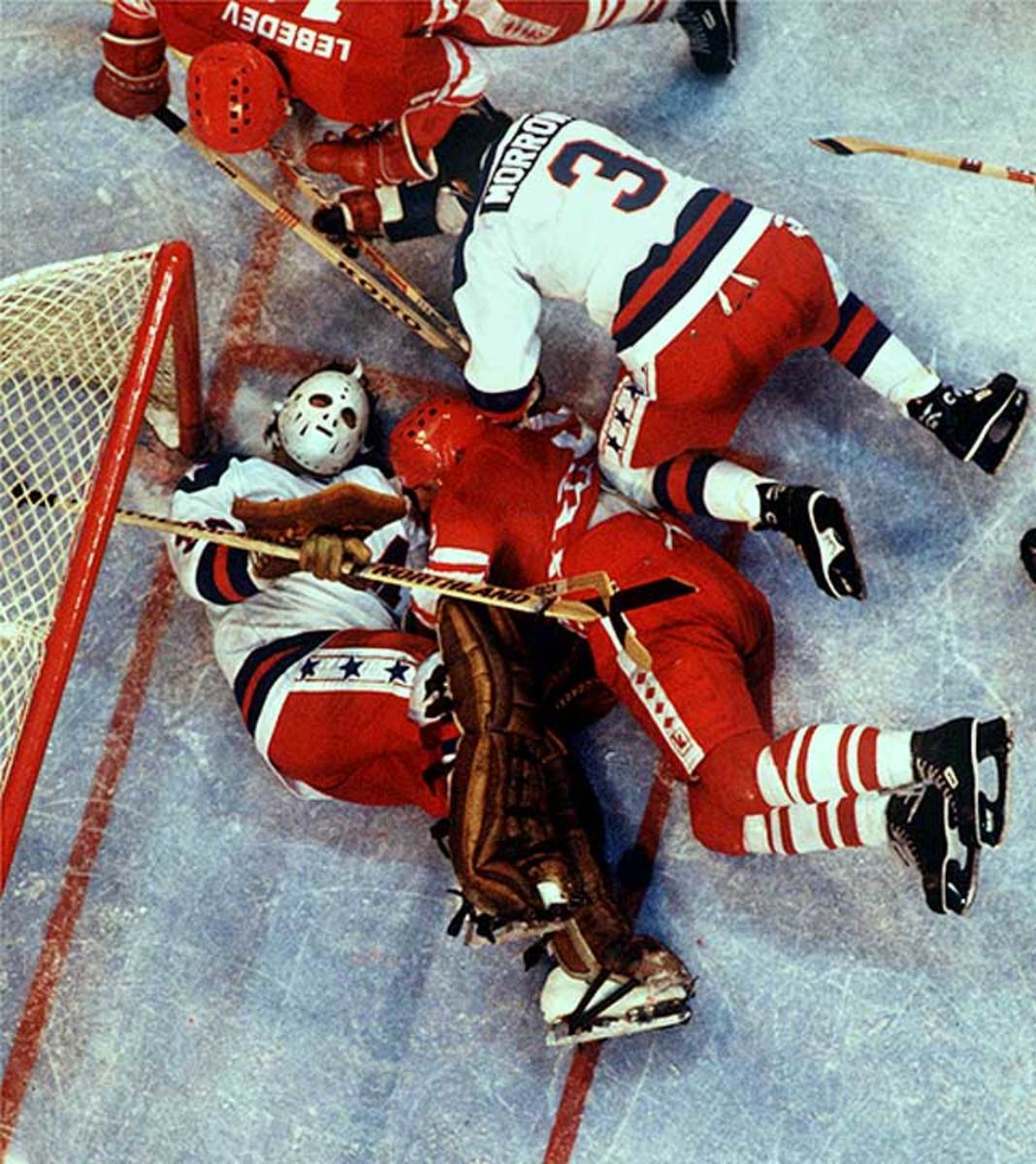
The Russians attacked furiously following Eruzione's goal, but Jim Craig held strong. In the end, Craig stopped 36 of 39 shots on goal as the U.S. defeated the Soviets 4-3.
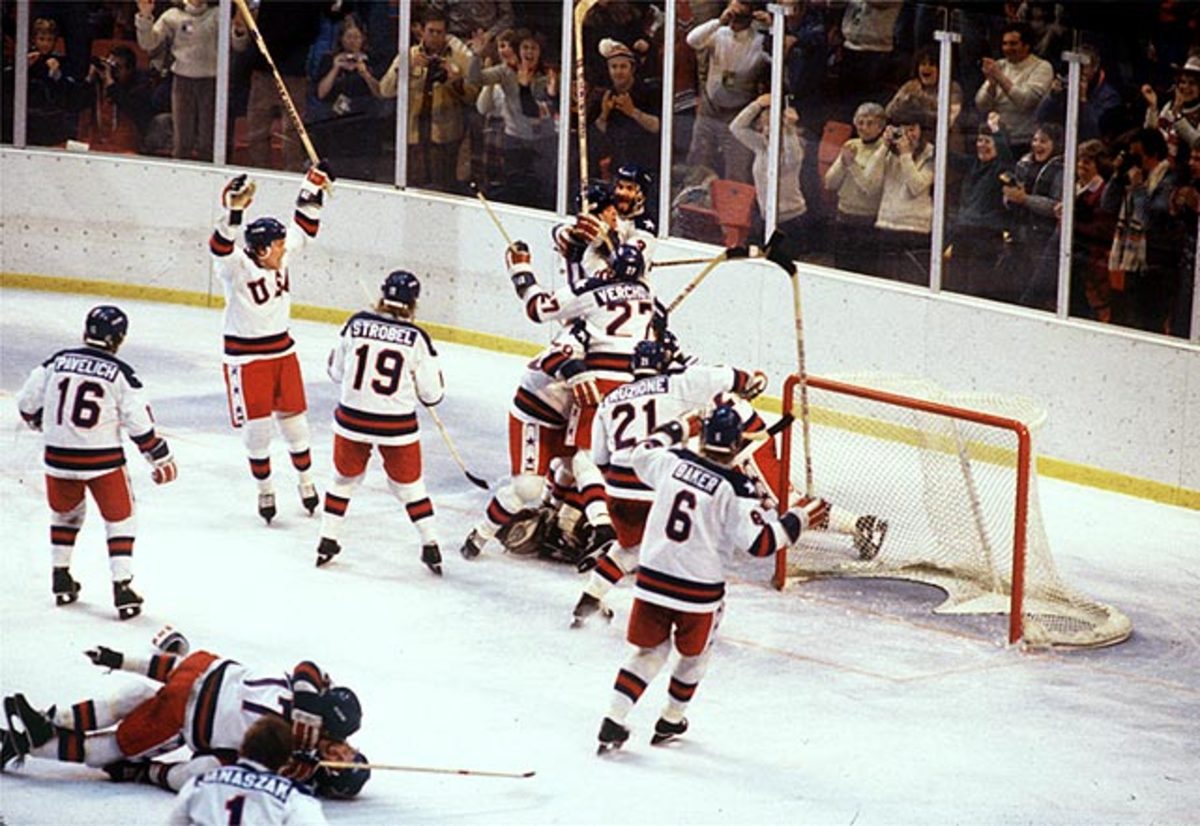
Sportscaster Al Michaels, who was calling the game on ABC, picked up on the countdown in his broadcast, and delivered his famous call as time ran out: "Do you believe in miracles? YES!"
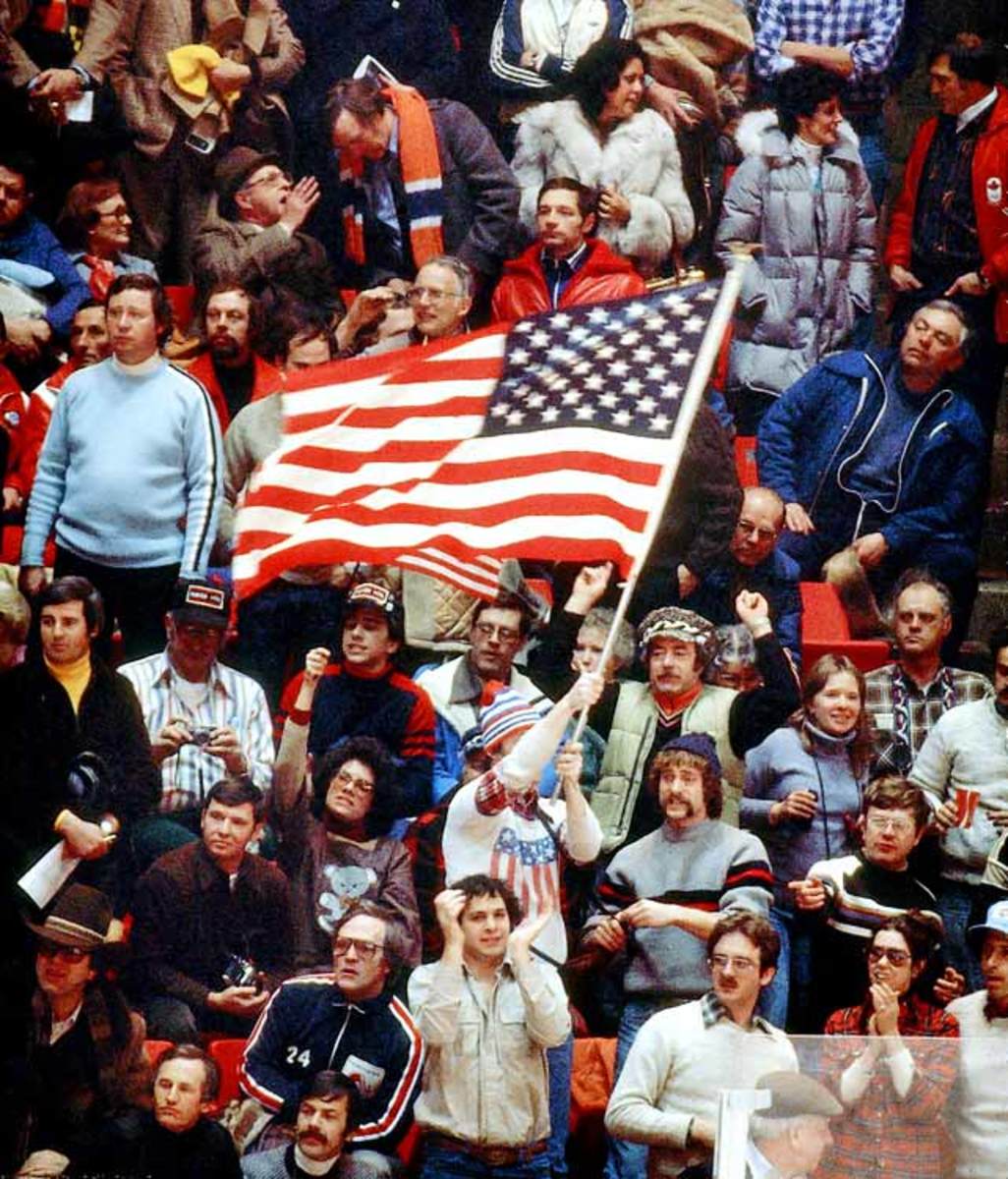
The Field House was packed to capacity (8,500) as many in the home crowd waved American flags throughout the game.
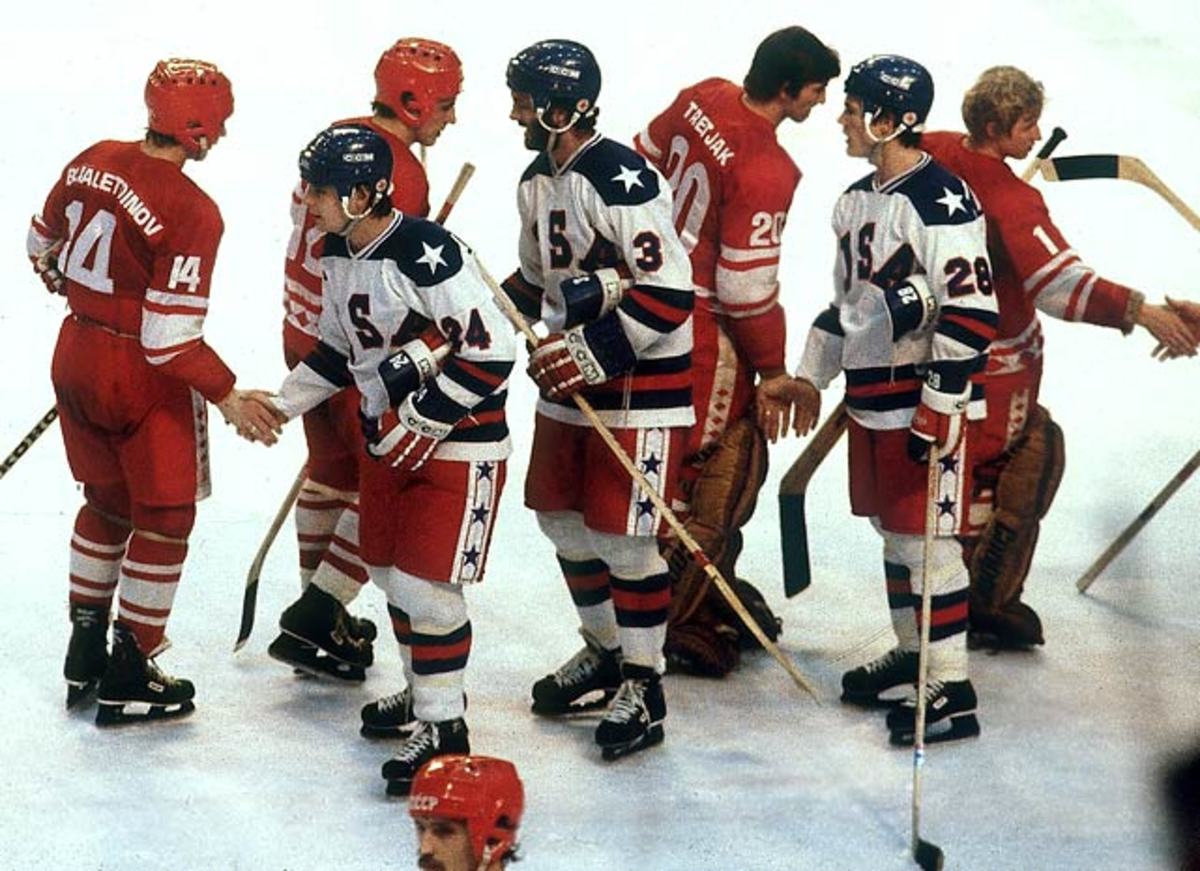
Players from both teams meet at center ice to shake hands following the game.
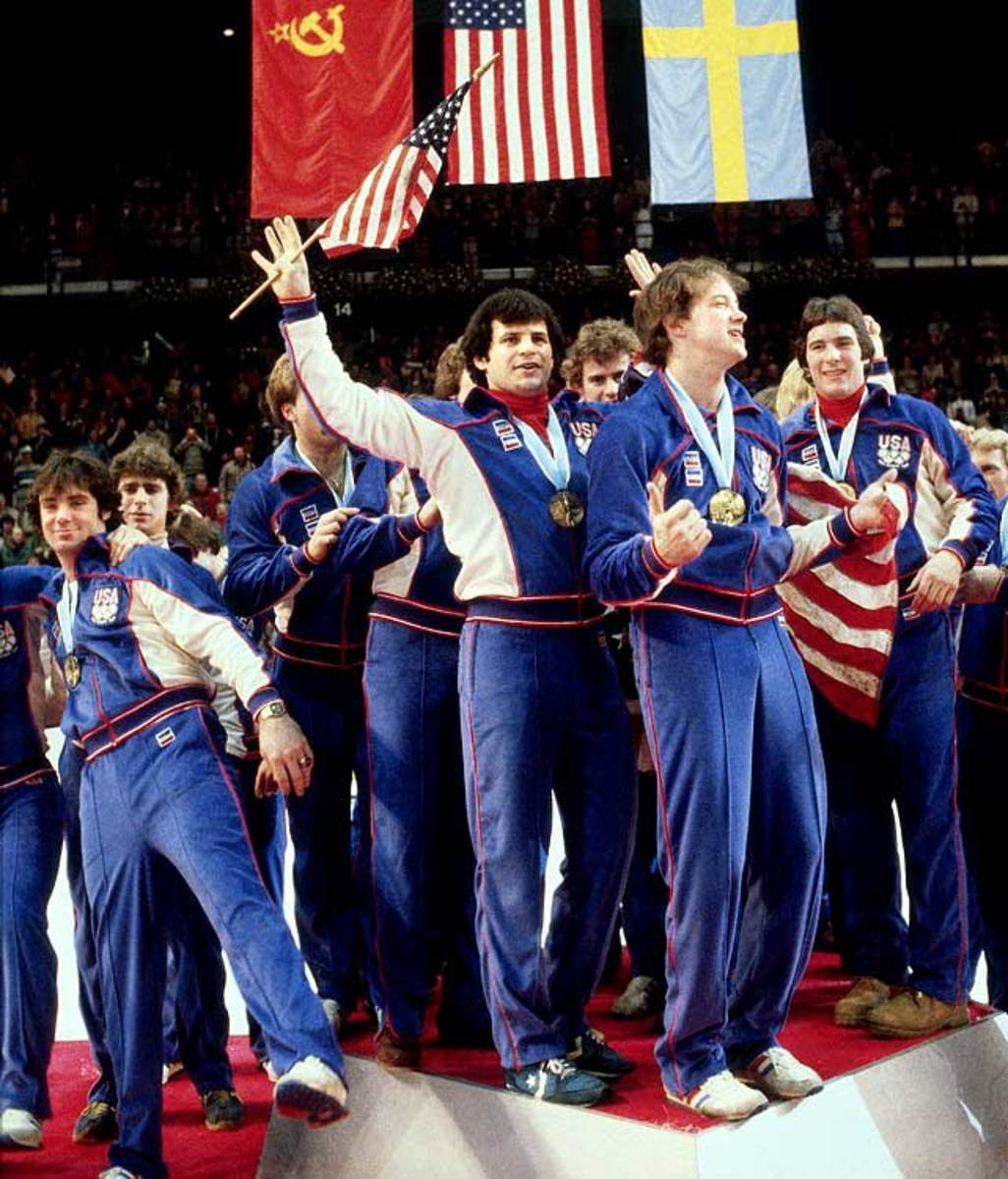
Many forget that the U.S. still needed to defeat Finland to secure the gold medal, and came back from a 2-1 third period deficit to win 4-2, thus finalizing the Miracle as such.
 Add us as a preferred source on Google