%20%20--%3E%0A%3Csvg%20version%3D%221.1%22%20id%3D%22Layer_1%22%20xmlns%3D%22http%3A%2F%2Fwww.w3.org%2F2000%2Fsvg%22%20xmlns%3Axlink%3D%22http%3A%2F%2Fwww.w3.org%2F1999%2Fxlink%22%20x%3D%220px%22%20y%3D%220px%22%0A%09%20width%3D%2239px%22%20height%3D%2240px%22%20viewBox%3D%220%200%2039%2040%22%20enable-background%3D%22new%200%200%2039%2040%22%20xml%3Aspace%3D%22preserve%22%3E%0A%3Cpath%20fill%3D%22%23FFFFFF%22%20d%3D%22M38.5%2C7H28.2v26h10.3V7z%22%2F%3E%0A%3Cpath%20fill-rule%3D%22evenodd%22%20clip-rule%3D%22evenodd%22%20fill%3D%22%23FFFFFF%22%20d%3D%22M26.1%2C25.5c0%2C5.8-4.1%2C7.5-12.9%2C7.5C3.9%2C33%2C0%2C31.2%2C0%2C25.2v-1.1h11.6%0A%09v2.4c0%2C0.7%2C0.1%2C1.4%2C1.2%2C1.4c1%2C0%2C1.2-0.4%2C1.2-1.3v-0.9c0-1.6-0.9-1.6-3.5-2.2C2.2%2C21.7%2C0%2C19.7%2C0%2C15.3v-0.9C0%2C9.3%2C5.5%2C7%2C12.9%2C7%0A%09c10.2%2C0%2C12.8%2C2.6%2C12.8%2C7.4v1.8h-11v-2.9c0-0.6-0.4-1.1-1.2-1.1c-0.6%2C0-1.2%2C0.4-1.2%2C1.1v0.9c0%2C1.5%2C0.9%2C2%2C3.3%2C2.5%0A%09c8%2C1.6%2C10.5%2C3.3%2C10.5%2C7.5V25.5z%22%2F%3E%0A%3C%2Fsvg%3E%0A)
How Much Do Olympians Get Paid? Breaking Down Salaries, Bonuses and Sponsorships
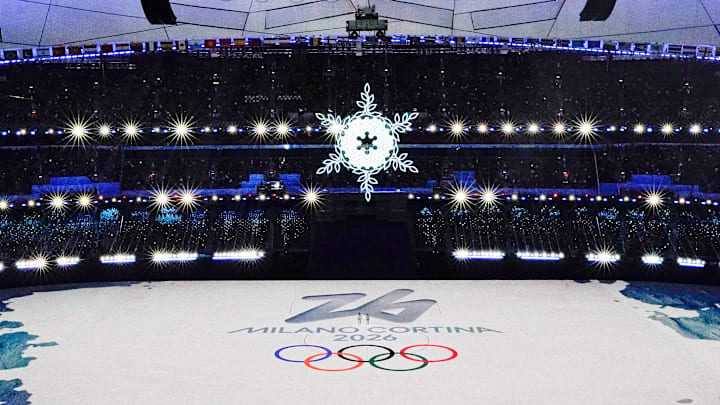
The 2026 Winter Olympics are right around the corner, which means we will soon have a new crop of medalists to praise, congratulate, and, in some cases, pay.
Yes, you read that right—although it might not happen the way you'd assume, some Olympic athletes are paid for their accomplishments at the Games, though the value and availability of said payment varies by country.
Below, let's take a look at what money Olympians might stand to earn by representing their nation on the world's stage:
How much do Olympians get paid?
This is somewhat of a trick question because ... they aren't paid, really. At least not in the way you might be thinking.
Rather than receiving some sort of lump sum from the International Olympic Committee (IOC), which organizes the games, athletes who medal are often compensated by their respective countries. The IOC, meanwhile, directs its efforts (and much of its money) toward developing sports worldwide, per a statement given to CNN in 2024.
That said, World Athletics—the governing body of track and field—announced in April of 2024 that gold medalists in track events at the Paris Olympics would receive a $50,000 prize, per CNN. Relay teams that took the top prize would get the same bonus to share among team members.
The body also said it was committed to extending the initiative to silver and bronze medalists at the 2028 Games in Los Angeles.
The International Boxing Association also handed out cash prizes for medalists in the 2024 boxing competitions.
How much money does each country offer?
Here is a breakdown (via CNBC) of what various countries offered athletes for the 2024 Summer Games, based on where they placed on the podium:
Note: All figures below were converted to USD and rounded to the nearest 10,000 and 1,000 where appropriate.
Country | Gold | Silver | Bronze |
|---|---|---|---|
Australia | $13,000 | $10,000 | $7,000 |
France | $87,000 | $43,000 | $22,000 |
Germany | $22,000 | $16,000 | $11,000 |
Hong Kong | $768,000 | $384,000 | $192,000 |
Indonesia | $300,000 | $150,000 | $60,000 |
Israel | $271,000 | $216,000 | $135,000 |
Japan | $32,000 | $13,000 | $6,000 |
Kazakhstan, Republic of | $250,000 | $150,000 | $75,000 |
Malaysia | $216,000 | $65,000 | $22,000 |
Poland | $25,000 | $19,000 | $14,000 |
Singapore | $745,000 | $373,000 | $186,000 |
South Korea | $45,000 | $25,000 | $18,000 |
Spain | $102,000 | $52,000 | $33,000 |
United States | $38,000 | $23,000 | $15,000 |
As you can see, medaling for Hong Kong or Singapore would have made you much more than medaling for the U.S. That said, though, far fewer athletes from either of those countries participated in the 2024 Summer Games than the total tally from the U.S.
According to CBS News, the U.S. sent 593 athletes to Paris—the most of any country with a population exceeding one million—while Hong Kong and Singapore sent 34 and 23, respectively.
Do Olympians receive other benefits besides money?
Yes, some countries offer athletes additional non-cash prizes or benefits.
In the Republic of Kazakhstan, for instance, medalists receive both cash and apartments, per CNBC. In South Korea, qualifying athletes receive pensions in addition to the prize money.
And although less of a prize, per se, a stint on Team USA comes with access to various continuing education, professional development and legal aid resources like tuition and training grants, tax support/help and financial and benefits consulting, regardless of where an athlete medals.
Can athletes sell their medals?
Yes, an athlete can sell their medal if they'd like. Although the value fluctuates based on the price of gold, silver and bronze metals, a 2024 Olympic gold medal, for instance, would have been worth around $950 in July 2024, according to Forbes.
Notably, gold medals are required to be at least 92.5% silver. They are then plated with about 6 grams of pure gold, per a 2022 report from The New York Times' Alexandra Petri. So your first-place prize might not be as lucrative as you'd think.
How else can Olympic athletes make money?
Olympians can also make money (both during the Olympics and after) via endorsements or sponsorship deals, though those tend to be available only to superstar athletes like the Simone Biles, Shaun Whites and Michael Phelps of the world.
The 2026 Winter Olympics kick off with the opening ceremony on Feb. 6.
More on Sports Illustrated
 Add us as a preferred source on Google
Brigid Kennedy is a writer for the Features and Franchises team at Sports Illustrated. Before joining SI in November 2024, she covered political news, sporting news and culture at TheWeek.com before moving to Livingetc, an interior design magazine. She is a graduate of Syracuse University, dual majoring in television, radio and film (from the Newhouse School of Public Communications) and marketing managment (from the Whitman School of Management). Offline, she enjoys going to the movies, reading and watching the Steelers.