%20%20--%3E%0A%3Csvg%20version%3D%221.1%22%20id%3D%22Layer_1%22%20xmlns%3D%22http%3A%2F%2Fwww.w3.org%2F2000%2Fsvg%22%20xmlns%3Axlink%3D%22http%3A%2F%2Fwww.w3.org%2F1999%2Fxlink%22%20x%3D%220px%22%20y%3D%220px%22%0A%09%20width%3D%2239px%22%20height%3D%2240px%22%20viewBox%3D%220%200%2039%2040%22%20enable-background%3D%22new%200%200%2039%2040%22%20xml%3Aspace%3D%22preserve%22%3E%0A%3Cpath%20fill%3D%22%23FFFFFF%22%20d%3D%22M38.5%2C7H28.2v26h10.3V7z%22%2F%3E%0A%3Cpath%20fill-rule%3D%22evenodd%22%20clip-rule%3D%22evenodd%22%20fill%3D%22%23FFFFFF%22%20d%3D%22M26.1%2C25.5c0%2C5.8-4.1%2C7.5-12.9%2C7.5C3.9%2C33%2C0%2C31.2%2C0%2C25.2v-1.1h11.6%0A%09v2.4c0%2C0.7%2C0.1%2C1.4%2C1.2%2C1.4c1%2C0%2C1.2-0.4%2C1.2-1.3v-0.9c0-1.6-0.9-1.6-3.5-2.2C2.2%2C21.7%2C0%2C19.7%2C0%2C15.3v-0.9C0%2C9.3%2C5.5%2C7%2C12.9%2C7%0A%09c10.2%2C0%2C12.8%2C2.6%2C12.8%2C7.4v1.8h-11v-2.9c0-0.6-0.4-1.1-1.2-1.1c-0.6%2C0-1.2%2C0.4-1.2%2C1.1v0.9c0%2C1.5%2C0.9%2C2%2C3.3%2C2.5%0A%09c8%2C1.6%2C10.5%2C3.3%2C10.5%2C7.5V25.5z%22%2F%3E%0A%3C%2Fsvg%3E%0A)
As Dos A Cero dies, USA left pondering its approach vs. Mexico in Columbus

COLUMBUS, Ohio — The chants went up as they filed out of the stadium, small packs of green-clad glee that had been waiting for this moment for 15 years.
"DOS A UNO! DOS A UNO! DOS A UNO!"
Dos A Cero (born 2001, died 2016) was a golden era for U.S. Soccer in Columbus, an era of four World Cup qualifying wins by the same 2-0 score. May it rest in peace. Mexico finally buried Dos A Cero on Friday night, emphatically shoveling dirt on its grave when Rafa Márquez—the same Márquez who’d earned two red cards against the U.S. over the years—connected on a late free header to give Mexico a famous 2-1 World Cup qualifying victory at Mapfre Stadium.
For the last two decades the U.S. has more or less owned Mexico on set-pieces, especially in this stadium. But on Friday the tables were turned, and the result was a gut punch to a U.S. team that thought if anyone was going to score a late winner it would be the home team.
Mexico conquers Columbus: Rafa Marquez the hero in World Cup qualifying win vs. USA
And yet for all the mentions of dos and cero and uno on Friday, the big question leaving the game was about that surprising tres: The three in the back that Klinsmann surprised everyone by deploying at the start instead of the four-man back line that we have almost always seen in recent years. You could call it a 3-5-2 with Jozy Altidore and Bobby Wood up top—or a 3-4-3, as Klinsmann did, counting Christian Pulisic as “having all the freedom to roam with the two strikers up front.”
Pulisic did O.K. in that central role, even though this, too, was a major surprise for a player who some thought might not start this game and who hadn’t played centrally all year for club or country.
GALLERY: USA vs. Mexico rivalry through the years
USA vs. Mexico Soccer
November 11, 2016 – Mexico 2, USA 1
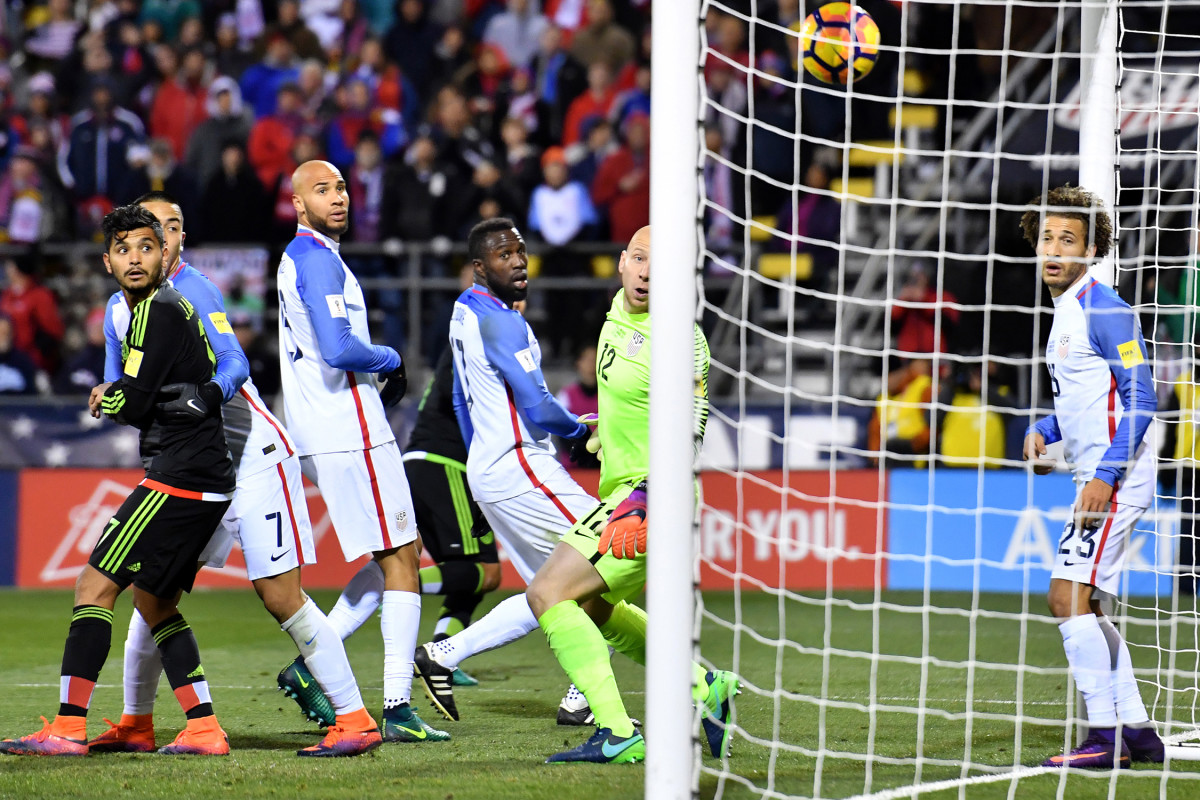
USA and Mexico players watch Rafa Marquez's 89th-minute header find the net in a famous World Cup qualifying win in Columbus for El Tri.
October 10, 2015 – Mexico 3, USA 2 (AET)
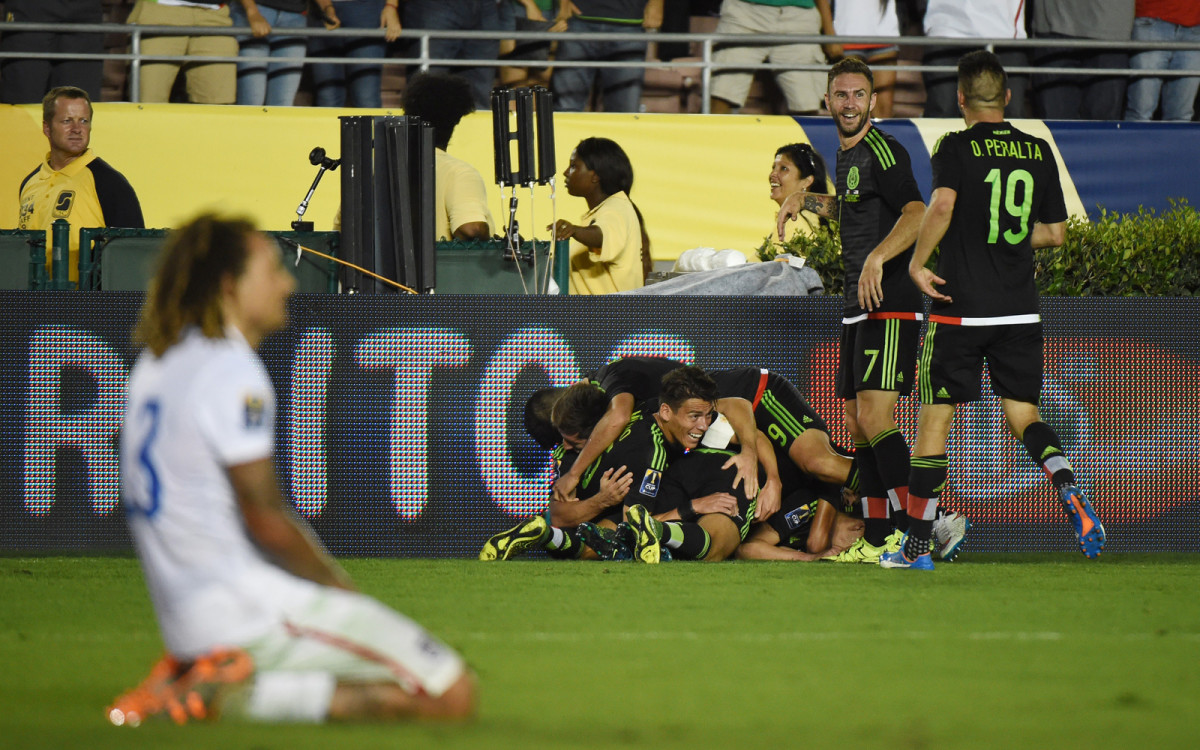
Jermaine Jones falls to his knees in disappointment as Mexico celebrates after Paul Aguilar's sensational volley in extra time captured the CONCACAF Cup for El Tri and sends the U.S. rival to the 2017 FIFA Confederations Cup.
April 15, 2015 — USA 2, Mexico 0
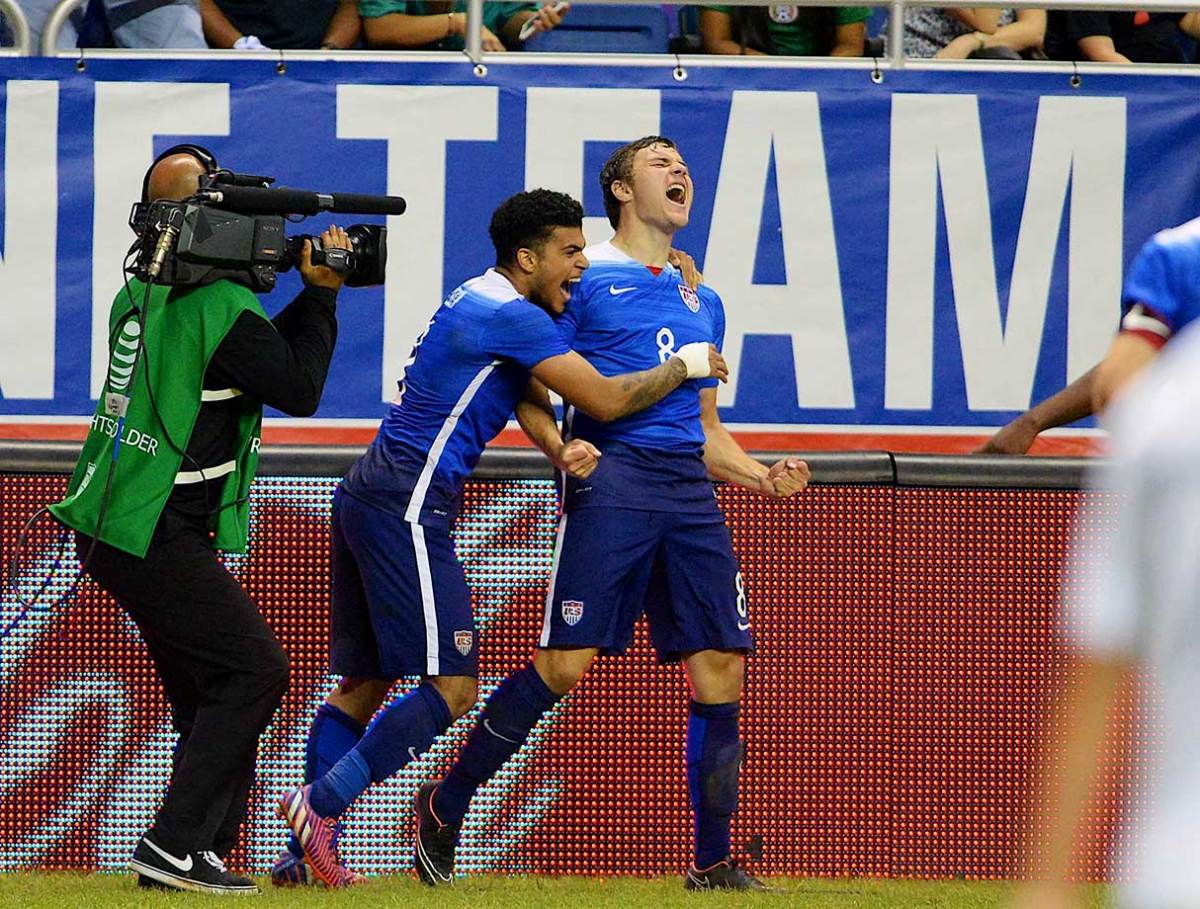
Stanford University's Jordan Morris marked his first senior national team start with his first international goal, sparking the USA in another 2-0 triumph over Mexico, this one at the Alamodome in San Antonio.
September 10, 2013 — USA 2, Mexico 0
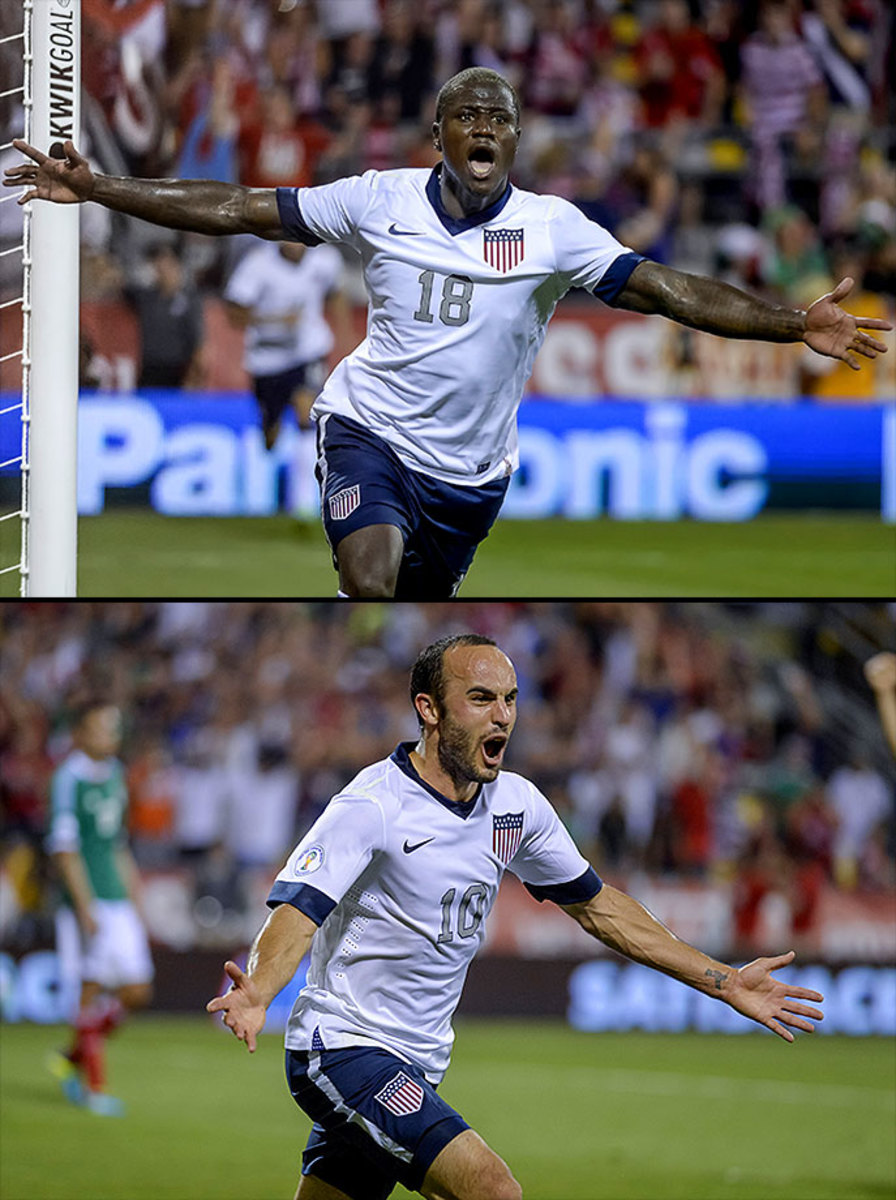
Eddie Johnson and Landon Donovan scored second-half goals to beat El Tri by the same score for the fourth consecutive qualifier in Columbus, Ohio.
March 26, 2013 — USA 0, Mexico 0
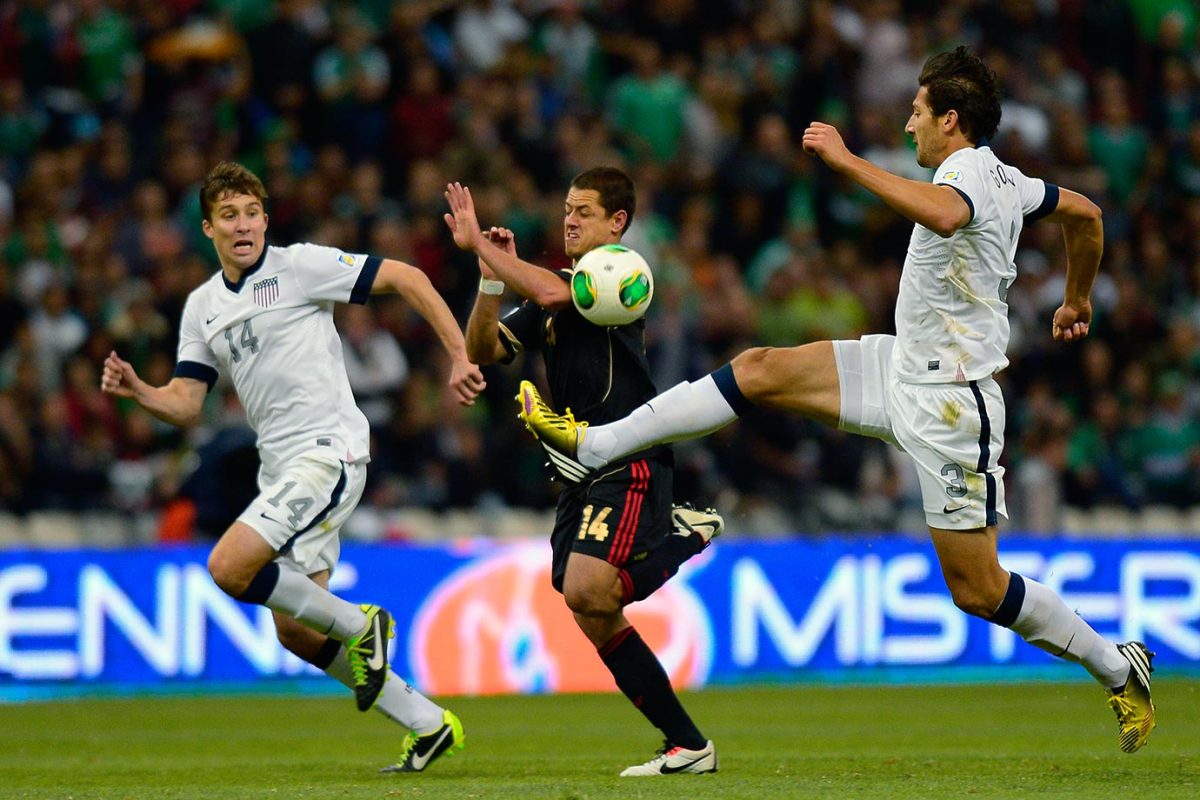
Clint Dempsey captained the U.S. to a 0-0 draw at Estadio Azteca, the second time ever the Americans registered a point in World Cup qualifying in Mexico (the other a 1997 tie). Defenders Omar Gonzalez and Matt Besler were the stars as Mexico couldn't cash in on several opportunities. The U.S. escaped to remain in second place in CONCACAF qualifying.
August 15, 2012 — USA 1, Mexico 0
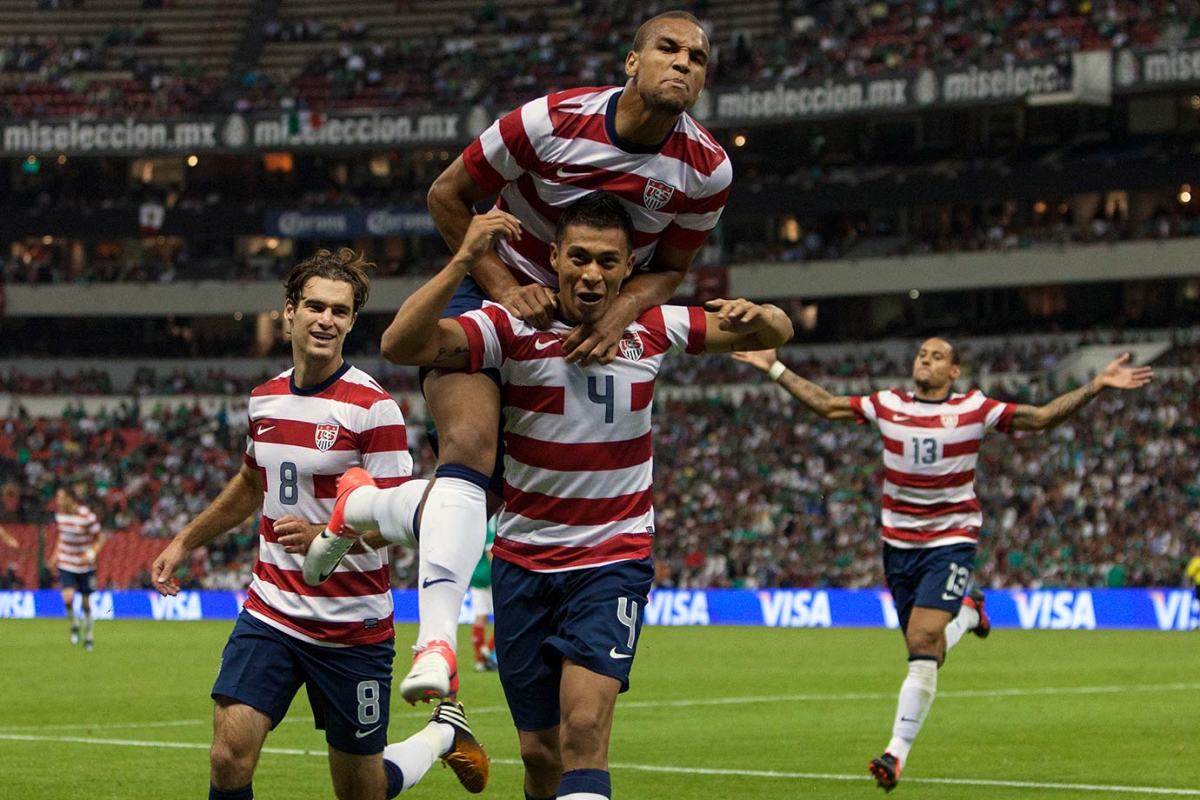
It took 25 attempts, but after this friendly, the United States could finally say that it had won at Mexico City's Azteca Stadium. Despite being outplayed for most of the match, the U.S. won thanks to an 80th-minute goal from Michael Orozco Fiscal — the first international goal of his career.
August 10, 2011 — USA 1, Mexico 1
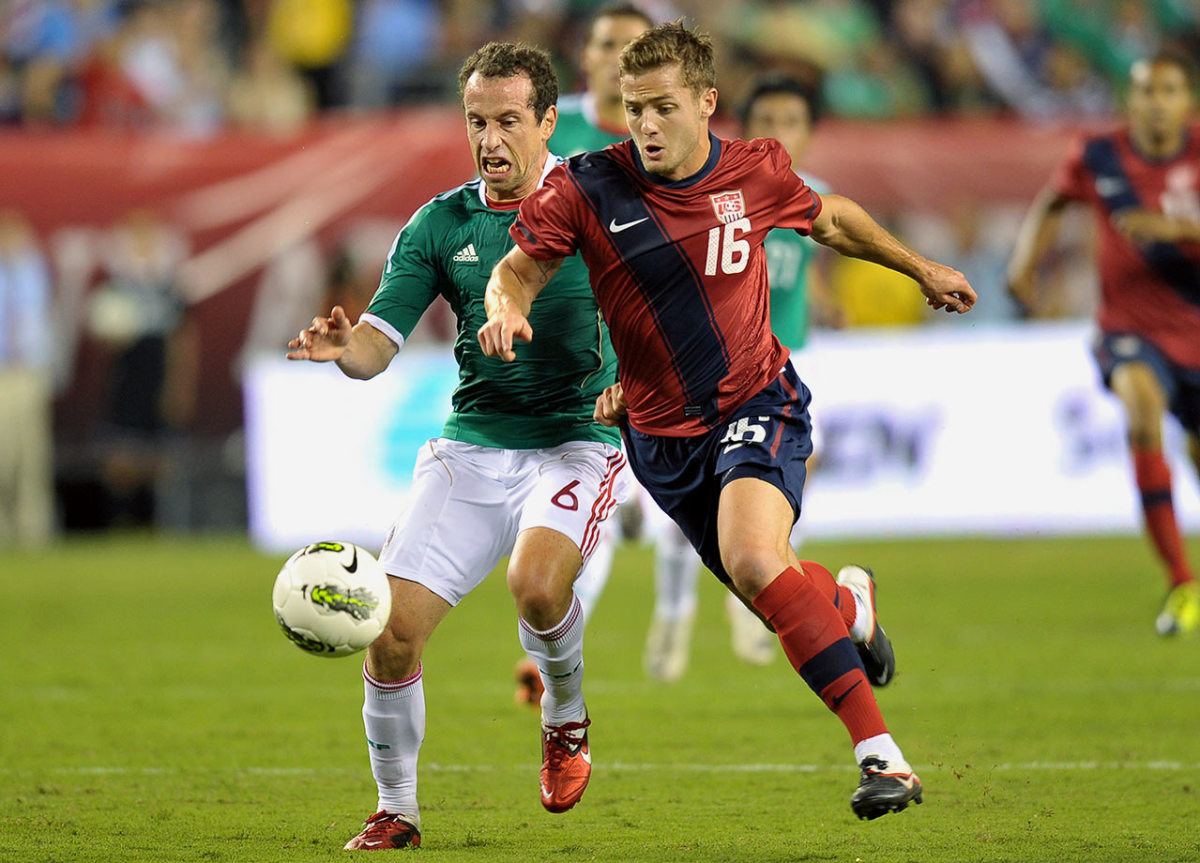
Head coach Jurgen Klinsmann's U.S. debut got off to a rough start, as the Americans trailed Mexico, 1-0 after an uninspired first half in Philadelphia. The U.S. showed more verve after halftime, though, and an impressive display from Brek Shea and a 73rd-minute goal from Robbie Rogers led to a 1-1 draw.
June 25, 2011 — Mexico 4, USA 2
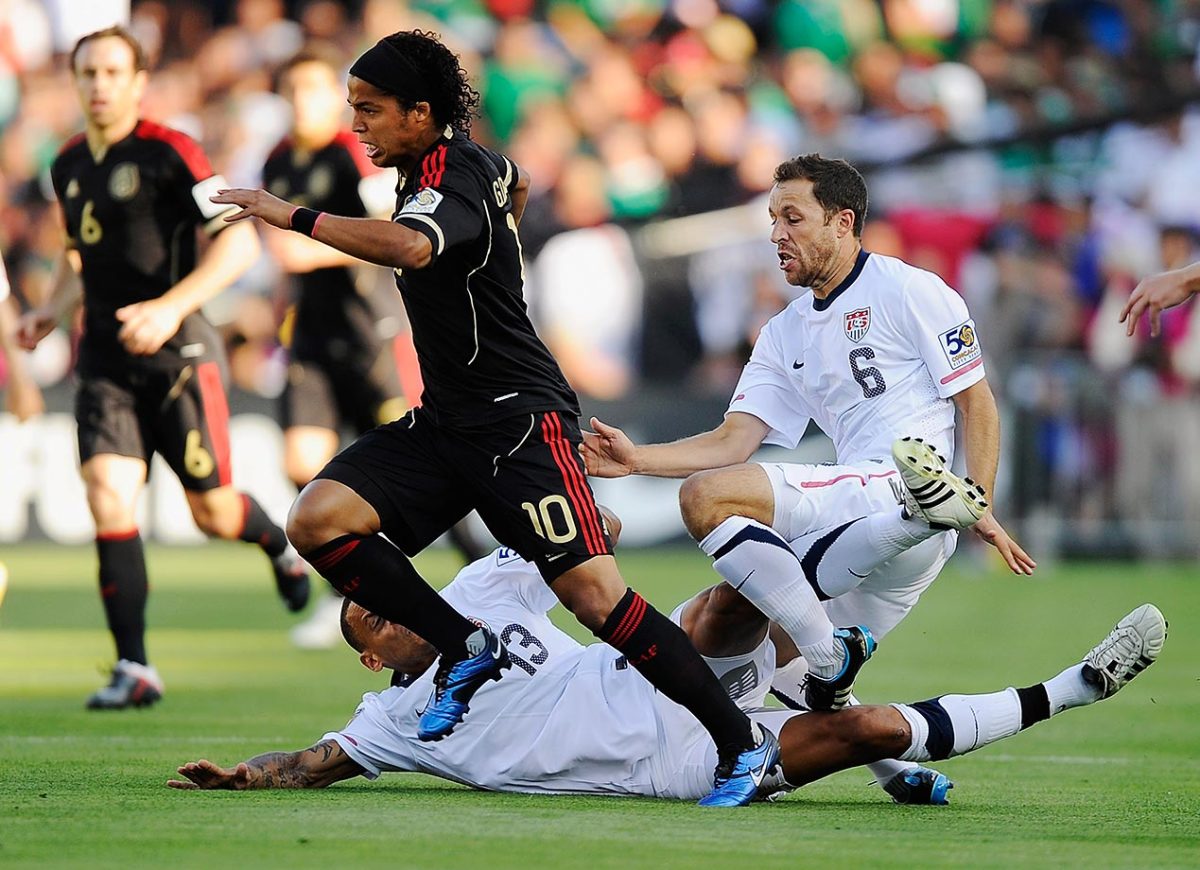
In the Gold Cup final, Mexico captured its second straight title in the battle for CONCACAF bragging rights and secured a berth in the 2013 Confederations Cup. Pablo Barrera scored twice; Giovani Dos Santos and Andres Guardado also had goals. The U.S. was up 2-0 early on Michael Bradley and Landon Donovan goals, but poor defending (partially due to the loss of Steve Cherundolo by injury) doomed the Americans.
August 12, 2009 — Mexico 2, USA 1
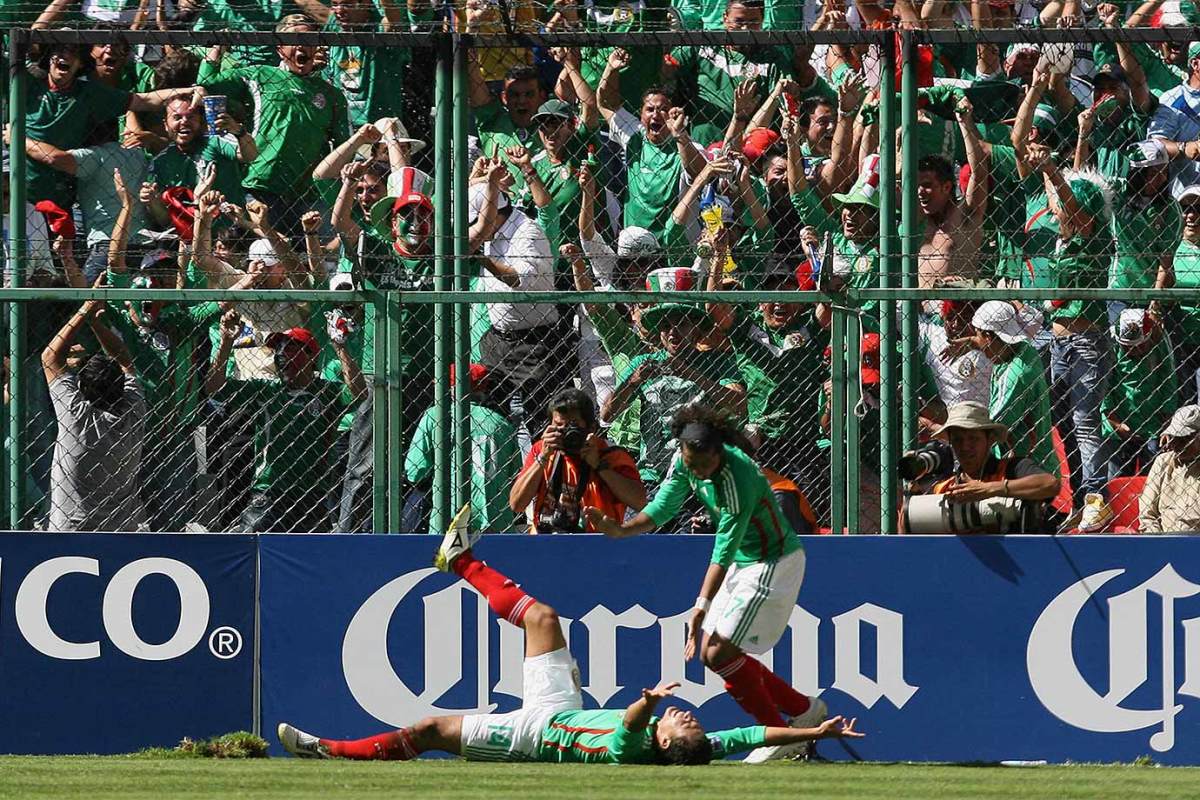
The U.S. took its first-ever lead at Azteca Stadium, but went on to lose 2-1 in what was a critical World Cup qualifier for Mexico. The win changed the tide for the then-struggling Mexican squad, as it went on to go 3-0-1 in its next four matches to earn a trip to South Africa. The U.S. still went on to finish first in CONCACAF qualification.
July 26, 2009 — Mexico 5, USA 0
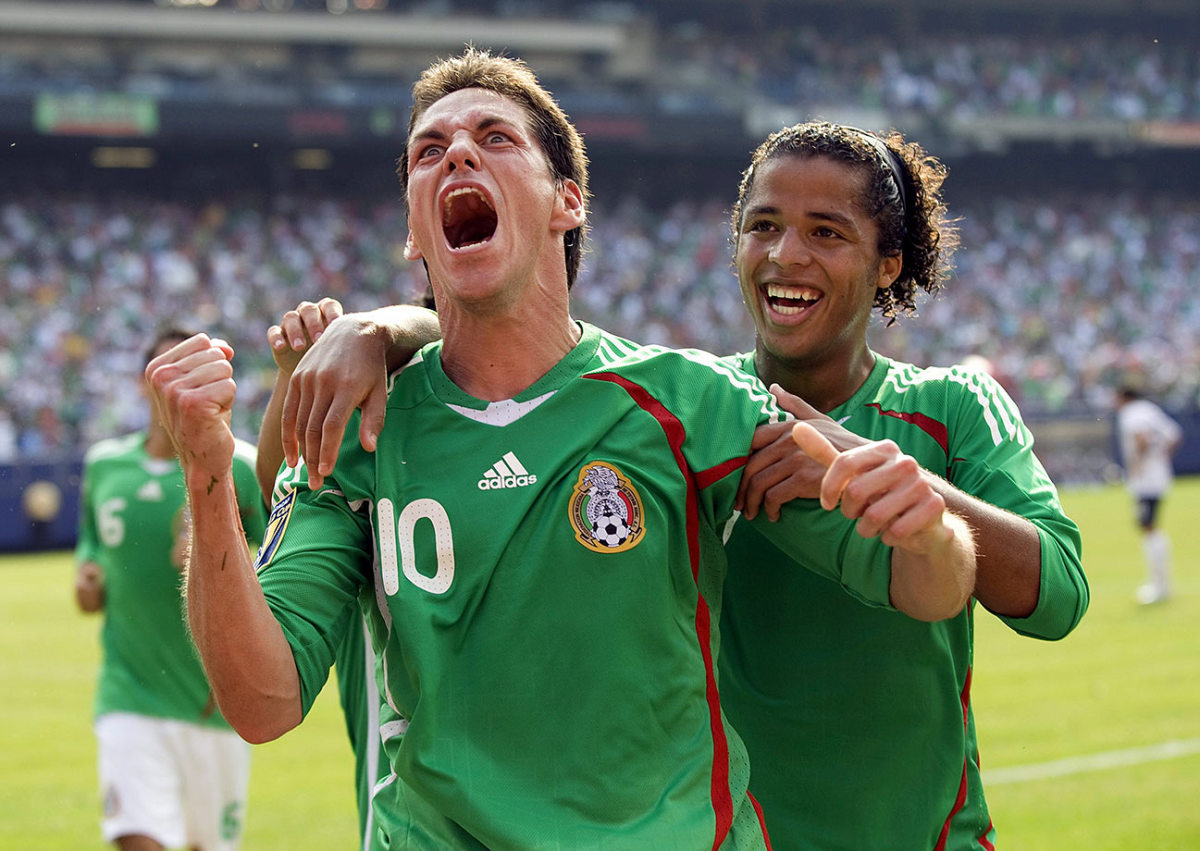
Mexico put an emphatic end to the Americans' 9-0-2 home streak against "El Tri." The Mexicans took the Gold Cup from the two-time defending champion, with five different players scoring goals in the second half at Giants Stadium.
February 11, 2009 — USA 2, Mexico 0
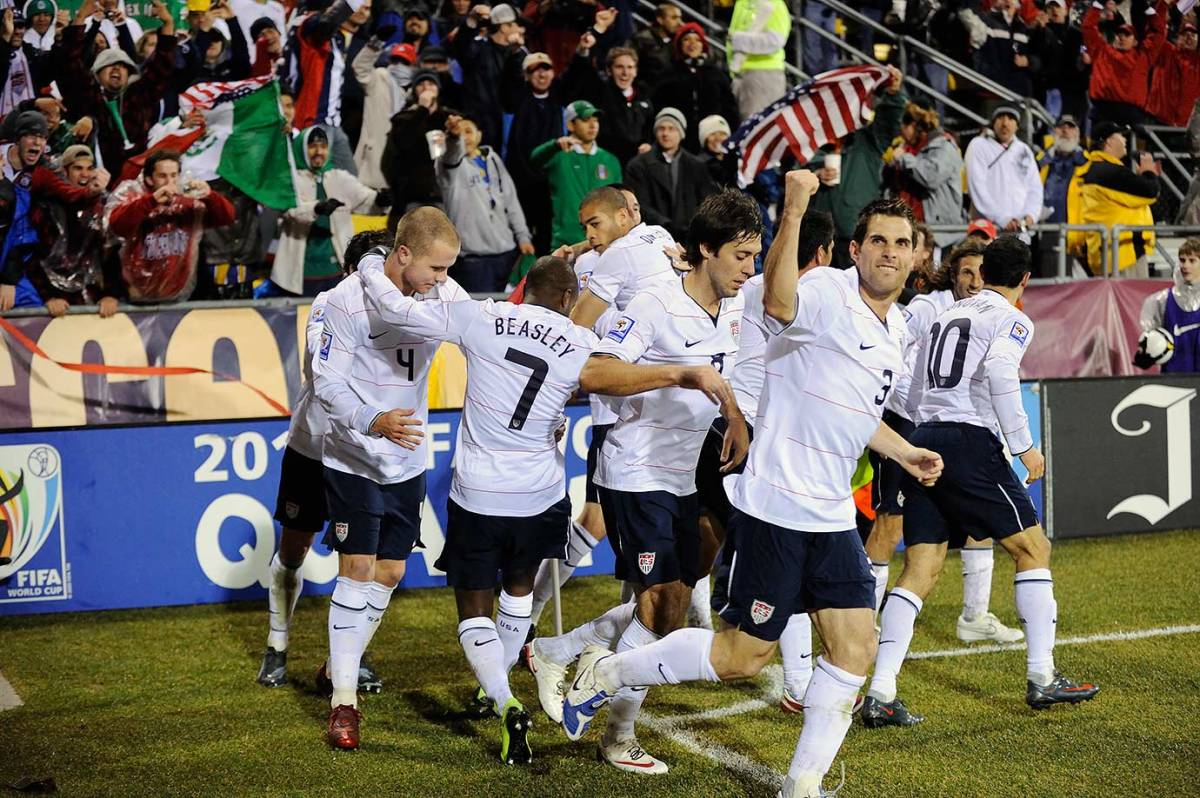
Two goals from Michael Bradley gave the U.S. another home victory over Mexico. It marked the eleventh consecutive time that the Americans had gone unbeaten against Mexico when playing on U.S. soil.
June 24, 2007 — USA 2, Mexico 1
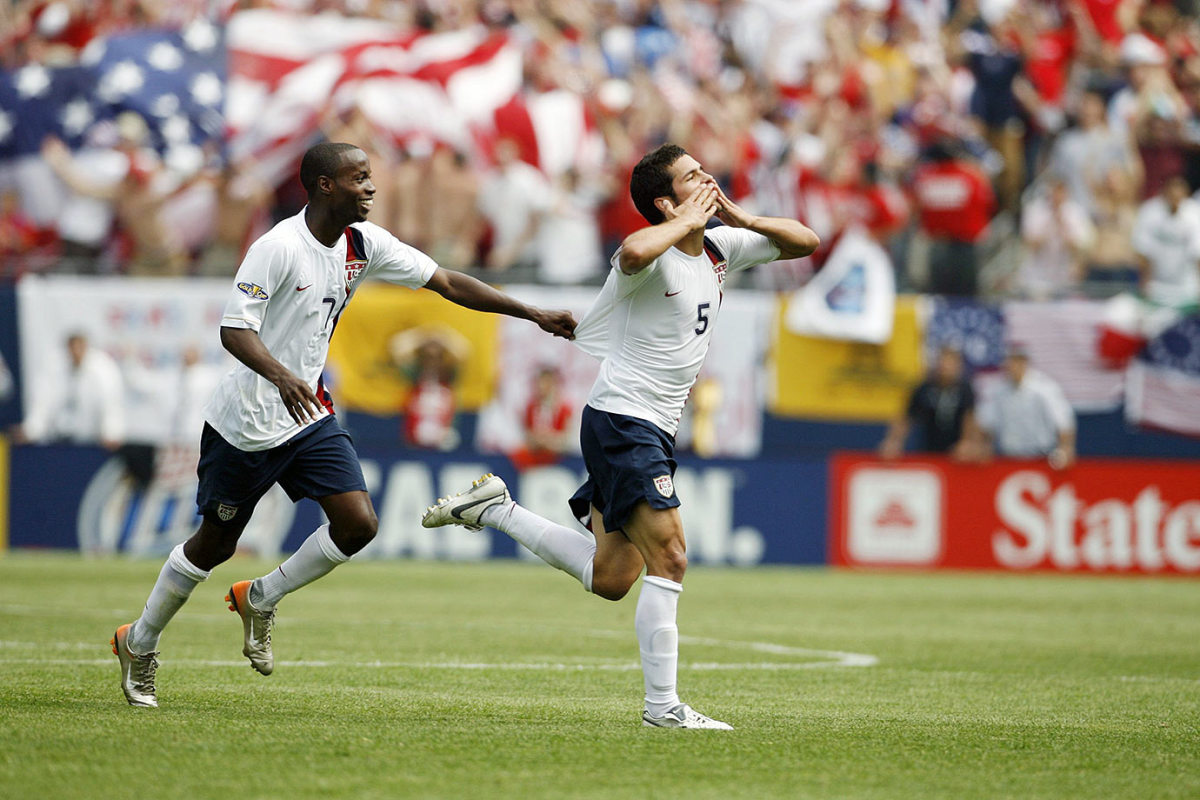
Down 1-0, second-half goals from Landon Donovan and Benny Feilhaber gave the U.S. the victory in the 2007 Gold Cup finals. The win earned the Americans a spot in the 2009 Confederations Cup, where they achieved their famous upset over Spain.
September 3, 2005 — USA 2, Mexico 0
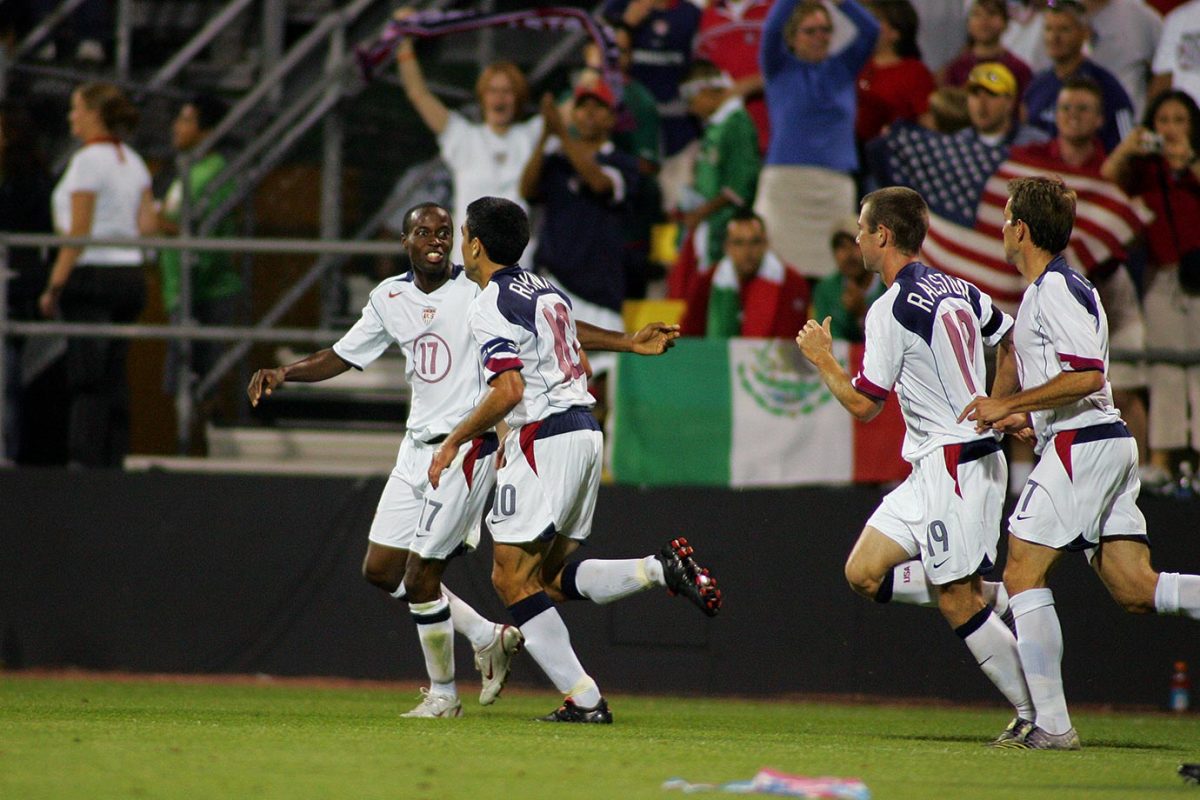
A 2-0 victory over "El Tri" clinched a spot in the 2006 World Cup, with goals coming from Steve Ralston and DaMarcus Beasley.
May 8, 2003 — USA 0, Mexico 0
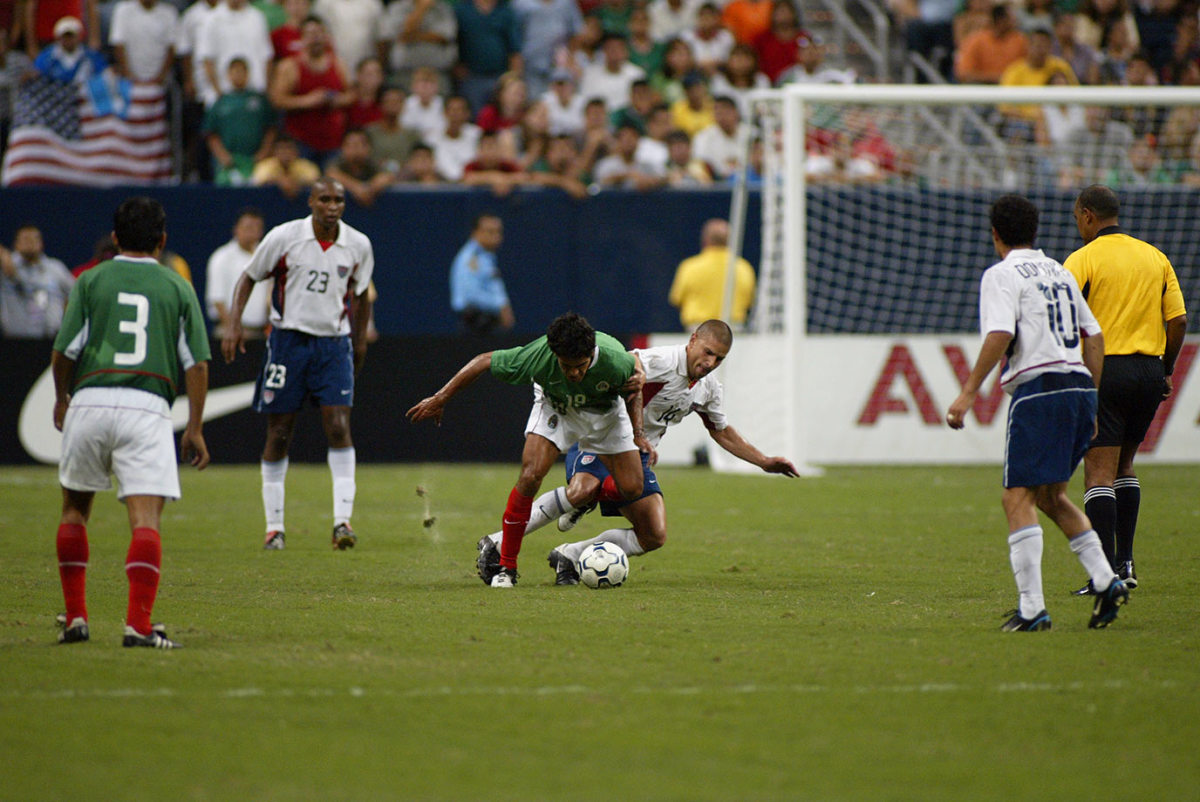
In their first meeting since the 2002 World Cup, an all-MLS squad of Americans played Mexico to a 0-0 draw in front of more than 69,000 people in Houston.
June 17, 2002 — USA 2, Mexico 0
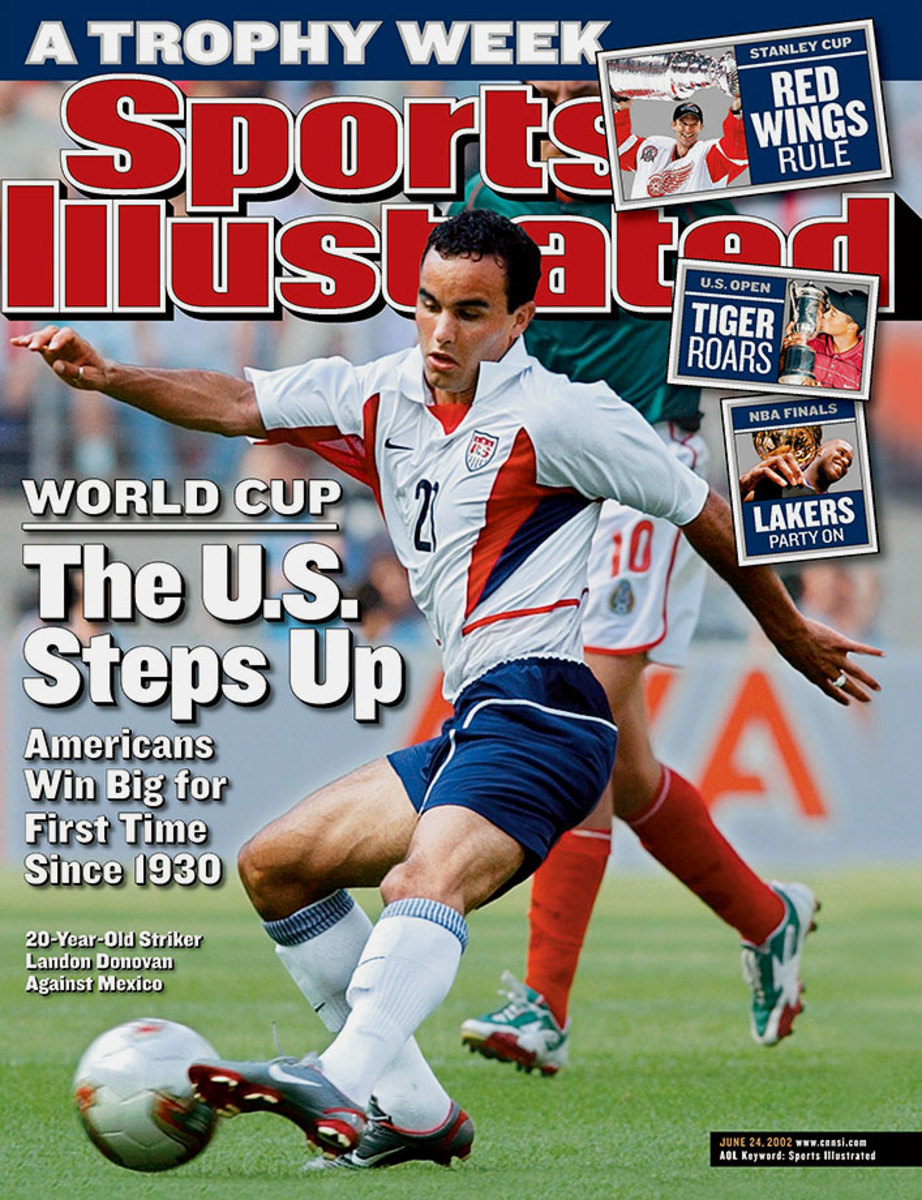
Arguably the biggest win in U.S. soccer team history came against its archrivals at the 2002 World Cup. Brian McBride and Landon Donovan gave the Americans a 2-0 victory in South Korea to send their team to the quarterfinals. It is the furthest stage the team has reached in the World Cup since 1930.
July 1, 2001 — Mexico 1, USA 0
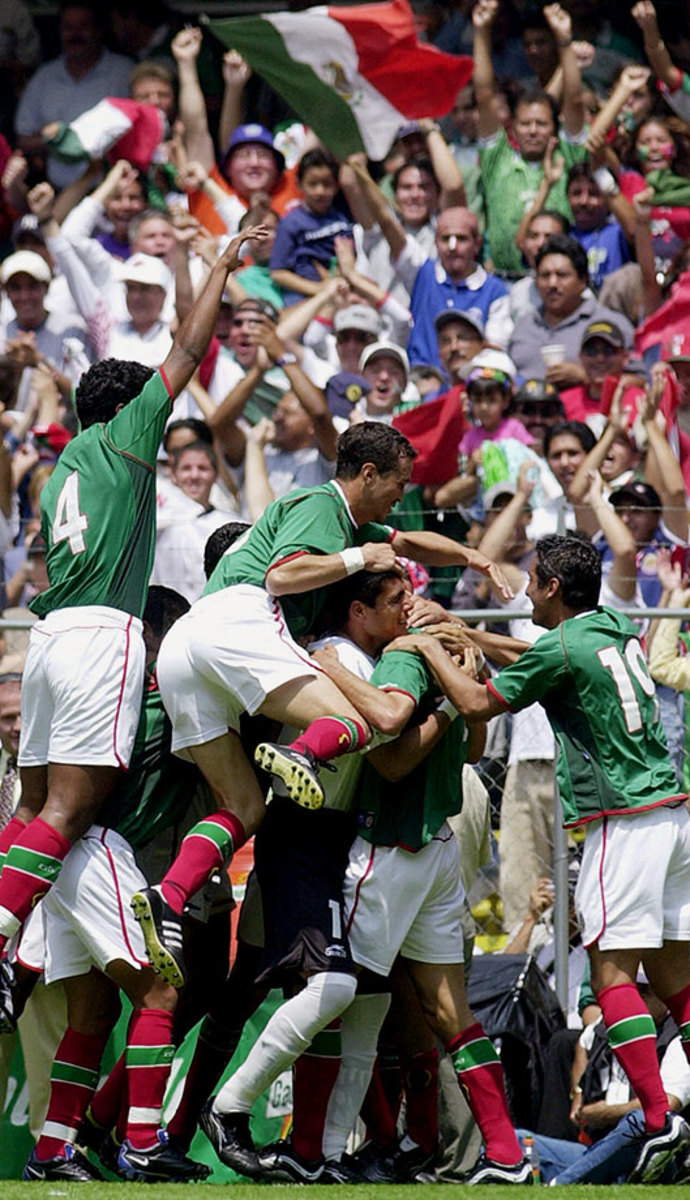
Needing a win to stay in contention for the 2002 World Cup, the Mexicans won 1-0 at Azteca Stadium, making their record 21-0-1 when hosting the Americans.
February 28, 2001 — USA 2, Mexico 0
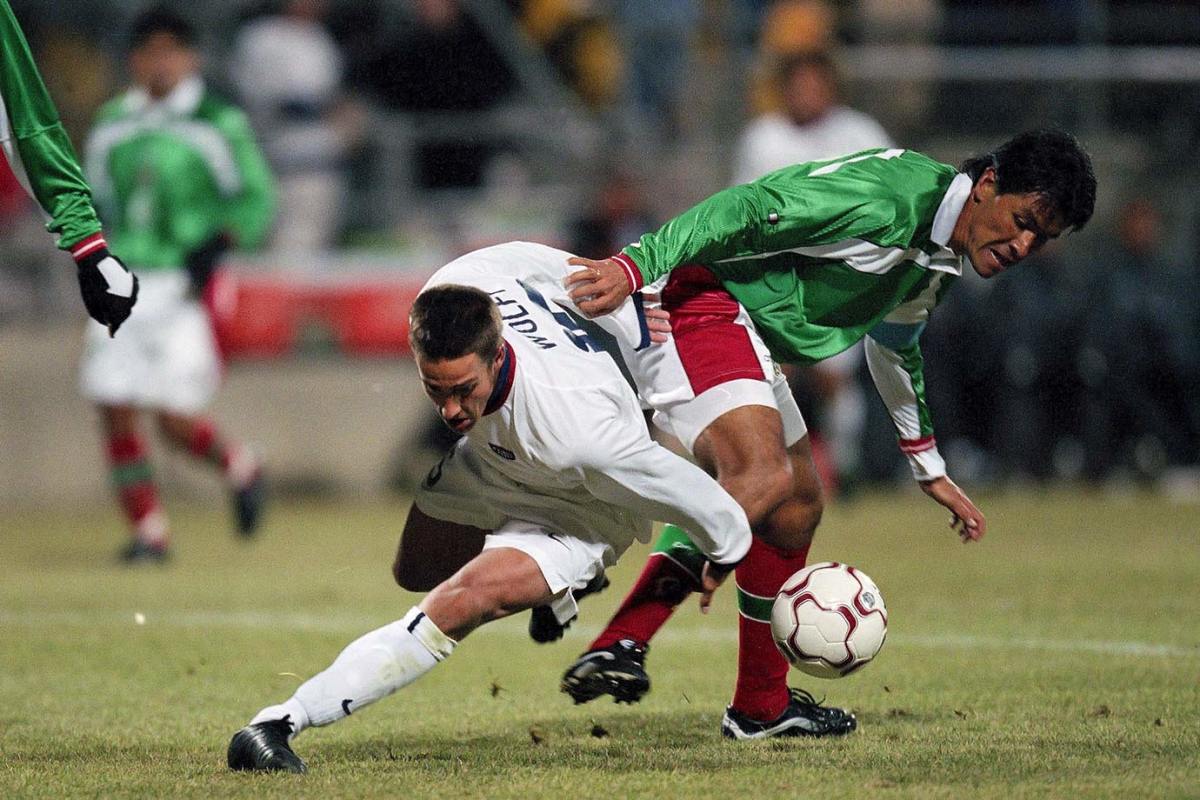
For the first time ever, the Americans won their third consecutive game against Mexico. The victory came in the World Cup qualifying finals and was held in Columbus, Ohio.
August 1, 1999 — Mexico 1, USA 0
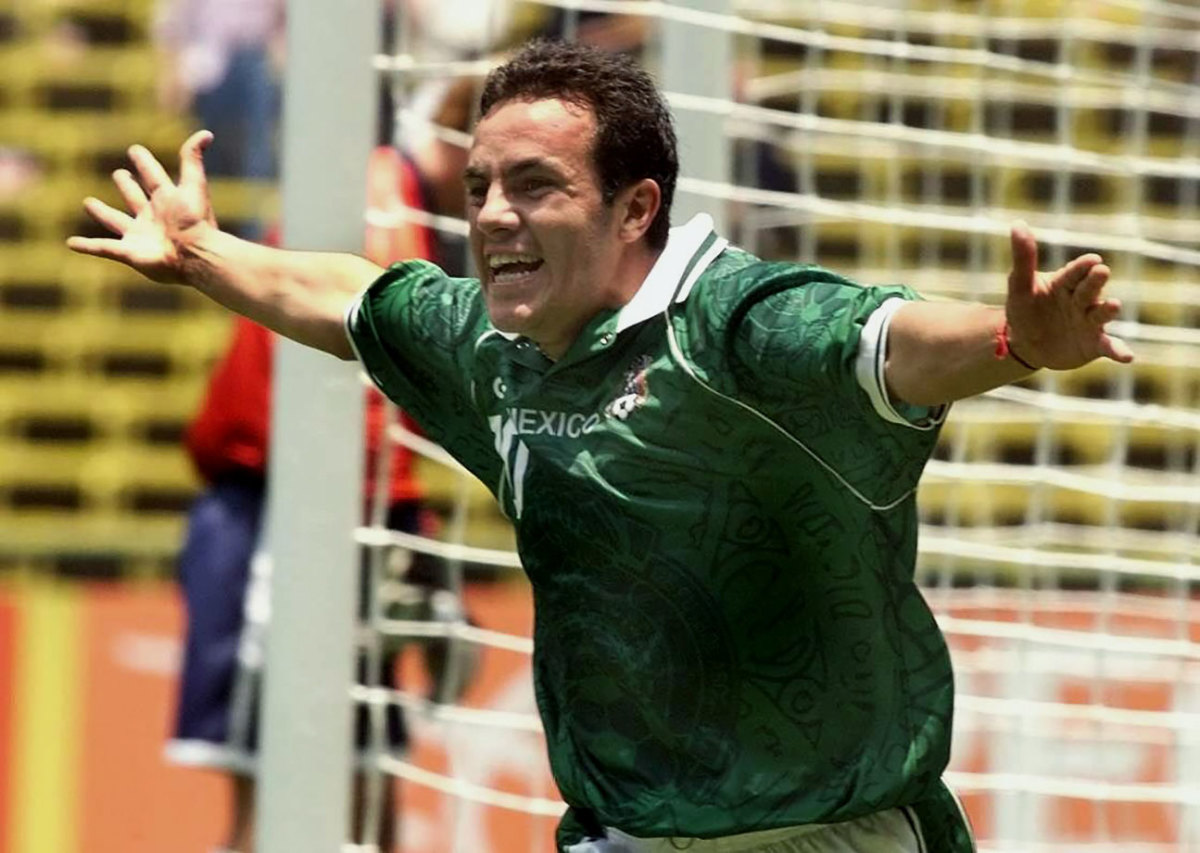
Cuauhtemoc Blanco's goal in extra time eliminated the U.S. in the semifinals of the 1999 Mexico City Confederations Cup. The win capped off a long tradition of Mexican dominance over the American side, a streak that shortly thereafter ended, as the Americans won the next three matches against their rivals.
July 17, 1995 — USA 0, Mexico 0
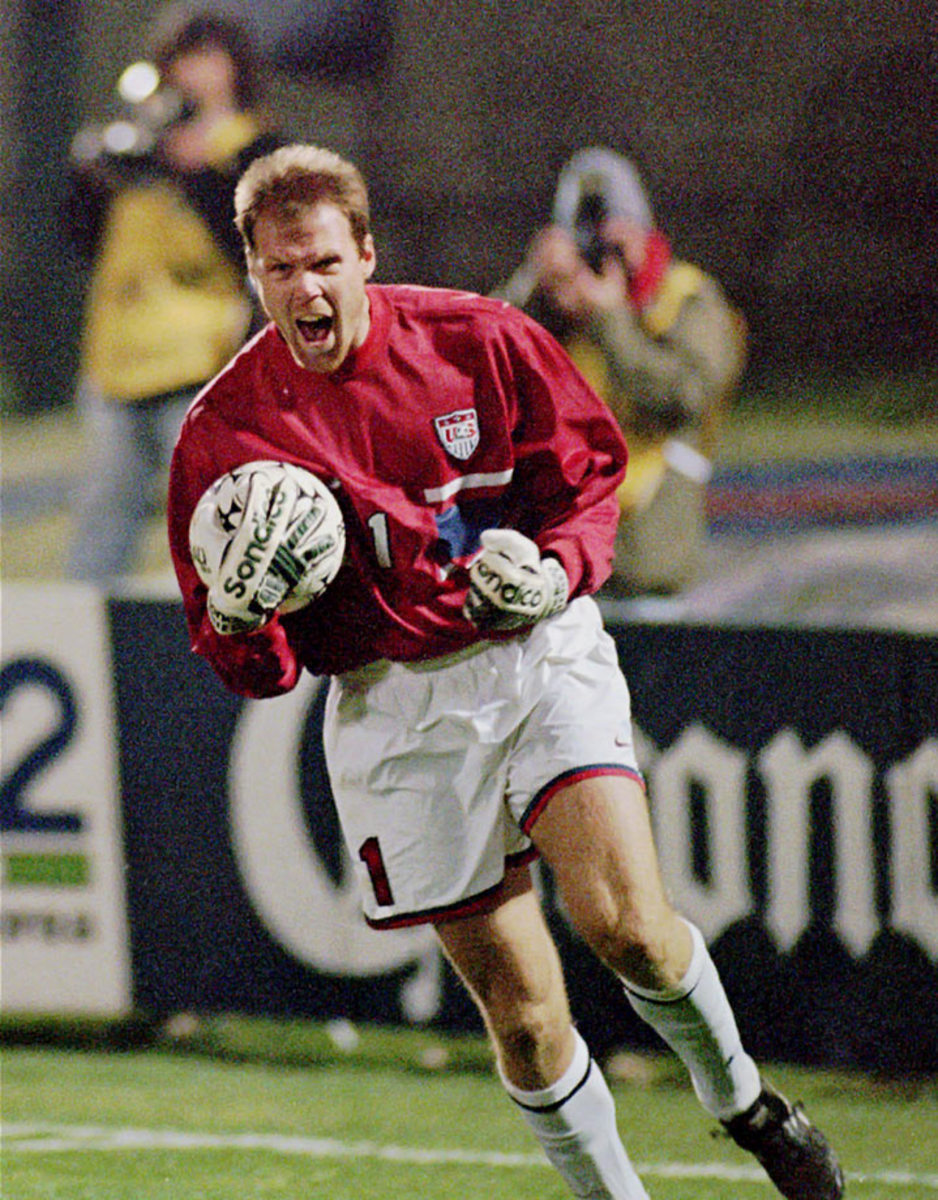
The USA outlasted Mexico in a penalty shootout to reach the semifinals of the 1995 Copa America. After a 0-0 draw, goalkeeper Brad Friedel was the hero in PKs, making two saves. The U.S. made all four of its attempts and advanced.
But the real talking point from the first half was the excessive open space in the U.S. half and the manifold Mexican attackers finding it, whether the perpetrator was Tecatito Corona, Giovani Dos Santos, Chicharito Hernández or Miguel Layún, the last of whom scored the opener 20 minutes in. After 28 minutes, the U.S. decided to switch back to the tried-and-true 4-4-2 and ended up shading the balance of play the rest of the game. But it was the goal before the switch that ended up costing the hosts once Márquez found his header.
Why three in the back? “We trained that. It went really well in training,” Klinsmann said afterward. “The key in that system is that your central midfielders need to get into these one-on-one battles. That’s something that was not happening in the first 25 to 30 minutes. No Michael Bradley, no Jermaine [Jones] got into these battles. Their players could roam, and that puts you in difficulties. It gave them their chances. So we changed it back.”
For his part, Bradley thought the credit should go to the tactical machinations of Mexico coach Juan Carlos Osorio, who started a small fleet of gifted attackers who exposed the U.S. early.
“Tactically, they do some interesting things, and they spaced themselves out in a really good way,” said Bradley. “You have to have clear ideas about how you’re going to deal with that, how you’re going to close them down. Because if you don’t, then it’s easy to get pulled around, and it’s easy to have guys who step out of one space trying to close something down and that’s exactly the space they’re going to end up playing through.”
Specially, Bradley went on, Mexico overloaded the U.S.’s right side, which meant Timmy Chandler couldn’t step out because Corona was staying high and wide.
“So it wasn’t easy for Timmy to ever step out to Layún,” Bradley said. “The other one who was floating over there was Dos Santos a lot and Chicharito. They had a clear idea in terms of how they wanted to overload that side. It meant Timmy Chandler got pinned back.”
Given that Bradley used the term “clear idea” twice to describe Mexico’s approach, it’s fair to say he thought the U.S.’s wasn’t quite as clear—at least until the switch back to the 4-4-2 got made.
That said, you have to give Klinsmann credit for recognizing the change needed to be made and doing it early, while the U.S. still had time to get back into the game. The Yanks played good soccer for much of the second half, and after Wood’s early second-half goal it seemed like the U.S. might come all the way back to take three points. Omar González had his own open header off a corner kick but was unable to convert. And then, just when it seemed like the game was headed for a 1-1 tie, the U.S. lost Márquez on the Mexican corner.
The Education of Christian Pulisic: Inside the Dortmund, USA rising star's rapid growth
“Switch off for a minute and you give up a soft goal,” said Altidore, shaking his head. (Klinsmann said he thought Márquez was John Brooks’s mark.)
Suddenly, the U.S. finds itself needing to get a result in Costa Rica, a country where it has never won, to avoid having zero points out of its first two Hexagonal games. CONCACAF World Cup qualifying is notoriously forgiving—remember how Mexico still qualified despite a run of horrible results in the last cycle—and so the alarms will not be sounding even if the U.S. pulls an oh-fer this week.
But the margin of error would get a lot more slim. And nobody on this U.S. team wants that to happen.
 Add us as a preferred source on Google
A leading soccer journalist and best-selling author, Grant Wahl has been with SI since 1996 and has penned more than three dozen cover stories.