%20%20--%3E%0A%3Csvg%20version%3D%221.1%22%20id%3D%22Layer_1%22%20xmlns%3D%22http%3A%2F%2Fwww.w3.org%2F2000%2Fsvg%22%20xmlns%3Axlink%3D%22http%3A%2F%2Fwww.w3.org%2F1999%2Fxlink%22%20x%3D%220px%22%20y%3D%220px%22%0A%09%20width%3D%2239px%22%20height%3D%2240px%22%20viewBox%3D%220%200%2039%2040%22%20enable-background%3D%22new%200%200%2039%2040%22%20xml%3Aspace%3D%22preserve%22%3E%0A%3Cpath%20fill%3D%22%23FFFFFF%22%20d%3D%22M38.5%2C7H28.2v26h10.3V7z%22%2F%3E%0A%3Cpath%20fill-rule%3D%22evenodd%22%20clip-rule%3D%22evenodd%22%20fill%3D%22%23FFFFFF%22%20d%3D%22M26.1%2C25.5c0%2C5.8-4.1%2C7.5-12.9%2C7.5C3.9%2C33%2C0%2C31.2%2C0%2C25.2v-1.1h11.6%0A%09v2.4c0%2C0.7%2C0.1%2C1.4%2C1.2%2C1.4c1%2C0%2C1.2-0.4%2C1.2-1.3v-0.9c0-1.6-0.9-1.6-3.5-2.2C2.2%2C21.7%2C0%2C19.7%2C0%2C15.3v-0.9C0%2C9.3%2C5.5%2C7%2C12.9%2C7%0A%09c10.2%2C0%2C12.8%2C2.6%2C12.8%2C7.4v1.8h-11v-2.9c0-0.6-0.4-1.1-1.2-1.1c-0.6%2C0-1.2%2C0.4-1.2%2C1.1v0.9c0%2C1.5%2C0.9%2C2%2C3.3%2C2.5%0A%09c8%2C1.6%2C10.5%2C3.3%2C10.5%2C7.5V25.5z%22%2F%3E%0A%3C%2Fsvg%3E%0A)
Two European Soccer Teams Made Up a Game That Was Postponed 65 Years Ago
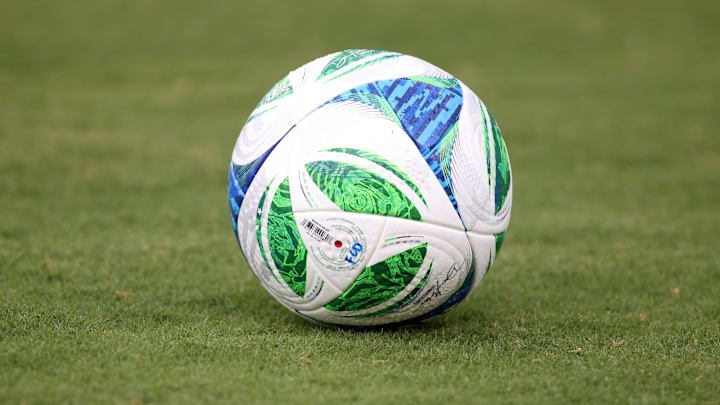
If you take a deep dive into the history of the Champions League—formerly the European Cup—you'll find two holes in the bracket of 1961. On Saturday, one of those holes was filled.
Here's what happened: in August 1960, Glenavon from Northern Ireland and Wismut Karl-Marx-Stadt from East Germany, both national champions, were scheduled to meet in the two-leg first round of the tournament. However, at the height of the Cold War, neither team could get a visa to play in the other's home country and a low-budget Glenavon outfit had to withdraw.
In the early part of this decade, as told to Rory Carroll of The Guardian, the two clubs' supporters reconnected. They agreed to play out the tie over two years starting in 2024, and on Saturday Glenavon and Erzgebirge Aue (the former Wismut Karl-Marx-Stadt, renamed after German reunification) finished the job.
Erzgebirge Aue won the first friendly in Germany 5–0 last year, and on Saturday the third-tier squad won the return game in Northern Ireland as well 2–0.
"When we first started talking about having this game it was basically to celebrate two championship winning teams that didn't get the chance to play against each other," Glenavon supporters liason Adam Carson told the BBC's Ralph Hewitt ahead of the matchup.
It took six decades, but mission accomplished.
More on Sports Illustrated
 Add us as a preferred source on Google
Patrick Andres is a staff writer on the Breaking and Trending News team at Sports Illustrated. He joined SI in December 2022, having worked for The Blade, Athlon Sports, Fear the Sword and Diamond Digest. Andres has covered everything from zero-attendance Big Ten basketball to a seven-overtime college football game. He is a graduate of Northwestern University's Medill School of Journalism with a double major in history .
Follow PAndres2001