%20%20--%3E%0A%3Csvg%20version%3D%221.1%22%20id%3D%22Layer_1%22%20xmlns%3D%22http%3A%2F%2Fwww.w3.org%2F2000%2Fsvg%22%20xmlns%3Axlink%3D%22http%3A%2F%2Fwww.w3.org%2F1999%2Fxlink%22%20x%3D%220px%22%20y%3D%220px%22%0A%09%20width%3D%2239px%22%20height%3D%2240px%22%20viewBox%3D%220%200%2039%2040%22%20enable-background%3D%22new%200%200%2039%2040%22%20xml%3Aspace%3D%22preserve%22%3E%0A%3Cpath%20fill%3D%22%23FFFFFF%22%20d%3D%22M38.5%2C7H28.2v26h10.3V7z%22%2F%3E%0A%3Cpath%20fill-rule%3D%22evenodd%22%20clip-rule%3D%22evenodd%22%20fill%3D%22%23FFFFFF%22%20d%3D%22M26.1%2C25.5c0%2C5.8-4.1%2C7.5-12.9%2C7.5C3.9%2C33%2C0%2C31.2%2C0%2C25.2v-1.1h11.6%0A%09v2.4c0%2C0.7%2C0.1%2C1.4%2C1.2%2C1.4c1%2C0%2C1.2-0.4%2C1.2-1.3v-0.9c0-1.6-0.9-1.6-3.5-2.2C2.2%2C21.7%2C0%2C19.7%2C0%2C15.3v-0.9C0%2C9.3%2C5.5%2C7%2C12.9%2C7%0A%09c10.2%2C0%2C12.8%2C2.6%2C12.8%2C7.4v1.8h-11v-2.9c0-0.6-0.4-1.1-1.2-1.1c-0.6%2C0-1.2%2C0.4-1.2%2C1.1v0.9c0%2C1.5%2C0.9%2C2%2C3.3%2C2.5%0A%09c8%2C1.6%2C10.5%2C3.3%2C10.5%2C7.5V25.5z%22%2F%3E%0A%3C%2Fsvg%3E%0A)
Before Milan Cortina: Looking Back at Italy's Other Olympics
The predominant American image of Italy is that of a warm, Mediterranean climate—the visual brought west by generations of immigrants from Southern Italy, and subsequently mined for mass media by artists Italian and non-Italian alike.
If that is the type of scenery you’re looking for, these will not be the Olympics for you. The 2026 Winter Olympics—set for division between Milan, the resort town of Cortina d’Ampezzo, and several other Northern Italian cities—will be a snow show, bearing more in common with Austrian and Swiss weather than Greek and Spanish conditions.
These Games will be Italy’s fourth—three in the winter and one in the summer. Here is a look back at those past Games, as well as the country’s glut of unsuccessful Olympic bids and other world championships Italy has hosted.
Cortina d’Ampezzo 1956
How did Cortina d’Ampezzo get the Olympics? Cortina d’Ampezzo beat out three North American cities—Montreal, Colorado Springs and Lake Placid, N.Y.—in a vote taken on home soil in 1949.
What was Italy like during these Olympics? Booming—the country was experiencing massive economic growth as it recovered from World War II, which bolstered the industrial north’s population and helped increase middle-class Italians’ access to expensive winter sports.
What was the most memorable moment from these Olympics? Austrian alpine skiier Toni Sailer, just 20, won worldwide fame for sweeping the men’s downhill, giant slalom and slalom events.
What is the legacy of the Cortina d’Ampezzo Olympics? The first televised Winter Olympics laid the groundwork for athletes (such as Sailer, who dabbled in acting) to achieve new levels of celebrity. The Stadio Olimpico del Ghiaccio, a prominent venue from the ‘56 Games, will host curling in ‘26.
Rome 1960
How did Rome get the Olympics? The Eternal City emerged from a crowded field to win the Games in 1955, beating Lausanne, Detroit, Budapest, Brussels, Mexico City and Tokyo.
What was Italy like during these Olympics? The postwar boom remained in full swing, and with Somalia’s independence on July 1, Italy formally abandoned its 78-year-old colonial empire.
What was the most memorable moment from these Olympics? American sprinter Wilma Rudolph dominated track and field, winning gold in the 100 meters, 200 meters, and 4x100-meter relay.
What is the legacy of the Rome Olympics? The stadium used for the Games (Stadio Olimpico) still stands; both of Rome’s Serie A teams—Lazio and Roma—still play there.
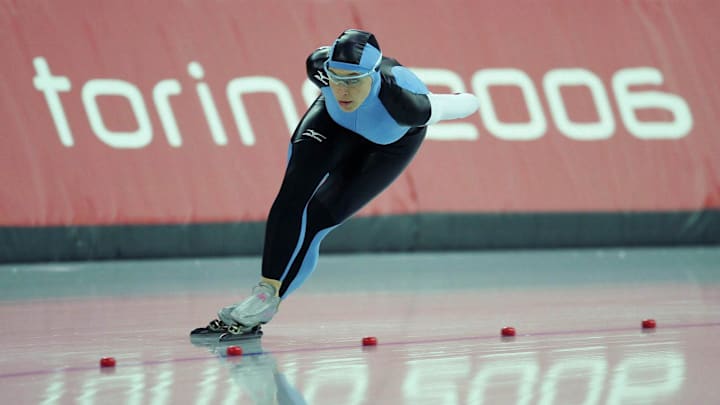
Torino (Turin) 2006
How did Turin get the Olympics? Turin narrowly beat out heavy favorite Sion, Switzerland in 1999 to the shock of many observers. Helsinki, Klagenfurt, Austria, Poprad, Slovakia, and Zakopane, Poland, also bid.
What was Italy like during these Olympics? Preparing for an election in April, which would oust longtime center-right prime minister Silvio Berlusconi—albeit not for long (he’d return to power in 2008).
What was the most memorable moment from these Olympics? Turin is often remembered as an Olympics without a true standout, but two Croatian siblings—Ivica and Janica Kostelić—won medals in alpine skiing at the same Games.
What is the legacy of the Torino Olympics? As in Rome, the Stadio Olimpico Grande Torino—built during Fascist rule but overhauled leading up to the Games—is now home to Serie A soccer’s Torino.
Italy’s unsuccessful Olympic bids
Italy has bid for the Olympics on 16 other occasions; in multiple cases, they’ve won the Games only for extenuating circumstances to force them elsewhere. Here is a look back at Italy’s Olympics that weren’t.
OLYMPICS | BIDDING CITY | WINNING CITY | NOTES |
|---|---|---|---|
Summer 1908 | Milan | London | N/A |
Summer 1908 | Rome | London | Rome originally won right to host before Mount Vesuvius erupted in 1906, damaging much of Naples and forcing Olympics’ relocation |
Summer 1924 | Rome | Paris | N/A |
Summer 1936 | Rome | Berlin | As legal antisemitism advanced in Germany, United States unsuccessfully floated Rome as potential replacement host |
Summer 1940 | Rome | N/A (World War II) | N/A |
Winter 1944 | Cortina d’Ampezzo | N/A (World War II) | Won before Olympics’ cancellation |
Summer 1944 | Rome | N/A (World War II) | Runner-up to London before Olympics’ cancellation |
Winter 1952 | Cortina d’Ampezzo | Oslo | Runner-up |
Winter 1988 | Cortina d’Ampezzo | Calgary | N/A |
Winter 1992 | Cortina d’Ampezzo | Albertville, France | N/A |
Winter 1998 | Aosta | Nagano, Japan | N/A |
Summer 2000 | Milan | Sydney | Withdrew during bidding process |
Winter 2002 | Tarvisio | Salt Lake City | N/A |
Summer 2004 | Rome | Athens | Runner-up; entered voting as favorite |
Summer 2020 | Rome | Tokyo | Withdrew during bidding process; Venice also considered |
Summer 2024 | Rome | Paris | Withdrew during bidding process; Milan and Naples also considered |
Italy’s other world championships
In addition to its Olympic hosting duties, Italy has served as host for a number of other sports’ world championships. Here’s a look at other occasions where the world’s best gathered in the country, with a focus on the nation’s Olympic strong suits.
SPORTS | TIMES HOSTING WORLD CHAMPIONSHIP | MOST RECENLTY IN... |
|---|---|---|
Alpine skiing | 7 | 2021 (Cortina d’Ampezzo) |
Athletics | 1 | 1987 (Rome) |
Bobsleigh and skeleton | 12 | 1999 (Cortina d’Ampezzo) |
Boxing | 1 | 2009 (Milan) |
Cycling (road and track) | 27 | 2020 (Imola) |
Fencing | 8 | 2023 (Milan) |
Luge | 2 | 2011 (Cesana) |
Nordic skiing | 4 | 2013 (Val di Fiemme) |
Shooting | 9 | 1994 (Fagnano, Milan and Tolmezzo) |
Short-track speed skating | 2 | 2007 (Milan) |
More Winter Olympics on Sports Illustrated
 Add us as a preferred source on Google
Patrick Andres is a staff writer on the Breaking and Trending News team at Sports Illustrated. He joined SI in December 2022, having worked for The Blade, Athlon Sports, Fear the Sword and Diamond Digest. Andres has covered everything from zero-attendance Big Ten basketball to a seven-overtime college football game. He is a graduate of Northwestern University's Medill School of Journalism with a double major in history .
Follow PAndres2001