%20%20--%3E%0A%3Csvg%20version%3D%221.1%22%20id%3D%22Layer_1%22%20xmlns%3D%22http%3A%2F%2Fwww.w3.org%2F2000%2Fsvg%22%20xmlns%3Axlink%3D%22http%3A%2F%2Fwww.w3.org%2F1999%2Fxlink%22%20x%3D%220px%22%20y%3D%220px%22%0A%09%20width%3D%2239px%22%20height%3D%2240px%22%20viewBox%3D%220%200%2039%2040%22%20enable-background%3D%22new%200%200%2039%2040%22%20xml%3Aspace%3D%22preserve%22%3E%0A%3Cpath%20fill%3D%22%23FFFFFF%22%20d%3D%22M38.5%2C7H28.2v26h10.3V7z%22%2F%3E%0A%3Cpath%20fill-rule%3D%22evenodd%22%20clip-rule%3D%22evenodd%22%20fill%3D%22%23FFFFFF%22%20d%3D%22M26.1%2C25.5c0%2C5.8-4.1%2C7.5-12.9%2C7.5C3.9%2C33%2C0%2C31.2%2C0%2C25.2v-1.1h11.6%0A%09v2.4c0%2C0.7%2C0.1%2C1.4%2C1.2%2C1.4c1%2C0%2C1.2-0.4%2C1.2-1.3v-0.9c0-1.6-0.9-1.6-3.5-2.2C2.2%2C21.7%2C0%2C19.7%2C0%2C15.3v-0.9C0%2C9.3%2C5.5%2C7%2C12.9%2C7%0A%09c10.2%2C0%2C12.8%2C2.6%2C12.8%2C7.4v1.8h-11v-2.9c0-0.6-0.4-1.1-1.2-1.1c-0.6%2C0-1.2%2C0.4-1.2%2C1.1v0.9c0%2C1.5%2C0.9%2C2%2C3.3%2C2.5%0A%09c8%2C1.6%2C10.5%2C3.3%2C10.5%2C7.5V25.5z%22%2F%3E%0A%3C%2Fsvg%3E%0A)
What Do Olympic Medalists Get? Breaking Down Medals, Money, and Rewards
The 2026 Milan Cortina Winter Olympics are officially underway later this week. It’s always an exciting time in the world of sports when a multitude of athletes from nations everywhere travel to one place to compete in sports they’ve dedicated their lives to.
As you prepare to tune in for the Winter Olympics, here’s everything you need to know about what the winning Olympians will receive, ranging from medals to monetary and non-monetary incentives.
What are the gold, silver and bronze Olympic medals made of?
The first, second and third place winners in each event receive an official Olympic medal. First place gets gold, second place gets silver and third place gets bronze. Here’s what the Milan Cortina Olympic medals look like this year.
The gold and silver medals are required to contain at least 92.5% silver each time the Games come around. The gold medals include plating on the outside and must consist of six grams of pure gold. The silver medals are pure silver. The bronze medals are made of 95% copper and 5% zinc.
As for the size of the medals, they must have a diameter of at least 60 millimeters and be at least three millimeters thick. The medals need to weigh between 500 and 800 grams. The gold medals typically weigh around 556 grams, silver around 550 grams and bronze around 450 grams.
How much Olympic athletes earn for gold, silver and bronze
The International Olympic Committee does not pay athletes to compete in the Olympics. If the athletes receive money from competing, they receive that cash from the country they’re competing for. The money amount ranges for each country and for each medal. The United States government does not pay its Olympic athletes, but Americans do receive money for winning medals from donations and sponsorships.
Here is a breakdown (via CNBC) of what various countries offered athletes for the 2024 Summer Games, based on where they placed on the podium:
Note: All figures below were converted to USD and rounded to the nearest 10,000 and 1,000 where appropriate.
Country | Gold | Silver | Bronze |
|---|---|---|---|
Australia | $13,000 | $10,000 | $7,000 |
France | $87,000 | $43,000 | $22,000 |
Germany | $22,000 | $16,000 | $11,000 |
Hong Kong | $768,000 | $384,000 | $192,000 |
Indonesia | $300,000 | $150,000 | $60,000 |
Israel | $271,000 | $216,000 | $135,000 |
Japan | $32,000 | $13,000 | $6,000 |
Kazakhstan, Republic of | $250,000 | $150,000 | $75,000 |
Malaysia | $216,000 | $65,000 | $22,000 |
Poland | $25,000 | $19,000 | $14,000 |
Singapore | $745,000 | $373,000 | $186,000 |
South Korea | $45,000 | $25,000 | $18,000 |
Spain | $102,000 | $52,000 | $33,000 |
United States | $38,000 | $23,000 | $15,000 |
For the first time ever, too, each Olympian will receive $200,000 from Ross Stevens, the founder and CEO of Stone Ridge Holdings Group, who recently donated $100 million towards funding Team USA Olympic athletes. Every athlete will receive this amount no matter how they fare at the Games. And they will receive $200,000 in each Olympics they compete in moving forward.
However, the athletes aren’t receiving a $200,000 check. The first $100,000 will be granted to them either 20 years after their first qualifying Olympic appearance or when they turn 45 years old, whichever comes first. The other $100,000 will be granted as a guaranteed benefit for their families after they die.
Sponsorships and endorsements
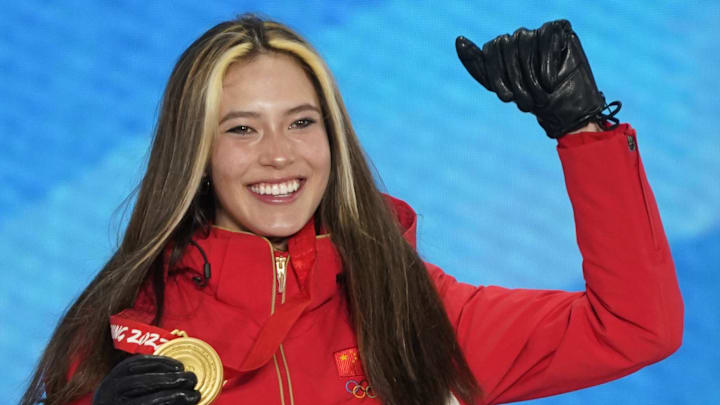
Olympic athletes earn most of their income outside of their sport through sponsorships and endorsements. Freestyle skier Eileen Gu, for example, was named the fourth top-paid female athlete in 2025 by Forbes with a total income of $23.1 million—the $23 million of that came solely from her sponsorships with brands such as Red Bull, Porsche and IWC Schaffhausen.
Skier Lindsey Vonn, who is making her Olympic return in Milan Cortina, tied for 18th on the list with an overall income of $8.2 million last year. She’s partnered with over 10 brands, include Rolex and Land Rover. Vonn’s income in 2026 will likely increase even more after she competes at the Winter Olympics since many sponsorships are based around when athletes are most popular and shown internationally.
What non-monetary rewards can medalists receive?
In order to entice athletes to compete at the Olympics apart from bragging rights and some money, some countries have found ways to incentivize their athletes with other benefits.
For example, at the 2016 Rio Olympics, Russia gave out luxury cars, apartments and racehorses to winners from their country. That same year, German winners received a lifetime supply of beer. For South Korean male athletes, if they win a medal, then they don’t have to participate in the country’s requirement of joining the military for 18 months.
As for Team USA participants, they will receive various name brand clothing from Ralph Lauren and Nike, and even some electronics from Samsung. The United States does not incentivize the athletes in the same ways as other countries have with talk of free housing or cars, but there is a better chance of the athletes earning sponsorship deals when they compete on the national stage.
The emotional reward of Olympic victory
It’s every Olympic athlete’s dream to stand on the podium and hear their country’s national anthem played after winning their competition.
The top three finishers in each event will stand on a tiered platform when receiving their medals. From there, the gold medalist’s home country’s national anthem is played across the venue.
Sometimes a moment like this is worth more than any monetary value. The best moments in life are priceless, right?
More Winter Olympics on Sports Illustrated
 Add us as a preferred source on Google
Madison Williams was a staff writer on the Breaking and Trending News team at Sports Illustrated, where she specialized in tennis but covered a wide range of sports from a national perspective. Before joining SI in 2022, Williams worked at The Sporting News. Having graduated from Augustana College, she completed a master’s in sports media at Northwestern University.
Follow madisonwsports