%20%20--%3E%0A%3Csvg%20version%3D%221.1%22%20id%3D%22Layer_1%22%20xmlns%3D%22http%3A%2F%2Fwww.w3.org%2F2000%2Fsvg%22%20xmlns%3Axlink%3D%22http%3A%2F%2Fwww.w3.org%2F1999%2Fxlink%22%20x%3D%220px%22%20y%3D%220px%22%0A%09%20width%3D%2239px%22%20height%3D%2240px%22%20viewBox%3D%220%200%2039%2040%22%20enable-background%3D%22new%200%200%2039%2040%22%20xml%3Aspace%3D%22preserve%22%3E%0A%3Cpath%20fill%3D%22%23FFFFFF%22%20d%3D%22M38.5%2C7H28.2v26h10.3V7z%22%2F%3E%0A%3Cpath%20fill-rule%3D%22evenodd%22%20clip-rule%3D%22evenodd%22%20fill%3D%22%23FFFFFF%22%20d%3D%22M26.1%2C25.5c0%2C5.8-4.1%2C7.5-12.9%2C7.5C3.9%2C33%2C0%2C31.2%2C0%2C25.2v-1.1h11.6%0A%09v2.4c0%2C0.7%2C0.1%2C1.4%2C1.2%2C1.4c1%2C0%2C1.2-0.4%2C1.2-1.3v-0.9c0-1.6-0.9-1.6-3.5-2.2C2.2%2C21.7%2C0%2C19.7%2C0%2C15.3v-0.9C0%2C9.3%2C5.5%2C7%2C12.9%2C7%0A%09c10.2%2C0%2C12.8%2C2.6%2C12.8%2C7.4v1.8h-11v-2.9c0-0.6-0.4-1.1-1.2-1.1c-0.6%2C0-1.2%2C0.4-1.2%2C1.1v0.9c0%2C1.5%2C0.9%2C2%2C3.3%2C2.5%0A%09c8%2C1.6%2C10.5%2C3.3%2C10.5%2C7.5V25.5z%22%2F%3E%0A%3C%2Fsvg%3E%0A)
Most Innovative Coaches in NCAA Basketball History
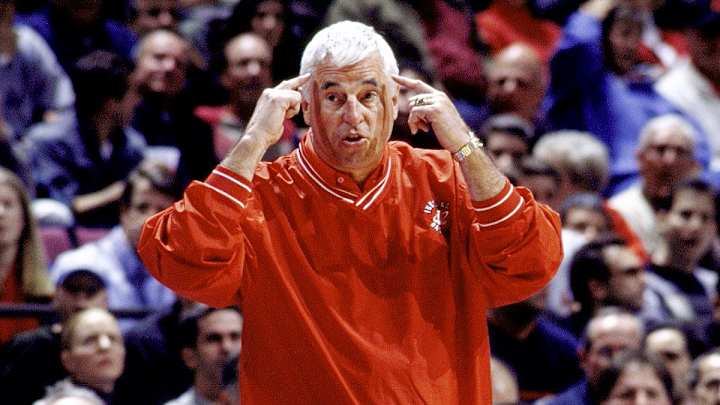
Most Innovative Coaches in NCAA Basketball History
Dean Smith
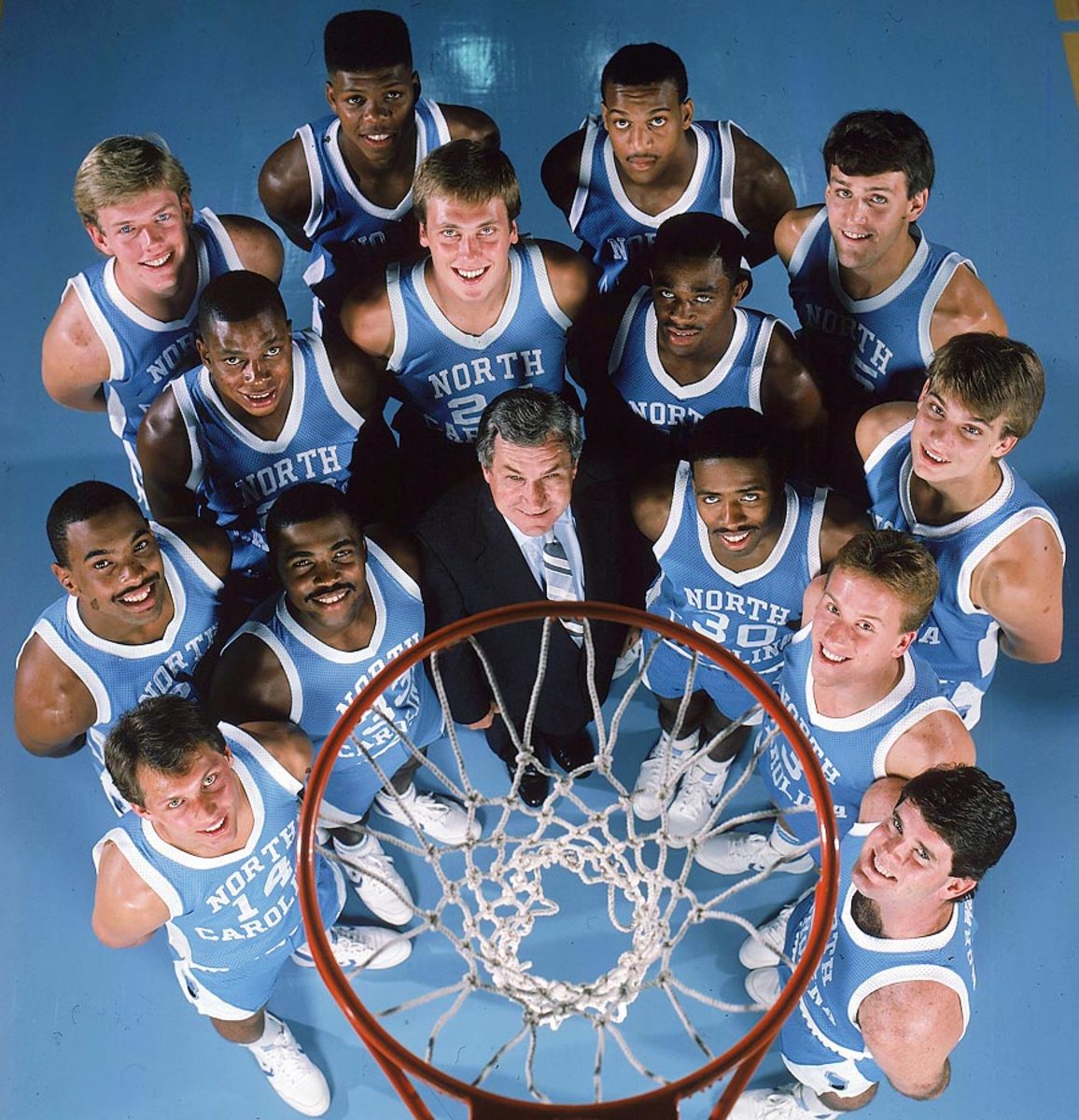
Smith was an innovator on the court and off it. He is the father of modern basketball analytics, and was even a proponent of the shot clock despite his reputation with the four-corners offense. Off the court, he fought for racial equality in North Carolina and across the country.
Hank Iba
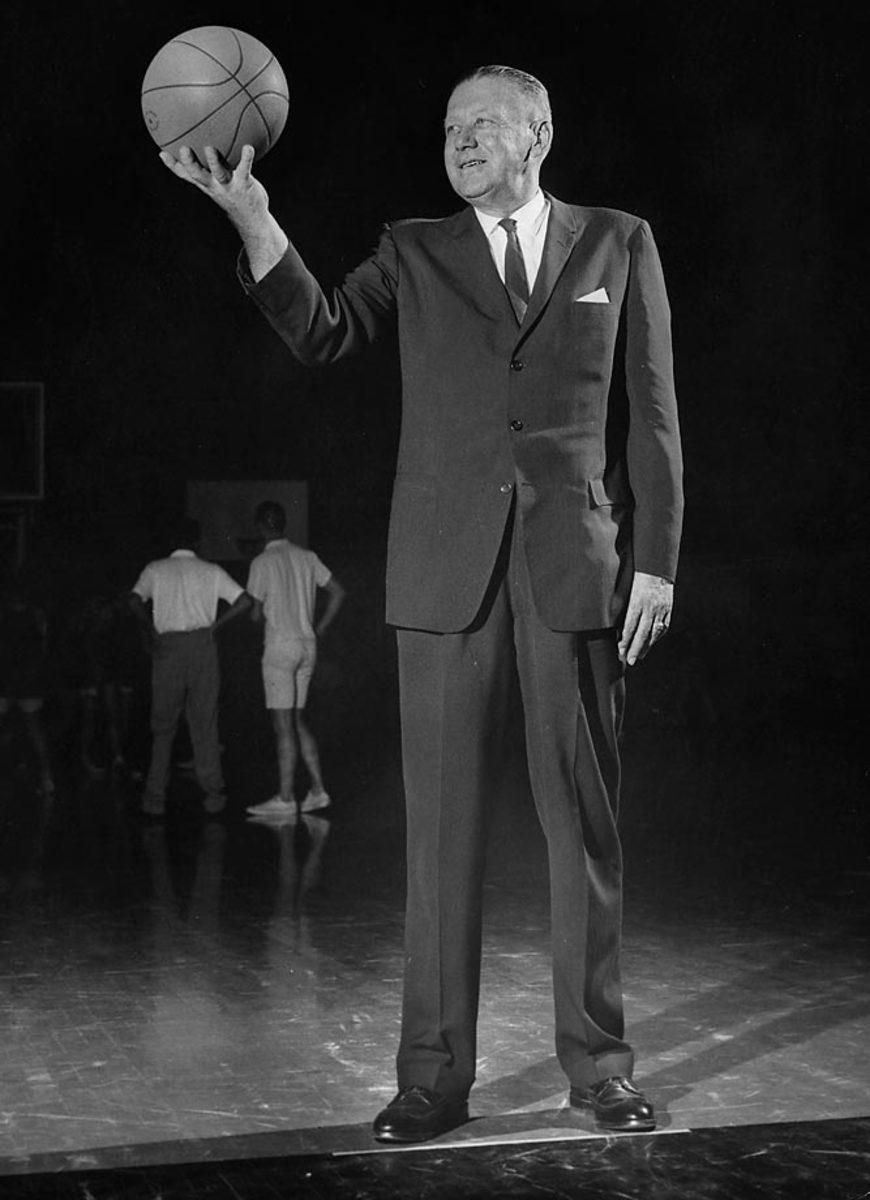
Although he’s probably best remembered for his work with the U.S. Olympics basketball teams, Iba won 767 games and two national championships during his 41-year college coaching career. He was a proponent of slow-tempo basketball in the no-shot-clock era, coaching his team’s to shoot only when absolutely necessary and to play lockdown defense. His teams didn’t break 50 points in either national championship victory.
Jerry Tarkanian
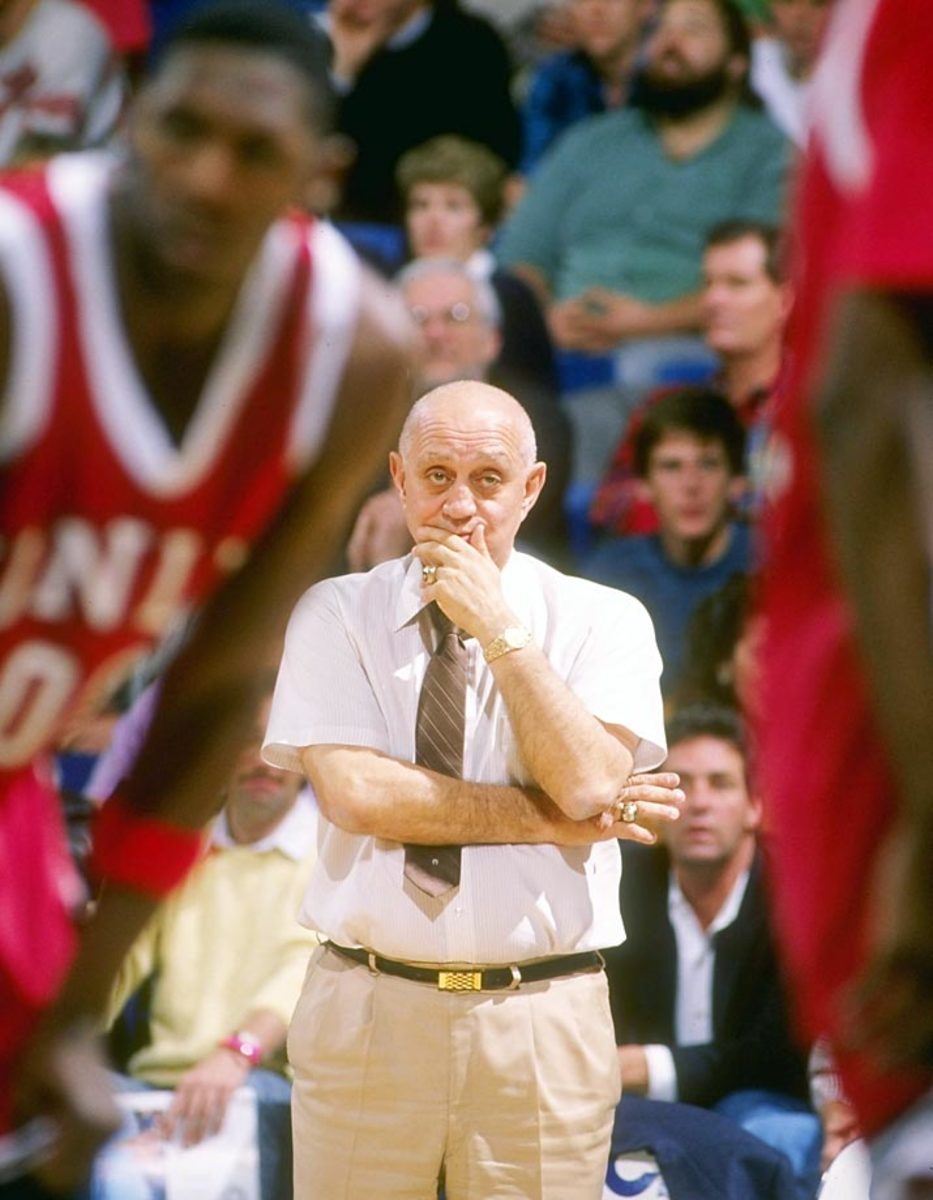
Tarkanian’s teams are mainly remembered for being high scoring even before the shot clock, but his biggest contribution to the game may be his amoeba defense. The amoeba defense is a gambling zone that he employed as an off-look from his standard man-to-man defense, and it disrupted offenses. Tarkanian was also an innovator off the court; he was never afraid to point out the hypocrisy of the NCAA. History is slowly vindicating his rebel reputation.
Tex Winter
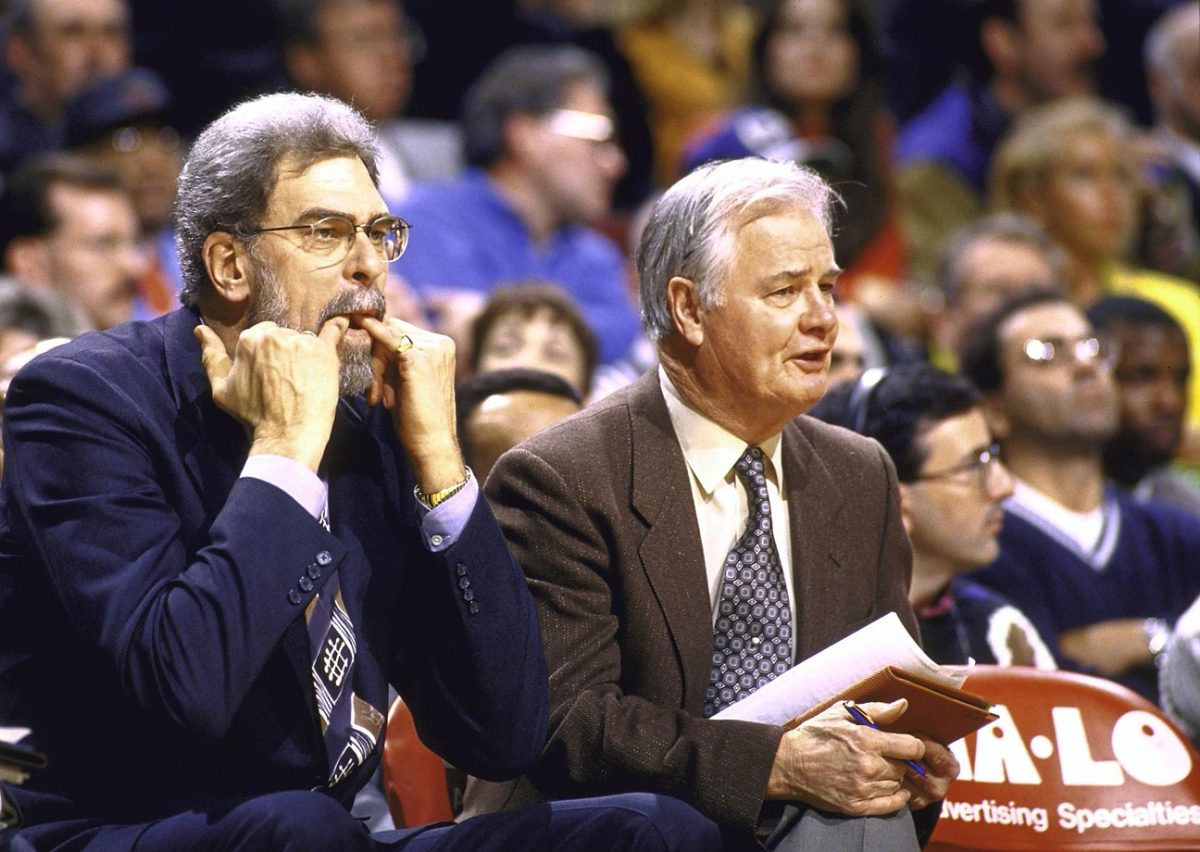
Although Sam Barry is credited with inventing the triangle offense, Winter perfected it as an assistant at Kansas State. He quite literally wrote the book on the scheme, called The Triple-Post Offense. Although he developed his system in the college ranks, it’s now best known because Winter and head coach Phil Jackson used it to help the Bulls and Lakers win nine NBA championships.
Bobby Knight
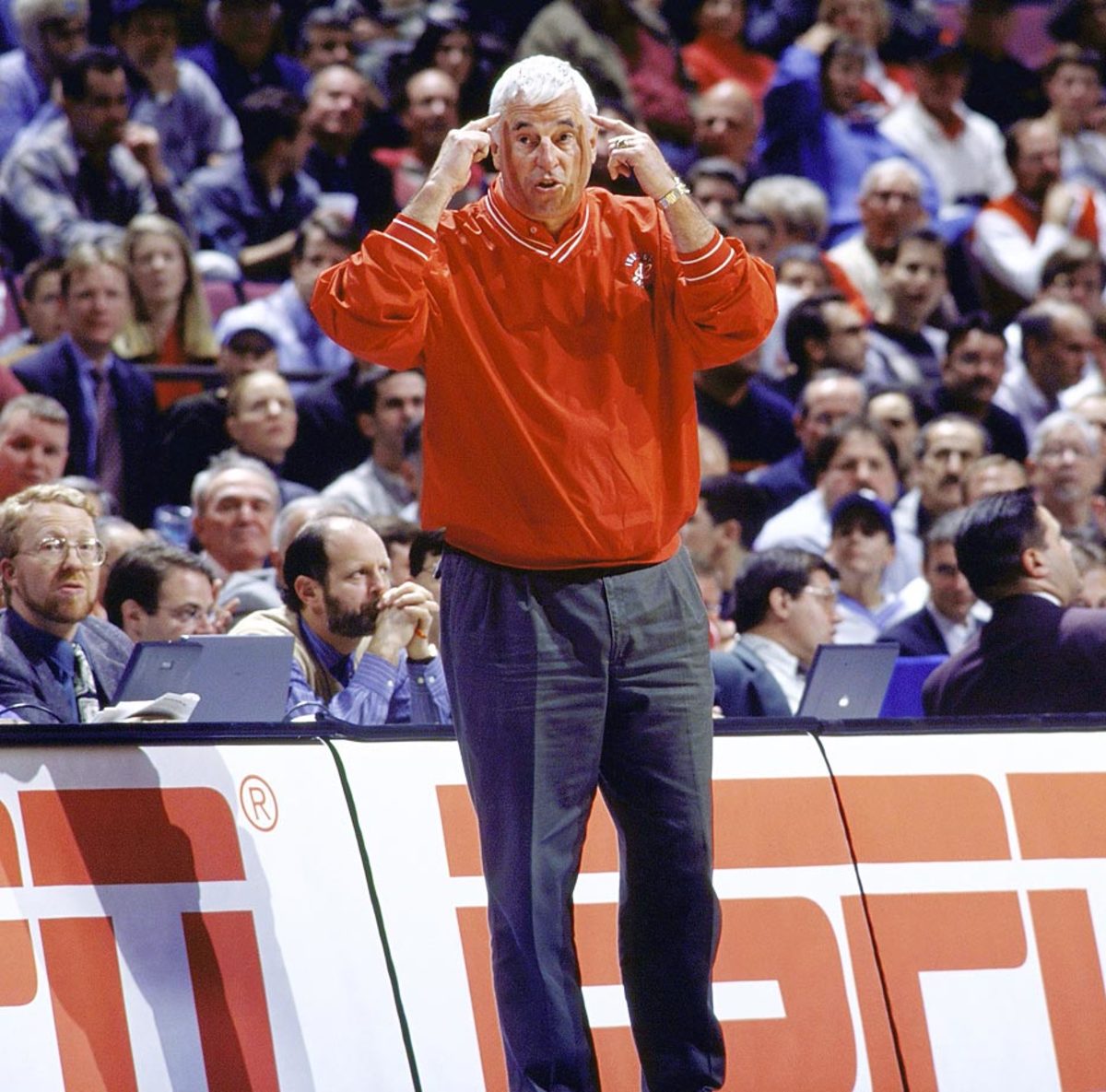
Knight developed his famous motion offense after watching Princeton run its offense while he was a coach at West Point. The motion offense revolves around spacing and emphasizes screening, slashing and passing over shooting three-pointers. The elements of this offense are still seen throughout the sport.
Rick Pitino
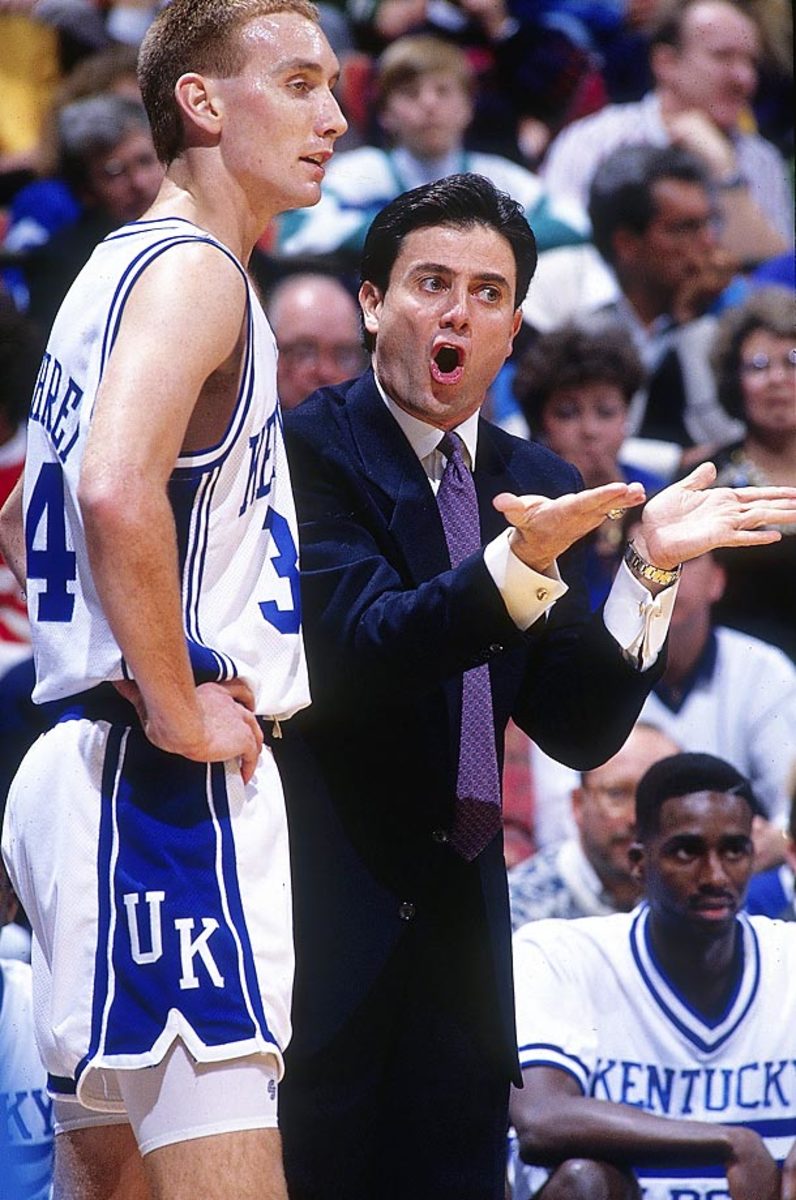
After the three-point line was adapted in 1987, Pitino became its champion. His ’90s teams at Kentucky were nicknamed Pitino’s Bombinos for their proclivity for shooting beyond the arc. You can understand Pitino’s impact in the size of his coaching tree: 21 former players and assistants have become head coaches.
Pete Newell
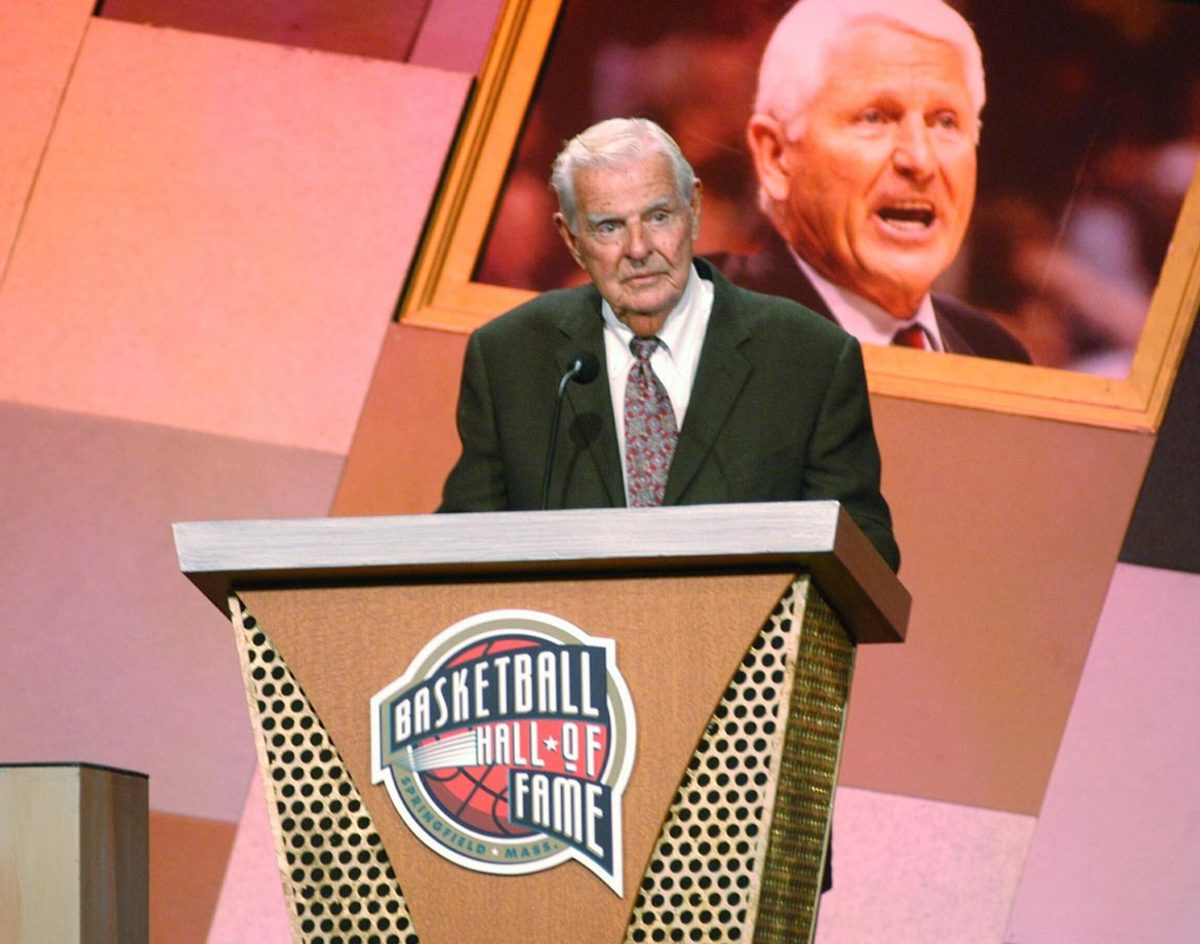
Newell achieved most of his basketball success at the end of his career, winning a national championship at Cal in 1959 and then coaching the gold medal-winning U.S. team in the 1960 Olympics. He’s best known, though, for his Big Man Camp. His students included Shaquille O’Neal, Hakeem Olajuwon and Bill Walton. It became the standard destination for big men before entering the NBA draft.
Nolan Richardson
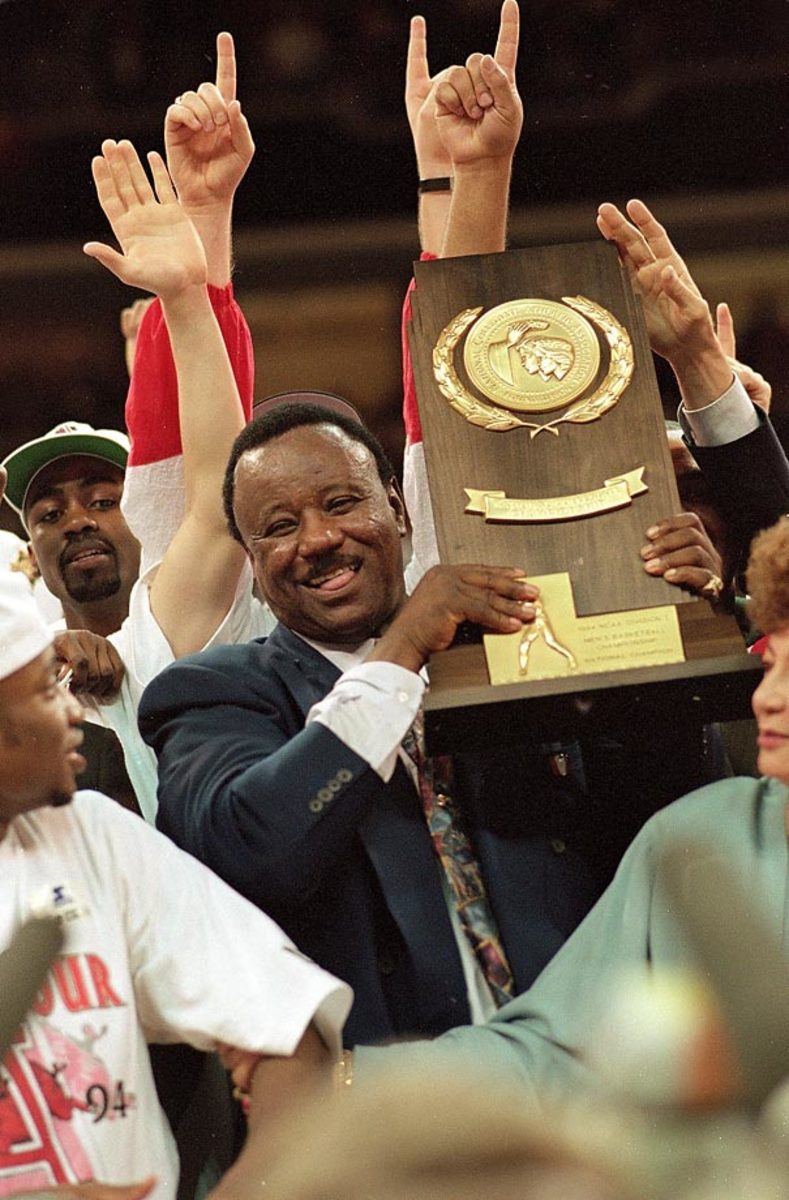
Richardson is the only man to coach an NIT championship, a Junior College championship and a D-I championship during his career. He is best known for his pressure defenses, which were dubbed “40 minutes of hell.”
Guy Lewis
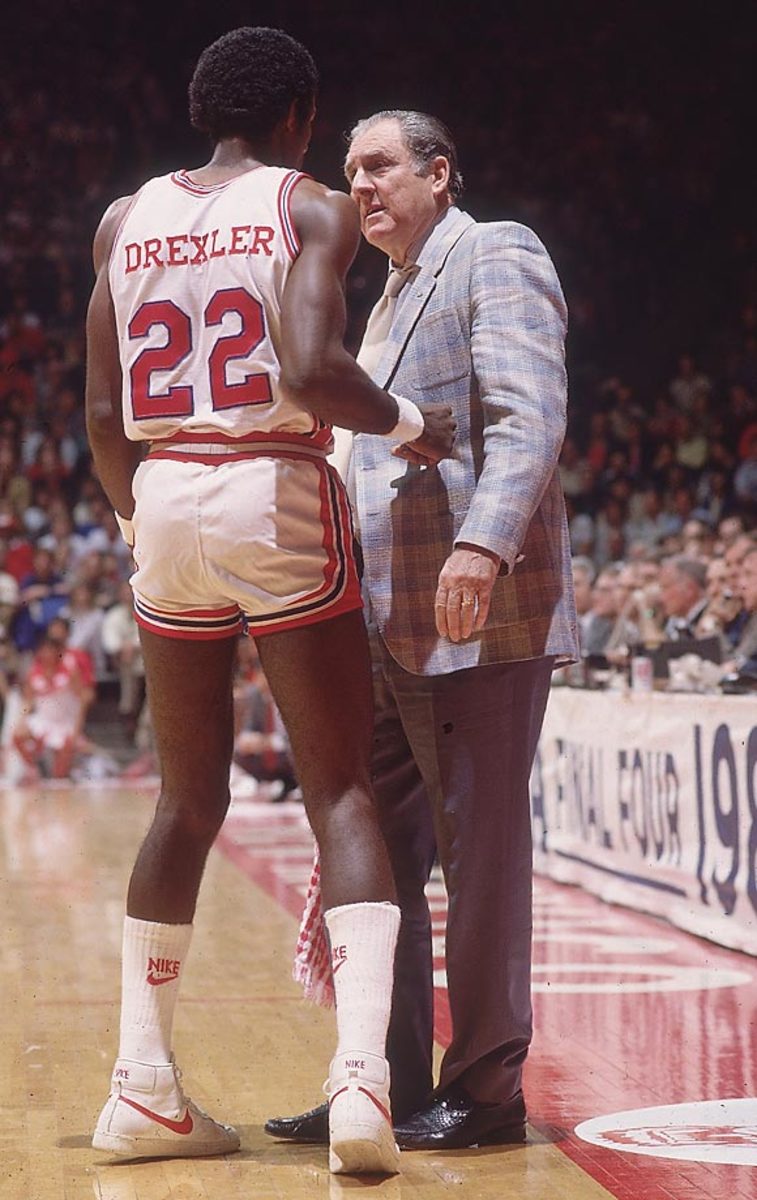
Lewis had a near-dynasty at Houston with his Phi Slama Jama teams. His contribution to the game was allowing his players to employ a playground-influenced, freewheeling form of basketball. His contemporary John Wooden considered dunking unsportsmanlike; Lewis insisted that his players dunk.
Dick Bennett
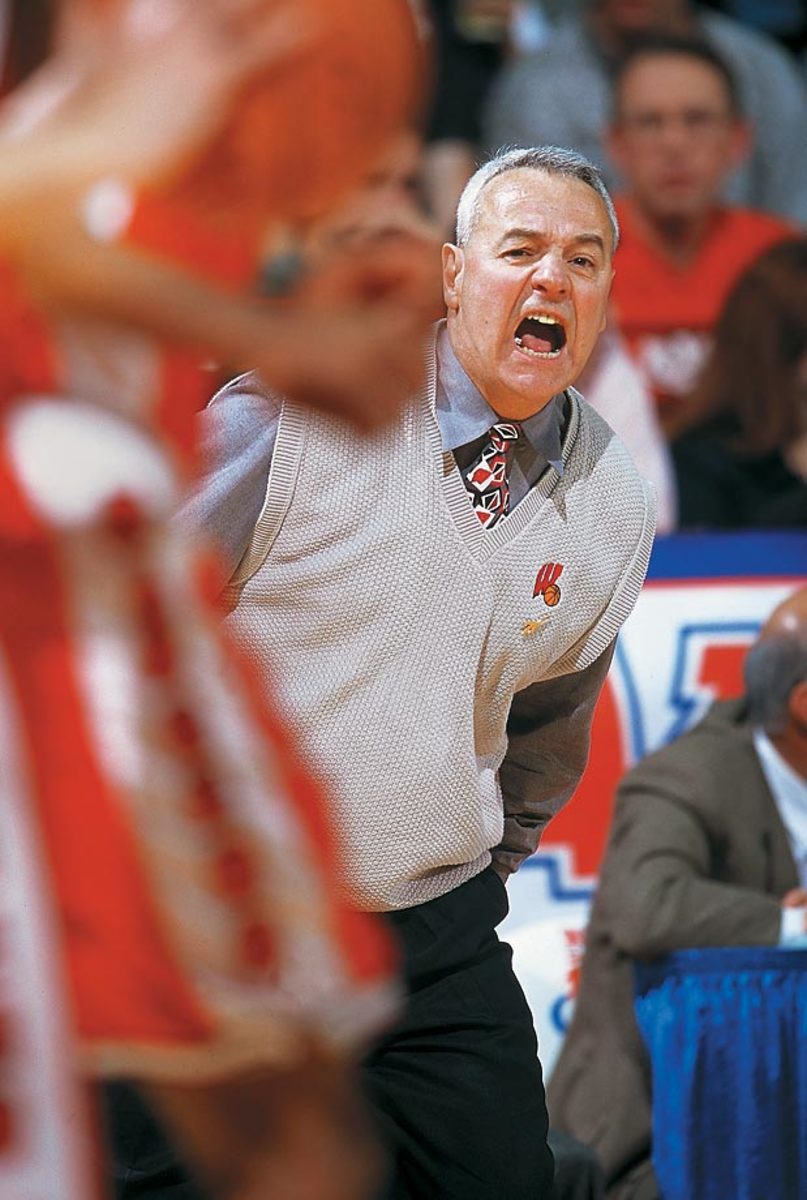
Bennett was twice an innovated college basketball coach. While running D-III Wisconsin-Stevens Point in the 1980s, he was an exponent of pressuring, turnover-creating defense. When he moved on to mid-major Wisconsin-Green Bay, he did a philosophical 180 by inventing the Pack Line defense. It’s still widely — and successfully — used today, including by Arizona coach Sean Miller and Dick’s son, Virginia coach Tony.
John Wooden
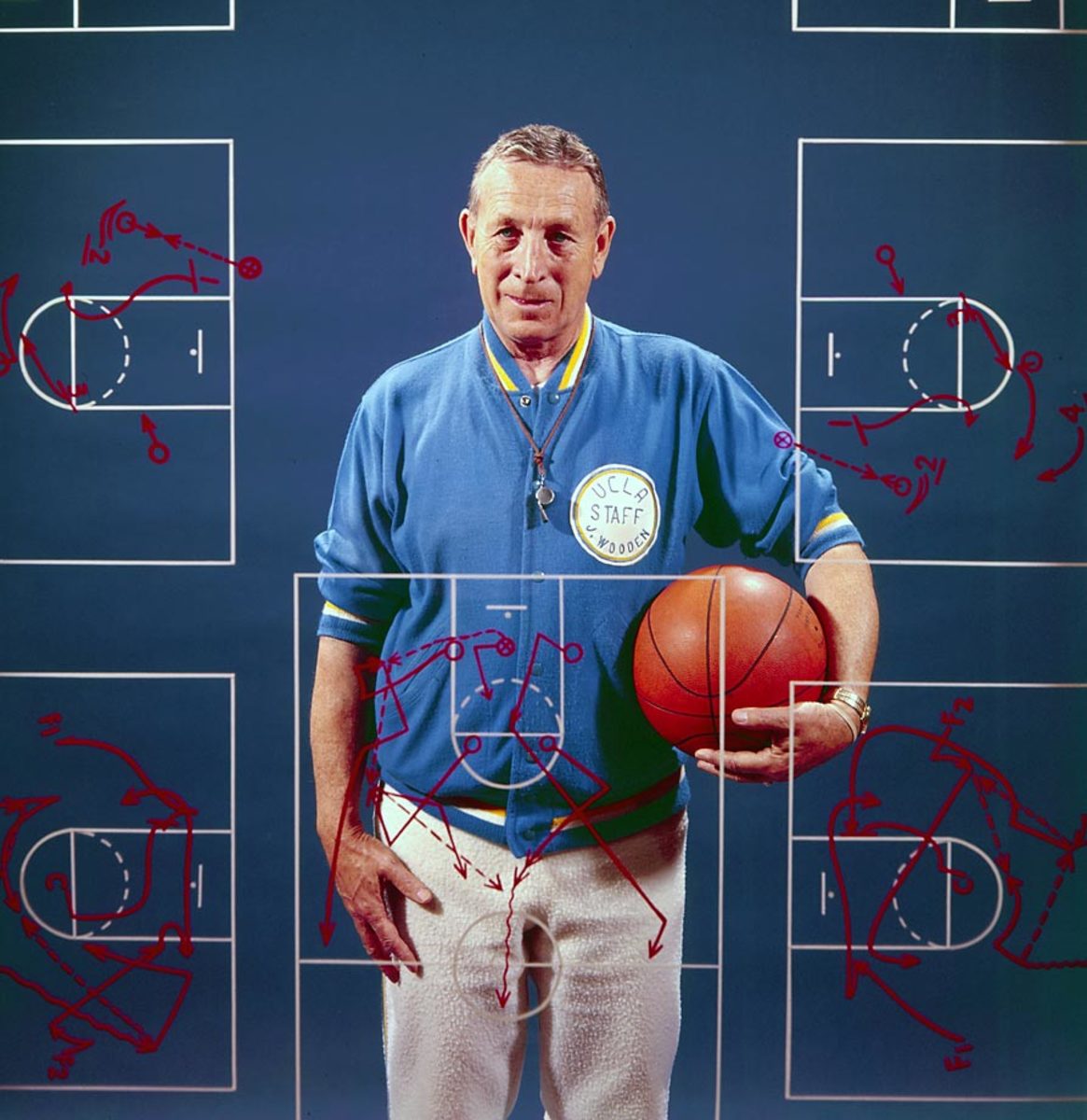
Wooden’s most famous basketball innovation, the 2-2-1 zone press, was actually developed by assistant Jerry Norman, who coached UCLA’s freshman team. They employed it as a way to beat rival Pete Newell, who played ball-control offense. But Wooden’s most lasting innovations are in his team-building, leadership and development. Sports programs and business lessons alike rely on lessons from Wooden to this day.
John Calipari
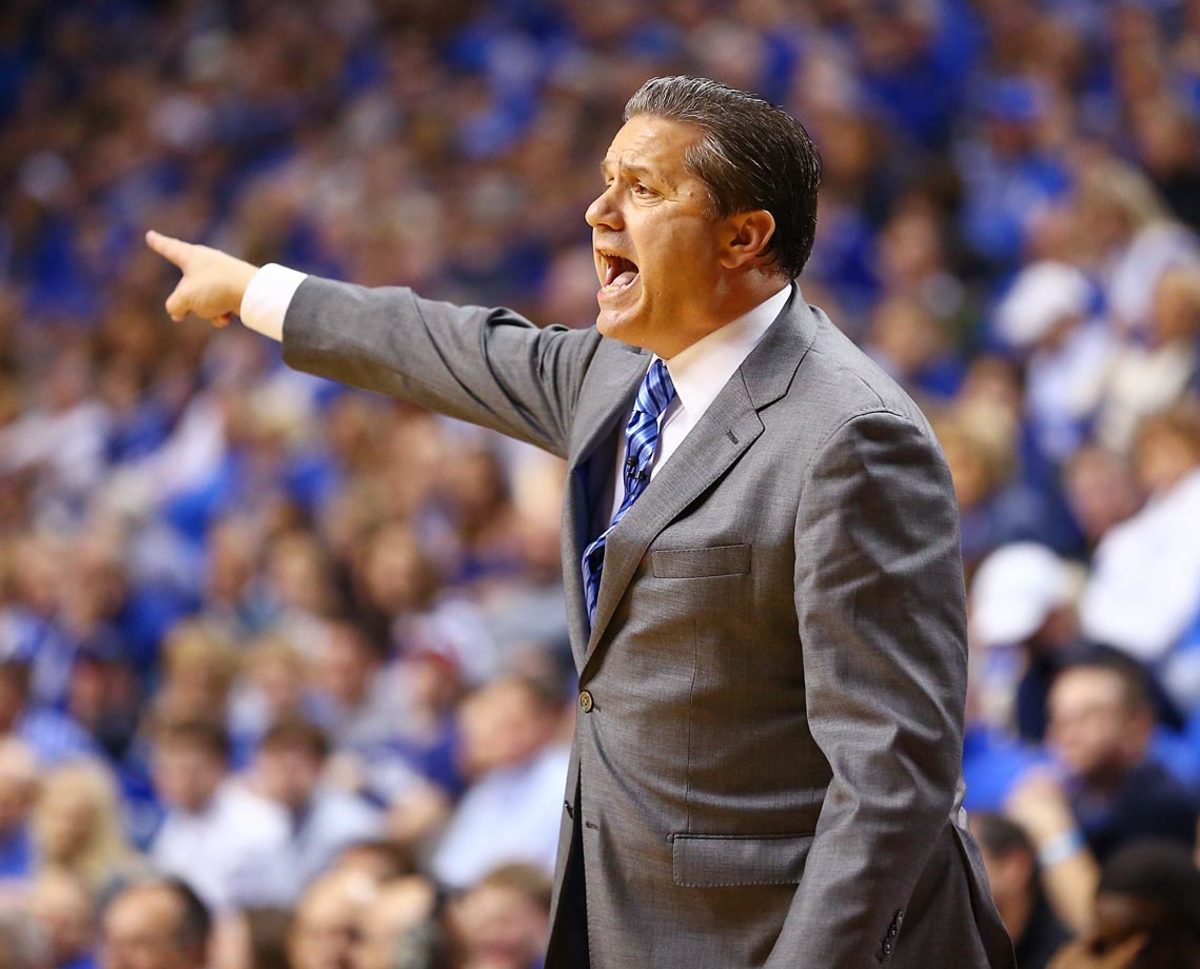
Love him or hate him, Calipari has been successful at every stop in his career. No coach working right now has embraced the one-and-done era of college basketball better than Calipari. This season, he’s convinced nine former McDonald’s All-Americas to play as a team — and to play no more than 20 minutes each.
 Add us as a preferred source on Google