%20%20--%3E%0A%3Csvg%20version%3D%221.1%22%20id%3D%22Layer_1%22%20xmlns%3D%22http%3A%2F%2Fwww.w3.org%2F2000%2Fsvg%22%20xmlns%3Axlink%3D%22http%3A%2F%2Fwww.w3.org%2F1999%2Fxlink%22%20x%3D%220px%22%20y%3D%220px%22%0A%09%20width%3D%2239px%22%20height%3D%2240px%22%20viewBox%3D%220%200%2039%2040%22%20enable-background%3D%22new%200%200%2039%2040%22%20xml%3Aspace%3D%22preserve%22%3E%0A%3Cpath%20fill%3D%22%23FFFFFF%22%20d%3D%22M38.5%2C7H28.2v26h10.3V7z%22%2F%3E%0A%3Cpath%20fill-rule%3D%22evenodd%22%20clip-rule%3D%22evenodd%22%20fill%3D%22%23FFFFFF%22%20d%3D%22M26.1%2C25.5c0%2C5.8-4.1%2C7.5-12.9%2C7.5C3.9%2C33%2C0%2C31.2%2C0%2C25.2v-1.1h11.6%0A%09v2.4c0%2C0.7%2C0.1%2C1.4%2C1.2%2C1.4c1%2C0%2C1.2-0.4%2C1.2-1.3v-0.9c0-1.6-0.9-1.6-3.5-2.2C2.2%2C21.7%2C0%2C19.7%2C0%2C15.3v-0.9C0%2C9.3%2C5.5%2C7%2C12.9%2C7%0A%09c10.2%2C0%2C12.8%2C2.6%2C12.8%2C7.4v1.8h-11v-2.9c0-0.6-0.4-1.1-1.2-1.1c-0.6%2C0-1.2%2C0.4-1.2%2C1.1v0.9c0%2C1.5%2C0.9%2C2%2C3.3%2C2.5%0A%09c8%2C1.6%2C10.5%2C3.3%2C10.5%2C7.5V25.5z%22%2F%3E%0A%3C%2Fsvg%3E%0A)
Get Ready for the College Football Season to Start Earlier Than Ever
For decades now, the game of college football has been August-curious.
First came the Kickoff Classic, an annual game in the dying weeks of August played in East Rutherford, N.J., beginning in 1983. The Pigskin Classic, in Anaheim, followed in 1990—giving the sport early footholds in the nation’s two largest media markets.
While those “preseason” games have not survived, the sport’s eagerness to give fans a taste of coming attractions with a smattering of “Week Zero” games has. And now, in the not-too-distant future, it appears that fans will be treated to more than a smattering.
On Thursday, the NCAA’S FBS Oversight Committee formally recommended that “Week Zero” become the sport’s one, true start date in 2027.
College football’s coming new era: 14 weeks to play 12 games
“Under the proposal, future FBS regular seasons would be standardized to 14 weeks, during which teams could schedule 12 games,” the FBS Oversight Committee said in a Thursday afternoon release. “The season would begin on the Thursday of what is now designated Week 0 and end on the Saturday after Thanksgiving.”
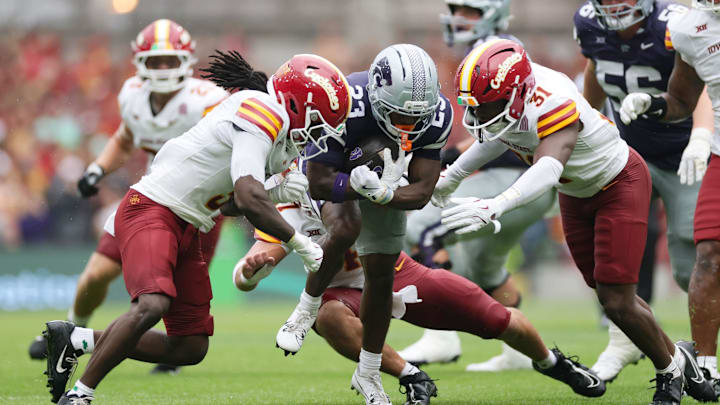
Previously, the season would begin (as the name implies) in what is now designated as Week 1. In order to play a game in Week 0, a team would have to obtain a waiver from the NCAA. It has been common for teams to use these waivers to play in far-flung locales, such as Hawaii, Australia and Ireland. In 2026, Virginia and NC State will use the week to play in Rio de Janeiro.
Projecting forward based on the calendrical looks of past season, the `27 campaign will presumably begin Aug. 26, the `28 season Aug. 24, and the `29 season on Aug. 23.
There are three methods to the schedule-makers’ madness
Let’s break down the trio of reasons the Oversight Committee gave for the recommendation.
Reason No. 1: “A 14-week regular season annually provides two open dates”
That’s important for the simple reason that the game calendar is getting quite crowded. Miami played 16 games in 2025, and Ohio State did the same in 2024. They may earn money above board now, but college football players remain (mostly) 18- to 21-year-olds balancing the demands of a violent game with academic obligations. Next to altering the Earth’s rotation around the Sun—most teams currently get two open dates only when the first Saturday falls on Aug. 30 or 31—this is the quickest fix for any worry about player overwork during the regular year.
Reason No. 2: “Flexibility for potential changes to the postseason”
Translation: “We reserve the right to coin more money.” A hard stop right after Thanksgiving leaves FBS’s options open in December, should the itch to expand the CFP to 16 or 24 (or more) teams flare up in the coming years, and it also...
Reason No. 3: “Preserves standalone weekends for conference championships and the Army-Navy game.”
Both are in some form of trouble, if certain administrators have their way: Alabama athletic director Greg Byrne floated killing off the SEC championship earlier this month, while Black Knights coach Jeff Monken has suggested moving Army’s annual game against the Midshipmen to Thanksgiving. By opening up the last weekend of August for colonization, the Oversight Committee can kick these issues down the road. These are only so many weekends in December to go around, but that seems to be a problem for another day.
More College Football from Sports Illustrated
 Add us as a preferred source on Google
Patrick Andres is a staff writer on the Breaking and Trending News team at Sports Illustrated. He joined SI in December 2022, having worked for The Blade, Athlon Sports, Fear the Sword and Diamond Digest. Andres has covered everything from zero-attendance Big Ten basketball to a seven-overtime college football game. He is a graduate of Northwestern University's Medill School of Journalism with a double major in history .
Follow PAndres2001