%20%20--%3E%0A%3Csvg%20version%3D%221.1%22%20id%3D%22Layer_1%22%20xmlns%3D%22http%3A%2F%2Fwww.w3.org%2F2000%2Fsvg%22%20xmlns%3Axlink%3D%22http%3A%2F%2Fwww.w3.org%2F1999%2Fxlink%22%20x%3D%220px%22%20y%3D%220px%22%0A%09%20width%3D%2239px%22%20height%3D%2240px%22%20viewBox%3D%220%200%2039%2040%22%20enable-background%3D%22new%200%200%2039%2040%22%20xml%3Aspace%3D%22preserve%22%3E%0A%3Cpath%20fill%3D%22%23FFFFFF%22%20d%3D%22M38.5%2C7H28.2v26h10.3V7z%22%2F%3E%0A%3Cpath%20fill-rule%3D%22evenodd%22%20clip-rule%3D%22evenodd%22%20fill%3D%22%23FFFFFF%22%20d%3D%22M26.1%2C25.5c0%2C5.8-4.1%2C7.5-12.9%2C7.5C3.9%2C33%2C0%2C31.2%2C0%2C25.2v-1.1h11.6%0A%09v2.4c0%2C0.7%2C0.1%2C1.4%2C1.2%2C1.4c1%2C0%2C1.2-0.4%2C1.2-1.3v-0.9c0-1.6-0.9-1.6-3.5-2.2C2.2%2C21.7%2C0%2C19.7%2C0%2C15.3v-0.9C0%2C9.3%2C5.5%2C7%2C12.9%2C7%0A%09c10.2%2C0%2C12.8%2C2.6%2C12.8%2C7.4v1.8h-11v-2.9c0-0.6-0.4-1.1-1.2-1.1c-0.6%2C0-1.2%2C0.4-1.2%2C1.1v0.9c0%2C1.5%2C0.9%2C2%2C3.3%2C2.5%0A%09c8%2C1.6%2C10.5%2C3.3%2C10.5%2C7.5V25.5z%22%2F%3E%0A%3C%2Fsvg%3E%0A)
SEC Now Riding Longest National Championship Drought in Decades
In this story:
When the confetti stopped falling after Indiana’s win over Miami in Monday’s national championship, a troubling truth emerged for 16 of the sport’s proudest programs.
The Hoosiers’ national championship means that the SEC—a conference that won seven titles in a row from 2006 to ‘12—has gone three straight years without winning a national championship. This became true after the Hurricanes defeated Ole Miss in the Fiesta Bowl, but Monday served to underline the conference’s stasis on the national stage.
The last time the SEC endured such a lengthy dry spell was from 1999 to 2002. After Tennessee won it all in 1998, Florida State, Oklahoma, Miami and Ohio State took turns lifting the trophy before LSU won a share of the crown in 2003.
What’s to blame? First and foremost, the Big Ten—winner of the last three titles—has grown prohibitively wealthy from its multi-pronged TV deal. The SEC has diversified its portfolio a bit—see its phenomenal 2025 in men’s basketball. The era of NIL and transfer liberalization has pointed college sports’s compass north—still the home of much of the nation’s wealth. Dumb luck has doubtlessly played a part, too—no conference has ever had a run of success remotely like the SEC’s late 2000s/early 2010s romp.
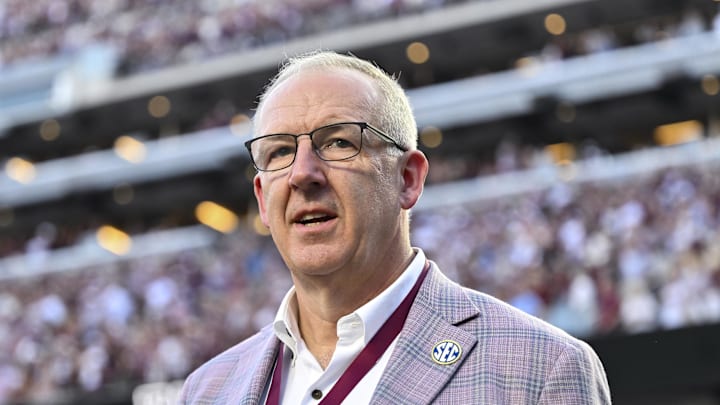
It’s clear, however, that the SEC needs to tweak its trajectory on the field. The league is still printing money, but the gap between its play and commissioner Greg Sankey’s big talk needs to shrink. A number of SEC teams will start next season in the mix—Georgia, LSU, Oklahoma and Texas, to name just a few—but it will take a special team to overcome the Big Ten’s physicality. What a sentence that is to ponder in a post-Indiana world.
More College Football on Sports Illustrated
 Add us as a preferred source on Google
Patrick Andres is a staff writer on the Breaking and Trending News team at Sports Illustrated. He joined SI in December 2022, having worked for The Blade, Athlon Sports, Fear the Sword and Diamond Digest. Andres has covered everything from zero-attendance Big Ten basketball to a seven-overtime college football game. He is a graduate of Northwestern University's Medill School of Journalism with a double major in history .
Follow PAndres2001