%20%20--%3E%0A%3Csvg%20version%3D%221.1%22%20id%3D%22Layer_1%22%20xmlns%3D%22http%3A%2F%2Fwww.w3.org%2F2000%2Fsvg%22%20xmlns%3Axlink%3D%22http%3A%2F%2Fwww.w3.org%2F1999%2Fxlink%22%20x%3D%220px%22%20y%3D%220px%22%0A%09%20width%3D%2239px%22%20height%3D%2240px%22%20viewBox%3D%220%200%2039%2040%22%20enable-background%3D%22new%200%200%2039%2040%22%20xml%3Aspace%3D%22preserve%22%3E%0A%3Cpath%20fill%3D%22%23FFFFFF%22%20d%3D%22M38.5%2C7H28.2v26h10.3V7z%22%2F%3E%0A%3Cpath%20fill-rule%3D%22evenodd%22%20clip-rule%3D%22evenodd%22%20fill%3D%22%23FFFFFF%22%20d%3D%22M26.1%2C25.5c0%2C5.8-4.1%2C7.5-12.9%2C7.5C3.9%2C33%2C0%2C31.2%2C0%2C25.2v-1.1h11.6%0A%09v2.4c0%2C0.7%2C0.1%2C1.4%2C1.2%2C1.4c1%2C0%2C1.2-0.4%2C1.2-1.3v-0.9c0-1.6-0.9-1.6-3.5-2.2C2.2%2C21.7%2C0%2C19.7%2C0%2C15.3v-0.9C0%2C9.3%2C5.5%2C7%2C12.9%2C7%0A%09c10.2%2C0%2C12.8%2C2.6%2C12.8%2C7.4v1.8h-11v-2.9c0-0.6-0.4-1.1-1.2-1.1c-0.6%2C0-1.2%2C0.4-1.2%2C1.1v0.9c0%2C1.5%2C0.9%2C2%2C3.3%2C2.5%0A%09c8%2C1.6%2C10.5%2C3.3%2C10.5%2C7.5V25.5z%22%2F%3E%0A%3C%2Fsvg%3E%0A)
Miami finally forced to figure out life without Dwyane Wade
Your teams. Your favorite writers. Wherever you want them. Personalize SI with our new App. Install on iOS or Android.
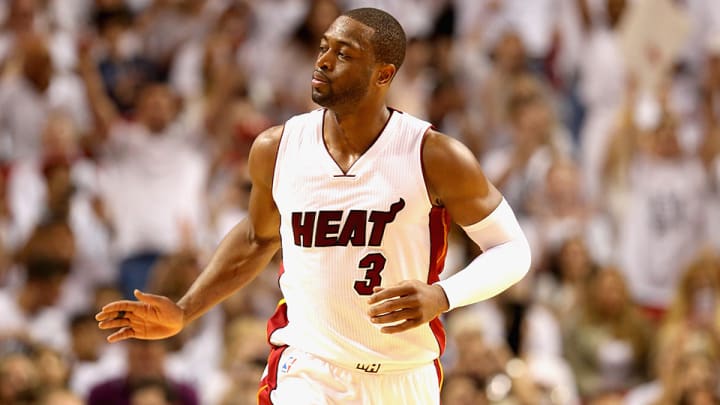
By the end, the money seemed almost beside the point. Dwyane Wade's decision to leave the Miami Heat for the Chicago Bulls was rooted in a financial dispute but settled in the damning difference of a few million. A local legend let it be known what he was looking for in a new deal and was negotiated down, over and over, by the Heat hard line. Technically, the process worked only as intended; the Heat attempted to use the fact that Wade wanted to stay in Miami as leverage for a more team-friendly deal. Wade reportedly saw disrespect in being treated like some nondescript free agent as opposed to a 13-year franchise cornerstone responsible for three titles.
There was belief around the league as recently as Wednesday that Wade would still make amends with the Heat—that this was merely another round of the same song and dance as free agencies before. Wade would entertain offers, Miami would bridge the gap, and both would continue their fruitful arrangement. Instead, while Wade might not have left for just any team (the Nuggets and Bucks, unfortunately, may have been just pawns in this), he apparently would for the Bulls.
• Wade joins Bulls, Heat left hanging | Players react to Wade's decision
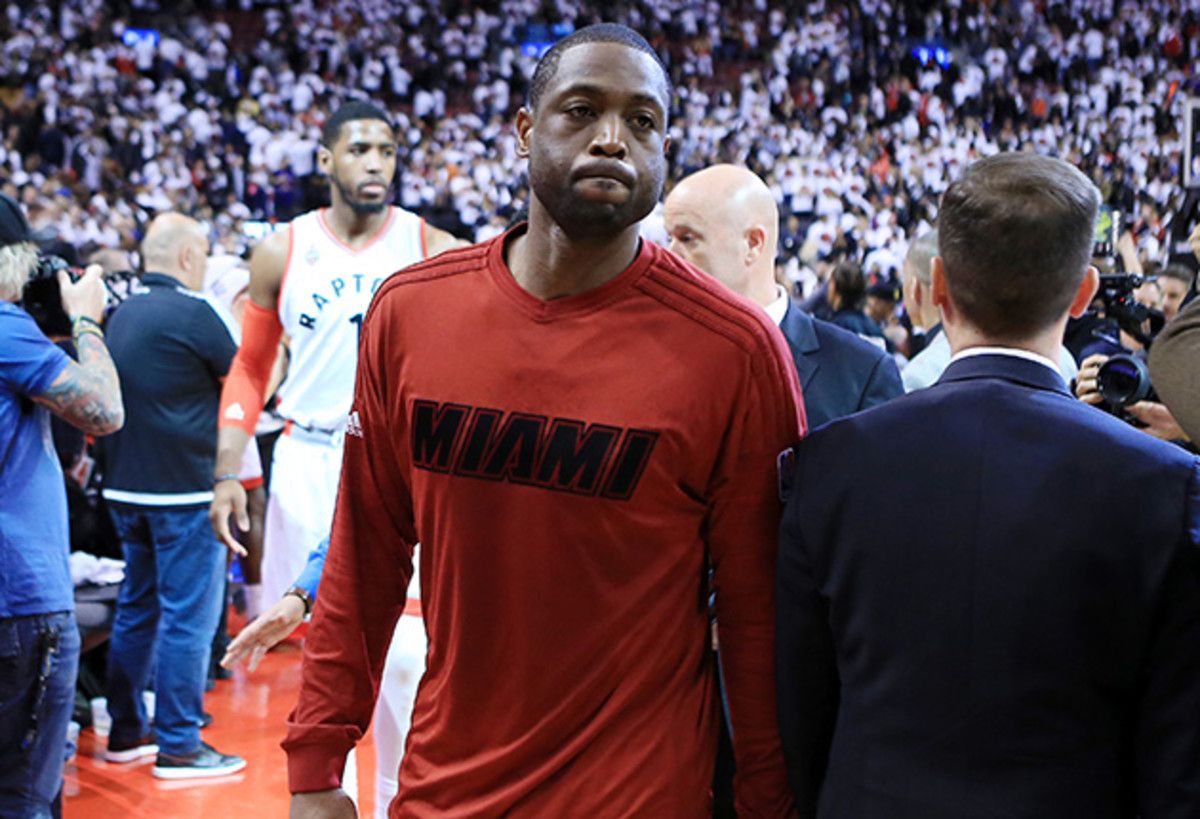
Wade grew up in the Chicago area, but this seems more like Wade electing to leave home than return there. The city of Miami had adopted and adored Wade. The Heat are the only NBA team he has ever known. This didn't trigger the same league-wide earthquake as Kevin Durant leaving Oklahoma City for Golden State, but it feels somehow even more jarring. One can understand why Miami would draw limits on how much to pay a 34-year-old, oft-injured star in decline. Reasonable explanation, though, doesn't much change the fact that the Heat will have to find their way without Wade for the first time since 2003.
Heat culture—the currency of the organization—has never seemed quite so precarious. Head coach Erik Spoelstra remains a great ambassador for its ideals and Pat Riley's looming presence brings the concept clout. Wade, though, was the exemplar: proud, hard-working, uncompromising, and relentlessly successful. It was through him that an era of Heat basketball took shape, even when he wasn't the team's best player. Losing that means something. Minutes and touches can be assumed by others. Wade's authority can't be, in part because it may be unequaled in the history of the franchise.
Biggest off-season moves in NBA history
Wilt Chamberlain, 1968
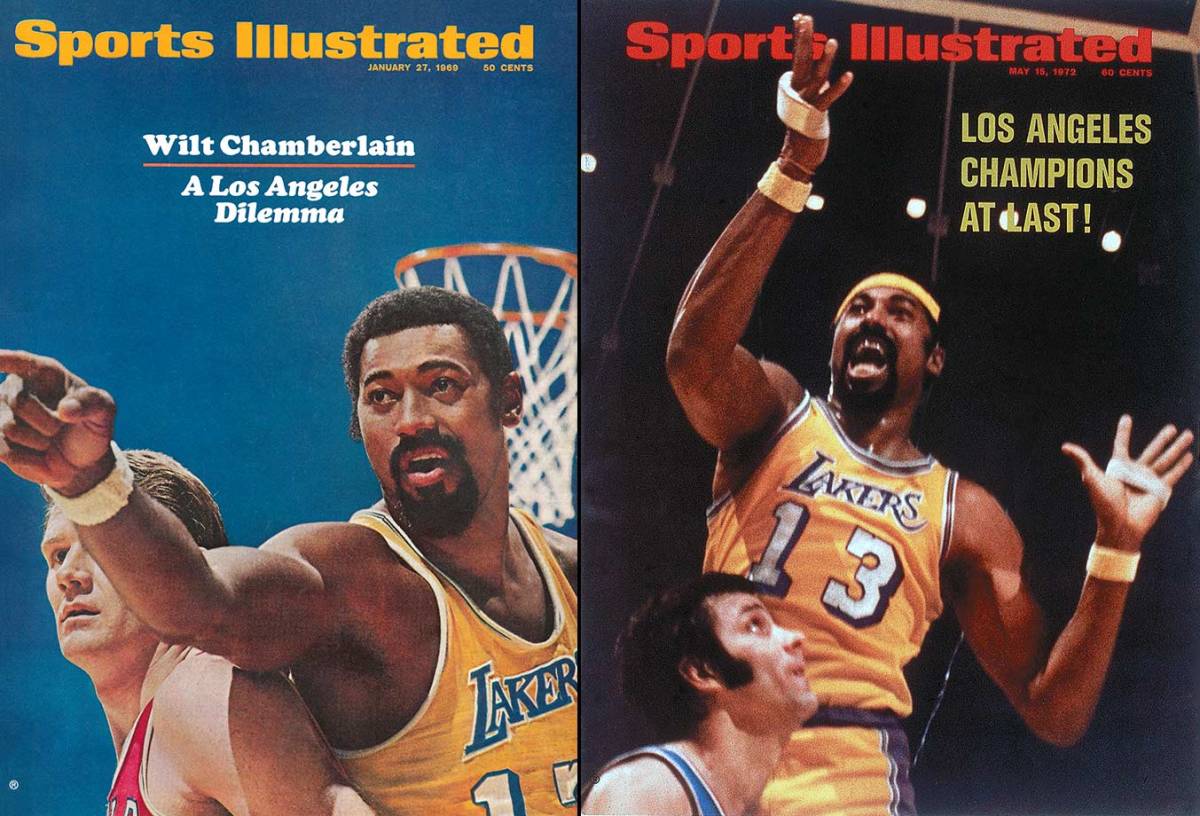
Wilt Chamberlain was traded to the Lakers only one year after winning the Finals with the Warriors. At times, Wilt struggled to fit in with Los Angeles. But in 1972, Chamberlain relinquished some of his offensive game to focus more on defense and rebounding, helping lead the Lakers to a championship—and his only Finals MVP award—in the process.
Kareem Abdul-Jabbar, 1975
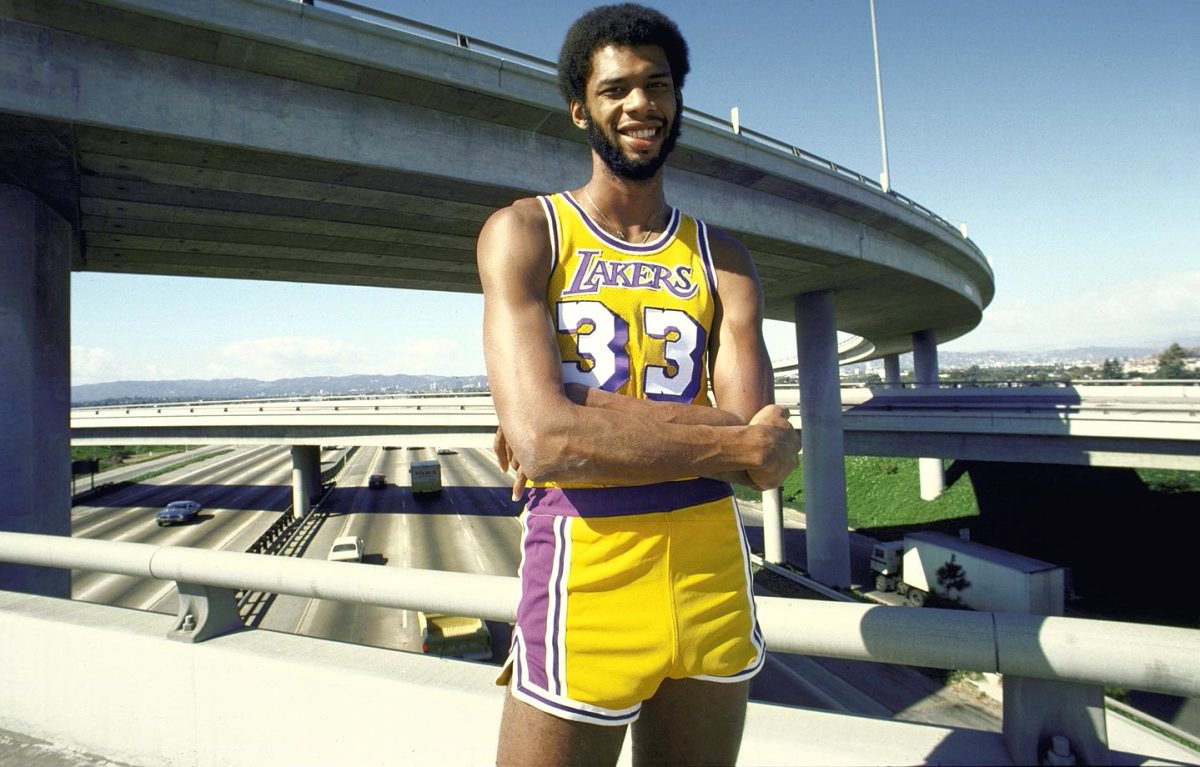
The Lakers acquired Kareem Abdul-Jabbar and his skyhook from Milwaukee in 1975, and he dominated the league while in Hollywood. Kareem won five titles with the Lakers, including a Finals MVP win in 1985, 14 years after his first Finals MVP with the Bucks. Kareem also won three regular season MVPs with the Lakers, and later coached for the franchise as well.
Moses Malone, 1982
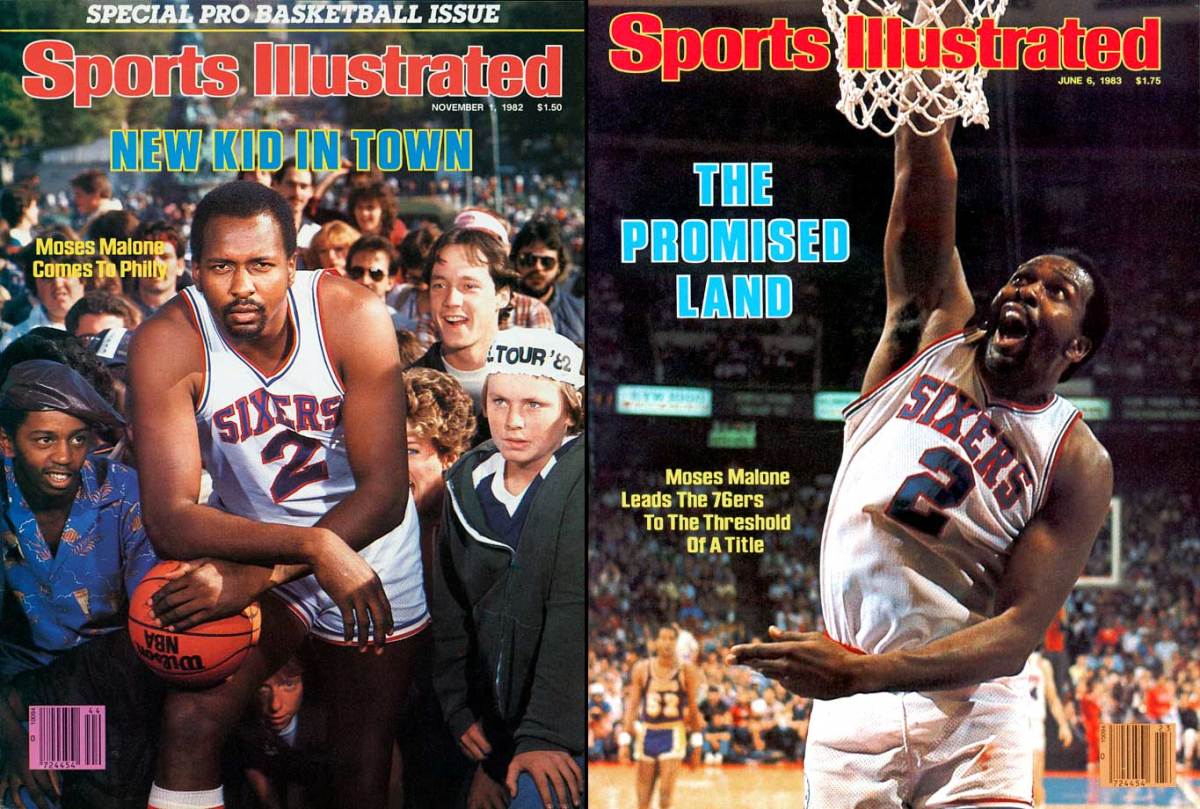
The Houston Rackets traded Moses Malone, who was coming off an MVP season, to the 76ers. Malone quickly formed an unstoppable duo with Julius Erving, and the two led Philly to an NBA Finals in in 1983. Malone won MVP during the regular season, making him the only player to win the award two straight years with different teams.
Shaquille O’Neal, 1996
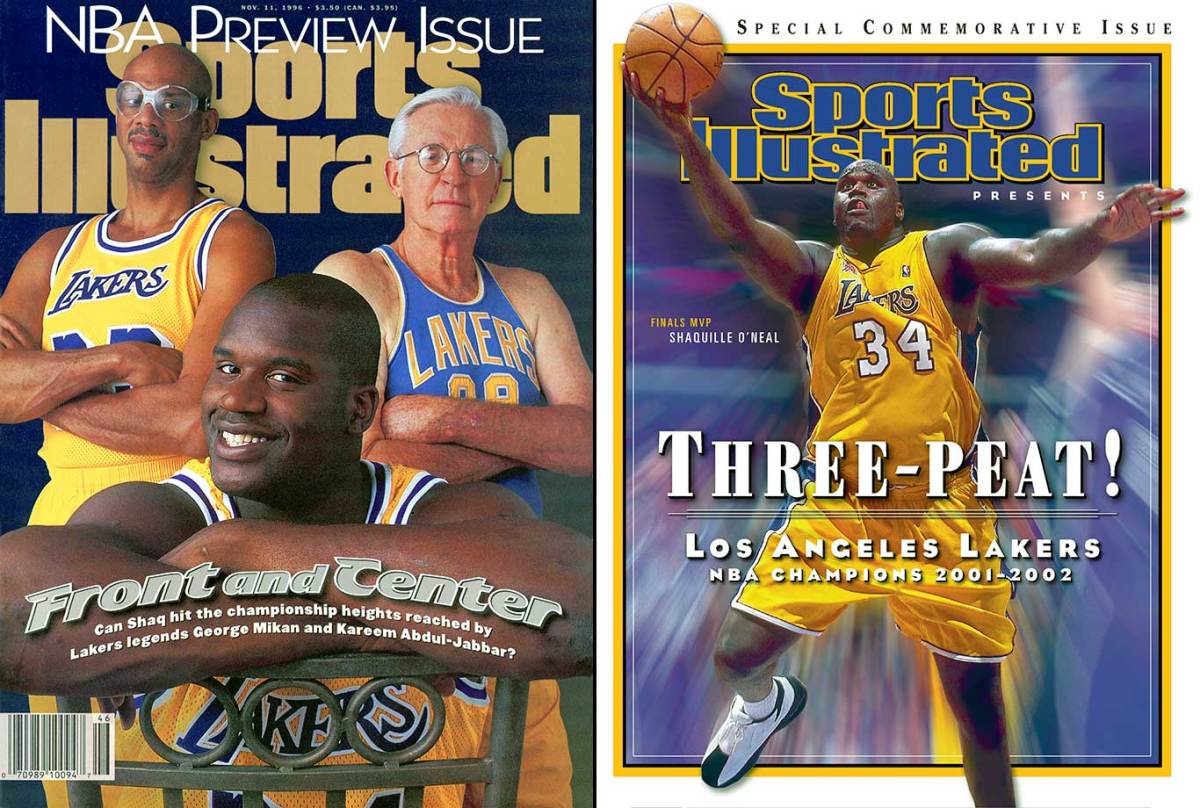
Shaquille O’Neal left the team that drafted him, the Orlando Magic, for the Lakers in the summer of 1996, signing a seven-year, $120 million deal with Los Angeles. Shaq would win three championships with L.A., forming an a legendary—but combustible—combination with Phil Jackson and Kobe Bryant.
Tracy McGrady, 2000
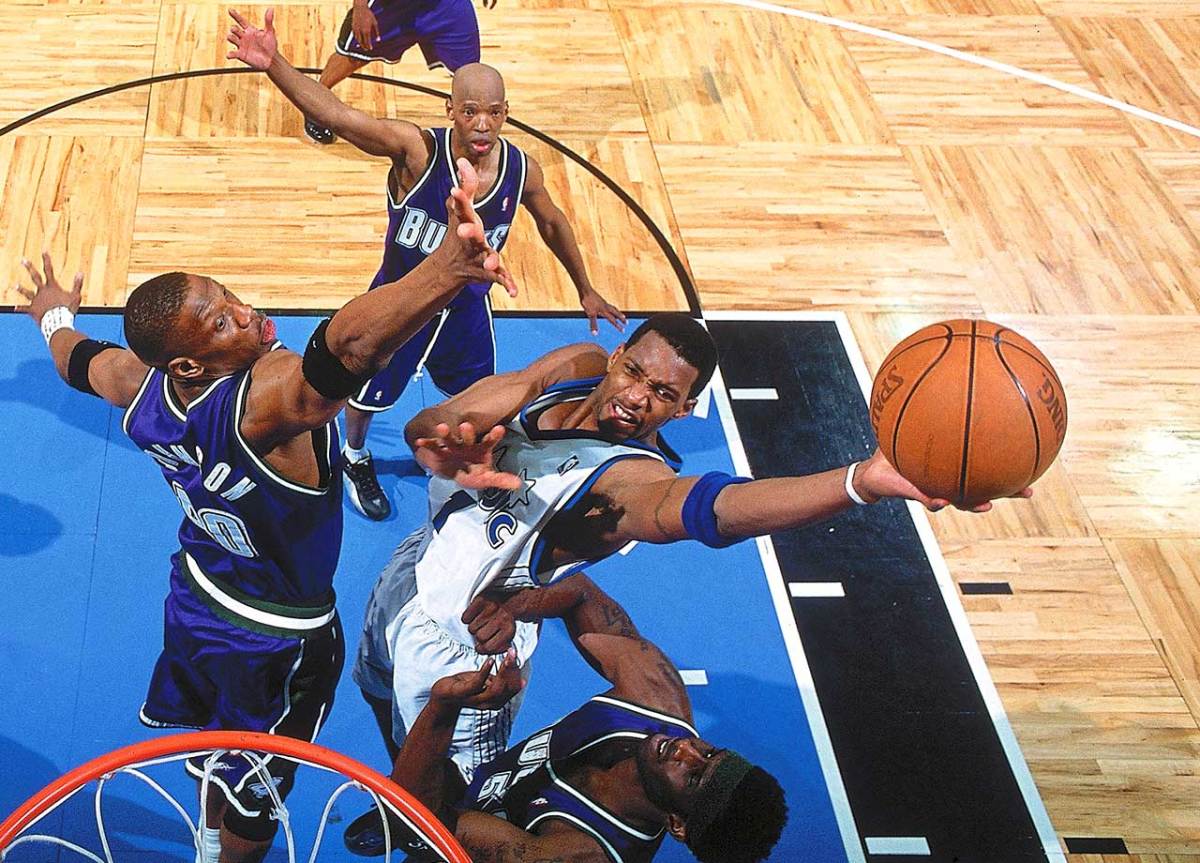
Tracy McGrady joined the Magic to play with Grant Hill, but was thrust into a larger role as Hill dealt with numerous injuries. McGrady responded by becoming one of the best scorers in the league, leading the NBA in points per game twice while in Orlando. McGrady’s run was short lived, however, as he was traded to Houston in 2004.
Steve Nash, 2004
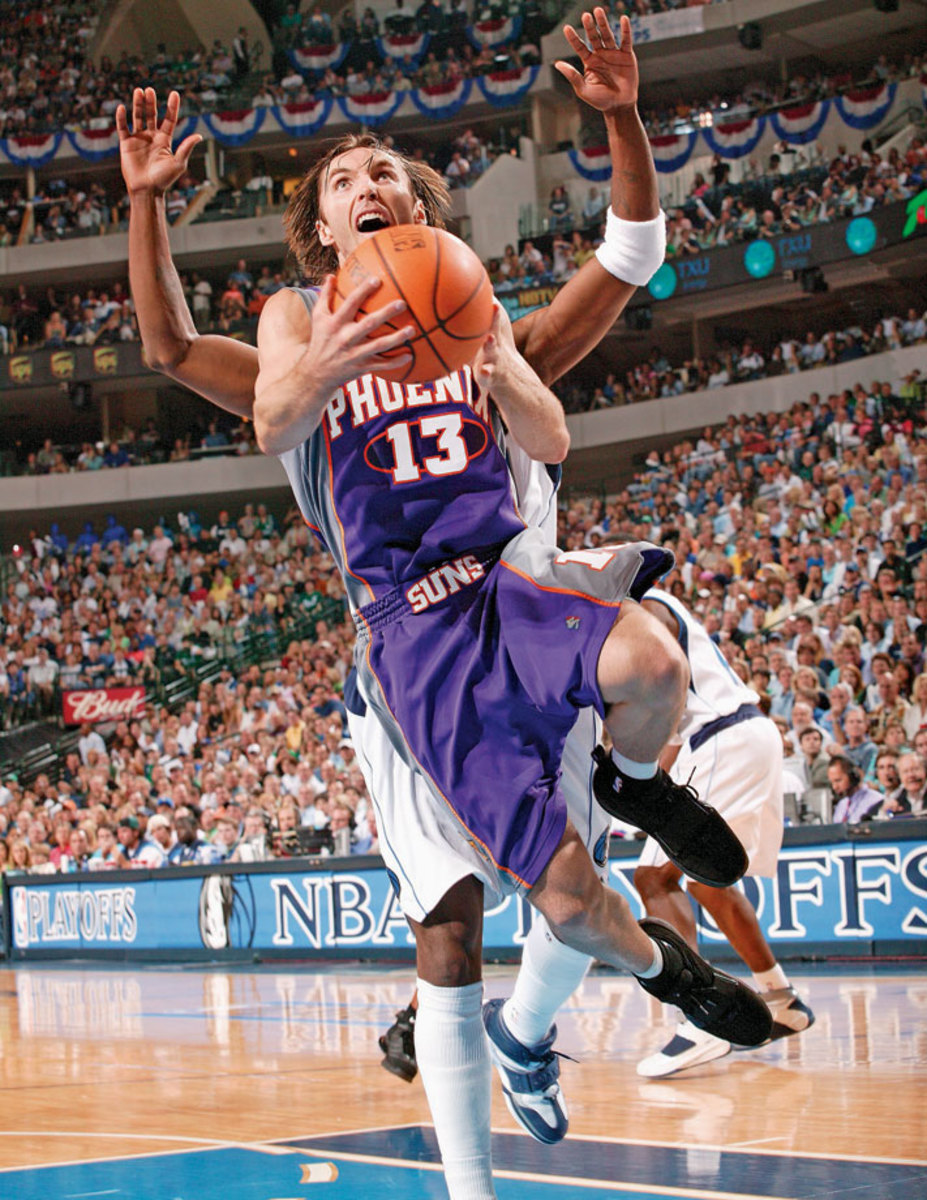
The Suns signed Steve Nash to a six-year, $63 million deal in 2004. Nash was 30 at the time, but took his game to another level in Phoenix. The point guard won MVP in his first two years in the desert, but despite his individual success, Nash could never lift the team past the conference finals.
Kevin Garnett, 2007
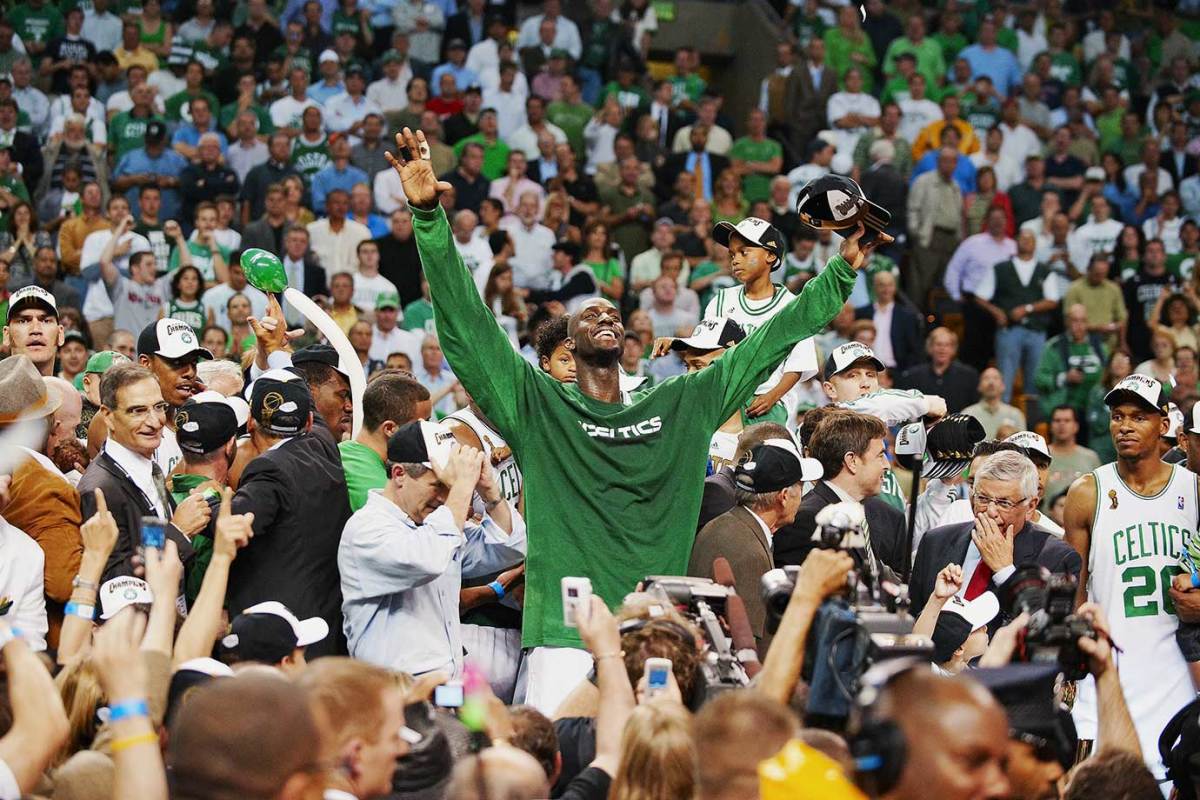
After years of falling short with the Timberwolves, Kevin Garnett was traded to the Celtics in July 2007. Garnett, along with Paul Pierce and Ray Allen, immediately turned the Celtics back into one of the NBA’s premier franchises. Boston won the Finals in KG’s first season, and almost won a couple more if not for ill-timed injuries.
Chris Bosh, 2010
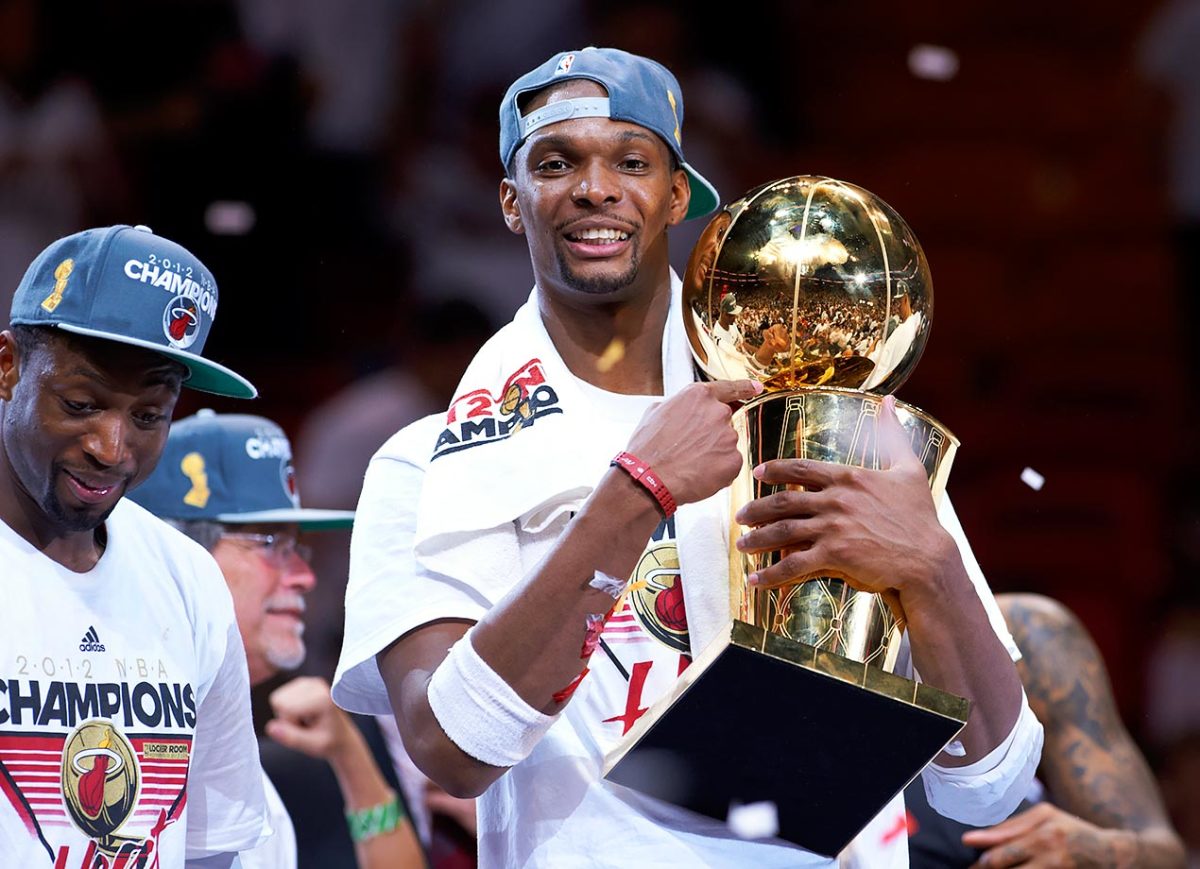
Chris Bosh joined the Heat along with LeBron James, and quickly became an integral part of Miami’s success. Bosh played a key role in the Heat’s run to four straight NBA Finals—most notably picking up an offensive rebound and assist before the Ray Allen’s three in Game 6 of the 2013 Finals.
LeBron James, 2010
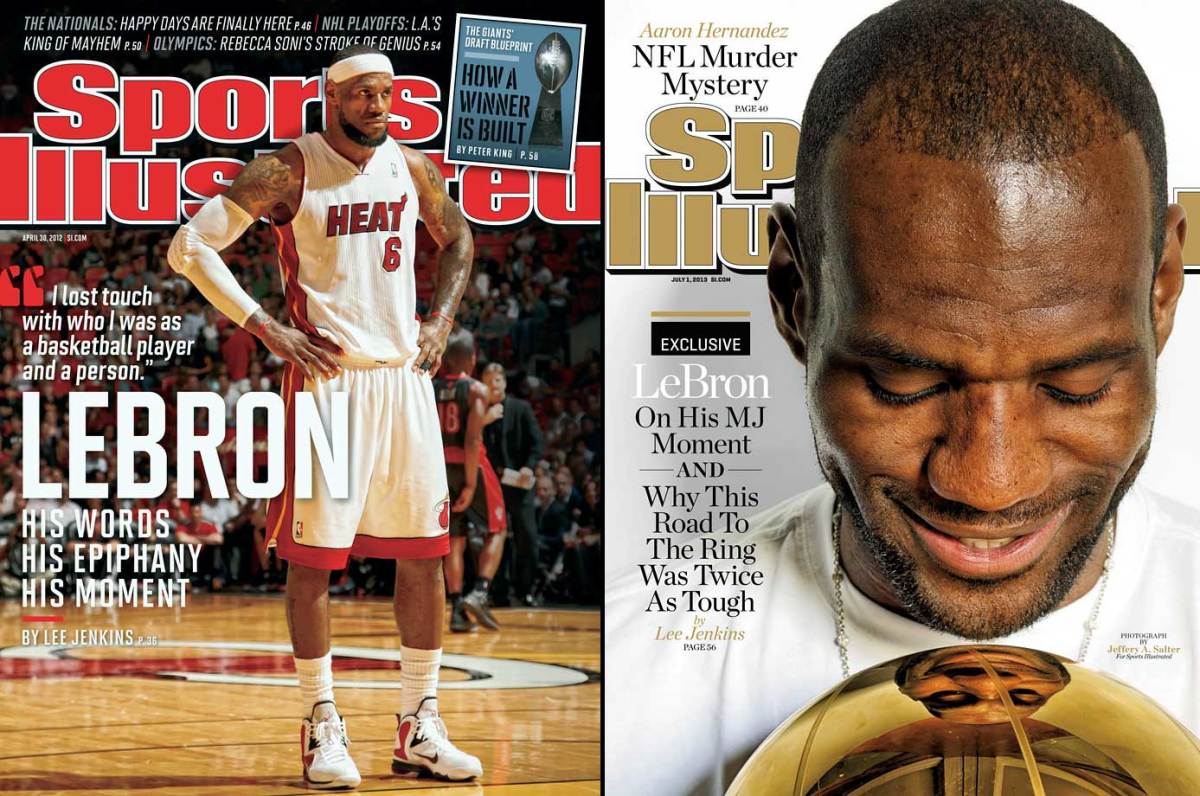
LeBron James, angering many with a TV special to announce his decision, chose to leave Cleveland for Miami in July 2010. LeBron made the Finals in all four of his seasons with the Heat, capturing two championships and two Finals MVPs in the process. James reached new levels of efficiency in Miami, cementing his legacy as one of the game’s greatest players.
Chris Paul, 2011
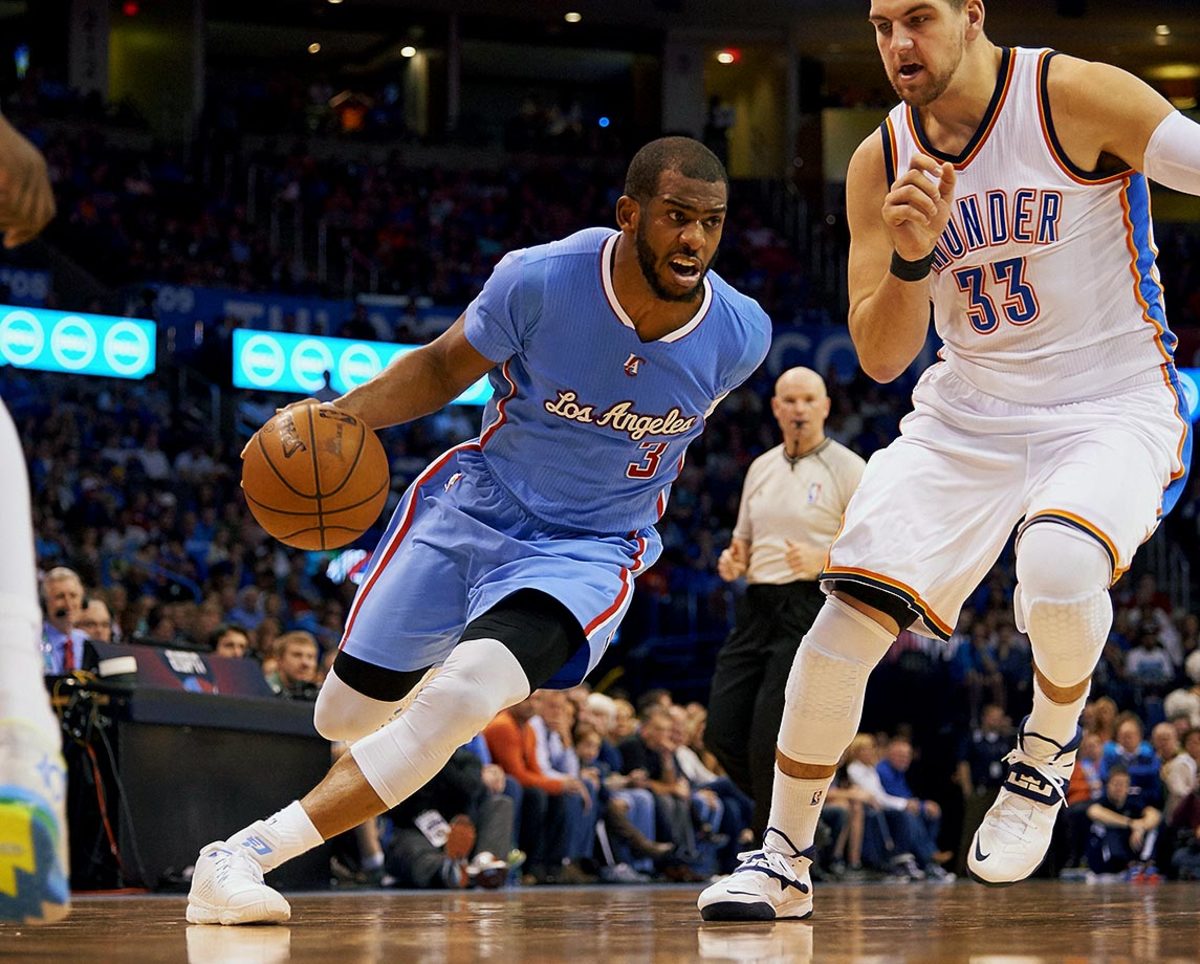
Chris Paul joined the Clippers in 2011 to form a Lob City-connection with Blake Griffin and lift the Clippers back to relevancy. Los Angeles became one of the top teams year-in and year-out with Paul at the helm, but has struggled in the playoffs against West rivals. As of 2016, Paul has yet to play in a conference finals.
Dwight Howard, 2012
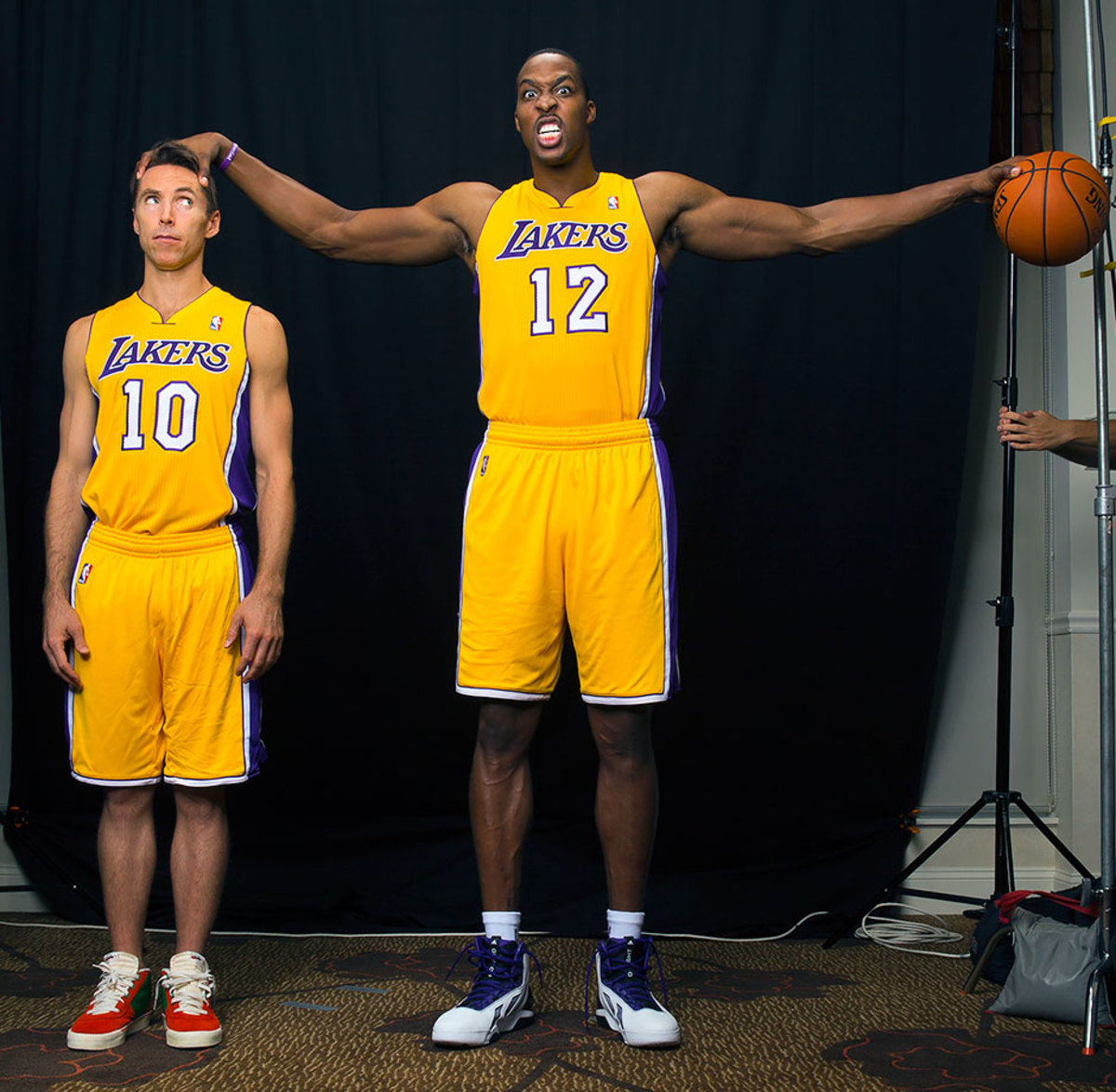
Dwight Howard, like Shaquille O'Neal 16 years before him, left the Magic for the Lakers by forcing a trade out of Orlando. Unlike Shaq, Howard flamed out with the Lakers. Also joined by Steve Nash, the Lakers never gelled on or off the court, and Howard lasted only one season in Los Angeles before joining the Houston Rockets.
LeBron James, 2014
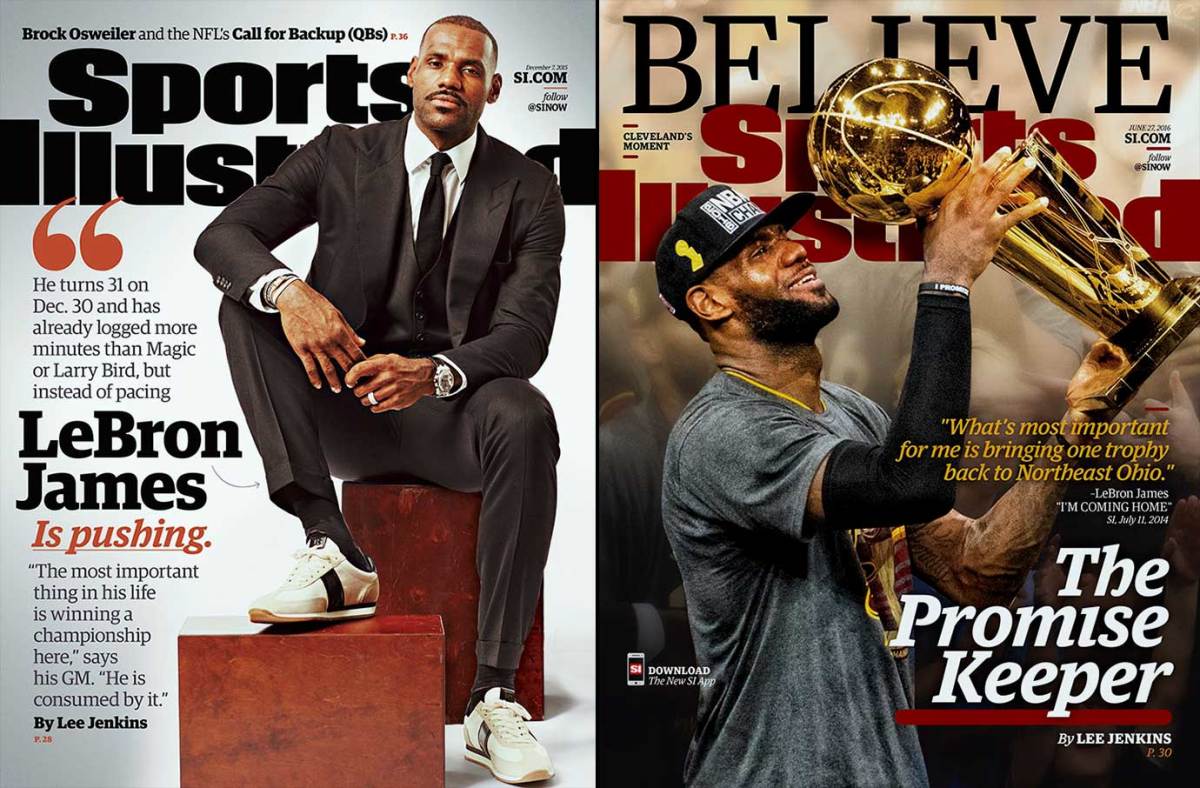
LeBron James returned to Cleveland in 2014, announcing his decision via a letter in Sports Illustrated. LeBron immediately launched the Cavaliers into the NBA’s top tier, bringing the team to the Finals in his first season back. In 2016, the James-led Cavaliers—after going down 3–1—upset the 73-win Warriors in the Finals, a shocking upset led by one of the best individual performances in Finals history.
Kevin Durant, 2016
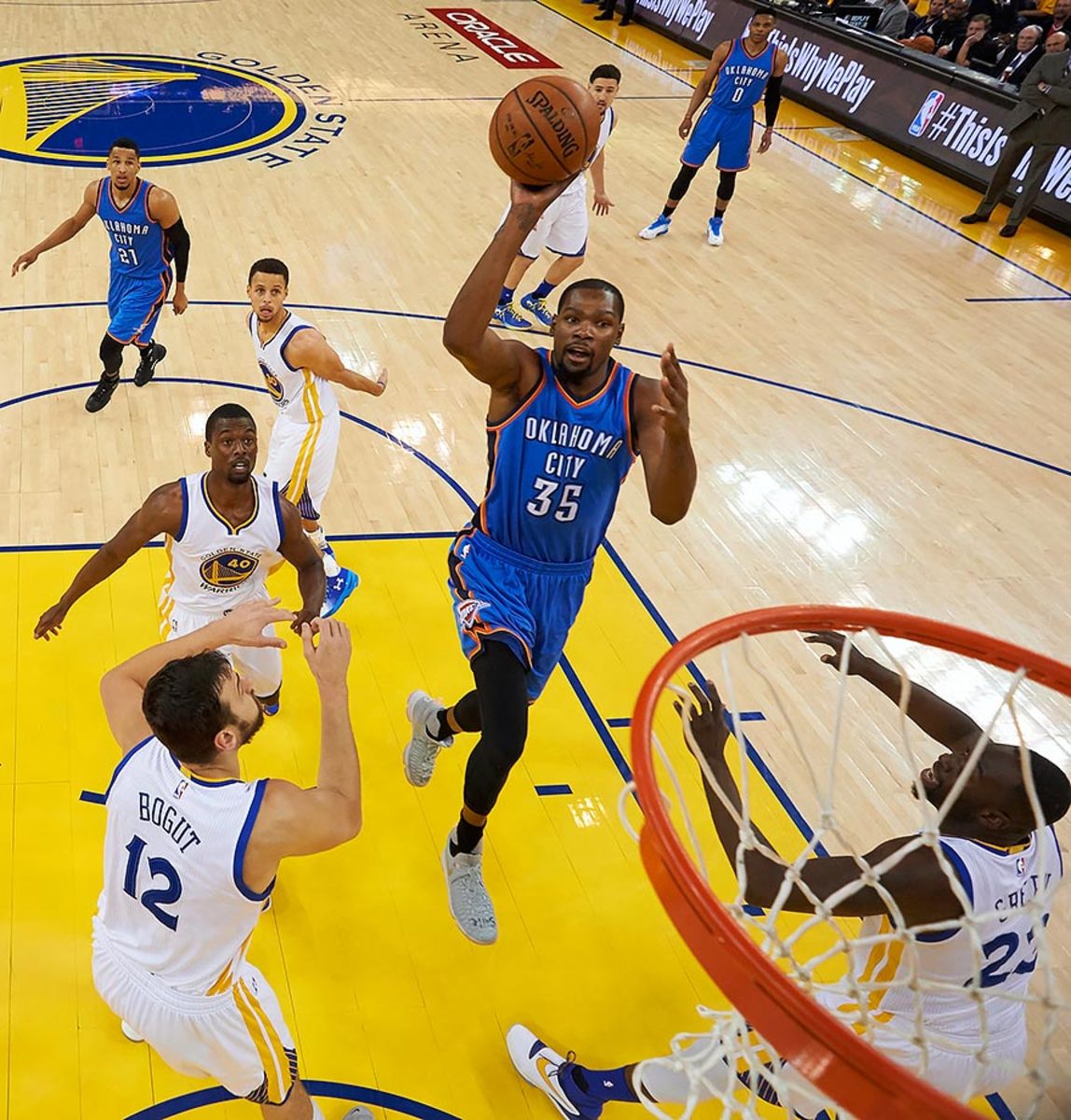
Kevin Durant, a four-time scoring champion and former MVP, joined the Warriors in July 2016. Golden State not only won 73 games the season before, but knocked Durant’s Thunder team out of the playoffs only weeks before the signing. The Warriors’ addition of Durant immediately made them the overwhelming favorite to win the Finals in 2017.
Dwyane Wade, 2016
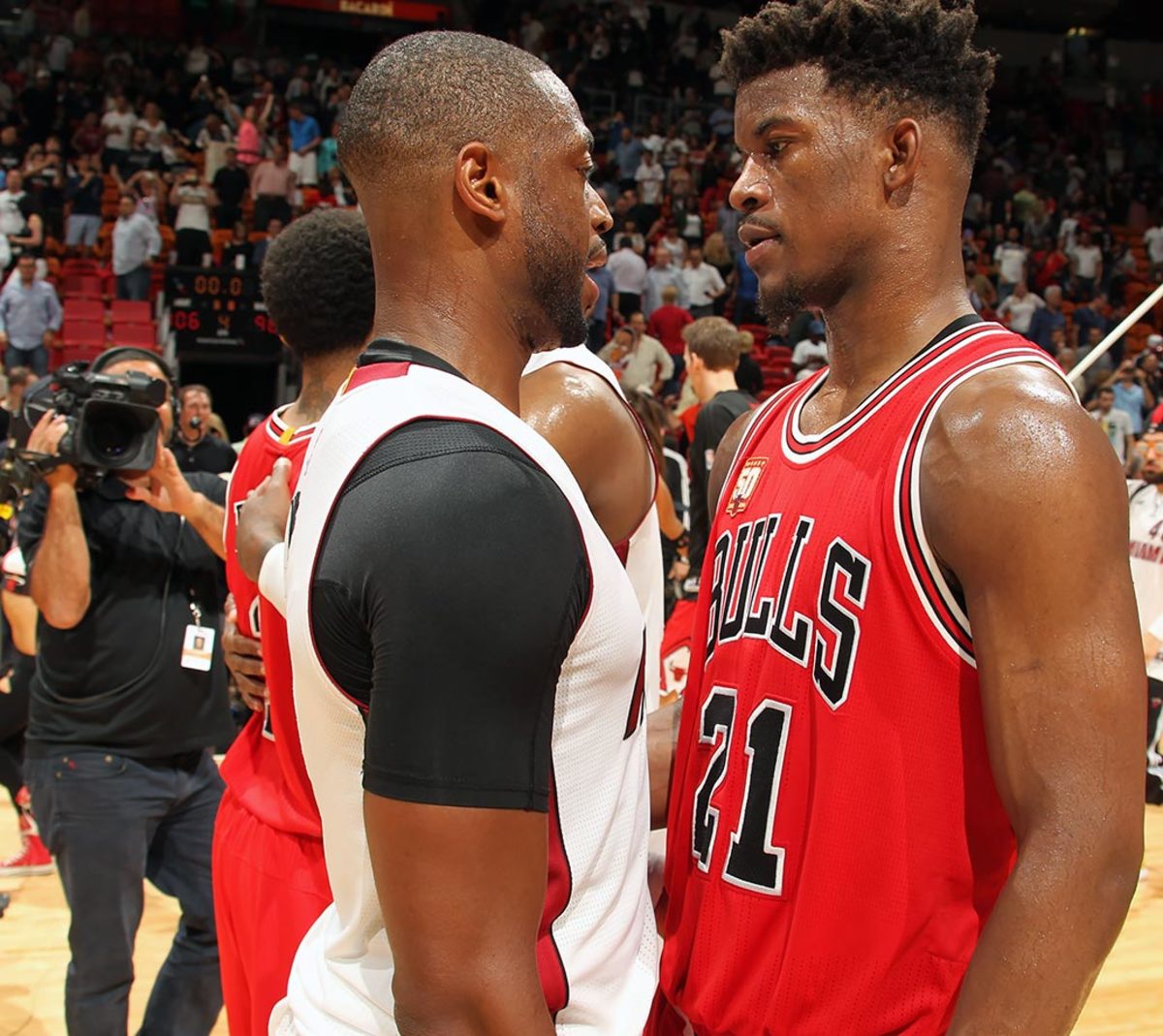
The Chicago Bulls agreed to sign Dwyane Wade, a 12-time All-Star who won three titles during his 13-year tenure in Miami, to a two-year contract worth $47.5 million with a player option on the second season. Wade won NBA titles with the Heat in 2006, 2012 and 2013 and had spent his entire career with the team after being drafted No. 5 overall in 2003.
Even if Wade had returned, Miami would be in a transitory state. Goran Dragic was acquired in 2015 and Hassan Whiteside will be re-signed to a max contract this summer for the sake of continuing forward. Wade seemed to be a part of that up until the minute he decided otherwise. His doing so removes the year-to-year ambiguity of how Wade will fit into the Heat's salary cap picture and the pressure to compensate him for his loyalty. Considering that the basketball future of Chris Bosh is still unclear, this development could be critical in allowing Miami to more accurately project its financial future. The news that the salary cap for the 2017–18 season is now expected to be $102 million rather than $107 million only creates greater need for such specificity. With a little maneuvering, the Heat are still positioned to clear max-level space next summer and will likely get an audience with top free agents.
•Wade pens letter to Heat fans | Wade leaves Heat after 13 years in Miami
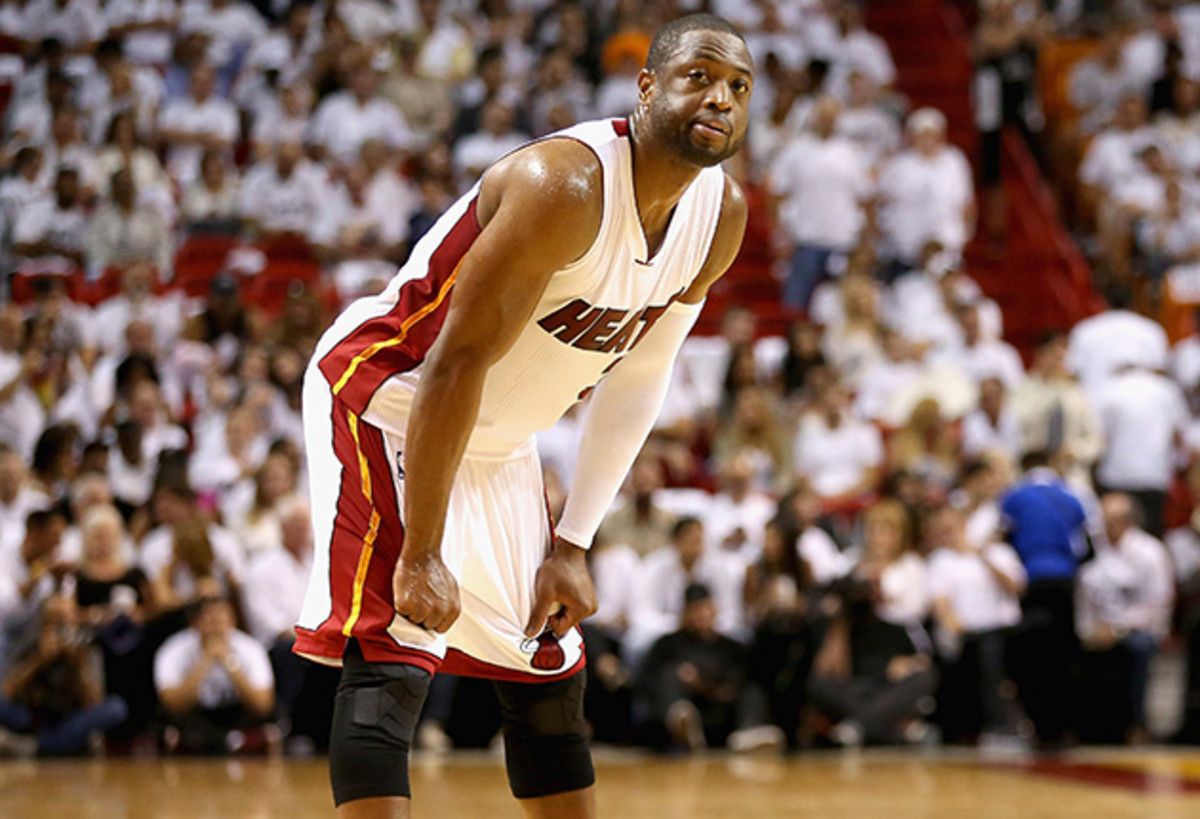
What remains to be seen is how the Heat might hold up—much less appeal to future free agent stars—without Wade and possibly without Bosh. Already there is one less leader around to check Whiteside on his attitude and habits. Dragic, for all his winning qualities, isn't much of a standard bearer in that regard. There are good players in Miami (Justise Winslow, Josh Richardson, Tyler Johnson should the Heat match on his four-year, $50 million offer sheet) but less in the way of team structure than at any point in recent memory. Players like Wade are a pecking order unto themselves. In his absence, that order defaults to a notably particular 30-year-old point guard and one of the most unpredictable max contract players in NBA history.
Consider that predicament an expression of faith: in Spoelstra and his ability to manage a changing dynamic; in the character of the roster; in the draw of the market; in Whiteside's talent; and in the stability of organizational culture based on what Wade built rather than the presence of the man himself.
 Add us as a preferred source on Google
Rob Mahoney is an NBA writer dedicated to the minutiae of the game of basketball, its overarching themes and everything in between. He joined the Sports Illustrated staff in 2012.